

 Vorschau anzeigen
 Versenden
 Teilen
 Details anzeigen

 Herunterladen
 Ähnliche Objekte
 Röntgenaufnahme
 Diashow
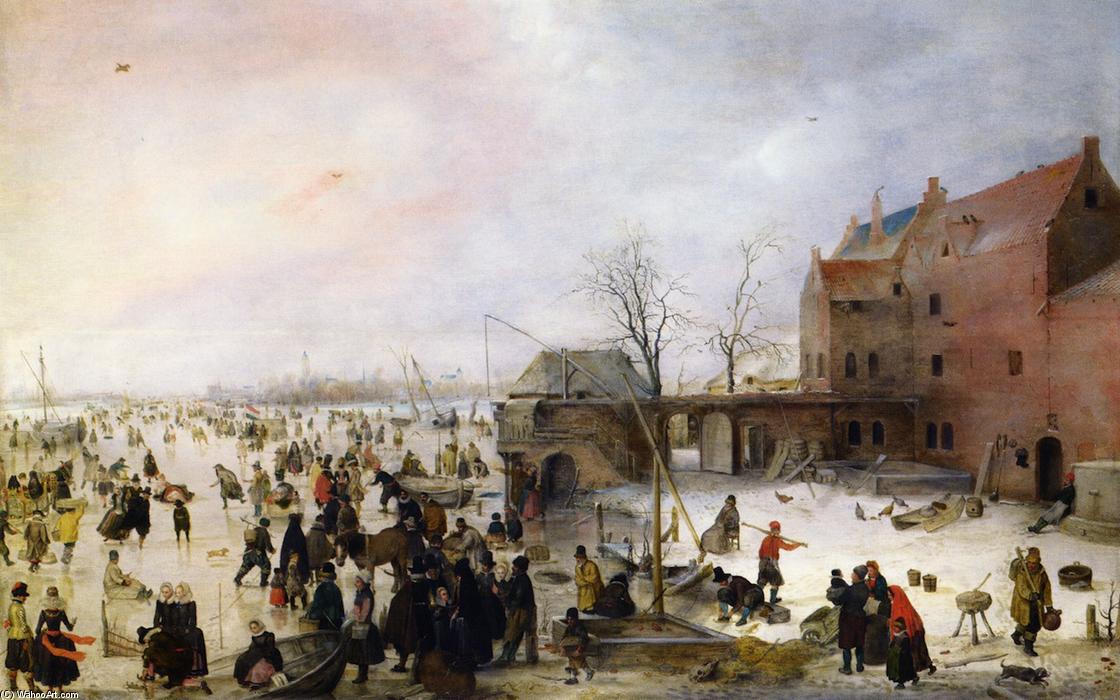
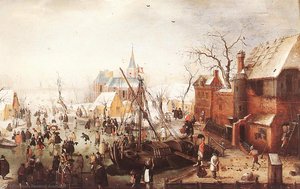
A Scene on the Ice near a Brewery


 Weiterlesen
Erwerben Sie ein hochauflösendes, optimiertes digitales Bild, das der Online-Vorschau weit überlegen ist.
Jede Datei wird von unseren hauseigenen Spezialisten mit modernsten Werkzeugen und fachmännischer manueller Retusche sorgfältig vorbereitet. Wir stellen sicher, dass jedes Bild eine außergewöhnliche Klarheit, präzise Farbgenauigkeit und feinste Details aufweist.
Die endgültige Datei wird innerhalb von 72 Stunden per E-Mail zugestellt und ist für den sofortigen Einsatz in professionellen, redaktionellen und Druckumgebungen optimiert. Es handelt sich um dieselbe Qualität, der führende Designstudios, Verlage und Galerien vertrauen.
Digitales Bild
Laden Sie eine hochauflösende Datei für die persönliche Präsentation, den Druck und kreative Projekte herunter. ( Druck bestellen Handgemalte Reproduktion bestellen)
In jeder Bestellung digitaler Bilder enthalten
Professionelle digitale Bereitstellung, garantiert
Wenn Sie sich für ArtsDot.com entscheiden, erhalten Sie nicht nur ein Bild – Sie erhalten ein professionell aufbereitetes digitales Kunstwerk, das mit höchster Präzision erstellt und durch eine Zufriedenheitsgarantie abgesichert wird. Hier ist alles, was automatisch mit Ihrer Bestellung geliefert wird:

Schnelle E-Mail-Zustellung
Ihre hochauflösende digitale Bilddatei wird Ihnen innerhalb von 72 Stunden nach der Bestellung per E-Mail zugestellt – bereit zur sofortigen Verwendung.

KI-optimierte digitale Datei
Ihre Kunstwerke werden professionell mithilfe fortschrittlicher KI-Tools und manueller Bearbeitung optimiert, um maximale Detailtreue, Klarheit und Farbgenauigkeit zu gewährleisten.

Lebenslanger kostenloser Neudruckservice
Datei versehentlich gelöscht oder verloren? Keine Sorge – wir senden sie Ihnen jederzeit kostenlos erneut zu.

Keine Einfuhrgebühren – jemals
Genießen Sie Ihr Kunstwerk sofort ohne Zollgebühren, Einfuhrabgaben oder Versandkosten – digitale Downloads sind immer steuerfrei.

Garantierte Farbtreue
Wir garantieren, dass Ihr digitales Bild mithilfe professioneller Werkzeuge und Farbmanagement die Originalfarben so präzise wie möglich wiedergibt.

60-Tage-Zufriedenheitsgarantie
Sollten Sie mit Ihrem digitalen Bild nicht zufrieden sein, werden wir es überarbeiten oder Ihnen innerhalb von 60 Tagen 100% erstatten – ohne Wenn und Aber.

100% Geld-zurück-Garantie
Nicht zufrieden? Erhalten Sie innerhalb von 60 Tagen nach Erhalt Ihrer digitalen Datei eine vollständige Rückerstattung – ohne Angabe von Gründen.

Rabatte bei Großbestellungen
3 Bilder kaufen, 10% sparen – 5 Bilder kaufen, 15% sparen – Ab 10 Bildern 20% sparen. Ideal für kreative Projekte, Galerien und Agenturen.
Details zum Sammlerstück
A Scene on the Ice by Hendrick Avercamp
Hendrik Avercamp’s “A Scene on the Ice near a Town,” painted around 1615, stands as an emblem of Dutch winter artistry and a snapshot of daily life during the turbulent period of the Dutch Golden Age. More than just a picturesque landscape, it's a meticulously crafted tableau brimming with detail—a testament to Avercamp’s unparalleled ability to capture not only visual beauty but also the spirit of his time. Located in Room 19 at the National Gallery London, this monumental canvas invites viewers into a frozen world populated by ordinary people engaged in commonplace activities, transforming it into an unforgettable experience.The Landscape and Composition
Avercamp’s mastery lies in his depiction of the icy expanse surrounding Kampen—a canal town nestled in Friesland province. The river freezes over, creating a vast surface covered in snow and ice where skaters glide effortlessly across the frozen water. The artist employs a panoramic perspective, drawing the eye outwards into the expansive winter landscape, emphasizing its grandeur and serenity. Scattered amongst the figures are buildings – primarily houses and a castle—creating a balanced composition that anchors the scene while simultaneously conveying a sense of bustling activity. Careful attention to tonal gradation contributes to the painting’s dramatic effect, highlighting the interplay between light and shadow and enhancing the realism of the winter environment.Technique and Style
Avercamp's distinctive style is characterized by its meticulous detail and luminous color palette—a hallmark of Northern Renaissance art. He utilizes a technique known as *trompe l'oeil*, subtly manipulating perspective to create illusions of depth and texture, particularly evident in the depiction of ice crystals and snow drifts. The artist’s brushstrokes are deliberate and controlled, layering colors with remarkable precision to achieve an astonishing level of realism. Avercamp’s masterful use of glazing—applying thin layers of translucent paint over underlying color—results in a shimmering surface that captures the ethereal quality of winter light. This technique elevates the painting beyond mere representation, imbuing it with palpable atmosphere and emotion.Historical Context: The Little Ice Age
“A Scene on the Ice” was created during the Little Ice Age, a period marked by unusually cold temperatures across Europe—a dramatic shift from the warmer summers of previous centuries. This climatic anomaly profoundly impacted daily life in Holland, transforming canals into frozen highways and prompting communities to adapt their activities accordingly. Avercamp’s painting reflects this reality, portraying skaters, merchants, and families going about their business as if winter were merely a seasonal inconvenience rather than a formidable challenge. The inclusion of the Dutch Republic flag symbolizes the burgeoning nation's independence and prosperity during this era—a visual reminder of its cultural achievements and ambitions.Symbolism and Narrative Depth
Beyond its aesthetic beauty, “A Scene on the Ice” is rich in symbolic significance. Avercamp’s depiction of various figures—farmers tending livestock, children playing games, craftsmen working diligently—represents the multifaceted nature of Dutch society during the seventeenth century. The artist's inclusion of a solitary man gazing upwards—often interpreted as representing contemplation and spiritual reflection—adds an element of psychological depth to the composition. Furthermore, the presence of kolf—a precursor to golf—suggests leisure and social interaction amidst the hardships of winter. Overall, Avercamp’s painting transcends mere visual observation; it invites viewers to contemplate the human condition within a broader historical context.Emotional Impact
The painting's enduring appeal lies in its ability to evoke feelings of warmth, nostalgia, and wonder—despite portraying a bleak landscape. Avercamp succeeds in capturing the spirit of community and resilience—the determination of ordinary people to persevere through adversity while maintaining their traditions and customs. Viewing “A Scene on the Ice” transports us back to a bygone era, fostering an appreciation for artistic skill and prompting reflection on the enduring beauty of nature alongside human experience. It remains a captivating masterpiece that continues to inspire admiration and contemplation centuries after its creation.Ähnliche Kunstwerke
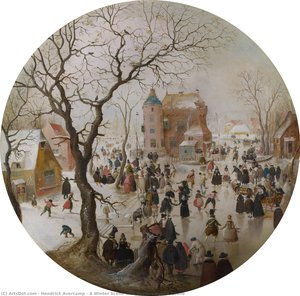
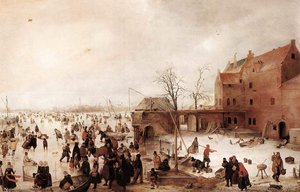
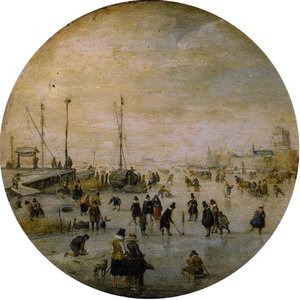
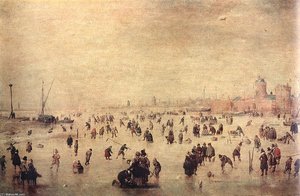
Biografie des Künstlers
Hendrick Avercamp (1585–1634): A Pioneer of Dutch Winter Landscape
Hendrick Avercamp, born in Amsterdam in a house next to the Nieuwe Kerk („Neue Kirche“) on January 27, 1585, stands as one of the earliest landscape painters of the 17th-century Dutch school. His life story is interwoven with artistic innovation and personal resilience—a tale that reveals not only his mastery of technique but also a profound engagement with the spirit of his time. From an early age, Avercamp experienced the world differently than many others; he was mute and likely deaf, earning him the affectionate yet defining moniker “de Stomme van Kampen” – the Mute of Kampen. This perceived limitation didn’t stifle his creative impulse but perhaps sharpened his observational acuity, allowing him to translate the subtle nuances of Dutch winter onto canvas with unparalleled precision and vibrancy. He began his artistic journey under the tutelage of Pieter Isaacsz, a celebrated portrait painter in Amsterdam, and possibly benefited from guidance from David Vinckboons, whose stylistic influence can be discerned in Avercamp’s formative works.Early Influences and Artistic Training
Avercamp’s formative years were marked by exposure to Flemish artistic traditions—particularly those championed by Pieter Bruegel the Elder. Around 1565, Bruegel had already established a distinctive style characterized by detailed depictions of rural life and dramatic atmospheric effects. Avercamp absorbed these influences deeply, mirroring Bruegel’s penchant for portraying scenes brimming with human activity against a backdrop of wintry landscapes. This stylistic kinship is evident in Avercamp’s early paintings—particularly *Winter Landscape with Skaters*, where the bustling figures engaged in skating activities embody the spirit of Dutch winter culture. His apprenticeship with Isaacsz provided him with foundational skills in portraiture, complementing his burgeoning talent for landscape painting and fostering a balanced artistic vision.The Winter Landscape Genre: Innovation and Technique
Avercamp’s singular contribution to art history lies in his pioneering role as one of the first Dutch artists to dedicate himself exclusively to winter landscapes—a genre that had hitherto been largely neglected by painters. Unlike many contemporaries who sought to convey the grandeur or solemnity of winter, Avercamp focused on capturing its lively essence—the joyous activities of skaters, sledders, and villagers alike. He achieved this remarkable feat through masterful technique—primarily employing aerial perspective, a method pioneered by Bruegel himself. This technique subtly alters colors and tonal values across the canvas to simulate depth, drawing viewers into immersive winter scenes that pulsate with life. Avercamp’s palette was rich and vibrant, reflecting the luminosity of winter light and capturing the subtle hues of snow and ice. Furthermore, he skillfully utilized *repoussoir*, placing figures in the foreground on a slight elevation to heighten the illusion of three-dimensionality—a technique that underscores his meticulous attention to detail and artistic craftsmanship.Notable Works and Artistic Legacy
Hendrick Avercamp’s oeuvre comprises approximately 100 paintings, predominantly winter landscapes executed with remarkable precision and expressive power. Among his most celebrated masterpieces are *Winter Landscape with Skaters*, which exemplifies his mastery of capturing the atmosphere of a Dutch winter day; *Street in Delfi*, offering a rare glimpse into urban life during the frozen months; and *Enjoying the Ice near a Town*, showcasing Avercamp’s ability to create dynamic compositions filled with numerous figures engaged in festive activities. These paintings stand as testaments to his artistic vision—a fusion of observation, technique, and humanist sensibility that continues to inspire admiration centuries later. His work resides primarily in museums across Europe, including the Rijksmuseum in Amsterdam and the Mauritshuis in The Hague, where it remains a cornerstone of Dutch Golden Age art history. Avercamp’s legacy extends beyond his artistic achievements; he embodies the triumph of creativity amidst adversity—a symbol of unwavering dedication to craft and an enduring fascination with the beauty of the natural world frozen in time.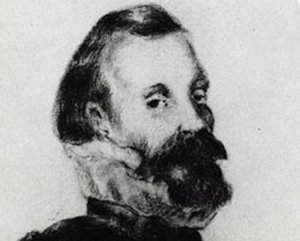
Hendrick Avercamp
1585 - 1634 , Niederlande
Kurzinfos
- Artistic Movement Or Style: Dutch Golden Age Malerei
- Artists Who Influenced This Artist:
- Pieter Isaacsz
- David Vinckboons
- Date Of Birth: Januar 27, 1585
- Date Of Death: Mai 15, 1634
- Full Name: Hendrick Avercamp
- Nationality: Niederländisch
- Notable Artworks:
- Winter Landschaft mit Schlittschuern
- Straß in Delfi
- Place Of Birth: Amsterdam, Niederlande

