 Vorschau anzeigen
 Versenden
 Teilen
 Details anzeigen

 Herunterladen
 Ähnliche Objekte
 Röntgenaufnahme
 Diashow
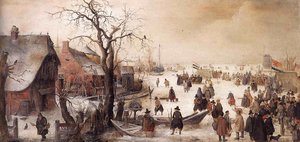
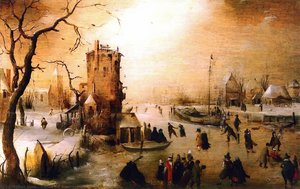
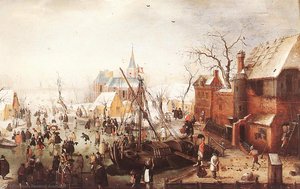
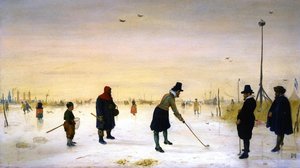
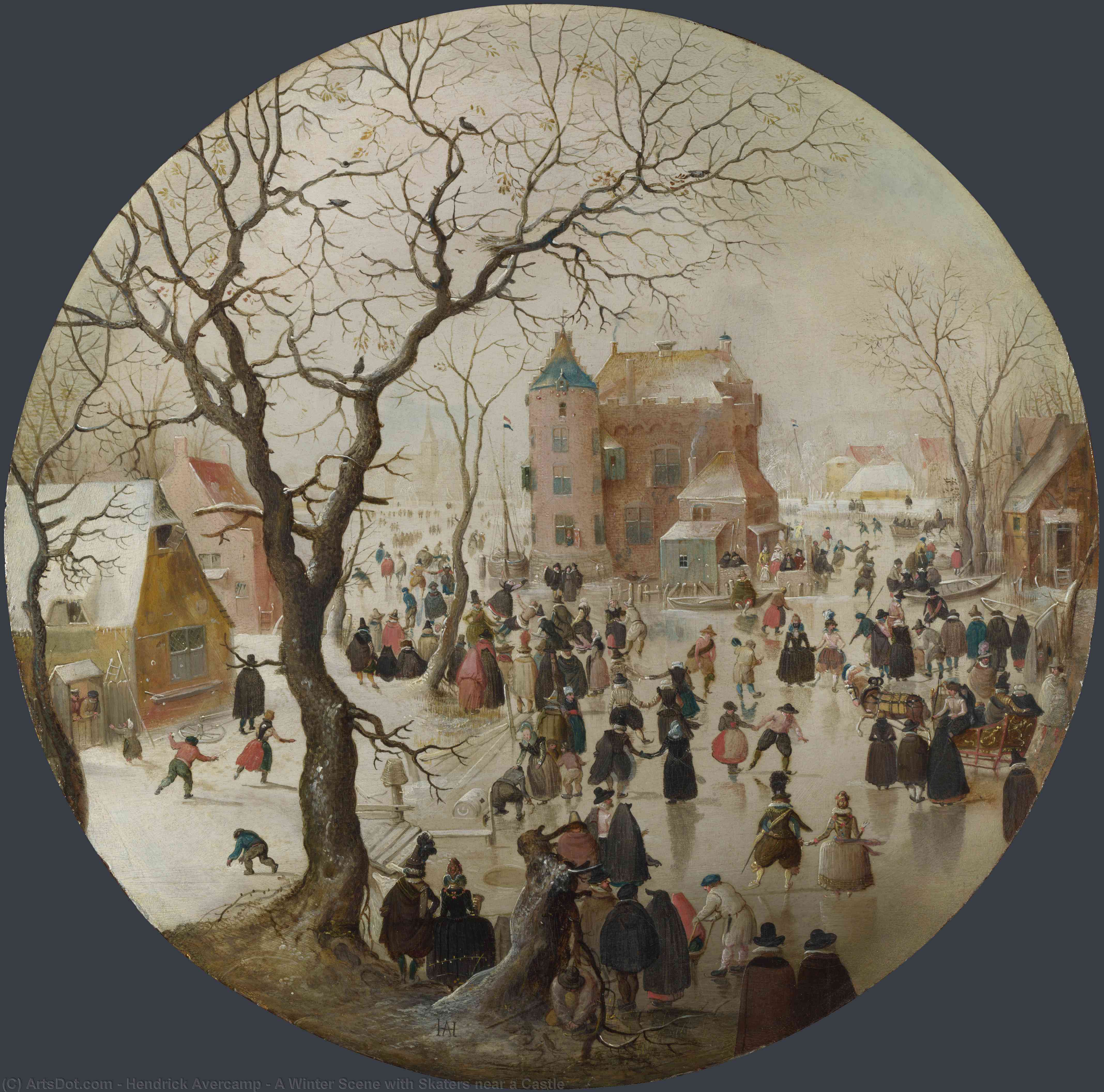
A Winter Scene with Skaters near a Castle


 Weiterlesen
Handgefertigte Ölreproduktion
Handgemaltes Ölgemälde auf Leinwand in Ihrer Wunschgröße und mit Rahmen, auf Bestellung von unseren Künstlern angefertigt. ( Druck bestellen Bild kaufen)




P118B $10

P118H $10

P118W $10

P438Z $10

P508JH $12

P508YH $12

P805H $10

P805Z $10

P919BZ $10

P919G $10

P919XJ $10

P959ZH $10

P968JZ $12

W106C $8

W218G $10

W218JH $8

W218Y $10

W307PJ $10

W316G $10

W316PJ $8

W316Y $10

W398PJ $8

W4111J $10

W500HY $15

W500JH $15

W692G $12

W849H $8

W940BG $15

W953PJ $8




Wählen Sie aus unseren vordefinierten Formaten, die den ursprünglichen Proportionen des Kunstwerks entsprechen.

Sie können Ihre eigenen Maße eingeben, um einen bestimmten Rahmen oder Platz auszufüllen. Wenn die gewählte Größe nicht den Proportionen des Originalbildes entspricht, werden wir das Kunstwerk entweder beschneiden oder das Gemälde durch zusätzliche, handgemalte Elemente erweitern. Ein digitales Mockup wird Ihnen zur Genehmigung zugesandt, bevor die Produktion beginnt.
Bitte beachten Sie, dass die Bildschirmvorschau nicht die tatsächliche Beschneidung oder Erweiterung widerspiegelt. Nur das Mockup zeigt die endgültige Komposition exakt an.
Obwohl Sondermaße verfügbar sind, empfehlen wir, eine Größe aus der vordefinierten Liste zu wählen, um die ursprünglichen Proportionen beizubehalten.
Nach der Bestellung wird das ArtsDot.com-Team dem Kunden Anweisungen per E-Mail zusenden und eine Mockup-Vorschau bereitstellen.
Weltweiter Versand () in nur 3 bis 4 Wochen statt der üblichen 5 Wochen. (21 August). Keine Kompromisse bei der Qualität.

Kostenloser weltweiter Expressversand

Hochwertige Leinenleinwand

Umfassender Versicherungsschutz beim Versand

Zollgebühren-Rückerstattungsgarantie

Garantie für exakte Farbtreue

60 Tage Rückgaberecht (nur bei Mängeln)

100% Geld-zurück-Garantie

Mengenrabatt verfügbar
 Die Glasoption ist nur für Größen unter 110 cm verfügbar.

A Winter Scene with Skaters near a Castle
Art der Reproduktion
Format der Reproduktion
-


Gesamtpreis
$ 263
Beschreibung des Kunstwerks
A Frozen Symphony of Dutch Life
In the quiet, frost-bitten stillness of a seventeenth-century Dutch afternoon, Hendrick Avercamp invites us to step onto the shimmering expanse of a frozen canal. A Winter Scene with Skaters near a Castle is not merely a landscape; it is a vibrant, breathing tapestry of human connection and seasonal endurance. As the eye wanders across the icy plane, one discovers a meticulously choreographed ballet of figures—skaters gliding with effortless grace, dogs frolicking amidst the chill, and onlookers gathered in small, intimate clusters. The presence of the imposing castle in the background provides a sense of permanence and architectural grandeur, anchoring the fleeting, lively movements of the foreground within a timeless historical setting. This masterpiece captures that rare, magical moment when the biting cold of winter transforms a utilitarian waterway into a communal stage for joy and leisure.
The technical brilliance of Avercamp lies in his ability to master the delicate interplay of light and atmosphere. Through a sophisticated use of subtle glazes and fine brushwork, he recreates the translucent quality of ice and the hazy, biting air of a northern winter. The palette is a masterful study in muted tones—soft whites, icy blues, and earthy browns—interrupted only by the occasional splash of color from a traveler's cloak or a child's toy. This restraint allows the viewer to focus on the incredible depth of field; Avercamp employs an almost panoramic perspective that draws the soul deeper into the scene, moving from the detailed textures of the foreground figures to the ethereal, misty silhouettes of the distant architecture. For the collector, this technique offers a sense of immersive window-like realism, making the painting feel less like a flat image and more like a portal into another era.
Beyond its aesthetic charm, the work serves as a profound historical document of the Dutch Golden Age. During this period, the Netherlands experienced a unique cultural flowering, and Avercamp’s "winter landscapes" became a celebrated genre that reflected the resilience and communal spirit of the Dutch people. The painting subtly explores themes of social harmony, as individuals from various walks of life—from the wealthy in fine furs to the humble laborer—share the same frozen stage. There is a poignant symbolism in the seasonal cycle depicted here; the ice represents both a temporary obstacle and a unique opportunity for unity. For interior designers and art enthusiasts alike, this piece offers an unparalleled emotional warmth. It brings a sense of nostalgic tranquility and sophisticated storytelling to any space, serving as a timeless centerpiece that celebrates the enduring beauty found in life's most quiet, frozen moments.
Ähnliche Kunstwerke
Über den Künstler
Hendrick Avercamp (1585–1634): A Pioneer of Dutch Winter Landscape
Hendrick Avercamp, born in Amsterdam in a house next to the Nieuwe Kerk („Neue Kirche“) on January 27, 1585, stands as one of the earliest landscape painters of the 17th-century Dutch school. His life story is interwoven with artistic innovation and personal resilience—a tale that reveals not only his mastery of technique but also a profound engagement with the spirit of his time. From an early age, Avercamp experienced the world differently than many others; he was mute and likely deaf, earning him the affectionate yet defining moniker “de Stomme van Kampen” – the Mute of Kampen. This perceived limitation didn’t stifle his creative impulse but perhaps sharpened his observational acuity, allowing him to translate the subtle nuances of Dutch winter onto canvas with unparalleled precision and vibrancy. He began his artistic journey under the tutelage of Pieter Isaacsz, a celebrated portrait painter in Amsterdam, and possibly benefited from guidance from David Vinckboons, whose stylistic influence can be discerned in Avercamp’s formative works.Early Influences and Artistic Training
Avercamp’s formative years were marked by exposure to Flemish artistic traditions—particularly those championed by Pieter Bruegel the Elder. Around 1565, Bruegel had already established a distinctive style characterized by detailed depictions of rural life and dramatic atmospheric effects. Avercamp absorbed these influences deeply, mirroring Bruegel’s penchant for portraying scenes brimming with human activity against a backdrop of wintry landscapes. This stylistic kinship is evident in Avercamp’s early paintings—particularly *Winter Landscape with Skaters*, where the bustling figures engaged in skating activities embody the spirit of Dutch winter culture. His apprenticeship with Isaacsz provided him with foundational skills in portraiture, complementing his burgeoning talent for landscape painting and fostering a balanced artistic vision.The Winter Landscape Genre: Innovation and Technique
Avercamp’s singular contribution to art history lies in his pioneering role as one of the first Dutch artists to dedicate himself exclusively to winter landscapes—a genre that had hitherto been largely neglected by painters. Unlike many contemporaries who sought to convey the grandeur or solemnity of winter, Avercamp focused on capturing its lively essence—the joyous activities of skaters, sledders, and villagers alike. He achieved this remarkable feat through masterful technique—primarily employing aerial perspective, a method pioneered by Bruegel himself. This technique subtly alters colors and tonal values across the canvas to simulate depth, drawing viewers into immersive winter scenes that pulsate with life. Avercamp’s palette was rich and vibrant, reflecting the luminosity of winter light and capturing the subtle hues of snow and ice. Furthermore, he skillfully utilized *repoussoir*, placing figures in the foreground on a slight elevation to heighten the illusion of three-dimensionality—a technique that underscores his meticulous attention to detail and artistic craftsmanship.Notable Works and Artistic Legacy
Hendrick Avercamp’s oeuvre comprises approximately 100 paintings, predominantly winter landscapes executed with remarkable precision and expressive power. Among his most celebrated masterpieces are *Winter Landscape with Skaters*, which exemplifies his mastery of capturing the atmosphere of a Dutch winter day; *Street in Delfi*, offering a rare glimpse into urban life during the frozen months; and *Enjoying the Ice near a Town*, showcasing Avercamp’s ability to create dynamic compositions filled with numerous figures engaged in festive activities. These paintings stand as testaments to his artistic vision—a fusion of observation, technique, and humanist sensibility that continues to inspire admiration centuries later. His work resides primarily in museums across Europe, including the Rijksmuseum in Amsterdam and the Mauritshuis in The Hague, where it remains a cornerstone of Dutch Golden Age art history. Avercamp’s legacy extends beyond his artistic achievements; he embodies the triumph of creativity amidst adversity—a symbol of unwavering dedication to craft and an enduring fascination with the beauty of the natural world frozen in time.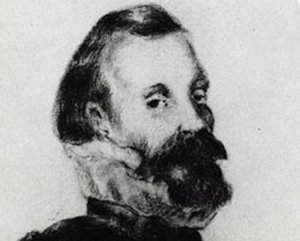
Hendrick Avercamp
1585 - 1634 , Niederlande
Kurzinfos
- Artistic Movement Or Style: Dutch Golden Age Malerei
- Artists Who Influenced This Artist:
- Pieter Isaacsz
- David Vinckboons
- Date Of Birth: Januar 27, 1585
- Date Of Death: Mai 15, 1634
- Full Name: Hendrick Avercamp
- Nationality: Niederländisch
- Notable Artworks:
- Winter Landschaft mit Schlittschuern
- Straß in Delfi
- Place Of Birth: Amsterdam, Niederlande
Ähnliche Artikel
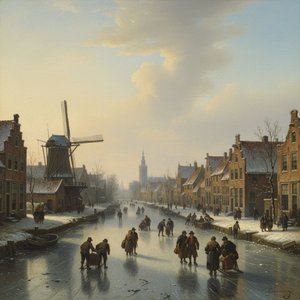
Charles Leickert: Capturing the Dutch Golden Age Light – A Comprehensive Study of Technique, Context, and Legacy
Explore the captivating winter landscapes of Charles Leickert, a master of Dutch Golden Age light & atmosphere. Discover his techniques, symbolism, and lasting legacy – a comprehensive study for art enthusiasts and collectors.

Die 10 Meisterwerke des Goldenen Zeitalters der niederländischen Malerei |
Entdecken Sie die 10 Meisterwerke des Niederländischen Goldenen Zeitalters! Von Rembrandt bis Vermeer – erleben Sie Kunstgeschichte, Techniken & Emotionen. Hochwertige Gemäldereproduktionen für Ihr Zuhause auf .

Golden Age Reflections: Dutch Baroque Painting & Cultural Innovation
Explore the Dutch Golden Age of painting! Discover key artists like Vermeer & ter Borch, their innovative techniques, and the rich cultural context behind these Baroque masterpieces. Learn about collecting & appreciating this iconic art period.
Hendrick Terbrugghen: Caravaggism, Spirituality & the Dutch Golden Age Painter's Evolving Style
Explore the captivating world of Hendrick Terbrugghen, a leading Dutch Golden Age painter influenced by Caravaggio. Discover his dramatic use of light, spiritual depth & lasting legacy. Learn more at ArtsDot.

Die 10 Meisterwerke der niederländischen Barockmalerei – Kunst für Ihr Zuhause | ArtsDot
Entdecken Sie die 10 prägendsten Meisterwerke der niederländischen Barockmalerei! Von Rembrandt bis Vermeer – erleben Sie Kunstgeschichte, Techniken & Emotionen. Hochwertige Reproduktionen für Ihr Zuhause auf ArtsDot.com.