 Vorschau anzeigen
 Versenden
 Teilen
 Details anzeigen

 Herunterladen
 Ähnliche Objekte
 Röntgenaufnahme
 Diashow
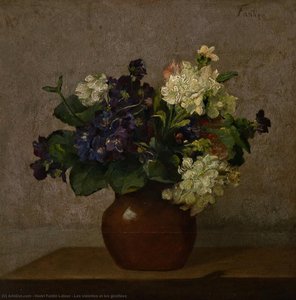
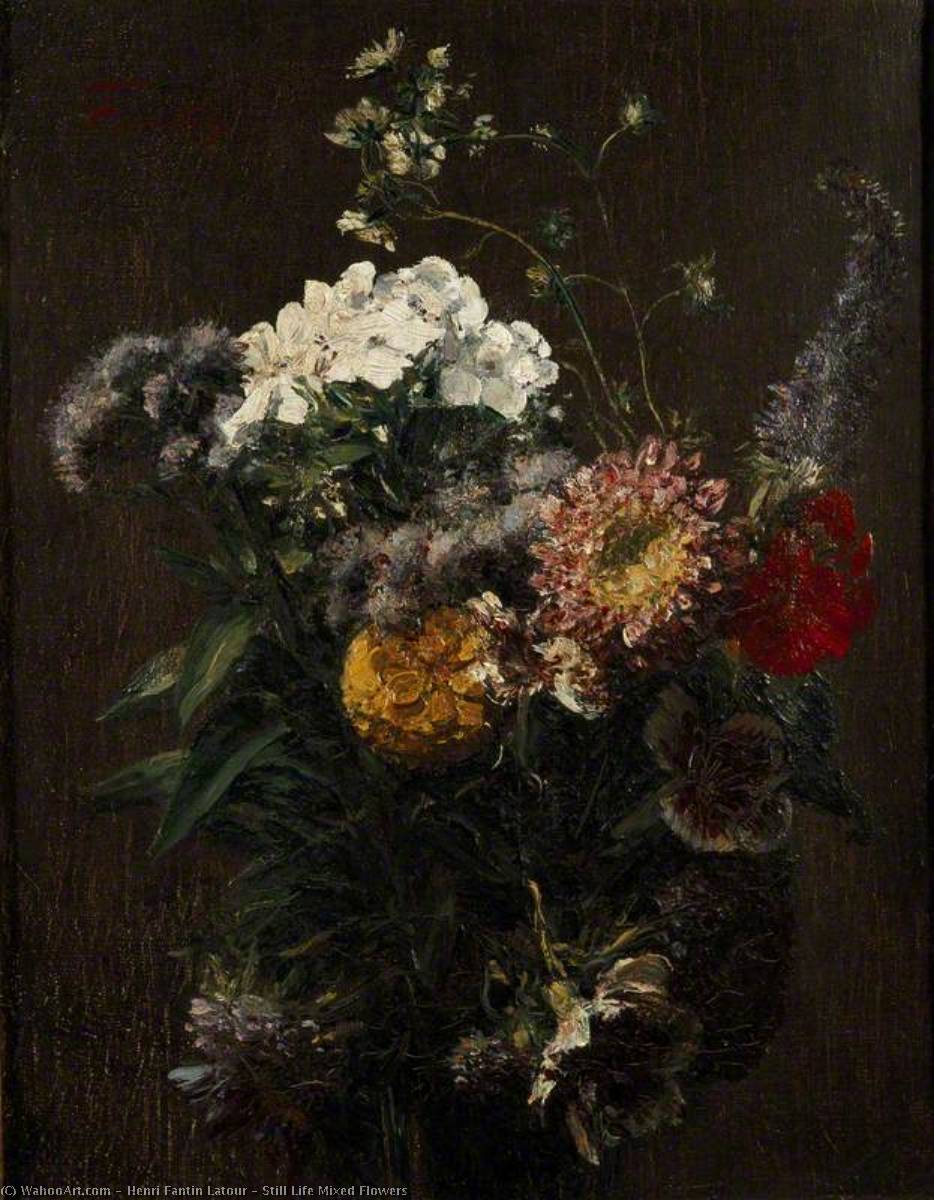
Still Life Mixed Flowers
 Oil On Canvas
- WallArt
- Contemporary Realism
 19th Century
 23.0 x 19.0 cm
 Ashmolean Museum of Art and Archaeology
 Weiterlesen
Handgefertigte Ölreproduktion
Handgemaltes Ölgemälde auf Leinwand in Ihrer Wunschgröße und mit Rahmen, auf Bestellung von unseren Künstlern angefertigt. ( Druck bestellen Bild kaufen)




P118B $10

P118H $10

P118W $10

P438Z $10

P508JH $12

P508YH $12

P805H $10

P805Z $10

P919BZ $10

P919G $10

P919XJ $10

P959ZH $10

P968JZ $12

W106C $8

W218G $10

W218JH $8

W218Y $10

W307PJ $10

W316G $10

W316PJ $8

W316Y $10

W398PJ $8

W4111J $10

W500HY $15

W500JH $15

W692G $12

W849H $8

W940BG $15

W953PJ $8




Wählen Sie aus unseren vordefinierten Formaten, die den ursprünglichen Proportionen des Kunstwerks entsprechen.

Sie können Ihre eigenen Maße eingeben, um einen bestimmten Rahmen oder Platz auszufüllen. Wenn die gewählte Größe nicht den Proportionen des Originalbildes entspricht, werden wir das Kunstwerk entweder beschneiden oder das Gemälde durch zusätzliche, handgemalte Elemente erweitern. Ein digitales Mockup wird Ihnen zur Genehmigung zugesandt, bevor die Produktion beginnt.
Bitte beachten Sie, dass die Bildschirmvorschau nicht die tatsächliche Beschneidung oder Erweiterung widerspiegelt. Nur das Mockup zeigt die endgültige Komposition exakt an.
Obwohl Sondermaße verfügbar sind, empfehlen wir, eine Größe aus der vordefinierten Liste zu wählen, um die ursprünglichen Proportionen beizubehalten.
Nach der Bestellung wird das ArtsDot.com-Team dem Kunden Anweisungen per E-Mail zusenden und eine Mockup-Vorschau bereitstellen.
Weltweiter Versand () in nur 3 bis 4 Wochen statt der üblichen 5 Wochen. (21 August). Keine Kompromisse bei der Qualität.

Kostenloser weltweiter Expressversand

Hochwertige Leinenleinwand

Umfassender Versicherungsschutz beim Versand

Zollgebühren-Rückerstattungsgarantie

Garantie für exakte Farbtreue

60 Tage Rückgaberecht (nur bei Mängeln)

100% Geld-zurück-Garantie

Mengenrabatt verfügbar
 Die Glasoption ist nur für Größen unter 110 cm verfügbar.

Still Life Mixed Flowers
Art der Reproduktion
Format der Reproduktion
-


Gesamtpreis
$ 263
Beschreibung des Kunstwerks
A Delicate Symphony of Color and Form: Exploring Henri Fantin-Latour’s “Still Life Mixed Flowers”
Henri Fantin-Latour's "Still Life Mixed Flowers," completed in 1887, stands as a quintessential embodiment of Realism within the broader artistic landscape of its time. More than merely depicting flowers—a subject favored by artists throughout history—Fantin-Latour elevates it to an exploration of beauty itself, capturing not just what is seen but also conveying a profound sense of emotion and contemplation. The painting resides in the Ashmolean Museum of Art and Archaeology in Oxford, United Kingdom, measuring 23 x 19 cm and executed with meticulous precision on canvas using oil paints. Fantin-Latour’s artistic journey began under the tutelage of Horace Lecoq de Boisbaudran at the École des Beaux-Arts, where he championed a revolutionary approach to drawing—one that prioritized observation from memory over slavish imitation of masterworks. This formative influence instilled in him an unwavering commitment to capturing the essence of his subjects with remarkable accuracy and subtlety. He spent considerable time studying Old Masters at the Louvre, absorbing their techniques and compositional strategies, demonstrating a dedication to artistic excellence that would permeate his entire oeuvre. The composition itself is deceptively simple: a vase overflowing with an assortment of blossoms—primarily white roses interspersed with vibrant red blooms—dominates the canvas. Fantin-Latour’s masterful handling of light and shadow imbues the painting with depth and dimensionality, guiding the viewer's gaze across the surface and highlighting the intricate textures of each petal and leaf. The dark background serves to accentuate the luminous colors of the flowers, creating a visual harmony that is both aesthetically pleasing and intellectually stimulating. Beyond its formal qualities, “Still Life Mixed Flowers” resonates deeply with symbolic meaning. White roses traditionally represent purity and innocence, while red blossoms symbolize passion and vitality—elements skillfully interwoven within the floral arrangement. Fantin-Latour’s deliberate choice of color palette reflects a broader trend toward Impressionistic influences during his era, signaling a move away from academic conventions towards capturing fleeting moments of sensory experience. The painting invites viewers to consider not just what is seen but also what it evokes – a quiet appreciation for the ephemeral beauty of nature and its capacity to inspire contemplation. Fantin-Latour’s unwavering dedication to detail—evident in every brushstroke—is testament to his artistic vision. He meticulously rendered each flower with painstaking precision, capturing its form, color, and texture with breathtaking realism. This technique aligns perfectly with the principles of Realism, which sought to depict subjects truthfully without embellishment or idealization. The resulting artwork is a timeless masterpiece that continues to captivate audiences today, securing Fantin-Latour’s place as one of the most influential painters of his generation.- Artist: Henri Fantin-Latour
- Born Year: 1836
- Death Year: 1904
- Birth City: Grenoble
- Birth Country: France
- Location: Ashmolean Museum of Art and Archaeology, Oxford
- Dimensions: 23 x 19 cm
- Medium: Oil on Canvas
Ähnliche Kunstwerke
Über den Künstler
Frühes Leben und Ausbildung
Henri Fantin-Latour, ein renommierter französischer Maler und Lithograph, wurde am 14. Januar 1836 in Grenoble, Isère geboren. Als junger Mann erhielt er Zeichenunterricht von seinem Vater, der ebenfalls Künstler war. Im Jahr 1850 trat er in die École de Dessin ein, wo er bei Lecocq de Boisbaudran studierte.Künstlerische Karriere
Nach dem Studium an der École des Beaux-Arts in Paris ab 1854 widmete sich Fantin-Latour viel Zeit dem Kopieren der Werke alter Meister im Musée du Louvre. Obwohl er befreundet war mit mehreren jungen Künstlern, die später mit dem Impressionismus in Verbindung gebracht wurden, darunter Whistler und Manet, blieb Fantins eigener Stil konservativ.Wichtige Werke und Ausstellungen
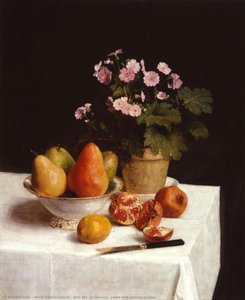
- Stillleben, Primeln, Birnen und Promenaden, 1873
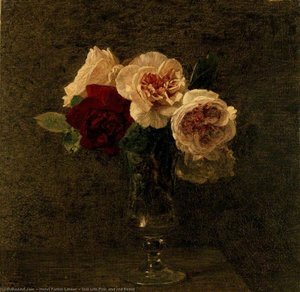
- Vase mit Rosen, 1875
- La Lecture (Das Lesen), 1877, Musée des Beaux-Arts de Lyon
- Porträt von Charlotte Dubourg, 1882, Paris, Musée d'Orsay
Vermächtnis und Späteres Leben
Im Jahr 1875 heiratete Henri Fantin-Latour die ebenfalls malende Victoria Dubourg. Er verbrachte seine Sommer auf dem Landgut seiner Schwiegerfamilie in Buré, Orne in der Normandie. Dort starb er am 25. August 1904 und wurde im Cimetière du Montparnasse in Paris beigesetzt.Symbolismus und Realismus in der Kunst von Henri Fantin-Latour
Fantin-Lateurs Werk, das durch seinen konservativen Stil gekennzeichnet ist, spiegelt die einzigartige Mischung des Künstlers aus symbolistischen und realistischen Einflüssen wider. Seine Stilllebenmalereien, wie zum Beispiel Stillleben mit Blumen und Früchten, 1865, zeugen von seiner Meisterschaft in Farbe und Komposition. Als bedeutende Figur im Übergang vom Realismus zum Impressionismus inspiriert Fantin-Lateurs Vermächtnis weiterhin Künstler und Kunstliebhaber gleichermaßen.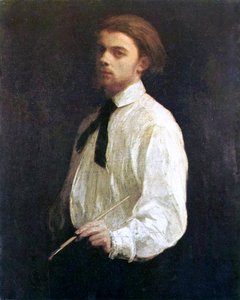
Henri Fantin-Latour
1836 - 1904 , Frankreich
Kurzinfos
- Bemerkenswerte Kunstwerke:
- Stillleben mit Primeln und Birnen
- Vase mit Rosen
- La Lecture
- Porträt von Charlotte Dubourg
- Geburtsdatum: 14. Januar 1836
- Geburtsort (Stadt, Land): Grenoble, Frankreich
- Künstler Oder Bewegungen, Die Von Diesem Künstler Beeinflusst Wurden: ['Impressionismus']
- Künstler, Die Diesen Künstler Beeinflussten: ['Old Masters (Musée du Louvre)']
- Künstlerische Bewegung Oder Stil: Realismus, Symbolismus
- Nationalität: Französisch
- Sterbedatum: 25. August 1904
- Vollständiger Name: Henri Fantin-Latour
Ähnliche Artikel
Henri Fantin-Latour: Poetische Realität zwischen Stillleben und der Pariser Avantgarde
Entdecken Sie Henri Fantin-Latours poetische Realität! Analysieren Sie seine Stillleben, Porträts und die Verbindung zur Pariser Bohème. Expertenwissen & Hintergrundinformationen auf ArtsDot.
Silent Narratives: Exploring the Enduring Appeal of Still Life Painting Across Centuries
Explore the rich history of still life painting with ArtsDot. Discover Dutch Masters, decode vanitas symbolism & learn about collecting timeless art. Expert insights and museum-quality reproductions.

The Enduring Legacy of Oil on Canvas: Technique, History & Aesthetic Impact
Explore the rich history & techniques of oil painting – from Renaissance masters to Impressionism. Discover pigments, layering methods, and why this timeless medium endures. Expert insights for artists & art enthusiasts.
Blossoming Symbolism: A Historical Journey Through Flowers in Western Painting
Explore the rich history of flower symbolism in Western painting! Discover how artists from the Renaissance to Modernism used blossoms to convey meaning, emotion & beauty. Learn about iconic artworks and movements.

Öl auf Leinwand: Eine historische und technische Erkundung eines zeitlosen künstlerischen Mediums
Entdecken Sie die faszinierende Welt der Ölmalerei! Von historischen Techniken bis zur modernen Anwendung – wir bieten Expertenwissen, Restaurierungstipps und hochwertige Reproduktionen. Jetzt informieren!