 Vorschau anzeigen
 Versenden
 Teilen
 Details anzeigen

 Herunterladen
 Ähnliche Objekte
 Röntgenaufnahme
 Diashow
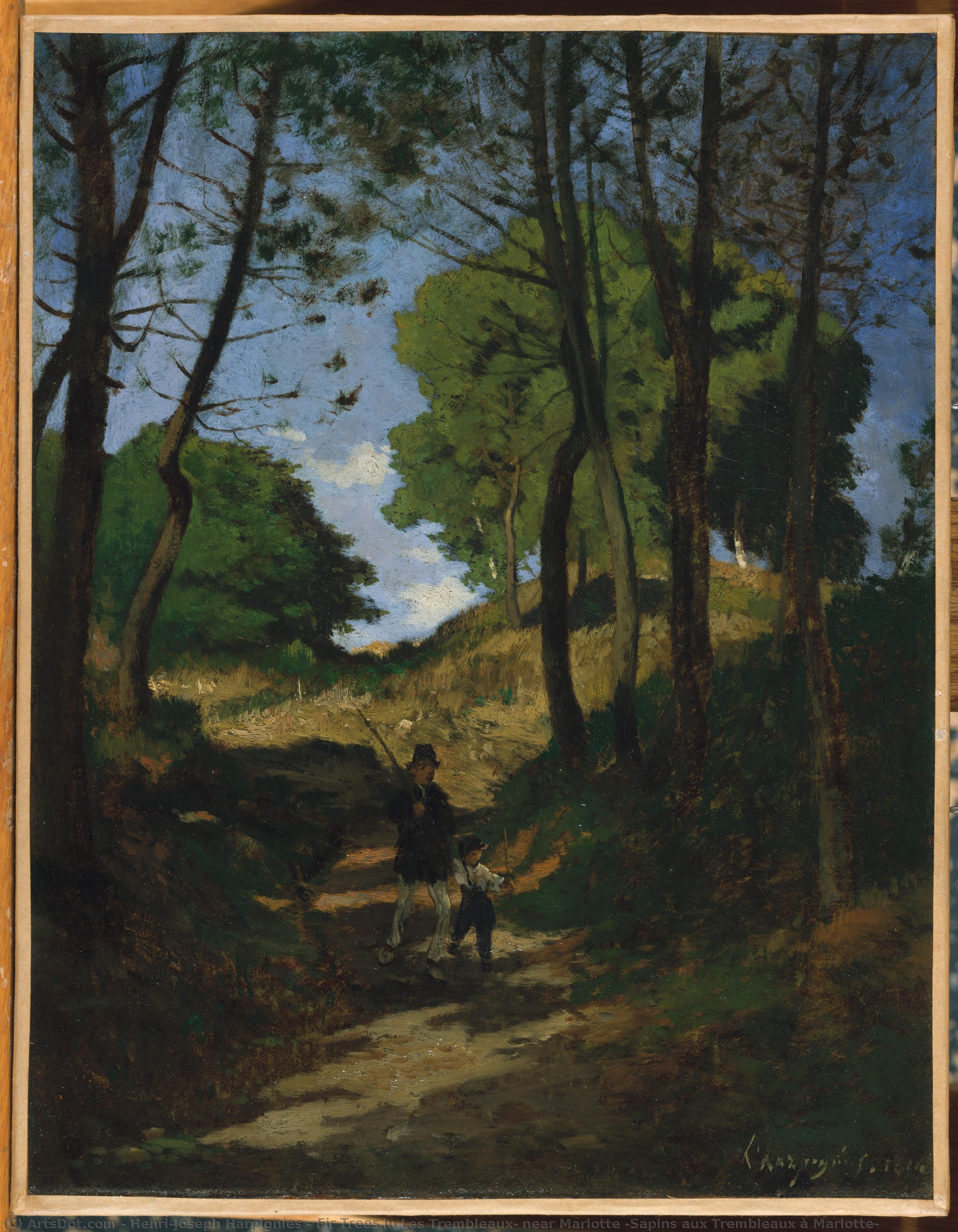
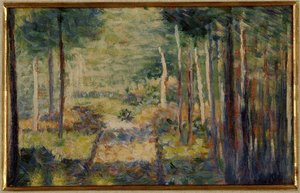
Fir Trees in Les Trembleaux, near Marlotte (Sapins aux Trembleaux à Marlotte)
 Acrylic On Canvas
- WallArt
- Barbizon School
 1854
1854 41.0 x 32.0 cm
 Metropolitan Museum of Art
 Weiterlesen
Handgefertigte Ölreproduktion
Handgemaltes Ölgemälde auf Leinwand in Ihrer Wunschgröße und mit Rahmen, auf Bestellung von unseren Künstlern angefertigt. ( Druck bestellen Bild kaufen)




P118B $10

P118H $10

P118W $10

P438Z $10

P508JH $12

P508YH $12

P805H $10

P805Z $10

P919BZ $10

P919G $10

P919XJ $10

P959ZH $10

P968JZ $12

W106C $8

W218G $10

W218JH $8

W218Y $10

W307PJ $10

W316G $10

W316PJ $8

W316Y $10

W398PJ $8

W4111J $10

W500HY $15

W500JH $15

W692G $12

W849H $8

W940BG $15

W953PJ $8




Wählen Sie aus unseren vordefinierten Formaten, die den ursprünglichen Proportionen des Kunstwerks entsprechen.

Sie können Ihre eigenen Maße eingeben, um einen bestimmten Rahmen oder Platz auszufüllen. Wenn die gewählte Größe nicht den Proportionen des Originalbildes entspricht, werden wir das Kunstwerk entweder beschneiden oder das Gemälde durch zusätzliche, handgemalte Elemente erweitern. Ein digitales Mockup wird Ihnen zur Genehmigung zugesandt, bevor die Produktion beginnt.
Bitte beachten Sie, dass die Bildschirmvorschau nicht die tatsächliche Beschneidung oder Erweiterung widerspiegelt. Nur das Mockup zeigt die endgültige Komposition exakt an.
Obwohl Sondermaße verfügbar sind, empfehlen wir, eine Größe aus der vordefinierten Liste zu wählen, um die ursprünglichen Proportionen beizubehalten.
Nach der Bestellung wird das ArtsDot.com-Team dem Kunden Anweisungen per E-Mail zusenden und eine Mockup-Vorschau bereitstellen.
Weltweiter Versand () in nur 3 bis 4 Wochen statt der üblichen 5 Wochen. (4 September). Keine Kompromisse bei der Qualität.

Kostenloser weltweiter Expressversand

Hochwertige Leinenleinwand

Umfassender Versicherungsschutz beim Versand

Zollgebühren-Rückerstattungsgarantie

Garantie für exakte Farbtreue

60 Tage Rückgaberecht (nur bei Mängeln)

100% Geld-zurück-Garantie

Mengenrabatt verfügbar
 Die Glasoption ist nur für Größen unter 110 cm verfügbar.

Fir Trees in Les Trembleaux, near Marlotte (Sapins aux Trembleaux à Marlotte)
Art der Reproduktion
Format der Reproduktion
-


Gesamtpreis
$ 263
A Woodland Reverie: Henri-Joseph Harpignies’ “Fir Trees in Les Trembleaux”
Henri-Joseph Harpignies' "Fir Trees in Les Trembleaux, near Marlotte" is more than a landscape painting; it’s an invitation into a hushed sanctuary of the French countryside. Completed in 1854, this vertically oriented work captures a fleeting moment within the Forest of Fontainebleau, a region steeped in artistic tradition and profoundly influential on generations of painters. It's a piece that speaks to the Romantic ideal of nature as both sublime and deeply personal, offering a glimpse into the artist’s meticulous observation and his ability to translate it onto canvas with remarkable sensitivity.
The painting immediately draws the eye with its masterful use of light and shadow. Harpignies, a key figure in the Barbizon School, eschewed the polished surfaces and historical subjects favored by the established Salon painters. Instead, he embraced *plein air* painting – working directly from nature – resulting in a freshness and immediacy rarely found in contemporary art. The golden hour bathes the foreground, illuminating the path winding through the trees and highlighting the figures of a father and son strolling together. This deliberate choice emphasizes the tranquility and connection between man and his surroundings, a core tenet of the Barbizon philosophy.
The Language of Light and Shadow: Technique and Style
Harpignies’ technique is characterized by its loose, expressive brushstrokes – a far cry from the smooth, blended surfaces of academic painting. He employed a broken color approach, layering thin washes of paint to create subtle gradations of tone and texture. This technique not only captures the atmospheric effects of light filtering through the trees but also imbues the landscape with a sense of movement and vitality. The artist’s attention to detail is evident in the meticulously rendered foliage, each pine needle and branch conveying a remarkable sense of realism while simultaneously contributing to the overall impressionistic effect.
The composition itself is carefully constructed. The receding path created by the trees acts as a visual pathway, drawing the viewer into the scene and creating a powerful sense of depth. The verticality of the firs contrasts beautifully with the horizontal expanse of the distant hills, establishing a dynamic balance within the painting. Notice how Harpignies uses color to guide the eye – cooler blues and greens dominate the shaded foreground, gradually transitioning to warmer yellows and oranges in the background, creating a harmonious and visually engaging experience.
A Barbizon Vision: Context and Symbolism
“Fir Trees in Les Trembleaux” is firmly rooted within the Barbizon School’s artistic principles. The Barbizon painters sought to depict nature as it truly was – unidealized, untamed, and imbued with a sense of timelessness. They rejected the artificiality of studio painting and embraced the challenges of working outdoors, often in inclement weather. This commitment to direct observation is evident throughout Harpignies’ work, particularly in his ability to capture the subtle nuances of light and atmosphere.
The inclusion of the father and son walking through the forest adds a layer of symbolic meaning to the painting. It represents a connection to nature, a celebration of family, and perhaps even a reflection on the cyclical rhythms of life. The path itself can be interpreted as a metaphor for the journey of self-discovery, inviting the viewer to contemplate their own relationship with the natural world. The scene evokes a sense of nostalgia and peace – a reminder of simpler times spent in communion with nature.
A Timeless Masterpiece: Emotional Impact and Legacy
“Fir Trees in Les Trembleaux” is not merely a beautiful landscape; it’s an emotionally resonant work that continues to captivate viewers today. Harpignies' ability to evoke a sense of tranquility, wonder, and connection with nature speaks to the enduring power of art to transport us beyond our everyday lives. The painting’s luminous quality, combined with its masterful technique and evocative symbolism, makes it a truly timeless masterpiece.
Reproductions of this work offer an exceptional opportunity to bring the serenity of the Forest of Fontainebleau into your home or office. The rich colors and textured brushstrokes are faithfully reproduced, allowing you to experience the full beauty and emotional impact of Harpignies’ original vision. It's a piece that will undoubtedly become a cherished addition to any art collection.
Ähnliche Kunstwerke
Über den Künstler
Henri-Joseph Harpignies: Ein Leben in der Landschaft
Frühes Leben und Ausbildung
Geboren am 28. Juni 1819 in Valenciennes, Frankreich, Henri-Joseph Harpignies sah sich zunächst den Erwartungen seiner Eltern ausgesetzt, eine Geschäftskarriere zu verfolgen. Doch seine Leidenschaft für die Kunst war zu stark, um sie zu ignorieren. Von belgischer Herkunft, wurden die anfänglichen Pläne seiner Familie zugunsten seines Engagements für die Kunst aufgegeben. Mit zwanzigundsieben Jahren begann er formell sein künstlerisches Studium in Paris und trat in das Atelier von Jean Achard ein. Diese grundlegende Periode konzentrierte sich auf die Entwicklung solider Zeichenfähigkeiten – ein entscheidender Aspekt, der weiterhin zentral für Harpignies’ Werk war.
Die Barbizon-Schule und italienischer Einfluss
Nach zwei Jahren unter Achards Betreuung unternahm Harpignies im Jahr 1848 eine entscheidende Reise nach Italien. Diese Erfahrung prägte seine künstlerische Vision nachhaltig. Nach seiner Rückkehr im Jahr 1850 kam er mit den führenden Figuren der Barbizon-Schule in Kontakt, darunter Jean-Baptiste-Camille Corot. Die Betonung der Barbizon-Maler auf direkter Naturbeobachtung und ihrer realistischen Darstellung des ländlichen Lebens resonierte tief bei Harpignies. Im Jahr 1860 festigte er seine künstlerische Verbindung mit Corot durch eine gemeinsame Reise nach Italien.
Künstlerische Entwicklung und Stil
Harpignies’ Stil ist durch seine ruhige und idyllische Darstellung des französischen Landes geprägt. Er fischte die subtilen Nuancen von Licht und Atmosphäre ein und schuf Landschaften, die einen Sinn für Ruhe und Harmonie hervorrufen. Seine Technik umfasste sorgfältige Beobachtung in Kombination mit einem verfeinerten Verständnis der Komposition. Obwohl er vom Realismus der Barbizon-Schule beeinflusst war, entwickelte Harpignies seine eigene Stimme und integrierte oft eine poetische Sensibilität in seine Arbeit.
Bekannte Werke
- Soir sur les bords de la Loire (Abend am Ufer der Loire) – 1861: Ein typisches Beispiel für seine atmosphärischen Landschaften, das die Schönheit des Loire-Tals zeigt.
- Les corbeaux (Die Raben) – 1865: Demonstriert seine Fähigkeit, Stimmung und Details in einer natürlichen Umgebung einzufangen.
- Le soir (Abend) – 1866: Eine fesselnde Darstellung der ruhigen Schönheit des Dämmerns.
- La loire (Die Loire) – 1882: Eine weitere beeindruckende Darstellung des Loire-Flusses, die seine Meisterschaft im Umgang mit Licht und Wasser hervorhebt.
- Vue de Saint-Privé (Ansicht von Saint-Privé) – 1883: Eine malerische Szene, die ein charmantes französisches Dorf zeigt.
Vermächtnis und Einfluss
Harpignies’ künstlerisches Vermächtnis erstreckt sich über seine eigenen Gemälde hinaus. Er war ein engagierter Lehrer, der sein Wissen und seine Fähigkeiten an zahlreiche Studenten weitergab, darunter Émile Appay (1876-1935) und James Wilson Morrice (1865-1924). Sein Einfluss ist in der Entwicklung der französischen Landschaftsmalerei im späten 19. und frühen 20. Jahrhundert zu sehen. Er festigte die Bedeutung der Barbizon-Schule für nachfolgende Generationen von Künstlern. Er starb 1916 und hinterließ ein reiches künstlerisches Vermächtnis, das bis heute inspiriert und fesselt. Seine Gemälde werden in bedeutenden Museumssammlungen aufbewahrt, darunter das Musée des Beaux-Arts Valence, was seine dauerhafte Anerkennung als Meister der Landschaftskunst sicherstellt.
Historische Bedeutung
Henri-Joseph Harpignies nimmt einen wichtigen Platz in der Geschichte der französischen Landschaftsmalerei ein. Sein Werk spiegelt eine tiefe Wertschätzung für die Natur und das Engagement für deren Schönheit mit Ehrlichkeit und Sensibilität einzufangen wider. Er starb 1916 und hinterließ ein reiches künstlerisches Vermächtnis, das bis heute inspiriert und fesselt. Seine Gemälde werden in bedeutenden Museumssammlungen aufbewahrt, darunter das Musée des Beaux-Arts Valence, was seine dauerhafte Anerkennung als Meister der Landschaftskunst sicherstellt.
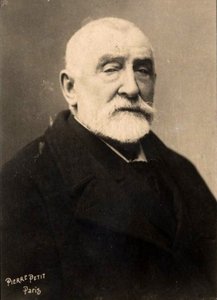
Henri-Joseph Harpignies
1819 - 1916 , Frankreich
Kurzinfos
- Artistic Movement Or Style: Barbizon Schule
- Artists Or Movements Influenced By This Artist: ['Corot']
- Artists Who Influenced This Artist: ['Jean Achard']
- Date Of Birth: 28. Juni 1819
- Date Of Death: 28. August 1916
- Full Name: Henri Joseph Harpignies
- Nationality: Französisch
- Notable Artworks:
- Soir sur les bords de la Loire
- Les Corbeaux
- Le Soir
- Le Saut-du-Loup
- La Loire
- Place Of Birth: Valenciennes, Frankreich
Ähnliche Artikel
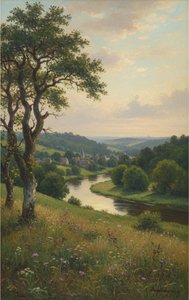
Henri-Joseph Harpignies: Capturing the Poetic Essence of the French Landscape
Explore the serene landscapes of Henri-Joseph Harpignies, a master of the Barbizon School. Discover his atmospheric paintings, recurring themes & enduring legacy in 19th-century French art. Learn more at ArtsDot.
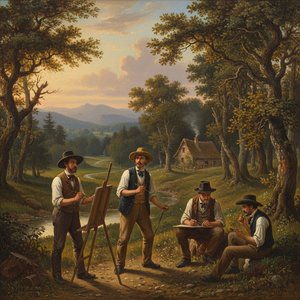
The Barbizon School: Pioneering Realism & the Pastoral Vision in 19th-Century French Painting
Explore the Barbizon School's pivotal role in 19th-century French painting. Discover how these artists revolutionized landscape art with their commitment to Realism and a profound connection to nature. Learn about key figures like Rousseau, Millet & Corot.
Arboreal Echoes: A Historical & Artistic Exploration of Trees in Painting
Explore the rich history of trees in painting! Discover symbolism, Romantic masterpieces by Caspar David Friedrich & beyond. A curated journey for art enthusiasts.
Arboreal Echoes: A Historical & Artistic Exploration of Trees in Painting
Explore the rich history of trees in painting! Discover symbolism, Romantic masterpieces by Caspar David Friedrich & beyond. A curated journey for art enthusiasts.
The Enchanted Canopy: Exploring Forests in Art History – From Romantic Idealization to Ecological Consciousness
Explore the rich history of forests in art! Discover Romantic masterpieces by Friedrich & Monet, Symbolist depths, and contemporary visions. Find inspiration & quality reproductions at ArtsDot.