

 Vorschau anzeigen
 Versenden
 Teilen
 Details anzeigen

 Herunterladen
 Ähnliche Objekte
 Röntgenaufnahme
 Diashow
 Statistiken
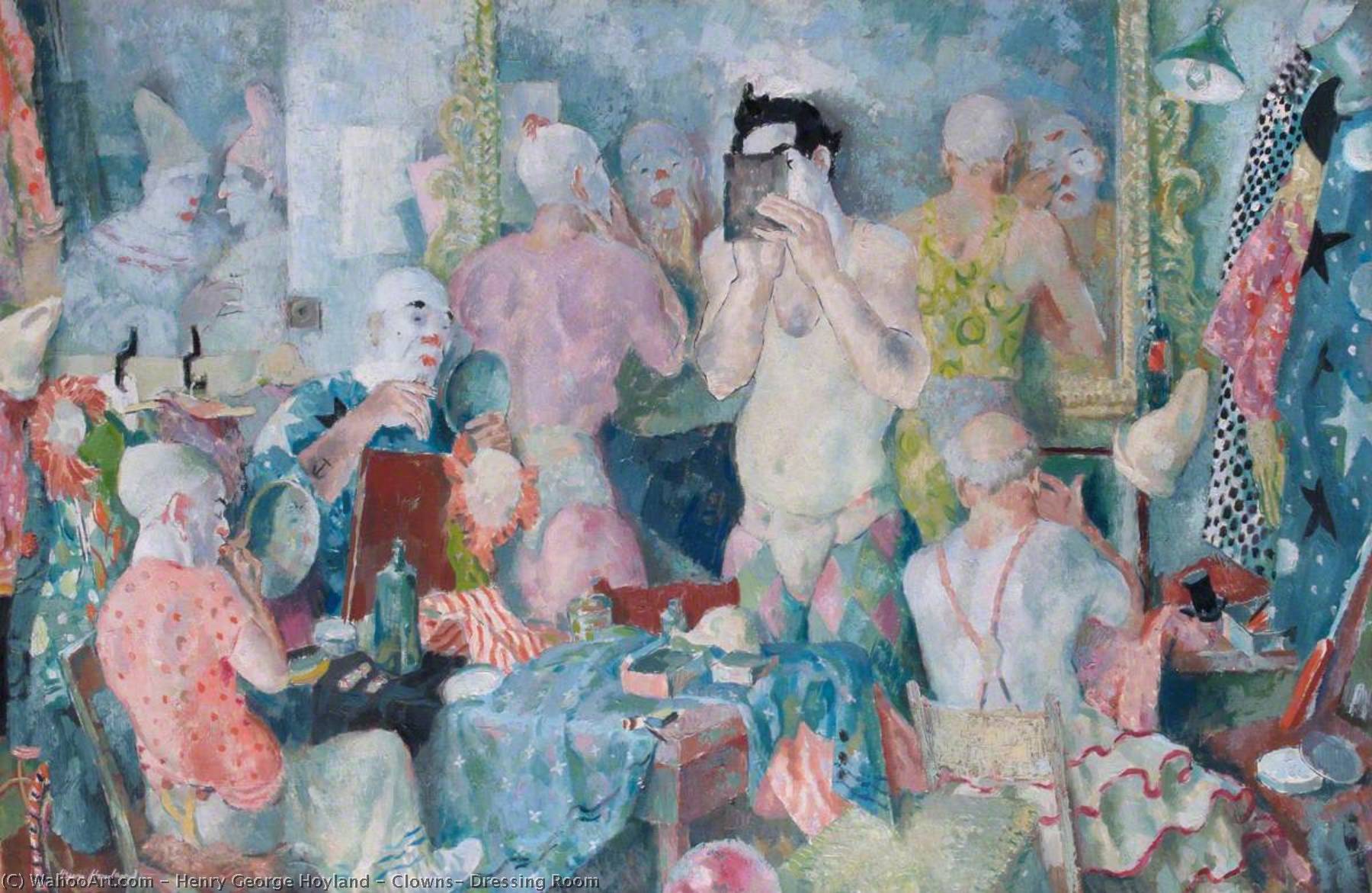
Clowns' Dressing Room
 1940
1940 68.0 x 102.0 cm
 Weiterlesen
Erwerben Sie ein hochauflösendes, optimiertes digitales Bild, das der Online-Vorschau weit überlegen ist.
Jede Datei wird von unseren hauseigenen Spezialisten mit modernsten Werkzeugen und fachmännischer manueller Retusche sorgfältig vorbereitet. Wir stellen sicher, dass jedes Bild eine außergewöhnliche Klarheit, präzise Farbgenauigkeit und feinste Details aufweist.
Die endgültige Datei wird innerhalb von 72 Stunden per E-Mail zugestellt und ist für den sofortigen Einsatz in professionellen, redaktionellen und Druckumgebungen optimiert. Es handelt sich um dieselbe Qualität, der führende Designstudios, Verlage und Galerien vertrauen.
Digitales Bild
Laden Sie eine hochauflösende Datei für die persönliche Präsentation, den Druck und kreative Projekte herunter. ( Zu Druck wechseln Handgemalte Reproduktion bestellen)
In jeder Bestellung digitaler Bilder enthalten
Professionelle digitale Bereitstellung, garantiert
Wenn Sie sich für ArtsDot.com entscheiden, erhalten Sie nicht nur ein Bild – Sie erhalten ein professionell aufbereitetes digitales Kunstwerk, das mit höchster Präzision erstellt und durch eine Zufriedenheitsgarantie abgesichert wird. Hier ist alles, was automatisch mit Ihrer Bestellung geliefert wird:

Schnelle E-Mail-Zustellung
Ihre hochauflösende digitale Bilddatei wird Ihnen innerhalb von 72 Stunden nach der Bestellung per E-Mail zugestellt – bereit zur sofortigen Verwendung.

KI-optimierte digitale Datei
Ihre Kunstwerke werden professionell mithilfe fortschrittlicher KI-Tools und manueller Bearbeitung optimiert, um maximale Detailtreue, Klarheit und Farbgenauigkeit zu gewährleisten.

Lebenslanger kostenloser Neudruckservice
Datei versehentlich gelöscht oder verloren? Keine Sorge – wir senden sie Ihnen jederzeit kostenlos erneut zu.

Keine Einfuhrgebühren – jemals
Genießen Sie Ihr Kunstwerk sofort ohne Zollgebühren, Einfuhrabgaben oder Versandkosten – digitale Downloads sind immer steuerfrei.

Garantierte Farbtreue
Wir garantieren, dass Ihr digitales Bild mithilfe professioneller Werkzeuge und Farbmanagement die Originalfarben so präzise wie möglich wiedergibt.

100-Tage-Zufriedenheitsgarantie
Wenn Sie mit Ihrem digitalen Bild nicht zufrieden sind, werden wir es überarbeiten oder 100% innerhalb von 100 Tagen erstatten – ohne Wenn und Aber.

100% Geld-zurück-Garantie
Nicht zufrieden? Erhalten Sie innerhalb von 100 Tagen nach Erhalt Ihrer digitalen Datei eine vollständige Rückerstattung – ohne Wenn und Aber.

Rabatte bei Großbestellungen
3 Bilder kaufen, 10% sparen – 5 Bilder kaufen, 15% sparen – Ab 10 Bildern 20% sparen. Ideal für kreative Projekte, Galerien und Agenturen.
A Glimpse into the Artist's World
Henry George Hoyland's work is a testament to his fascination with the human experience. In Clowns' Dressing Room, he invites viewers to step into a vibrant and lively setting, where clowns and other performers prepare for their acts. The painting is a kaleidoscope of colors, with bold brushstrokes and textures that add depth and emotion to the scene. Key elements of the painting include the use of warm colors, which create a sense of comfort and intimacy, and the depiction of clowns in various states of preparation, from applying makeup to adjusting their costumes. The Royal Academy of Arts is renowned for its extensive collection of artworks, and Clowns' Dressing Room is a notable example of the artist's contribution to the world of art.Exploring Similar Works
For those interested in exploring similar works, Henry George Hoyland's "Clowns' Dressing Room" is a great starting point. Other notable works include Antonio Ferrigno's Rua 25 de março, which can be found on ArtsDot.com. Additionally, Theophrastos Triantafyllidis' Nannies in the National Garden and Pavel Filonov's Faces are also worth exploring.The world of art is full of hidden gems, and Henry George Hoyland's Clowns' Dressing Room is a testament to the power of creativity and imagination. As a masterpiece of oil painting, it continues to inspire and captivate audiences today. For those interested in learning more about the artist and his work, ArtsDot.com offers a wealth of information and resources.
Ähnliche Kunstwerke







Biografie des Künstlers
Henry George Hoyland: A Quiet Observer of British Life
Henry George Hoyland (January 1895 – October 29, 1947) remains a somewhat enigmatic figure in the annals of British Impressionism. Born in Sheffield, Yorkshire, his artistic journey unfolded against the backdrop of a rapidly changing nation—a period marked by both fervent optimism and looming anxieties about the impending Second World War. While not achieving the widespread fame enjoyed by contemporaries like Walter Sickert or Stanley Spencer, Hoyland carved out a distinctive niche within the art world, producing evocative landscapes and portraits that capture subtle nuances of everyday life and imbued with an understated emotional resonance.- Early Life and Education: Hoyland’s formative years were spent in Sheffield, where he absorbed the industrial spirit of his surroundings—a spirit that would subtly permeate his artistic vision. Studying initially at Sheffield School of Art, followed by stints in London and Paris, provided him with a grounding in traditional techniques alongside exposure to the burgeoning Impressionist movement. This dual influence shaped his approach to painting, blending meticulous observation with expressive brushwork.
- The Influence of Landscape Painting: Hoyland’s landscapes—particularly those depicting Yorkshire countryside—are characterized by a remarkable sensitivity to light and atmosphere. Unlike some Impressionists who sought dramatic effects, Hoyland favored a quieter aesthetic, prioritizing the depiction of serene scenes bathed in soft hues. His canvases convey not merely visual beauty but also a palpable sense of place, reflecting the rhythms of rural life and capturing fleeting moments of tranquility.
- Portraiture and Psychological Depth: Beyond landscapes, Hoyland excelled as a portrait artist. He possessed an uncanny ability to distill the essence of his subjects—often capturing their inner lives with remarkable psychological insight. His portraits are notable for their understated elegance and subtle expressions of emotion, demonstrating Hoyland’s mastery of tonal gradations and capturing fleeting gestures that reveal character.
A Career Dedicated to Art and Teaching
Hoyland's professional life was inextricably linked with his artistic pursuits. He established himself as a respected teacher at Sheffield School of Art from 1921 until 1929, nurturing the talents of aspiring artists and fostering a commitment to artistic excellence. This role instilled in him not only pedagogical skills but also a deep understanding of the creative process—insights that undoubtedly informed his own work. Furthermore, Hoyland’s involvement with organizations like Chelsea Arts Club and the Arts Club cemented his position within the British art community.- Exhibitions and Recognition: Hoyland's paintings graced numerous galleries across Britain, including the Walker Art Gallery in Liverpool and Leeds Gallery. His work was recognized by prestigious institutions such as the Royal Academy and the Society of Graphic Artists, reflecting his unwavering dedication to artistic standards.
- Notable Works: Among Hoyland’s most celebrated pieces are “The First Violins,” a woodcut depicting musicians performing at Sheffield Philharmonic Hall in 1931; portraits of Sir Henry Hadlow, capturing the dignified countenance of a prominent figure; and evocative depictions of circus horses and the Cruft's Dog Show. These paintings exemplify Hoyland’s distinctive style—characterized by meticulous detail combined with expressive brushwork.
A Legacy of Quiet Observation
Henry George Hoyland died in London in 1947, leaving behind a body of work that continues to resonate with admirers. His paintings stand apart from the more flamboyant expressions of Impressionism, prioritizing subtlety and psychological depth over grand spectacle. Hoyland’s legacy resides not in monumental achievements but rather in his unwavering commitment to capturing the beauty of ordinary life—a quiet testament to the power of observation and artistic sensitivity. Today, his canvases reside in museums and private collections across Britain, ensuring that his distinctive vision persists as a reminder of British art's capacity for understated elegance and profound emotional truth.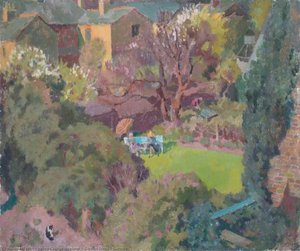
Kurzinfos
- Artistic Movement Or Style: American Impressionism
- Artists Who Influenced This Artist:
- Claude Monet
- Vincent van Gogh
- Date Of Death: 29 October 1947
- Full Name: Henry George Hoyland
- Nationality: British
- Notable Artworks:
- The First Violins
- Sir Henry Hadlow
- A. M. Connell
- The Tub Spinner
- Saint Thomas
- Place Of Birth: Sheffield, England