 Vorschau anzeigen
 Versenden
 Teilen
 Details anzeigen

 Herunterladen
 Ähnliche Objekte
 Röntgenaufnahme
 Diashow
 Statistiken
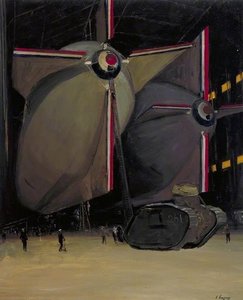
The Overhaul
 Oil
Oil- WallArt
- Contemporary Realism
 1941
1941- Modern
 51.0 x 61.0 cm
 Weiterlesen
Giclée / Kunstdruck
Giclée- oder Leinwanddruck in Museumsqualität mit schneller Produktion und flexiblen Veredelungsoptionen. ( Handgemalte Reproduktion bestellen Zum digitalen Bild wechseln)




P118B $10

P118H $10

P118W $10

P438Z $10

P508JH $12

P508YH $12

P805H $10

P805Z $10

P919BZ $10

P919G $10

P919XJ $10

P959ZH $10

P968JZ $12

W106C $8

W218G $10

W218JH $8

W218Y $10

W307PJ $10

W316G $10

W316PJ $8

W316Y $10

W398PJ $8

W4111J $10

W500HY $15

W500JH $15

W692G $12

W849H $8

W940BG $15

W953PJ $8




Wählen Sie aus unseren vordefinierten Formaten, die den ursprünglichen Proportionen des Kunstwerks entsprechen.

Sie können Ihre eigenen Maße eingeben, um ein bestimmtes Format oder einen speziellen Platz einzupassen. Wenn das von Ihnen gewählte Format nicht den Proportionen des Originalbildes entspricht, werden wir das Kunstwerk entweder beschneiden oder das Bild mit einem gespiegelten oder einfarbigen Rand erweitern. Ein digitaler Entwurf wird Ihnen zur Genehmigung zugesandt, bevor die Produktion beginnt.
Bitte beachten Sie, dass die Vorschau auf dem Bildschirm nicht den tatsächlichen Zuschnitt oder die Erweiterung widerspiegelt. Nur der Entwurf zeigt die endgültige Komposition präzise an.
Obwohl Sondermaße verfügbar sind, empfehlen wir die Auswahl eines Maßes aus der vordefinierten Liste, um die ursprünglichen Proportionen zu bewahren.
Weltweiter Versand () innerhalb von 2 Wochen statt der üblichen 4/5 Wochen. (10 September)

Kostenloser weltweiter Expressversand

Hochwertige Leinenleinwand

Umfassender Versicherungsschutz beim Versand

Zollgebühren-Rückerstattungsgarantie

Garantie für exakte Farbtreue

100-Tage-Rückgaberecht (nur bei Mängeln)

100% Geld-zurück-Garantie

Mengenrabatt verfügbar
 Die Glasoption ist nur für Größen unter 110 cm verfügbar.

The Overhaul
Giclée / Kunstdruck
Format der Reproduktion
-


Gesamtpreis
$ 62
A Symphony of Industry and Human Effort
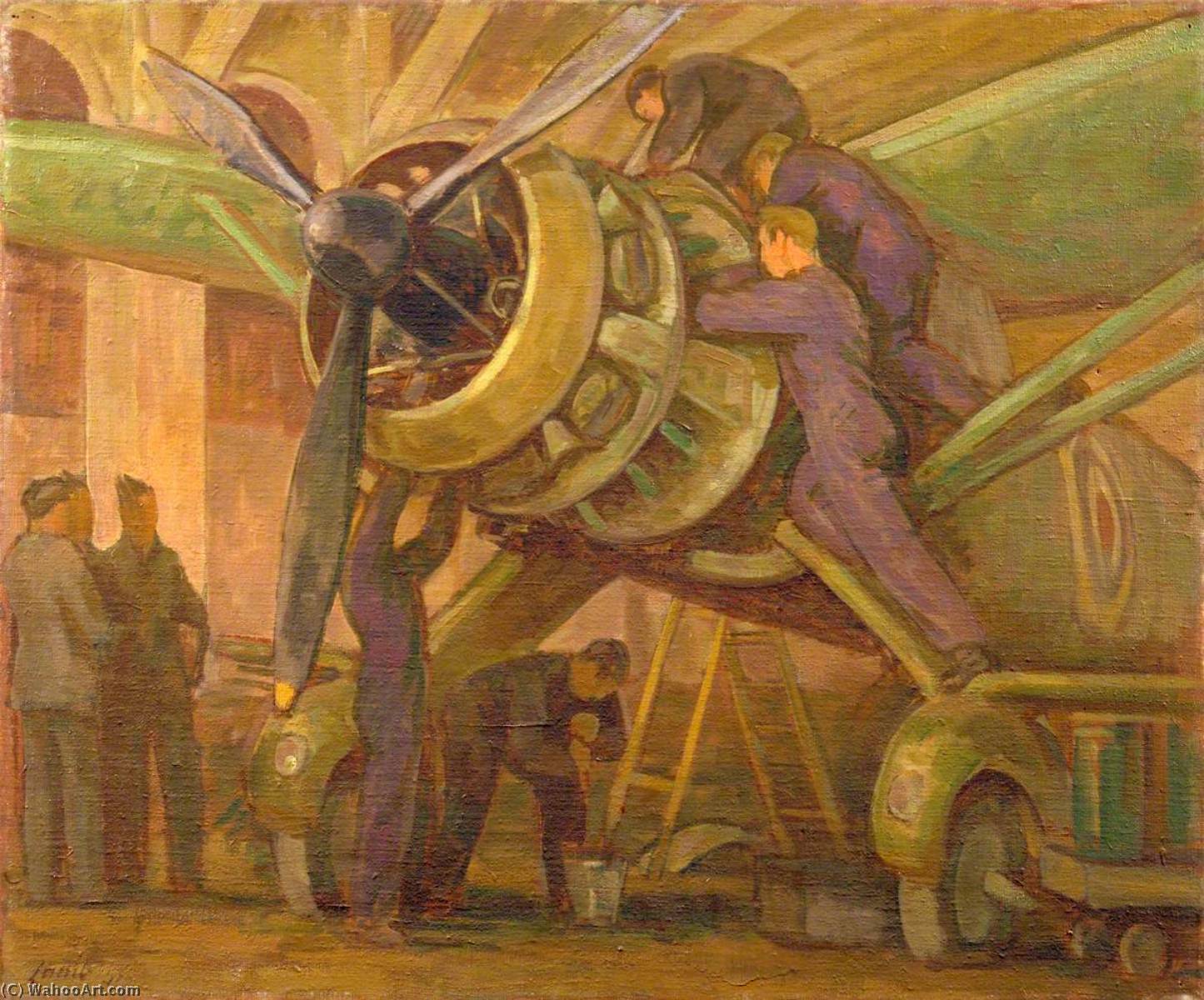
In the evocative oil painting The Overhaul, created in 1941 by the versatile Henry Lamb, we are transported into the heart of a bustling hangar, where the raw energy of wartime industry meets the meticulous precision of human skill. The scene captures a group of mechanics deeply immersed in the complex task of tending to the engine and fuselage of an early aircraft. There is a profound sense of movement within this static frame; the composition is masterfully dynamic, drawing the viewer’s eye through the overlapping figures and the receding planes of the workshop. As we look down upon the scene from a slightly elevated perspective, we feel less like distant observers and more like silent witnesses to a pivotal moment of technological maintenance and preparation.
Lamb utilizes a sophisticated interplay of light and shadow to breathe life into this industrial landscape. A dramatic light source, positioned unseen above and to the left, casts long, purposeful shadows that define the muscularity of the men and the heavy, geometric forms of the machinery. The color palette is a soulful arrangement of earthy tones—deep browns, warm ochres, and muted greens—interspersed with subtle grays and yellows. This choice of color not only anchors the painting in its historical reality but also lends a tactile, weathered quality to the surfaces of metal and fabric, making the atmosphere feel thick with the scent of oil and the weight of heavy labor.
The Artistry of Detail and Texture
Technically, The Overhaul is a triumph of realistic rendering and expressive brushwork. Lamb does not merely paint shapes; he builds textures. Through the careful layering of paint, he achieves a palpable sense of materiality, from the cold, hard surfaces of the propeller and engine components to the softer, more organic textures of the mechanics' clothing. The use of linear perspective is particularly striking in the depiction of the aircraft’s supports and the hangar walls, creating a deep, immersive space that pulls the viewer into the cluttered, fascinating environment of the workshop.
The artist’s hand is visible in every stroke, providing a rhythmic quality to the work that mirrors the industriousness of the subject matter. The geometric precision of the circular propeller and rectangular fuselage contrasts beautifully with the more fluid, organic forms of the human figures, creating a visual tension between man and machine. This technical mastery ensures that the painting remains captivating upon close inspection, revealing new layers of detail and light with every glance.
A Legacy of Progress and Resilience
Beyond its aesthetic brilliance, The Overhaul serves as a poignant historical document. Painted during the height of the Second World War, it captures the spirit of an era defined by rapid technological advancement and the monumental effort required to sustain it. Symbolically, the painting transcends its specific subject matter to represent the broader themes of progress, industrialization, and the indomitable nature of human ingenuity. The focused activity of the mechanics becomes a metaphor for the collective resilience of a society working toward a common goal.
For the discerning collector or interior designer, this piece offers more than just visual beauty; it provides an emotional anchor. It is a work that commands attention through its gravity and scale, making it an ideal centerpiece for spaces that value historical depth and a sense of strength. Whether displayed in a contemporary gallery setting or a classic study, The Overhaul invites contemplation on the intersection of human labor and the machines that define our modern age, leaving an indelible impression of focused, purposeful energy.
Ähnliche Kunstwerke
Über den Künstler
Frühes Leben und Ausbildung
- Geboren: Henry Taylor Lamb, 21. Juni 1883, Adelaide, Australien
- Gestorben: 8. Oktober 1960 (77 Jahre alt), Salisbury, Wiltshire, England
- Eltern: Sir Horace Lamb (Professor für Mathematik an der Universität Adelaide)
- Ausbildung: Manchester Grammar School, Manchester University Medical School, Guy’s Hospital, Chelsea School of Art, Académie de La Palette (Paris)
- Sein frühes Leben wurde maßgeblich von der akademischen Karriere seines Vaters und der Umzug seiner Familie nach England geprägt. Er brach 1906 sein Medizinstudium ab, um sich dem Malen zu widmen. Er studierte unter Augustus John an der Chelsea School of Art. Seine Zeit an der Académie de la Palette führte ihn frühzeitig mit kubistischen Ideen in Berührung.
Künstlerische Karriere und Einflüsse
- Früher Stil: Ursprünglich vom Impressionismus beeinflusst, entwickelte sich Lambs Stil hin zu einem ausdrucksstärkeren Postimpressionismus.
- Wichtige Beziehungen: Heiratete Nina Forrest (später Euphemia Lamb) im Jahr 1906; später heiratete er Lady Pansy Pakenham im Jahr 1928. Seine Beziehungen hatten einen bedeutenden Einfluss auf sein Leben und seine künstlerische Arbeit.
- Camden Town Group & London Group: Gründungsmitglied beider Gruppen, was sein Engagement für die Avantgarde-Kunstbewegung in Großbritannien unterstreicht. Diese Zugehörigkeiten platzierten ihn in einem Kreis einflussreicher Künstler, die den Modernismus erforschten.
- Einflüsse: Augustus John war ein wichtiger Einfluss, der sich in Lambs Porträtstil widerspiegelt. Die frühe Auseinandersetzung mit kubistischen Ideen an der Académie de la Palette prägte seinen Ansatz bezüglich Form und Perspektive.
- Bemerkenswerte Werke: Der Tod eines Bauern (ca. 1910) gilt als sein berühmtestes Werk, das seine Fähigkeit zeigt, rohe Emotionen und Realismus einzufangen. Weitere bedeutende Arbeiten sind Porträts von Lytton Strachey und verschiedenen Militärfiguren während des Ersten Weltkriegs.
Erster Weltkrieg und Kriegskunst
- Militärdienst: Qualifizierte sich als Arzt und diente im Royal Army Medical Corps während des Ersten Weltkriegs, wobei er aktiv an der Westfront und in Palästina kämpfte. Er wurde für seinen Mut mit dem Military Cross ausgezeichnet.
- Kriegskünstler: Vom British War Memorials Committee beauftragt, Irische Truppen auf den Judäischen Hügeln überrascht von einem türkischen Bombardement (1919) zu schaffen, das sich heute im Imperial War Museum befindet.
- Spätere Kriegskommissionen: Im Jahr 1940 zum hauptamtlichen Kriegskünstler beim War Office ernannt und produzierte zahlreiche Porträts und Figurenbilder von Soldaten während des Zweiten Weltkriegs. Diese Werke dokumentierten die Realität des Krieges mit Sensibilität und Geschick.
Stil und Vermächtnis
- Porträtkunst: Lamb ist besonders bekannt für seinen unverwechselbaren Porträtstil, der sich durch langgestreckte Figuren, ausdrucksstarke Pinselstriche und einen Fokus auf die Erfassung psychologischer Tiefe auszeichnet. Seine Porträts vermitteln oft ein Gefühl stiller Intensität und Kontemplation.
- Postimpressionismus & Realismus: Obwohl er von postimpressionistischen Techniken beeinflusst war, zeigt Lambs Werk auch ein starkes Engagement für den Realismus, insbesondere in seinen Darstellungen militärischer Themen.
- Mitgliedschaft im Royal Academy: 1940 zum Associate und 1949 zum Vollmitglied der Royal Academy gewählt, was eine Anerkennung von der etablierten Kunstwelt darstellt.
- Treuhänderrollen: War Treuhänder der National Portrait Gallery (1942-?) und der Tate Gallery (1944-1951), was sein Engagement für die Förderung der britischen Kunst unterstreicht.
- Historische Bedeutung: Lambs Werk bietet wertvolle Einblicke in die frühe 20. Jahrhundert britische Gesellschaft, insbesondere durch seine Porträts von prominenten Persönlichkeiten und seine Dokumentation von Kriegserfahrungen. Seine Beiträge zur Camden Town Group und London Group trugen dazu bei, die Entwicklung der modernen britischen Kunst zu gestalten.
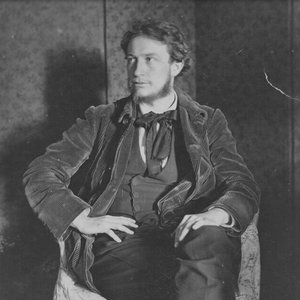
Henry Lamb
1883 - 1960 , Australien
Kurzinfos
- Bemerkenswerte Werke:
- Death of a Peasant
- Irische Truppen im Judäa
- Sergeant Watts, Royal Tank
- The Poor Bloody Infantry
- Geburtsdatum: 21. Juni 1883
- Geburtsort: Adelaide, Australien
- Künstlerische Einflüsse: ['Augustus John']
- Künstlerische Richtung: Post-Impressionismus
- Nationalität: Britisch
- Sterbedatum: 8. Oktober 1960
- Vollständiger Name: Henry Taylor Lamb
Ähnliche Artikel

The Enduring Power of Painting: A Historical & Contemporary Exploration of Form and Emotion
Explore the rich history & enduring techniques of oil painting with ArtsDot. Discover masterpieces, learn about art collecting, and find authentic handmade reproductions crafted by skilled artists.
Henri Matisse: Die 25 Meisterwerke des Farbgenies – Kunst für Ihr Zuhause | ArtsDot
Entdecken Sie die 25 Meisterwerke von Henri Matisse! Tauchen Sie ein in die Welt des Fauvismus, der leuchtenden Farben und ikonischen Formen. Kunstreproduktionen & Inspiration für Ihr Zuhause – exklusiv auf ArtsDot.com.

The Enduring Legacy of Oil on Canvas: Technique, History & Aesthetic Impact
Explore the rich history & techniques of oil painting – from Renaissance masters to Impressionism. Discover pigments, layering methods, and why this timeless medium endures. Expert insights for artists & art enthusiasts.
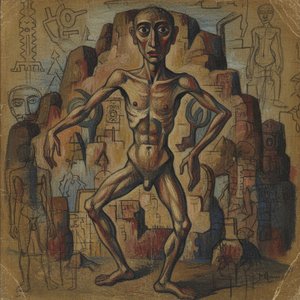
Henry Lamb: Reassessing Modern British Primitivism & the Poetics of Discomfort
Explore the compelling work of Henry Lamb, a key figure in British Primitivism. Discover his unsettling portraits, poignant war art & unique artistic vision. A deep dive into his life and legacy.

Öl auf Leinwand: Eine historische und technische Erkundung eines zeitlosen künstlerischen Mediums
Entdecken Sie die faszinierende Welt der Ölmalerei! Von historischen Techniken bis zur modernen Anwendung – wir bieten Expertenwissen, Restaurierungstipps und hochwertige Reproduktionen. Jetzt informieren!