 Vorschau anzeigen
 Versenden
 Teilen
 Details anzeigen

 Herunterladen
 Ähnliche Objekte
 Röntgenaufnahme
 Diashow
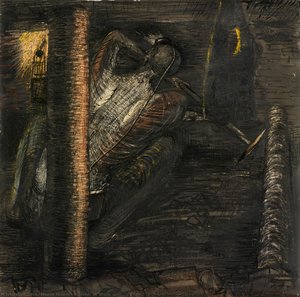
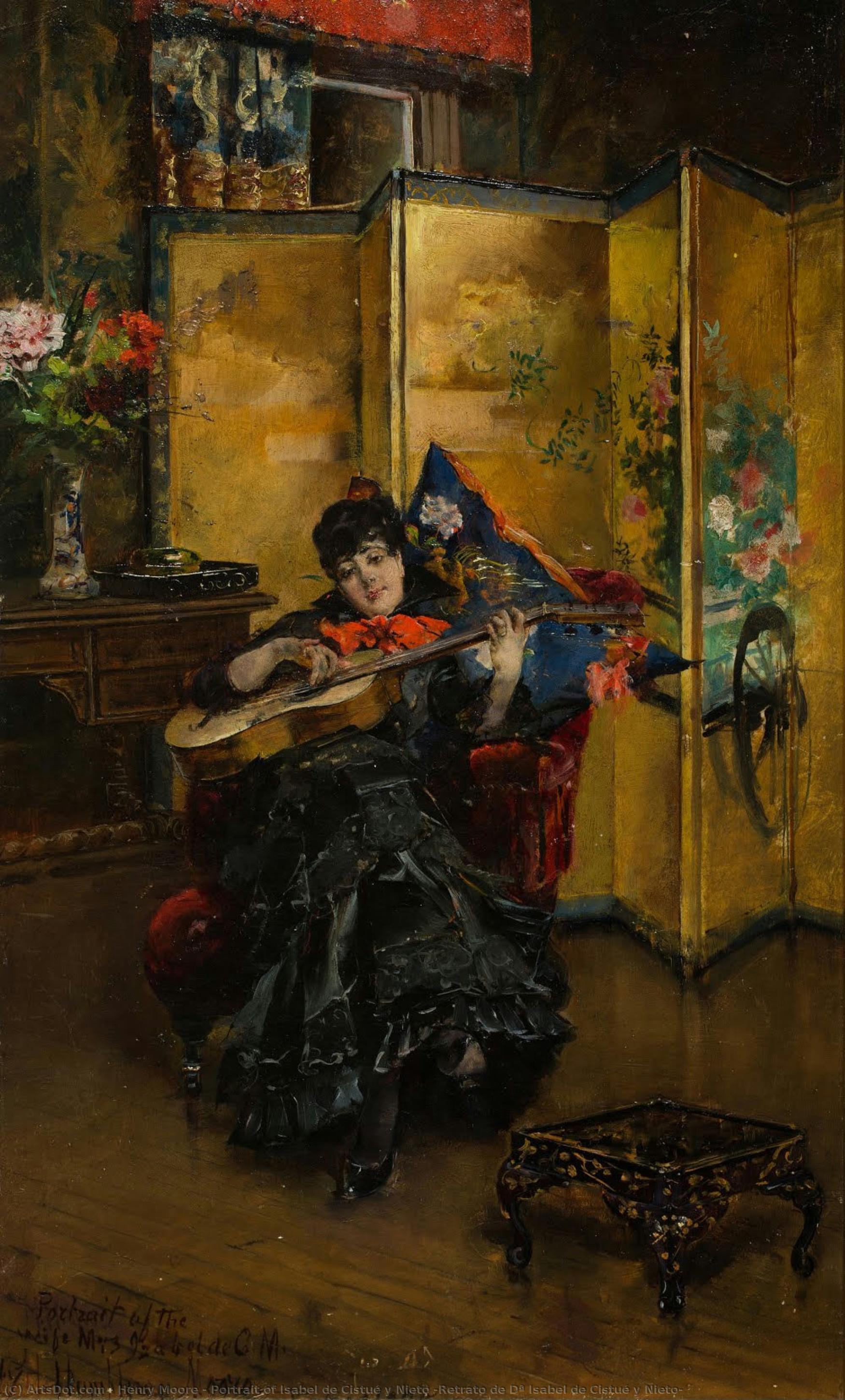
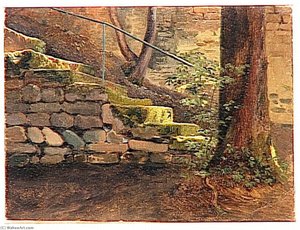
Portrait of Isabel de Cistué y Nieto (Retrato de Dª Isabel de Cistué y Nieto)
 Oil On Panel
- Henry Moore
 21.0 x 36.0 cm
 Zaragoza Museum
 Weiterlesen
Handgefertigte Ölreproduktion
Handgemaltes Ölgemälde auf Leinwand in Ihrer Wunschgröße und mit Rahmen, auf Bestellung von unseren Künstlern angefertigt. ( Druck bestellen Bild kaufen)




P118B $10

P118H $10

P118W $10

P438Z $10

P508JH $12

P508YH $12

P805H $10

P805Z $10

P919BZ $10

P919G $10

P919XJ $10

P959ZH $10

P968JZ $12

W106C $8

W218G $10

W218JH $8

W218Y $10

W307PJ $10

W316G $10

W316PJ $8

W316Y $10

W398PJ $8

W4111J $10

W500HY $15

W500JH $15

W692G $12

W849H $8

W940BG $15

W953PJ $8




Wählen Sie aus unseren vordefinierten Formaten, die den ursprünglichen Proportionen des Kunstwerks entsprechen.

Sie können Ihre eigenen Maße eingeben, um einen bestimmten Rahmen oder Platz auszufüllen. Wenn die gewählte Größe nicht den Proportionen des Originalbildes entspricht, werden wir das Kunstwerk entweder beschneiden oder das Gemälde durch zusätzliche, handgemalte Elemente erweitern. Ein digitales Mockup wird Ihnen zur Genehmigung zugesandt, bevor die Produktion beginnt.
Bitte beachten Sie, dass die Bildschirmvorschau nicht die tatsächliche Beschneidung oder Erweiterung widerspiegelt. Nur das Mockup zeigt die endgültige Komposition exakt an.
Obwohl Sondermaße verfügbar sind, empfehlen wir, eine Größe aus der vordefinierten Liste zu wählen, um die ursprünglichen Proportionen beizubehalten.
Nach der Bestellung wird das ArtsDot.com-Team dem Kunden Anweisungen per E-Mail zusenden und eine Mockup-Vorschau bereitstellen.
Weltweiter Versand () in nur 3 bis 4 Wochen statt der üblichen 5 Wochen. (1 September). Keine Kompromisse bei der Qualität.

Kostenloser weltweiter Expressversand

Hochwertige Leinenleinwand

Umfassender Versicherungsschutz beim Versand

Zollgebühren-Rückerstattungsgarantie

Garantie für exakte Farbtreue

60 Tage Rückgaberecht (nur bei Mängeln)

100% Geld-zurück-Garantie

Mengenrabatt verfügbar
 Die Glasoption ist nur für Größen unter 110 cm verfügbar.

Portrait of Isabel de Cistué y Nieto (Retrato de Dª Isabel de Cistué y Nieto)
Art der Reproduktion
Format der Reproduktion
-


Gesamtpreis
$ 263
The Enigmatic Gaze: Henry Moore’s Portrait of Isabel de Cistué y Nieto
Henry Moore's “Portrait of Isabel de Cistué y Nieto” isn’t merely a depiction of a woman; it’s an intimate exploration of light, form, and the quiet dignity of a life lived within a richly textured world. Painted in 1895, this oil-on-panel work offers a glimpse into the private sphere of a noblewoman – Isabel de Cistué y Nieto – from Aragon, rendered with a sensitivity that transcends simple representation. The painting immediately draws the eye to her face, framed by a cascade of dark hair and shadowed eyes that hold both intelligence and a subtle melancholy. Moore masterfully employs chiaroscuro, utilizing dramatic contrasts between light and shadow to sculpt Isabel’s features and imbue the scene with an almost theatrical quality. This technique wasn't entirely new at the time, but Moore used it in a way that felt uniquely his own – prioritizing mood and atmosphere over photographic realism.
The setting itself is crucial to understanding the portrait’s emotional depth. Isabel sits within a room defined by its oriental influences: a vibrant red wall provides a bold backdrop, while intricate details like vases scattered around suggest an appreciation for decorative arts. The inclusion of these elements hints at Isabel's social standing and her engagement with the aesthetic sensibilities of her era. Noticeably, the room is bathed in soft, diffused light, creating a sense of warmth and tranquility – a deliberate choice that invites the viewer to linger and contemplate the subject’s inner world. The composition feels deliberately restrained; there are no overt displays of wealth or grandeur, focusing instead on the quiet beauty of the individual.
A Master of Form: Moore's Sculptural Approach to Painting
While often celebrated for his monumental bronze sculptures, Henry Moore’s early work reveals a profound understanding of form and space. “Portrait of Isabel de Cistué y Nieto” demonstrates this skill remarkably well. Moore approached painting with the same tactile sensibility he brought to sculpture – an emphasis on three-dimensionality and the interplay of light and shadow. He wasn't interested in creating a flat, static image; instead, he sought to capture the essence of his subject through carefully considered modeling and layering of paint. The way he renders Isabel’s clothing, for instance, isn’t simply painted; it appears to be sculpted from the surface itself, adding volume and depth to the composition.
The influence of Fortuny is evident in the painting's color palette and decorative elements – a Spanish artist known for his evocative use of light and shadow. Moore clearly admired Fortuny’s ability to capture fleeting moments of beauty and emotion, and he adopted this approach in his own work. The subtle gradations of color, the delicate modeling of Isabel’s features, and the overall sense of intimacy all contribute to a powerful emotional impact.
Symbolism and Intimacy: Unpacking the Portrait's Layers
Beyond its technical brilliance, “Portrait of Isabel de Cistué y Nieto” is rich in symbolic meaning. The guitar resting in her hands suggests a cultivated intellect and perhaps a refined sensibility – a woman comfortable with both beauty and intellectual pursuits. The pose itself—seated, relaxed, yet alert—conveys a sense of self-possession and quiet confidence. It’s not a grand, heroic portrait; rather, it's an intimate study of a single individual, revealing her character through subtle gestures and expressions.
Furthermore, the room itself can be interpreted as a reflection of Isabel’s inner world – a space filled with beauty, comfort, and perhaps a hint of melancholy. The oriental details evoke a sense of exoticism and sophistication, while the red wall adds a touch of drama and intensity. Ultimately, Moore's portrait invites us to step into Isabel’s world and contemplate her life, her thoughts, and her enduring presence.
Ähnliche Kunstwerke

Über den Künstler
Frühes Leben und Ausbildung
Moore wurde in Castleford, West Riding von Yorkshire, England, als Sohn von Mary Baker und Raymond Spencer Moore geboren. Sein Vater, ein Autodidakt mit einer Leidenschaft für Musik und Literatur, ermutigte seine Söhne zu formaler Bildung. Henry Moore besuchte die Grund- und Elementarschule in Castleford, wo er begann, Ton zu modellieren und Holz zu schnitzen.Künstlerische Entwicklung und Stil
- Moores früheste dokumentierten Schnitzereien, wie die Plakette für die Scott Society an der Castleford Secondary School, stammen aus seiner frühen Jugend.
- Er übernahm später die Methode des direkten Schnitzens, die zu einem Kennzeichen seines Stils wurde, wie in Werken wie Die Jungfrau mit dem Kind zu sehen ist.
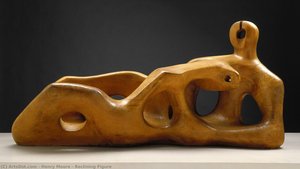
- Moores Formen sind meist Abstraktionen der menschlichen Figur, typischerweise Darstellungen von Mutter-Kind-Motiven oder liegenden Figuren. Viele Interpreten vergleichen die wellenförmige Form seiner liegenden Figuren mit der Landschaft und den Hügeln seines Geburtsortes Yorkshire.
Wichtige Werke und Vermächtnis
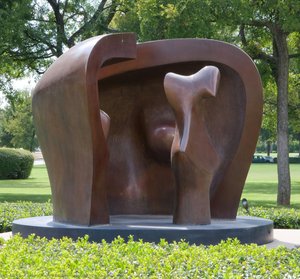
- Moores semiabstrakte, monumentale Bronzeskulpturen befinden sich auf der ganzen Welt als Kunstwerke im öffentlichen Raum und zeugen von seinem außergewöhnlichen Können und seinem Beitrag zur modernen britischen Bildhauerei.
- Seine Fähigkeit, Großaufträge zu erfüllen, machte ihn außergewöhnlich wohlhabend, doch er lebte sparsam, wobei ein Großteil seines Einkommens der Dotierung der Henry Moore Foundation diente, die weiterhin Bildung und Förderung der Künste unterstützt.
- Moores Werke sind in verschiedenen Museen zu finden, darunter die Ingram Collection of Modern British and Contemporary Art, die eine beeindruckende Auswahl moderner und zeitgenössischer Kunst aus Großbritannien und darüber hinaus zeigt.
Einflüsse und Bedeutung
Moore wurde von der Kunst verschiedener Kulturen beeinflusst, insbesondere von mexikanischen Skulpturen, die er während einer Reise in den 1930er Jahren sah. Diese Begegnungen trugen zu seiner Entwicklung hin zu vereinfachten, abstrakten Formen bei. Seine Arbeit war wegweisend für die moderne britische Bildhauerei und etablierte ihn als einen der wichtigsten Künstler des 20. Jahrhunderts. Er revolutionierte das Verständnis von Form, Raum und Balance in der Skulptur und beeinflusste Generationen nachfolgender Künstler.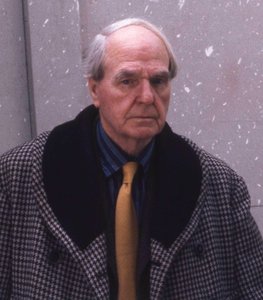
Henry Moore
1898 - 1986 , Vereinigtes Königreich
Kurzinfos
- Bemerkenswerte Werke:
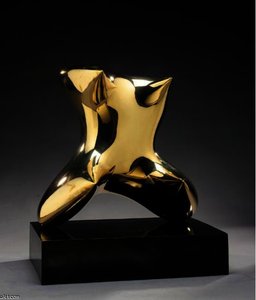
- Spitzes Torso
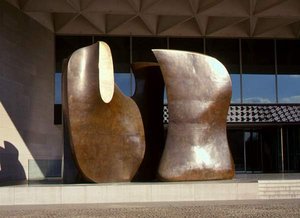
- Messerkante Spiegel Zwei Teile
- Schlafendes Haupt - Gutenachtlied
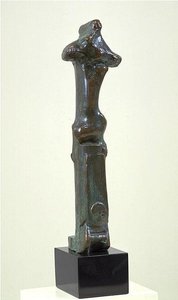
- Aufrechte Motive, Modell Nr. 1
- Geburtsdatum: 1898
- Geburtsort: Castleford, Vereinigtes Königreich
- Künstlerische Richtung: Abstrakte Skulptur
- Nationalität: Britisch
- Sterbedatum: 1986
- Vollständiger Name: Henry Moore
Ähnliche Artikel

Goya: Die 25 Meisterwerke des spanischen Genies – Kunst für Ihr Zuhause | ArtsDot
Entdecken Sie die 25 Meisterwerke von Francisco Goya! Tauchen Sie ein in die düstere Romantik spanischer Malerei, Porträts & Historienbilder. Hochwertige Kunstdrucke auf ArtsDot.com – für Kunstliebhaber und stilvolles Wohnen.
Henri Matisse: Die 25 Meisterwerke des Farbgenies – Kunst für Ihr Zuhause | ArtsDot
Entdecken Sie die 25 Meisterwerke von Henri Matisse! Tauchen Sie ein in die Welt des Fauvismus, der leuchtenden Farben und ikonischen Formen. Kunstreproduktionen & Inspiration für Ihr Zuhause – exklusiv auf ArtsDot.com.
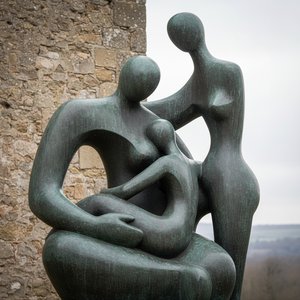
Henry Moore: Formgebung der Moderne – Gestalt, Emotion und die menschliche Existenz
Entdecken Sie das Werk von Henry Moore – Pionier der modernen Skulptur! Analysen zu seiner Bildsprache, Einflüssen und bleibendem Einfluss. Expertenwissen & Inspiration auf ArtsDot.

Über uns
Entdecken Sie unsere Geschichte! Wir bringen Weltklasse-Kunst in Ihr Leben durch fachkundige Auswahl, individuelle Kreationen und kostenlose Vorschauen. Seit dem Jahr 2000 von Privatpersonen und Unternehmen geschätzt.
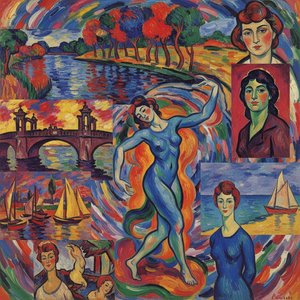
Fauvismus: Die 10 Meisterwerke, die eine Revolution der Farbe auslösten | ArtsDot
Entdecken Sie die 10 Meisterwerke des Fauvismus! Von Matisse bis Derain – erleben Sie die Revolution der Farbe und Emotion. Hochwertige Kunstdrucke & Reproduktionen auf ArtsDot.com. Jetzt Kunst für Ihr Zuhause finden!