 Vorschau anzeigen
 Versenden
 Teilen
 Details anzeigen

 Herunterladen
 Ähnliche Objekte
 Röntgenaufnahme
 Diashow
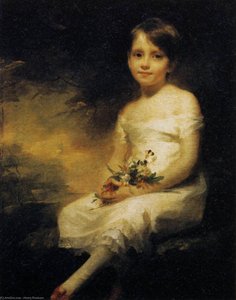
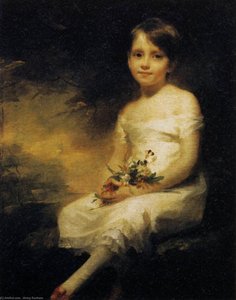
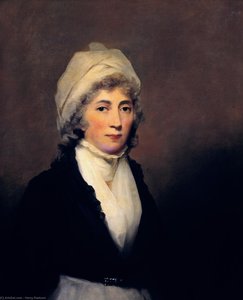
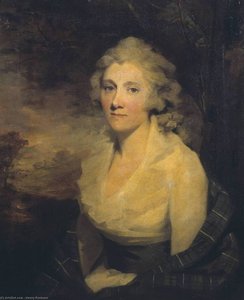
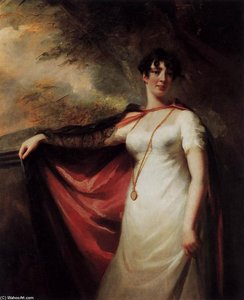
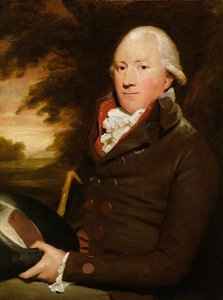
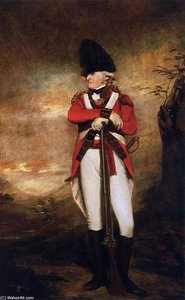
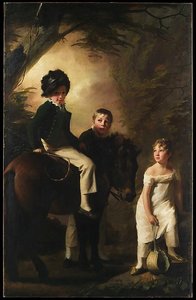
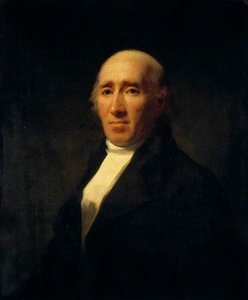
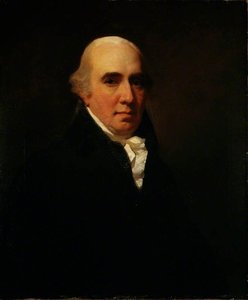
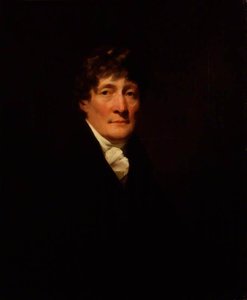
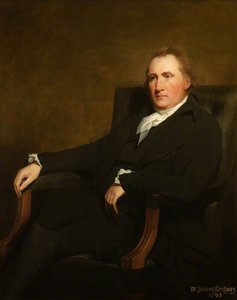
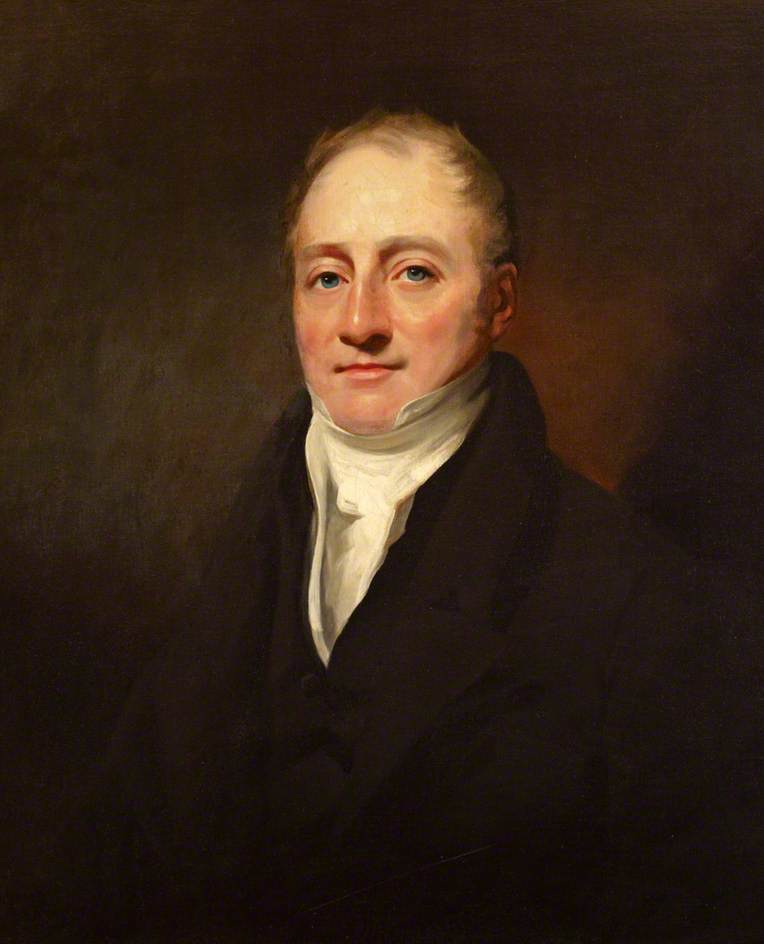
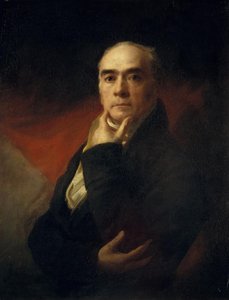
Alexander John Gaspard Marcet (1770–1822), MD, FRS
 Acrylic On Canvas
- WallArt
- Contemporary Realism
 75.0 x 63.0 cm
 Royal Society of Medicine
 Weiterlesen
Giclée / Kunstdruck
Giclée- oder Leinwanddruck in Museumsqualität mit schneller Produktion und flexiblen Veredelungsoptionen. ( Handgemalte Reproduktion bestellen Bild kaufen)




P118B $10

P118H $10

P118W $10

P438Z $10

P508JH $12

P508YH $12

P805H $10

P805Z $10

P919BZ $10

P919G $10

P919XJ $10

P959ZH $10

P968JZ $12

W106C $8

W218G $10

W218JH $8

W218Y $10

W307PJ $10

W316G $10

W316PJ $8

W316Y $10

W398PJ $8

W4111J $10

W500HY $15

W500JH $15

W692G $12

W849H $8

W940BG $15

W953PJ $8




Wählen Sie aus unseren vordefinierten Formaten, die den ursprünglichen Proportionen des Kunstwerks entsprechen.

Sie können Ihre eigenen Maße eingeben, um ein bestimmtes Format oder einen speziellen Platz einzupassen. Wenn das von Ihnen gewählte Format nicht den Proportionen des Originalbildes entspricht, werden wir das Kunstwerk entweder beschneiden oder das Bild mit einem gespiegelten oder einfarbigen Rand erweitern. Ein digitaler Entwurf wird Ihnen zur Genehmigung zugesandt, bevor die Produktion beginnt.
Bitte beachten Sie, dass die Vorschau auf dem Bildschirm nicht den tatsächlichen Zuschnitt oder die Erweiterung widerspiegelt. Nur der Entwurf zeigt die endgültige Komposition präzise an.
Obwohl Sondermaße verfügbar sind, empfehlen wir die Auswahl eines Maßes aus der vordefinierten Liste, um die ursprünglichen Proportionen zu bewahren.
Weltweiter Versand () innerhalb von 2 Wochen statt der üblichen 4/5 Wochen. (23 August)

Kostenloser weltweiter Expressversand

Hochwertige Leinenleinwand

Umfassender Versicherungsschutz beim Versand

Zollgebühren-Rückerstattungsgarantie

Garantie für exakte Farbtreue

60 Tage Rückgaberecht (nur bei Mängeln)

100% Geld-zurück-Garantie

Mengenrabatt verfügbar
 Die Glasoption ist nur für Größen unter 110 cm verfügbar.

Alexander John Gaspard Marcet (1770–1822), MD, FRS
Giclée / Kunstdruck
Format der Reproduktion
-


Gesamtpreis
$ 62
Sammlerstück-Beschreibung
Alexander John Gaspard Marcet (1770–1822), MD, FRS: A Portrait of Enlightenment Curiosity
Henry Raeburn’s depiction of Alexander John Gaspard Marcet stands as a testament to the Scottish Enlightenment's fascination with scientific inquiry and intellectual prowess. Completed around 1819, this portrait transcends mere likeness; it embodies the spirit of a man dedicated to advancing knowledge through observation and experimentation – a figure emblematic of his time.
The painting itself is executed in Raeburn’s signature style of realism, prioritizing accuracy of form and subtle tonal gradations. Marcet, seated formally against a dark mahogany backdrop, wears a meticulously rendered suit and tie, reflecting the conventions of gentlemanly attire during the Regency era. However, it's not merely sartorial detail that captivates; Raeburn’s masterful use of light – particularly directional illumination – sculpts Marcet’s face and torso, creating dramatic shadows that accentuate musculature and convey a sense of contemplative seriousness.
- Subject Matter: The portrait focuses on Alexander John Gaspard Marcet (1770–1822), a French-born Scottish physician and scientist renowned for his contributions to meteorology and experimental physics.
- Style: Raeburn’s realism distinguishes him from earlier neoclassical painters, prioritizing naturalism over idealized forms. He sought to capture the subject's character and intellect with unflinching honesty.
- Technique: Marcet’s pose is deliberately posed to convey confidence and intellectual engagement. The artist skillfully blends oil paints on canvas using layering techniques to achieve a rich texture and luminous surface finish.
Beyond its aesthetic qualities, the portrait carries significant symbolic weight. Marcet's gaze directs towards the viewer, establishing an implicit dialogue about knowledge and perception—a deliberate choice reflecting Raeburn’s belief in portraying subjects as individuals possessing inner life and conviction. The dark background serves to isolate Marcet, emphasizing his presence and highlighting the brilliance of the light illuminating his face.
Considered a pivotal figure in disseminating scientific ideas during the Enlightenment, Marcet championed the importance of empirical observation and experimentation. Raeburn’s portrait immortalizes this intellectual spirit, presenting him as an exemplar of rational thought and humanist values—a timeless image resonating with admiration for intellect and dedication to furthering human understanding.
About Henry Raeburn
Sir Henry Raeburn (1756–1823) was a Scottish Master of Realism. He revolutionized portraiture by prioritizing accuracy of form and subtle tonal gradations, rejecting the idealized conventions prevalent in earlier art movements. His unwavering commitment to capturing the essence of his subjects—whether nobility or ordinary citizens—established him as one of Scotland’s most celebrated painters.
Born in Stockbridge, Raeburn's early life was marked by hardship and orphaned at a young age. He received an education at Heriot's Hospital in Edinburgh, where he honed his skills in drawing and painting before embarking on a career as a goldsmith under James Gilliland – a formative experience that instilled meticulous attention to detail.
Raeburn’s artistic breakthrough came with miniature portraits on ivory, demonstrating an innate talent for capturing likenesses with remarkable precision. He quickly gained recognition for his ability to convey personality and emotion through subtle expressions and gestures—a hallmark of his distinctive style.
Size & Dimensions
The artwork measures 75 x 63 cm (approximately 29.5 x 24.8 inches). This substantial size allows for detailed observation of Raeburn’s masterful rendering of Marcet's anatomy and facial features, capturing the nuances of light and shadow with exceptional fidelity.
Historical Context
Painted during the Regency era (1811–1820), this portrait reflects the intellectual fervor of Scotland’s Enlightenment. Raeburn’s work aligns with a broader artistic trend toward naturalism and psychological realism—a reaction against the rigid formalism of Neoclassicism.
Ähnliche Kunstwerke
Über den Künstler
Ein Pionier seines Fachs
Sir Henry Raeburn FRSE RA RSA, ein schottischer Porträtmaler, hinterließ mit seinen fesselnden Werken einen bleibenden Eindruck in der Kunstwelt. Geboren am 4. März 1756 in Stockbridge, Edinburgh, Schottland, ist Raeburns künstlerische Reise ein Beweis für seine Hingabe und Leidenschaft.Frühes Leben und Ausbildung
Verwaist in jungen Jahren wurde Raeburn von seinem Bruder William unterstützt und an das Heriot's Hospital gegeben, wo er eine Ausbildung erhielt. Im Alter von 15 Jahren wurde er zum Goldschmied James Gilliland in Edinburgh ausgebildet, wo er seine Fähigkeiten im Schmuckherstellen und in filigranen Zeichnungen auf Elfenbein verfeinerte.Künstlerische Entwicklung
Raeburns Übergang von Miniaturmalerei zur Ölmalerei war ein Wendepunkt in seiner Karriere. Er erlangte ausreichende Fertigkeiten, um sich ausschließlich der Malerei zu widmen, wobei George Chalmers (1776; Dunfermline Town Hall) sein frühester bekanntes Porträt war.Bemerkenswerte Werke und Assoziationen
- Der junge Polospieler von William Bruce Ellis Ranken zeigt Raeburns außergewöhnliches Talent, Bewegung und Energie einzufangen.
- Alexander Allan, eine bedeutende Figur in der schottischen Kunst, wurde von Raeburn gemalt und unterstreicht seine Fähigkeit, das Wesen seiner Motive einzufangen.
Museen und Sammlungen
- Die schottische Nationalgalerie (Edinburgh, Schottland) beherbergt Werke von Raeburn, darunter der weiße Schrecken von Joseph Crawhall.
- Die Frick Collection (New York, Vereinigte Staaten) beherbergt Alexander Allan, ein Beweis für Raeburns internationale Anziehungskraft.
Vermächtnis und Bedeutung
Raeburns Einfluss auf die schottische Kunst ist unbestreitbar. Seine Hingabe daran, das Wesen seiner Motive einzufangen, hat ihn zu einem Pionier in der Welt des Porträts gemacht. Als Sir Henry Raeburn FRSE RA RSA bleibt er ein integraler Bestandteil des reichen künstlerischen Erbes Schottlands.- Weitere Werke von Sir Henry Raeburn FRSE RA RSA finden Sie unter https://ArtsDot.com/@/henry-raeburn
- Erkunden Sie die schottische Nationalgalerie (Edinburgh, Schottland) unter https://ArtsDot.com/@@/d3y8vu-william-mctaggart-spring
- Entdecken Sie mehr über die schottische Kunst unter https://en.wikipedia.org/wiki/scottish_art_in_the_eighteenth_century
Henry Raeburn
1756 - 1823 , Vereinigtes Königreich
Kurzinfos
- Bemerkenswerte Kunstwerke:
- Die Bogenschützen
- Alexander Allan
- Reverend Robert Walker
- Geburtsdatum: 4. März 1756
- Geburtsort (Stadt, Land): Stockbridge, Vereinigtes Königreich
- Künstler, Die Diesen Künstler Beeinflussten:
- Allan Ramsay
- George Chalmers
- Künstlerische Bewegung Oder Stil: Porträtmalerei, Realismus
- Nationalität: Schottisch
- Sterbedatum: 8. Juli 1823
- Vollständiger Name: Henry Raeburn
Ähnliche Artikel
Henri Matisse: Die 25 Meisterwerke des Farbgenies – Kunst für Ihr Zuhause | ArtsDot
Entdecken Sie die 25 Meisterwerke von Henri Matisse! Tauchen Sie ein in die Welt des Fauvismus, der leuchtenden Farben und ikonischen Formen. Kunstreproduktionen & Inspiration für Ihr Zuhause – exklusiv auf ArtsDot.com.
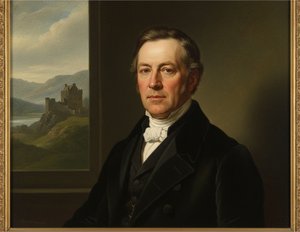
Henry Raeburn: Licht, Charakter und nationale Identität eines schottischen Porträtmeisters
Entdecken Sie das Leben und Werk von Henry Raeburn, dem führenden schottischen Porträtmaler der Aufklärung. Analysen seiner Technik, Aufträge für Georg IV. und sein bleibender Einfluss auf die Kunstgeschichte.
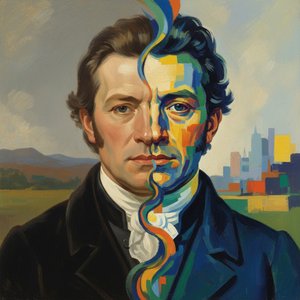
Henry Raeburn Dobson: A Scottish Colourist Bridging Tradition & Modernity
Explore the life & work of Henry Raeburn Dobson, a key figure bridging Scottish tradition & modern art. Discover his neoclassical portraits, landscapes, and connection to the Colourists. Learn about collecting his works.
The Precision of Perception: Scientific Illustration as Art & Epistemology
Explore the fascinating history of scientific illustration – where art meets accuracy. Discover key artists like Karl Blossfeldt & Maud H. Purdy, and delve into its profound epistemological roots. ArtsDot offers museum-quality reproductions.

The Evocative Detail of Nature: A History of Naturalistic Illustration
Explore the rich history of botanical illustration! Discover pioneering artists like Maria Sibylla Merian & Marianne North. Learn about scientific precision, artistic expression, and find museum-quality reproductions at ArtsDot.