 Vorschau anzeigen
 Versenden
 Teilen
 Details anzeigen

 Herunterladen
 Ähnliche Objekte
 Röntgenaufnahme
 Diashow
 Statistiken
Andrew Duncan
 Oil On Canvas
- WallArt
- Neoclassicism
 127.0 x 104.0 cm
 Royal College of Physicians of Edinburgh
 Weiterlesen
Giclée / Kunstdruck
Giclée- oder Leinwanddruck in Museumsqualität mit schneller Produktion und flexiblen Veredelungsoptionen. ( Handgemalte Reproduktion bestellen Zum digitalen Bild wechseln)




P118B $10

P118H $10

P118W $10

P438Z $10

P508JH $12

P508YH $12

P805H $10

P805Z $10

P919BZ $10

P919G $10

P919XJ $10

P959ZH $10

P968JZ $12

W106C $8

W218G $10

W218JH $8

W218Y $10

W307PJ $10

W316G $10

W316PJ $8

W316Y $10

W398PJ $8

W4111J $10

W500HY $15

W500JH $15

W692G $12

W849H $8

W940BG $15

W953PJ $8




Wählen Sie aus unseren vordefinierten Formaten, die den ursprünglichen Proportionen des Kunstwerks entsprechen.

Sie können Ihre eigenen Maße eingeben, um ein bestimmtes Format oder einen speziellen Platz einzupassen. Wenn das von Ihnen gewählte Format nicht den Proportionen des Originalbildes entspricht, werden wir das Kunstwerk entweder beschneiden oder das Bild mit einem gespiegelten oder einfarbigen Rand erweitern. Ein digitaler Entwurf wird Ihnen zur Genehmigung zugesandt, bevor die Produktion beginnt.
Bitte beachten Sie, dass die Vorschau auf dem Bildschirm nicht den tatsächlichen Zuschnitt oder die Erweiterung widerspiegelt. Nur der Entwurf zeigt die endgültige Komposition präzise an.
Obwohl Sondermaße verfügbar sind, empfehlen wir die Auswahl eines Maßes aus der vordefinierten Liste, um die ursprünglichen Proportionen zu bewahren.
Weltweiter Versand () innerhalb von 2 Wochen statt der üblichen 4/5 Wochen. (11 September)

Kostenloser weltweiter Expressversand

Hochwertige Leinenleinwand

Umfassender Versicherungsschutz beim Versand

Zollgebühren-Rückerstattungsgarantie

Garantie für exakte Farbtreue

100-Tage-Rückgaberecht (nur bei Mängeln)

100% Geld-zurück-Garantie

Mengenrabatt verfügbar
 Die Glasoption ist nur für Größen unter 110 cm verfügbar.

Andrew Duncan
Giclée / Kunstdruck
Format der Reproduktion
-


Gesamtpreis
$ 62
A Portrait of Dignified Reflection: Andrew Duncan by Henry Raeburn
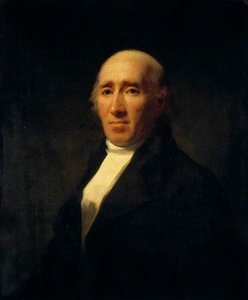
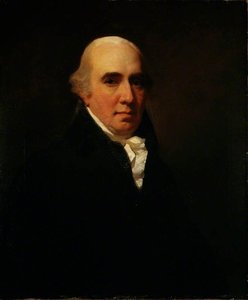
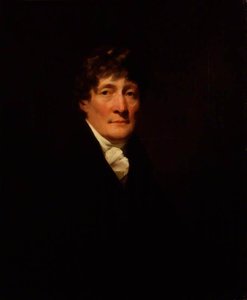
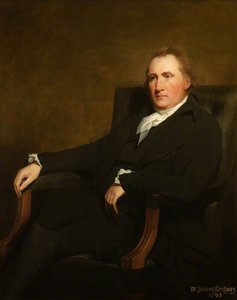
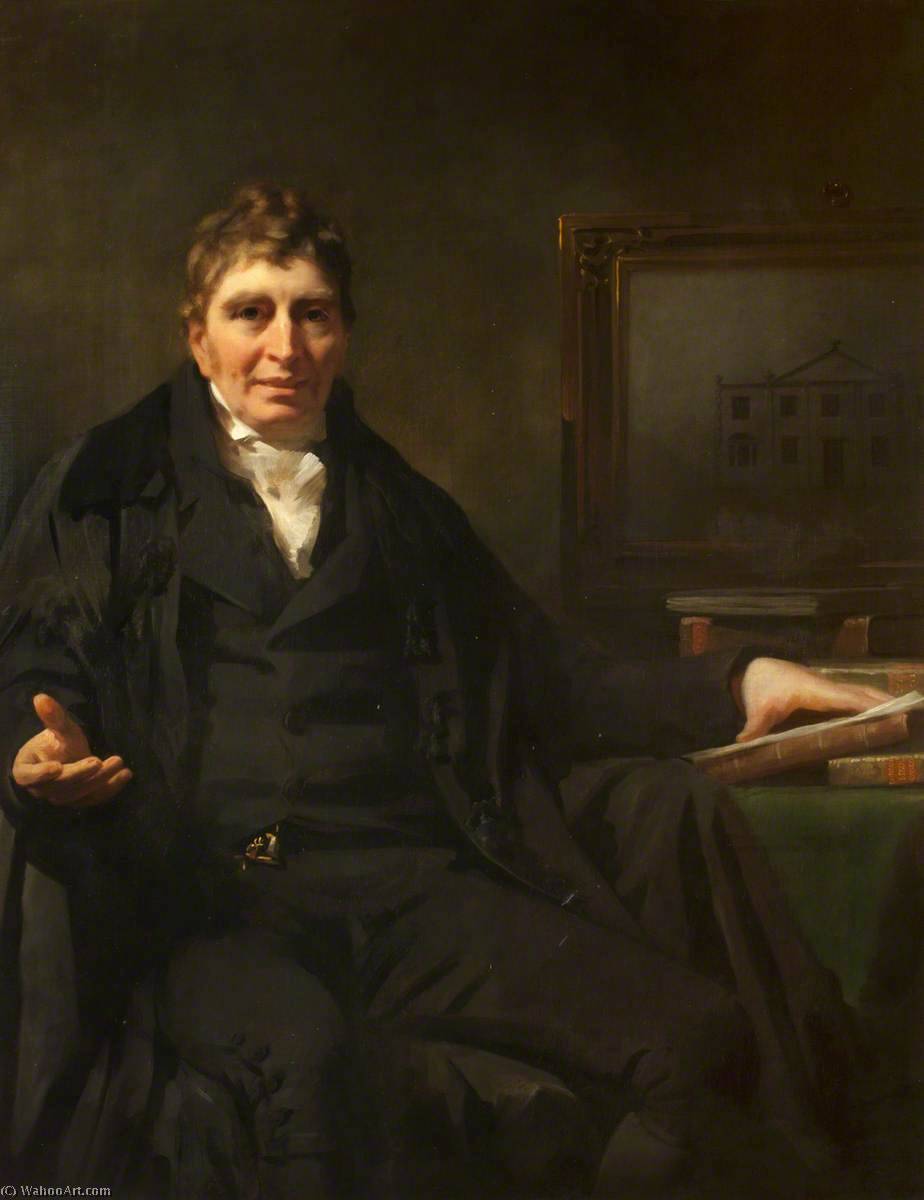
Henry Raeburn’s “Andrew Duncan” is more than simply a likeness; it's a carefully constructed tableau of 18th-century Scottish identity, intellect, and the quiet dignity of a man deeply engaged with his profession. Painted around 1819, this oil on canvas portrait captures not just the physical appearance of Andrew Duncan, a prominent physician and medical reformer, but also an aura of thoughtful contemplation that speaks volumes about his character and standing within Edinburgh society. The painting resides in the Royal College of Physicians of Edinburgh, a testament to its enduring value as both a work of art and a historical document.
Raeburn’s masterful technique is immediately apparent. He employs a dramatic chiaroscuro – a stark contrast between light and shadow – that sculpts Duncan's face with remarkable precision. The strong directional lighting, originating from an unseen source, emphasizes the lines of his brow, the subtle wrinkles around his eyes, and the texture of his coat, lending him a palpable sense of age and experience. The artist’s meticulous brushwork is evident in every detail, from the folds of the fabric to the delicate rendering of the lace collar. This isn't merely a representation; it’s an embodiment of Duncan’s presence, imbued with a quiet authority.
A Window into the Enlightenment
“Andrew Duncan” firmly places itself within the context of the Scottish Enlightenment – a period of intellectual and cultural flourishing that profoundly shaped Britain. Raeburn, as one of the era's most celebrated portraitists, was deeply intertwined with this movement. His subjects were often leading figures in science, medicine, law, and politics, reflecting the importance placed on reason, knowledge, and civic engagement. The inclusion of the framed drawing of a grand building – likely an architectural study or plan – subtly reinforces Duncan’s profession and his connection to the intellectual pursuits of the time. It suggests a mind occupied not just with healing bodies but also with shaping the physical landscape of Edinburgh.
Symbolism and Social Standing
Beyond its technical brilliance, the portrait is rich in symbolic meaning. The seated posture of Duncan – relaxed yet attentive – conveys a sense of self-assuredness and intellectual curiosity. His gaze, directed slightly off to the side, suggests contemplation rather than direct confrontation, hinting at a man comfortable in his own mind. The dark, richly textured clothing speaks to his social standing and wealth, while the lace collar adds an element of refinement and formality typical of the era. The composition itself is carefully balanced, creating a sense of stability and order – mirroring the values Raeburn sought to capture in his portraits.
A Legacy of Realism
Henry Raeburn’s “Andrew Duncan” stands as a pivotal work in the history of British portraiture. His commitment to realism, combined with an acute understanding of human psychology and a keen eye for detail, established him as a leading figure in his field. The painting's enduring appeal lies not only in its technical mastery but also in its ability to evoke a sense of connection – inviting viewers to contemplate the life and character of a man who embodied the spirit of the Scottish Enlightenment. It’s a portrait that transcends mere representation, offering a glimpse into a bygone era and reminding us of the power of art to capture both the outward appearance and the inner essence of its subject.
Ähnliche Kunstwerke
Über den Künstler
Ein Pionier seines Fachs
Sir Henry Raeburn FRSE RA RSA, ein schottischer Porträtmaler, hinterließ mit seinen fesselnden Werken einen bleibenden Eindruck in der Kunstwelt. Geboren am 4. März 1756 in Stockbridge, Edinburgh, Schottland, ist Raeburns künstlerische Reise ein Beweis für seine Hingabe und Leidenschaft.Frühes Leben und Ausbildung
Verwaist in jungen Jahren wurde Raeburn von seinem Bruder William unterstützt und an das Heriot's Hospital gegeben, wo er eine Ausbildung erhielt. Im Alter von 15 Jahren wurde er zum Goldschmied James Gilliland in Edinburgh ausgebildet, wo er seine Fähigkeiten im Schmuckherstellen und in filigranen Zeichnungen auf Elfenbein verfeinerte.Künstlerische Entwicklung
Raeburns Übergang von Miniaturmalerei zur Ölmalerei war ein Wendepunkt in seiner Karriere. Er erlangte ausreichende Fertigkeiten, um sich ausschließlich der Malerei zu widmen, wobei George Chalmers (1776; Dunfermline Town Hall) sein frühester bekanntes Porträt war.Bemerkenswerte Werke und Assoziationen
- Der junge Polospieler von William Bruce Ellis Ranken zeigt Raeburns außergewöhnliches Talent, Bewegung und Energie einzufangen.
- Alexander Allan, eine bedeutende Figur in der schottischen Kunst, wurde von Raeburn gemalt und unterstreicht seine Fähigkeit, das Wesen seiner Motive einzufangen.
Museen und Sammlungen
- Die schottische Nationalgalerie (Edinburgh, Schottland) beherbergt Werke von Raeburn, darunter der weiße Schrecken von Joseph Crawhall.
- Die Frick Collection (New York, Vereinigte Staaten) beherbergt Alexander Allan, ein Beweis für Raeburns internationale Anziehungskraft.
Vermächtnis und Bedeutung
Raeburns Einfluss auf die schottische Kunst ist unbestreitbar. Seine Hingabe daran, das Wesen seiner Motive einzufangen, hat ihn zu einem Pionier in der Welt des Porträts gemacht. Als Sir Henry Raeburn FRSE RA RSA bleibt er ein integraler Bestandteil des reichen künstlerischen Erbes Schottlands.- Weitere Werke von Sir Henry Raeburn FRSE RA RSA finden Sie unter https://ArtsDot.com/@/henry-raeburn
- Erkunden Sie die schottische Nationalgalerie (Edinburgh, Schottland) unter https://ArtsDot.com/@@/d3y8vu-william-mctaggart-spring
- Entdecken Sie mehr über die schottische Kunst unter https://en.wikipedia.org/wiki/scottish_art_in_the_eighteenth_century
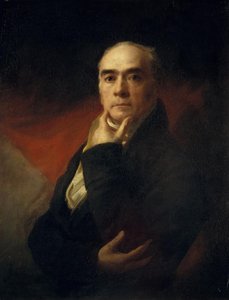
Henry Raeburn
1756 - 1823 , Vereinigtes Königreich
Kurzinfos
- Bemerkenswerte Kunstwerke:
- Die Bogenschützen
- Alexander Allan
- Reverend Robert Walker
- Geburtsdatum: 4. März 1756
- Geburtsort (Stadt, Land): Stockbridge, Vereinigtes Königreich
- Künstler, Die Diesen Künstler Beeinflussten:
- Allan Ramsay
- George Chalmers
- Künstlerische Bewegung Oder Stil: Porträtmalerei, Realismus
- Nationalität: Schottisch
- Sterbedatum: 8. Juli 1823
- Vollständiger Name: Henry Raeburn
Ähnliche Artikel
Henri Matisse: Die 25 Meisterwerke des Farbgenies – Kunst für Ihr Zuhause | ArtsDot
Entdecken Sie die 25 Meisterwerke von Henri Matisse! Tauchen Sie ein in die Welt des Fauvismus, der leuchtenden Farben und ikonischen Formen. Kunstreproduktionen & Inspiration für Ihr Zuhause – exklusiv auf ArtsDot.com.
Henry Raeburn: Licht, Charakter und nationale Identität eines schottischen Porträtmeisters
Entdecken Sie das Leben und Werk von Henry Raeburn, dem führenden schottischen Porträtmaler der Aufklärung. Analysen seiner Technik, Aufträge für Georg IV. und sein bleibender Einfluss auf die Kunstgeschichte.
Sir John Watson Gordon: A Study in Scottish Landscape Painting & Tonal Impressionism
Explore the captivating portraits of Sir John Watson Gordon, a leading Scottish master. Discover his evolution from neoclassical style to atmospheric Tonalism and influence on 19th-century British art. Learn about his iconic sitters & legacy.
Henry Raeburn Dobson: A Scottish Colourist Bridging Tradition & Modernity
Explore the life & work of Henry Raeburn Dobson, a key figure bridging Scottish tradition & modern art. Discover his neoclassical portraits, landscapes, and connection to the Colourists. Learn about collecting his works.

The Enduring Legacy of Oil on Canvas: Technique, History & Aesthetic Impact
Explore the rich history & techniques of oil painting – from Renaissance masters to Impressionism. Discover pigments, layering methods, and why this timeless medium endures. Expert insights for artists & art enthusiasts.