 Vorschau anzeigen
 Versenden
 Teilen
 Details anzeigen

 Herunterladen
 Ähnliche Objekte
 Röntgenaufnahme
 Diashow
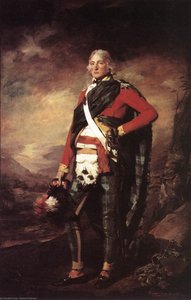
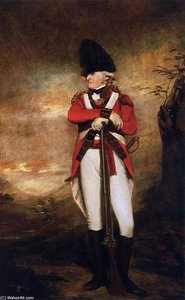
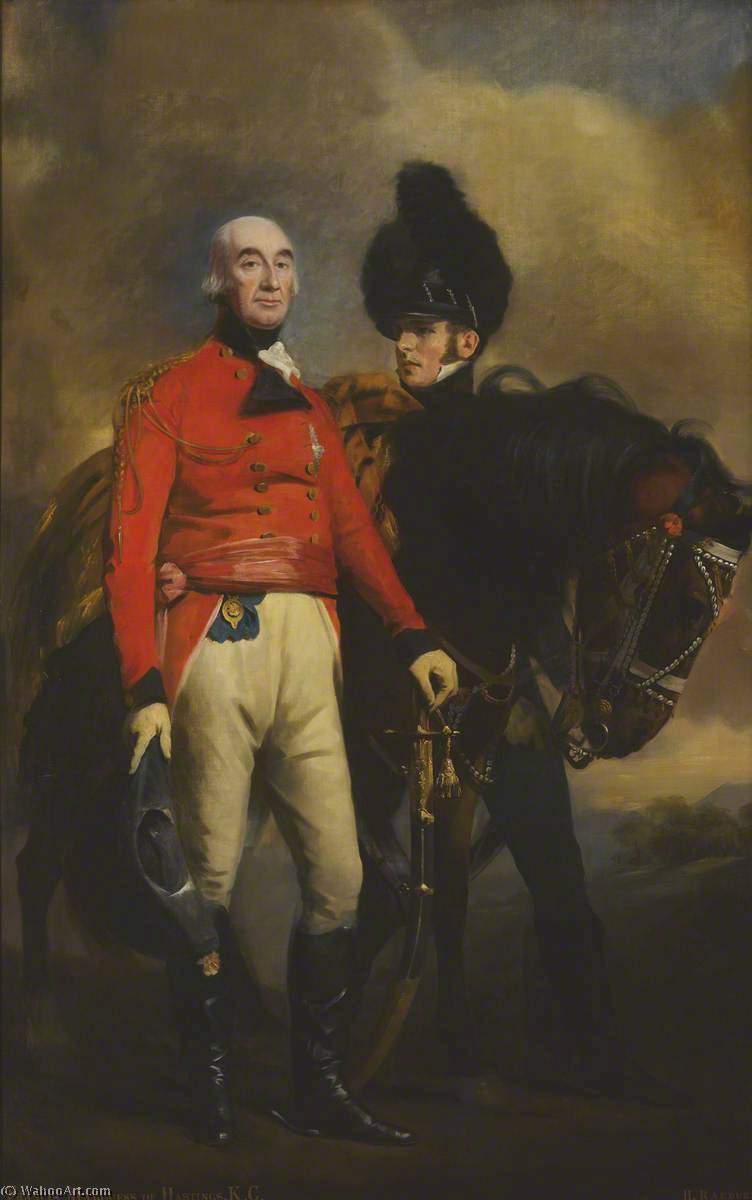
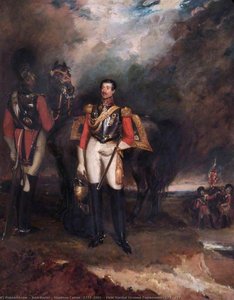
Francis Rawdon Hastings (1754–1826), 2nd Earl of Moira (later 1st Marquess of Hastings), Governor General of Bengal and Commander in Chief of the Forces in India
 Oil
Oil- WallArt
- Realism
 1813
1813- 19th Century
 236.0 x 148.0 cm
 Weiterlesen
Handgefertigte Ölreproduktion
Handgemaltes Ölgemälde auf Leinwand in Ihrer Wunschgröße und mit Rahmen, auf Bestellung von unseren Künstlern angefertigt. ( Druck bestellen Bild kaufen)




































Wählen Sie aus unseren vordefinierten Formaten, die den ursprünglichen Proportionen des Kunstwerks entsprechen.

Sie können Ihre eigenen Maße eingeben, um einen bestimmten Rahmen oder Platz auszufüllen. Wenn die gewählte Größe nicht den Proportionen des Originalbildes entspricht, werden wir das Kunstwerk entweder beschneiden oder das Gemälde durch zusätzliche, handgemalte Elemente erweitern. Ein digitales Mockup wird Ihnen zur Genehmigung zugesandt, bevor die Produktion beginnt.
Bitte beachten Sie, dass die Bildschirmvorschau nicht die tatsächliche Beschneidung oder Erweiterung widerspiegelt. Nur das Mockup zeigt die endgültige Komposition exakt an.
Obwohl Sondermaße verfügbar sind, empfehlen wir, eine Größe aus der vordefinierten Liste zu wählen, um die ursprünglichen Proportionen beizubehalten.
Nach der Bestellung wird das ArtsDot.com-Team dem Kunden Anweisungen per E-Mail zusenden und eine Mockup-Vorschau bereitstellen.
Weltweiter Versand () in nur 3 bis 4 Wochen statt der üblichen 5 Wochen. (30 August). Keine Kompromisse bei der Qualität.

Kostenloser weltweiter Expressversand

Hochwertige Leinenleinwand

Umfassender Versicherungsschutz beim Versand

Zollgebühren-Rückerstattungsgarantie

Garantie für exakte Farbtreue

60 Tage Rückgaberecht (nur bei Mängeln)

100% Geld-zurück-Garantie

Mengenrabatt verfügbar
 Die Glasoption ist nur für Größen unter 110 cm verfügbar.

Francis Rawdon Hastings (1754–1826), 2nd Earl of Moira (later 1st Marquess of Hastings), Governor General of Bengal and Commander in Chief of the Forces in India
Art der Reproduktion
Format der Reproduktion
-


Gesamtpreis
$ 263
A Grand Encounter in Oil: The Majesty of Raeburn’s Portraiture
In this commanding large-scale masterpiece from 1813, Sir Henry Raeburn captures more than just a likeness; he captures the very essence of British imperial authority and the weight of historical responsibility. The painting presents a striking tableau featuring Francis Rawdon Hastings, the 2nd Earl of Moira—a man destined to become the 1st Marquess of Hastings and a pivotal figure in the governance of India. Standing alongside a companion, the subjects are framed by the powerful presence of a horse, an element that lends a sense of equestrian nobility and movement to the composition. The scene is steeped in the atmosphere of the early 19th century, where the boundaries between military prowess and political diplomacy were often blurred by the shared language of uniform and prestige.
Raeburn’s technical mastery is on full display through his sophisticated use of light and texture. As a pioneer of Scottish realism, he possessed an uncanny ability to render the tactile qualities of fabric—from the heavy, structured wool of the black coats to the brilliant, gilded embroidery of the red military uniform. The artist employs a painterly technique that avoids sterile precision in favor of a more vibrant, breathing reality. Notice how the light catches the folds of the garments and the subtle sheen on the horse's coat, creating a sense of depth that draws the viewer into the very heart of the assembly. This interplay of shadow and illumination serves to elevate the subjects, casting them in a heroic glow that commands immediate respect.
Beyond the mere depiction of high-ranking officials, the painting functions as a profound study of character and social hierarchy. The presence of the horse, positioned centrally with its head lowered, acts as a grounding force, symbolizing both the ruggedness of military life and the controlled power required for colonial administration. The subtle inclusion of a third figure in the distant background adds a layer of narrative complexity, suggesting a larger world of movement and duty unfolding just beyond the primary subjects. For the discerning collector or interior designer, this piece offers an unparalleled sense of gravitas. It is an artwork that does not merely decorate a wall but anchors a room, providing a window into an era of profound global transformation and the enduring legacy of the British Enlightenment.
Integrating such a magnificent reproduction into a curated space allows for a dialogue between historical grandeur and contemporary elegance. Whether placed in a formal study, a grand hallway, or a sophisticated living area, Raeburn’s work serves as a conversation starter, evoking themes of leadership, heritage, and the timeless beauty of classical portraiture. It is an investment in atmosphere, bringing the soulful, dramatic spirit of the Scottish Master into the modern home.
Ähnliche Kunstwerke
Über den Künstler
Ein Pionier seines Fachs
Sir Henry Raeburn FRSE RA RSA, ein schottischer Porträtmaler, hinterließ mit seinen fesselnden Werken einen bleibenden Eindruck in der Kunstwelt. Geboren am 4. März 1756 in Stockbridge, Edinburgh, Schottland, ist Raeburns künstlerische Reise ein Beweis für seine Hingabe und Leidenschaft.Frühes Leben und Ausbildung
Verwaist in jungen Jahren wurde Raeburn von seinem Bruder William unterstützt und an das Heriot's Hospital gegeben, wo er eine Ausbildung erhielt. Im Alter von 15 Jahren wurde er zum Goldschmied James Gilliland in Edinburgh ausgebildet, wo er seine Fähigkeiten im Schmuckherstellen und in filigranen Zeichnungen auf Elfenbein verfeinerte.Künstlerische Entwicklung
Raeburns Übergang von Miniaturmalerei zur Ölmalerei war ein Wendepunkt in seiner Karriere. Er erlangte ausreichende Fertigkeiten, um sich ausschließlich der Malerei zu widmen, wobei George Chalmers (1776; Dunfermline Town Hall) sein frühester bekanntes Porträt war.Bemerkenswerte Werke und Assoziationen
- Der junge Polospieler von William Bruce Ellis Ranken zeigt Raeburns außergewöhnliches Talent, Bewegung und Energie einzufangen.
- Alexander Allan, eine bedeutende Figur in der schottischen Kunst, wurde von Raeburn gemalt und unterstreicht seine Fähigkeit, das Wesen seiner Motive einzufangen.
Museen und Sammlungen
- Die schottische Nationalgalerie (Edinburgh, Schottland) beherbergt Werke von Raeburn, darunter der weiße Schrecken von Joseph Crawhall.
- Die Frick Collection (New York, Vereinigte Staaten) beherbergt Alexander Allan, ein Beweis für Raeburns internationale Anziehungskraft.
Vermächtnis und Bedeutung
Raeburns Einfluss auf die schottische Kunst ist unbestreitbar. Seine Hingabe daran, das Wesen seiner Motive einzufangen, hat ihn zu einem Pionier in der Welt des Porträts gemacht. Als Sir Henry Raeburn FRSE RA RSA bleibt er ein integraler Bestandteil des reichen künstlerischen Erbes Schottlands.- Weitere Werke von Sir Henry Raeburn FRSE RA RSA finden Sie unter https://ArtsDot.com/@/henry-raeburn
- Erkunden Sie die schottische Nationalgalerie (Edinburgh, Schottland) unter https://ArtsDot.com/@@/d3y8vu-william-mctaggart-spring
- Entdecken Sie mehr über die schottische Kunst unter https://en.wikipedia.org/wiki/scottish_art_in_the_eighteenth_century
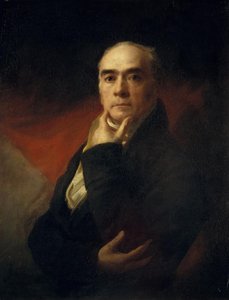
Henry Raeburn
1756 - 1823 , Vereinigtes Königreich
Kurzinfos
- Bemerkenswerte Kunstwerke:
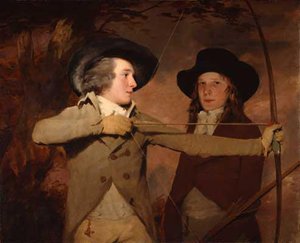
- Die Bogenschützen
- Alexander Allan
- Reverend Robert Walker
- Geburtsdatum: 4. März 1756
- Geburtsort (Stadt, Land): Stockbridge, Vereinigtes Königreich
- Künstler, Die Diesen Künstler Beeinflussten:
- Allan Ramsay
- George Chalmers
- Künstlerische Bewegung Oder Stil: Porträtmalerei, Realismus
- Nationalität: Schottisch
- Sterbedatum: 8. Juli 1823
- Vollständiger Name: Henry Raeburn
Ähnliche Artikel

Henri Matisse: Die 25 Meisterwerke des Farbgenies – Kunst für Ihr Zuhause | ArtsDot
Entdecken Sie die 25 Meisterwerke von Henri Matisse! Tauchen Sie ein in die Welt des Fauvismus, der leuchtenden Farben und ikonischen Formen. Kunstreproduktionen & Inspiration für Ihr Zuhause – exklusiv auf ArtsDot.com.

Crimson Threads of Narrative: Exploring Symbolism & Representation in Artworks Featuring the Red Dress
Explore the rich symbolism of the red dress in art history! From ancient power displays to iconic portraits like Cézanne’s 'Madame Cezanne', discover the cultural and artistic significance behind this captivating color. Expert analysis & insights.
Golden Glow: How to Use Metallic Gold Artworks to Elevate Your Home Decor with Timeless Luxury
Discover how to elevate your home with the timeless elegance of metallic gold artworks. From sculptural metal pieces to gilded oil paintings, learn expert interior design tips for integrating luxurious gold accents into your space with sophistication and grace.
Henry Raeburn: Licht, Charakter und nationale Identität eines schottischen Porträtmeisters
Entdecken Sie das Leben und Werk von Henry Raeburn, dem führenden schottischen Porträtmaler der Aufklärung. Analysen seiner Technik, Aufträge für Georg IV. und sein bleibender Einfluss auf die Kunstgeschichte.
The Allure of Gold in Art History: Symbolism, Technique & Cultural Significance
Explore the rich history of gold in art! Discover symbolism, techniques & cultural significance from ancient civilizations to Klimt's masterpieces. Expert insights for collectors at ArtsDot.