 Vorschau anzeigen
 Versenden
 Teilen
 Details anzeigen

 Herunterladen
 Ähnliche Objekte
 Röntgenaufnahme
 Diashow
 Statistiken
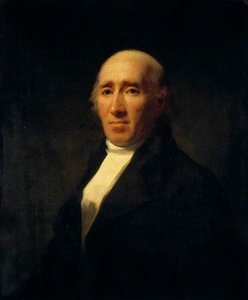
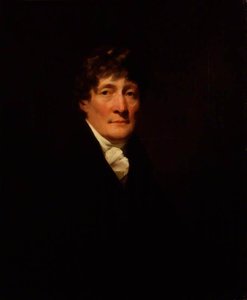
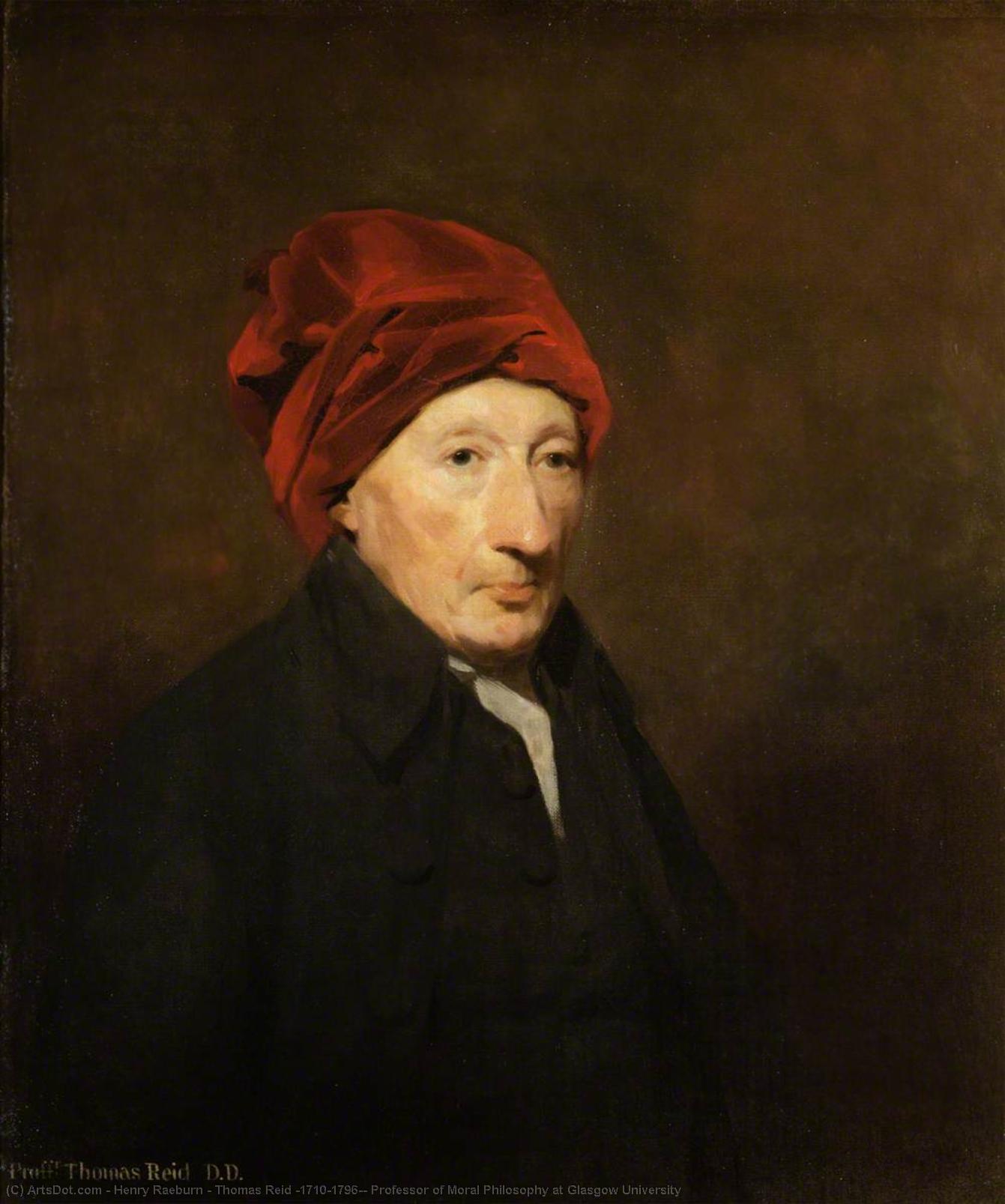
Thomas Reid (1710–1796), Professor of Moral Philosophy at Glasgow University
 Acrylic On Canvas
- WallArt
- Scottish Realism
 1796
1796 73.0 x 62.0 cm
 The National Trust For Scotland
 Weiterlesen
Giclée / Kunstdruck
Giclée- oder Leinwanddruck in Museumsqualität mit schneller Produktion und flexiblen Veredelungsoptionen. ( Handgemalte Reproduktion bestellen Zum digitalen Bild wechseln)




P118B $10

P118H $10

P118W $10

P438Z $10

P508JH $12

P508YH $12

P805H $10

P805Z $10

P919BZ $10

P919G $10

P919XJ $10

P959ZH $10

P968JZ $12

W106C $8

W218G $10

W218JH $8

W218Y $10

W307PJ $10

W316G $10

W316PJ $8

W316Y $10

W398PJ $8

W4111J $10

W500HY $15

W500JH $15

W692G $12

W849H $8

W940BG $15

W953PJ $8




Wählen Sie aus unseren vordefinierten Formaten, die den ursprünglichen Proportionen des Kunstwerks entsprechen.

Sie können Ihre eigenen Maße eingeben, um ein bestimmtes Format oder einen speziellen Platz einzupassen. Wenn das von Ihnen gewählte Format nicht den Proportionen des Originalbildes entspricht, werden wir das Kunstwerk entweder beschneiden oder das Bild mit einem gespiegelten oder einfarbigen Rand erweitern. Ein digitaler Entwurf wird Ihnen zur Genehmigung zugesandt, bevor die Produktion beginnt.
Bitte beachten Sie, dass die Vorschau auf dem Bildschirm nicht den tatsächlichen Zuschnitt oder die Erweiterung widerspiegelt. Nur der Entwurf zeigt die endgültige Komposition präzise an.
Obwohl Sondermaße verfügbar sind, empfehlen wir die Auswahl eines Maßes aus der vordefinierten Liste, um die ursprünglichen Proportionen zu bewahren.
Weltweiter Versand () innerhalb von 2 Wochen statt der üblichen 4/5 Wochen. (10 September)

Kostenloser weltweiter Expressversand

Hochwertige Leinenleinwand

Umfassender Versicherungsschutz beim Versand

Zollgebühren-Rückerstattungsgarantie

Garantie für exakte Farbtreue

100-Tage-Rückgaberecht (nur bei Mängeln)

100% Geld-zurück-Garantie

Mengenrabatt verfügbar
 Die Glasoption ist nur für Größen unter 110 cm verfügbar.

Thomas Reid (1710–1796), Professor of Moral Philosophy at Glasgow University
Giclée / Kunstdruck
Format der Reproduktion
-


Gesamtpreis
$ 62
A Portrait of Philosophical Depth: Henry Raeburn’s Thomas Reid
Henry Raeburn's “Thomas Reid (1710–1796), Professor of Moral Philosophy at Glasgow University” is more than a simple likeness; it’s a carefully constructed tableau of intellect, virtue, and the quiet dignity of scholarly life. Painted in 1796, this remarkable portrait offers a glimpse into the mind of a pivotal figure in Scottish Enlightenment thought – Thomas Reid, a man whose profound contributions to moral philosophy continue to resonate today. Raeburn, already establishing himself as a leading portraitist, masterfully captures not just Reid’s physical appearance but also an aura of contemplative seriousness that speaks volumes about his character and intellectual pursuits.
The painting immediately draws the eye to Reid's face – a study in controlled expression. His gaze is direct, unwavering, yet imbued with a subtle hint of introspection. The lighting, expertly rendered by Raeburn, highlights the planes of his face, emphasizing his strong features and suggesting an inner strength. Notice the slight furrowing of his brow, a visual cue to the rigorous mental activity he undoubtedly engaged in daily. The red velvet waistcoat, a fashionable detail for the time, adds a touch of understated elegance, while the dark coat hints at a life dedicated to intellectual pursuits rather than worldly concerns.
A Masterclass in Realism and Psychological Insight
Raeburn’s skill lies not merely in his technical proficiency but in his ability to convey personality through subtle details. He doesn't rely on dramatic poses or extravagant gestures; instead, he employs a restrained realism that allows Reid’s character to emerge organically. The background, though relatively simple – a glimpse of a room and two figures – serves to anchor the subject and provide context without distracting from his central presence. The inclusion of the two observers in the distance subtly suggests the importance of dialogue and debate within the realm of philosophical inquiry.
Raeburn’s approach was revolutionary for its time. He moved away from the idealized, often stiff portraits favored by some of his contemporaries, opting instead to capture a more authentic and psychologically nuanced representation of his subject. This commitment to realism is evident in the careful observation of Reid's features – the texture of his skin, the slight wrinkles around his eyes, the subtle shift in expression that reveals his inner thoughts. This attention to detail elevates the portrait beyond a mere likeness; it becomes a window into the soul of a man.
The Context of Enlightenment Thought
To fully appreciate “Thomas Reid,” one must understand the intellectual climate in which it was created – the Scottish Enlightenment. This period, spanning roughly from the mid-18th to the late 18th centuries, witnessed an explosion of philosophical and scientific inquiry. Figures like David Hume, Adam Smith, and, of course, Thomas Reid were challenging established orthodoxies and exploring new ways of understanding the world. Reid’s work in moral philosophy, particularly his critique of empiricism and his emphasis on innate ideas, was profoundly influential.
Raeburn's decision to paint Reid reflects this intellectual fervor. By immortalizing a leading figure in the Scottish Enlightenment, he contributed to the celebration of reason, knowledge, and philosophical debate. The portrait serves as a visual testament to the importance of these ideals – a reminder that intellectual pursuits are worthy of admiration and respect.
Symbolism and Emotional Resonance
Beyond its technical brilliance, “Thomas Reid” is rich in symbolic meaning. The professor’s posture conveys a sense of authority and wisdom, suggesting his mastery of his subject matter. The quiet contemplation in his eyes speaks to the depth of his intellectual engagement – he's not merely reciting facts; he's wrestling with fundamental questions about human nature and morality.
Furthermore, the painting evokes a feeling of serenity and intellectual honesty. It’s a portrait that invites us to pause, reflect, and consider the enduring value of philosophical inquiry. The subdued colors and carefully controlled lighting contribute to this sense of calm and contemplation, creating an image that is both intellectually stimulating and emotionally resonant. This piece remains a powerful reminder of the importance of thoughtful reflection in a world often dominated by superficiality.
Ähnliche Kunstwerke
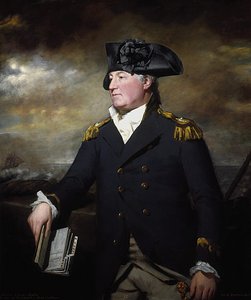
Über den Künstler
Ein Pionier seines Fachs
Sir Henry Raeburn FRSE RA RSA, ein schottischer Porträtmaler, hinterließ mit seinen fesselnden Werken einen bleibenden Eindruck in der Kunstwelt. Geboren am 4. März 1756 in Stockbridge, Edinburgh, Schottland, ist Raeburns künstlerische Reise ein Beweis für seine Hingabe und Leidenschaft.Frühes Leben und Ausbildung
Verwaist in jungen Jahren wurde Raeburn von seinem Bruder William unterstützt und an das Heriot's Hospital gegeben, wo er eine Ausbildung erhielt. Im Alter von 15 Jahren wurde er zum Goldschmied James Gilliland in Edinburgh ausgebildet, wo er seine Fähigkeiten im Schmuckherstellen und in filigranen Zeichnungen auf Elfenbein verfeinerte.Künstlerische Entwicklung
Raeburns Übergang von Miniaturmalerei zur Ölmalerei war ein Wendepunkt in seiner Karriere. Er erlangte ausreichende Fertigkeiten, um sich ausschließlich der Malerei zu widmen, wobei George Chalmers (1776; Dunfermline Town Hall) sein frühester bekanntes Porträt war.Bemerkenswerte Werke und Assoziationen
- Der junge Polospieler von William Bruce Ellis Ranken zeigt Raeburns außergewöhnliches Talent, Bewegung und Energie einzufangen.
- Alexander Allan, eine bedeutende Figur in der schottischen Kunst, wurde von Raeburn gemalt und unterstreicht seine Fähigkeit, das Wesen seiner Motive einzufangen.
Museen und Sammlungen
- Die schottische Nationalgalerie (Edinburgh, Schottland) beherbergt Werke von Raeburn, darunter der weiße Schrecken von Joseph Crawhall.
- Die Frick Collection (New York, Vereinigte Staaten) beherbergt Alexander Allan, ein Beweis für Raeburns internationale Anziehungskraft.
Vermächtnis und Bedeutung
Raeburns Einfluss auf die schottische Kunst ist unbestreitbar. Seine Hingabe daran, das Wesen seiner Motive einzufangen, hat ihn zu einem Pionier in der Welt des Porträts gemacht. Als Sir Henry Raeburn FRSE RA RSA bleibt er ein integraler Bestandteil des reichen künstlerischen Erbes Schottlands.- Weitere Werke von Sir Henry Raeburn FRSE RA RSA finden Sie unter https://ArtsDot.com/@/henry-raeburn
- Erkunden Sie die schottische Nationalgalerie (Edinburgh, Schottland) unter https://ArtsDot.com/@@/d3y8vu-william-mctaggart-spring
- Entdecken Sie mehr über die schottische Kunst unter https://en.wikipedia.org/wiki/scottish_art_in_the_eighteenth_century
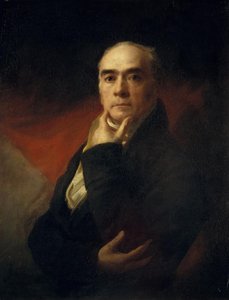
Henry Raeburn
1756 - 1823 , Vereinigtes Königreich
Kurzinfos
- Bemerkenswerte Kunstwerke:
- Die Bogenschützen
- Alexander Allan
- Reverend Robert Walker
- Geburtsdatum: 4. März 1756
- Geburtsort (Stadt, Land): Stockbridge, Vereinigtes Königreich
- Künstler, Die Diesen Künstler Beeinflussten:
- Allan Ramsay
- George Chalmers
- Künstlerische Bewegung Oder Stil: Porträtmalerei, Realismus
- Nationalität: Schottisch
- Sterbedatum: 8. Juli 1823
- Vollständiger Name: Henry Raeburn
Ähnliche Artikel
Sir John Watson Gordon: A Study in Scottish Landscape Painting & Tonal Impressionism
Explore the captivating portraits of Sir John Watson Gordon, a leading Scottish master. Discover his evolution from neoclassical style to atmospheric Tonalism and influence on 19th-century British art. Learn about his iconic sitters & legacy.
Henry Raeburn Dobson: A Scottish Colourist Bridging Tradition & Modernity
Explore the life & work of Henry Raeburn Dobson, a key figure bridging Scottish tradition & modern art. Discover his neoclassical portraits, landscapes, and connection to the Colourists. Learn about collecting his works.
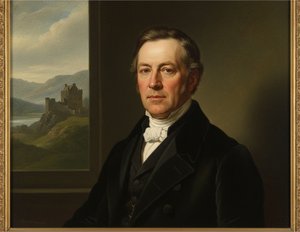
Henry Raeburn: Licht, Charakter und nationale Identität eines schottischen Porträtmeisters
Entdecken Sie das Leben und Werk von Henry Raeburn, dem führenden schottischen Porträtmaler der Aufklärung. Analysen seiner Technik, Aufträge für Georg IV. und sein bleibender Einfluss auf die Kunstgeschichte.
Henri Matisse: Die 25 Meisterwerke des Farbgenies – Kunst für Ihr Zuhause | ArtsDot
Entdecken Sie die 25 Meisterwerke von Henri Matisse! Tauchen Sie ein in die Welt des Fauvismus, der leuchtenden Farben und ikonischen Formen. Kunstreproduktionen & Inspiration für Ihr Zuhause – exklusiv auf ArtsDot.com.
Henry Thomas Dawson: Navigating Light, Sea & Sentiment in Victorian Marine Painting
Explore the captivating world of Henry Thomas Dawson (1811-1878), a master of Victorian marine painting. Discover his evocative coastal scenes, landscapes & lasting artistic legacy. Learn about collecting Dawson's work and find reproductions at ArtsDot.