

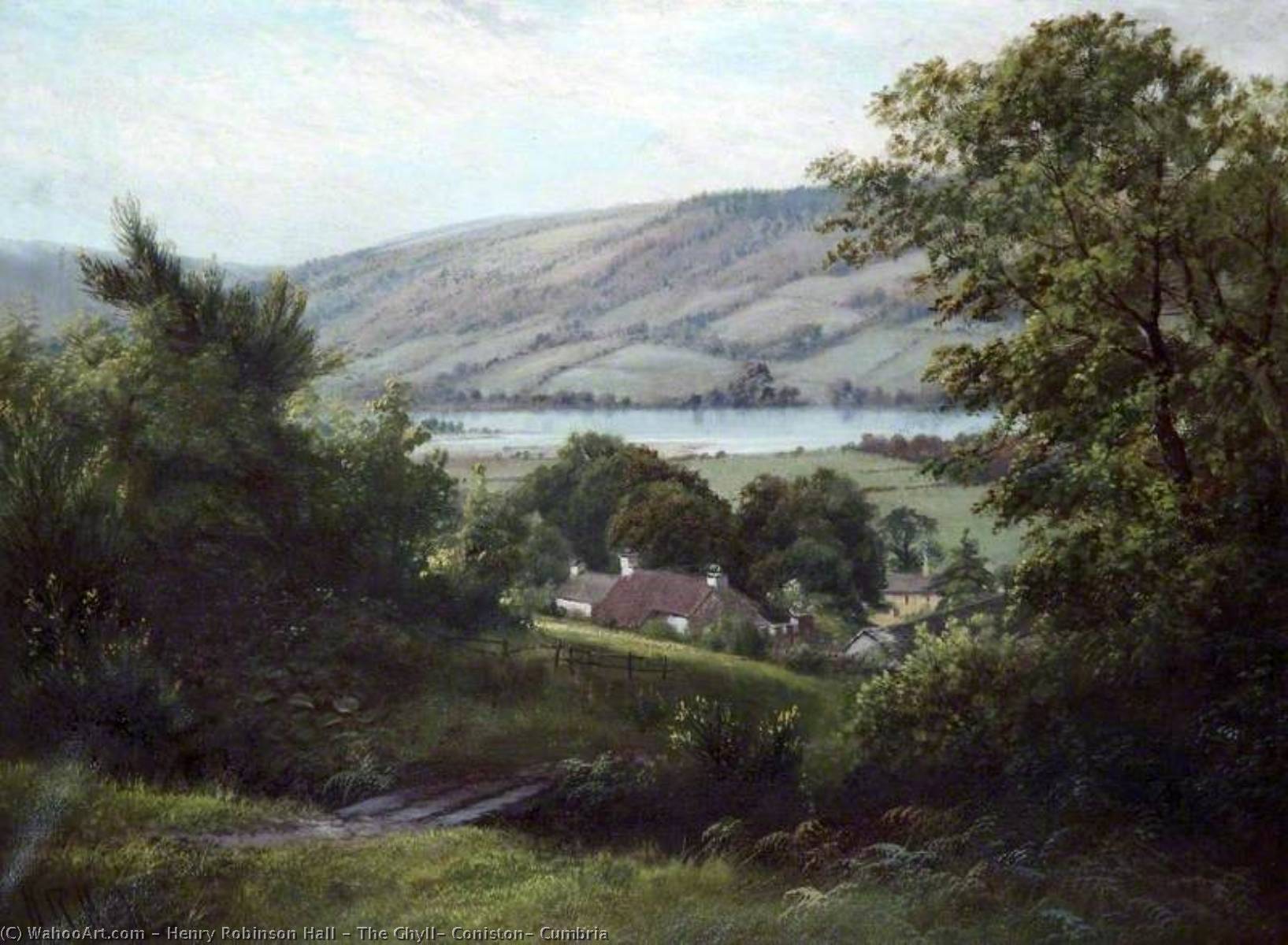
 Vorschau anzeigen
 Versenden
 Teilen
 Details anzeigen

 Herunterladen
 Ähnliche Objekte
 Röntgenaufnahme
 Diashow
 Statistiken
The Ghyll, Coniston, Cumbria
 51.0 x 69.0 cm
 Weiterlesen
Handgefertigte Ölreproduktion
Handgemaltes Ölgemälde auf Leinwand in Ihrer Wunschgröße und mit Rahmen, auf Bestellung von unseren Künstlern angefertigt. ( Zu Druck wechseln Zum digitalen Bild wechseln)




































Wählen Sie aus unseren vordefinierten Formaten, die den ursprünglichen Proportionen des Kunstwerks entsprechen.

Sie können Ihre eigenen Maße eingeben, um einen bestimmten Rahmen oder Platz auszufüllen. Wenn die gewählte Größe nicht den Proportionen des Originalbildes entspricht, werden wir das Kunstwerk entweder beschneiden oder das Gemälde durch zusätzliche, handgemalte Elemente erweitern. Ein digitales Mockup wird Ihnen zur Genehmigung zugesandt, bevor die Produktion beginnt.
Bitte beachten Sie, dass die Bildschirmvorschau nicht die tatsächliche Beschneidung oder Erweiterung widerspiegelt. Nur das Mockup zeigt die endgültige Komposition exakt an.
Obwohl Sondermaße verfügbar sind, empfehlen wir, eine Größe aus der vordefinierten Liste zu wählen, um die ursprünglichen Proportionen beizubehalten.
Nach der Bestellung wird das ArtsDot.com-Team dem Kunden Anweisungen per E-Mail zusenden und eine Mockup-Vorschau bereitstellen.
Weltweiter Versand () in nur 3 bis 4 Wochen statt der üblichen 5 Wochen. (10 September). Keine Kompromisse bei der Qualität.

Kostenloser weltweiter Expressversand

Hochwertige Leinenleinwand

Umfassender Versicherungsschutz beim Versand

Zollgebühren-Rückerstattungsgarantie

Garantie für exakte Farbtreue

100-Tage-Rückgaberecht (nur bei Mängeln)

100% Geld-zurück-Garantie

Mengenrabatt verfügbar
 Die Glasoption ist nur für Größen unter 110 cm verfügbar.

The Ghyll, Coniston, Cumbria
Art der Reproduktion
Format der Reproduktion
-


Gesamtpreis
$ 263
Ähnliche Kunstwerke










Über den Künstler
The Chronicler of Highland Idyllics
Henry Robinson Hall (1859–1927) stands as a poignant figure in the landscape traditions of the Victorian and Edwardian eras, a painter whose brush captured the soul of the British wilderness. Born in the historic City of York to Eliza Robinson, Hall’s early life was marked by a wandering spirit that would eventually lead him to become one of Scotland’s most cherished chroniclers of the Highlands. While his roots were in the north of England, his artistic heart beat for the rugged, mist-shrouded terrains of Loch Maree and the serene waters of Cumbria. His journey through various locales—from the burgeoning artistic atmosphere of Blackpool to the quiet beauty of Coniston—infused his work with a deep sense of place and a profound connection to the rural traditions of the British Isles.
The development of Hall’s artistry was a delicate dance between meticulous observation and atmospheric expression. Though biographical records suggest he sought formal training in London, his true education occurred amidst the shifting lights of the natural world. He moved beyond mere topographical accuracy, instead embracing a style that blended the luminous qualities of Impressionism with a certain Neo-Romantic fervor. This approach allowed him to translate the ephemeral nature of light and weather into permanent oil and watercolor forms. His canvases do not merely show us a landscape; they invite us to feel the dampness of the Highland mist and the warmth of an evening glow, utilizing subtle color gradations and delicate brushstrokes to evoke a sense of profound tranquility.
A Legacy of Light and Livestock
At the heart of Hall’s oeuvre lies an unwavering devotion to the iconic imagery of the Scottish Highlands, most notably his masterful depictions of Highland cattle. These animals, with their rugged textures and commanding presence, became much more than subjects; they were symbols of a pastoral endurance that Hall captured with both dignity and grace. His ability to integrate these creatures into vast, sweeping landscapes—such as Highland Cattle above Loch Maree or his studies of the Isle of Skye—demonstrates a sophisticated command of composition. He possessed a rare talent for balancing the heavy, tactile reality of the livestock against the ethereal, almost translucent quality of the sky and water.
Beyond the cattle, Hall’s repertoire extended to the very essence of the Cumbrian and Scottish landscapes. His works often focused on specific, beloved locations, creating a visual map of beauty that remains vital to this day. Notable achievements in his career include:
- Coniston Lake from Lake Bank: A breathtaking exploration of light and reflection, showcasing his ability to capture the serene interplay between water and mountain.
- The Young Falconer: A captivating narrative piece that brings a touch of human drama and tradition to his landscape mastery.
- A Cattle Raid in the Highlands: An evocative work from 1890 that showcases his ability to handle more dynamic, historical subject matter within a natural setting.
Hall’s recognition during his lifetime was significant; he was a respected member of the artistic community, exhibiting his talents at the prestigious Royal Academy in 1902 and earning fellowship in the North British Academy of Arts. His death in Barrow-in-Furness in 1927 marked the end of an era, yet his legacy persists through the enduring charm of his paintings. Today, his works serve as a window into a lost world of pastoral peace, reminding us of the timeless beauty found in the quiet corners of the Highlands and the enduring spirit of the natural landscape.
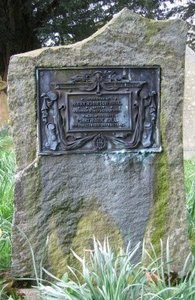
henry robinson hall
1859 - 1927
Kurzinfos
- Artistic Movement Or Style: Victorian Landscape Painting
- Artists Or Movements Influenced By This Artist: ['Romanticism']
- Artists Who Influenced This Artist:
- William Henry Pyne
- Henry William Pickersgill
- Henry Thomas Dawson
- Date Of Birth: York, 1859
- Date Of Death: Barrow-in-Furness, 1927
- Full Name: Henry Robinson Hall
- Nationality: British
- Notable Artworks:
- Coniston Lake from Lake Bank
- The Young Falconer
- Highland Cattle above Loch Maree
- Place Of Birth: England