

 Vorschau anzeigen
 Versenden
 Teilen
 Details anzeigen

 Herunterladen
 Ähnliche Objekte
 Röntgenaufnahme
 Diashow
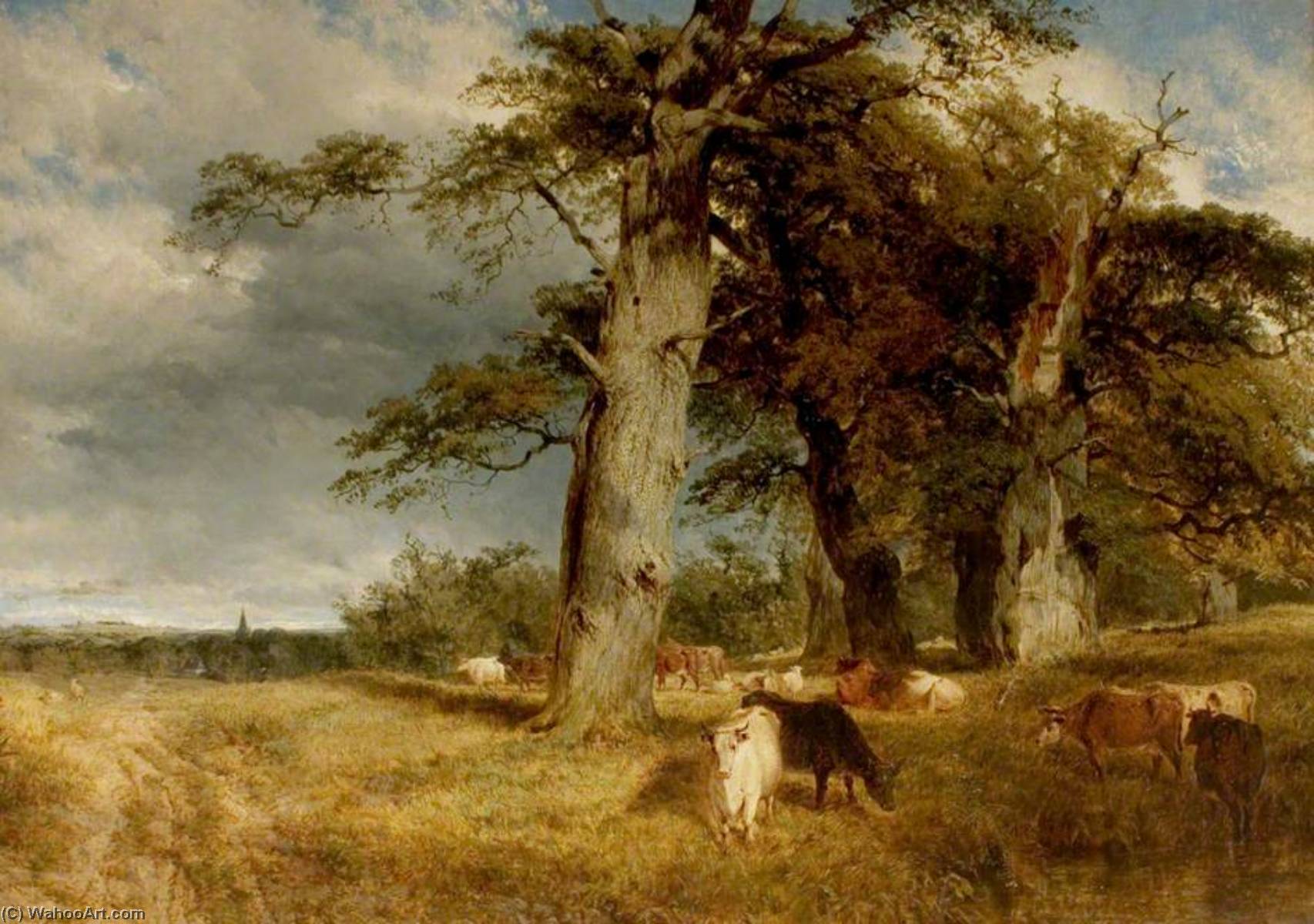
Landscape in the Dukeries, Nottinghamshire
 Oil
Oil- WallArt
- Realism
 1850
1850- 19th Century
 122.0 x 183.0 cm
 Nottingham Castle Museum Und Kunstgalerie
 Weiterlesen
Handgefertigte Ölreproduktion
Handgemaltes Ölgemälde auf Leinwand in Ihrer Wunschgröße und mit Rahmen, auf Bestellung von unseren Künstlern angefertigt. ( Druck bestellen Bild kaufen)




P118B $10

P118H $10

P118W $10

P438Z $10

P508JH $12

P508YH $12

P805H $10

P805Z $10

P919BZ $10

P919G $10

P919XJ $10

P959ZH $10

P968JZ $12

W106C $8

W218G $10

W218JH $8

W218Y $10

W307PJ $10

W316G $10

W316PJ $8

W316Y $10

W398PJ $8

W4111J $10

W500HY $15

W500JH $15

W692G $12

W849H $8

W940BG $15

W953PJ $8




Wählen Sie aus unseren vordefinierten Formaten, die den ursprünglichen Proportionen des Kunstwerks entsprechen.

Sie können Ihre eigenen Maße eingeben, um einen bestimmten Rahmen oder Platz auszufüllen. Wenn die gewählte Größe nicht den Proportionen des Originalbildes entspricht, werden wir das Kunstwerk entweder beschneiden oder das Gemälde durch zusätzliche, handgemalte Elemente erweitern. Ein digitales Mockup wird Ihnen zur Genehmigung zugesandt, bevor die Produktion beginnt.
Bitte beachten Sie, dass die Bildschirmvorschau nicht die tatsächliche Beschneidung oder Erweiterung widerspiegelt. Nur das Mockup zeigt die endgültige Komposition exakt an.
Obwohl Sondermaße verfügbar sind, empfehlen wir, eine Größe aus der vordefinierten Liste zu wählen, um die ursprünglichen Proportionen beizubehalten.
Nach der Bestellung wird das ArtsDot.com-Team dem Kunden Anweisungen per E-Mail zusenden und eine Mockup-Vorschau bereitstellen.
Weltweiter Versand () in nur 3 bis 4 Wochen statt der üblichen 5 Wochen. (21 August). Keine Kompromisse bei der Qualität.

Kostenloser weltweiter Expressversand

Hochwertige Leinenleinwand

Umfassender Versicherungsschutz beim Versand

Zollgebühren-Rückerstattungsgarantie

Garantie für exakte Farbtreue

60 Tage Rückgaberecht (nur bei Mängeln)

100% Geld-zurück-Garantie

Mengenrabatt verfügbar
 Die Glasoption ist nur für Größen unter 110 cm verfügbar.

Landscape in the Dukeries, Nottinghamshire
Art der Reproduktion
Format der Reproduktion
-


Gesamtpreis
$ 263
Beschreibung des Kunstwerks
A Pastoral Symphony in Nottinghamshire
In the quietude of the English countryside, there exists a specific kind of magic found only in the soft interplay of light and shadow across a rolling meadow. Landscape in the Dukeries, Nottinghamshire, painted by the evocative master Henry Thomas Dawson in 1850, serves as a profound window into this serene world. The canvas unfolds with a breathtaking sense of depth, presenting a lush, verdant field that seems to breathe with the vitality of the natural world. Scattered throughout this pastoral stage are several cows, captured in moments of quiet repose; some graze in intimate clusters while others wander solitary across the expanse, their forms grounding the composition in a sense of timeless, rural rhythm. A lone dog, positioned near the heart of the scene, introduces a subtle pulse of life, acting as a silent observer to the peaceful coexistence of domesticity and nature.
The artistry of Dawson is particularly evident in his ability to manipulate atmosphere, a skill that would later define his reputation for maritime brilliance. Here, even in a terrestrial setting, one can sense the influence of the ephemeral. The trees in the background are not merely static silhouettes but are rendered with a soft, hazy quality that suggests the moisture-laden air of a Nottinghamshire morning. This technique creates a sense of atmospheric perspective, drawing the viewer’s eye from the tactile textures of the foreground grass toward the misty, receding layers of the woodland. The brushwork, while maintaining a certain level of detail in the subjects, prioritizes the emotional weight of the light, enveloping the entire landscape in a gentle, golden glow that evokes a feeling of profound tranquility.
The Soul of the English Landscape
To behold this work is to experience the romanticized essence of the Victorian era—a period where the beauty of the countryside was often viewed as a sanctuary from the encroaching industrial world. Dawson’s composition functions as more than just a depiction of geography; it is a symbolic celebration of stability and peace. The presence of the livestock and the watchful dog suggests a harmonious relationship between man, beast, and land, embodying the "simple pleasures" that define the pastoral ideal. For the discerning collector or interior designer, this piece offers an unparalleled opportunity to introduce a sense of calm and historical elegance into a living space. It is a work that does not demand attention through jarring colors, but rather commands it through its ability to soothe the spirit.
For those seeking to adorn a home with a high-quality reproduction, this painting provides a sophisticated focal point that complements both classical and contemporary decors. The expansive 122 x 183 cm scale allows the landscape to truly inhabit a room, transforming a wall into a portal to another time. Whether placed in a sunlit library or a quiet study, the painting’s subtle palette of greens, earth tones, and soft sky blues provides a neutral yet deeply emotive foundation. It is an investment in atmosphere, bringing the enduring, soulful vision of Henry Thomas Dawson into the modern era, ensuring that the peaceful legacy of the Dukeries continues to inspire generations to come.
Ähnliche Kunstwerke
Über den Künstler
Henry Thomas Dawson: A Master of Maritime Visions
Henry Thomas Dawson, a name perhaps less familiar than those of his contemporaries, nevertheless holds a significant place in 19th-century British art. Born in the bustling port city of Hull in 1842, and later residing primarily in Nottinghamshire, Dawson’s artistic journey was largely self-directed, shaped by an innate fascination with the sea and the dramatic landscapes of his native England. While formal training remained elusive – he received only a handful of lessons from J.B. Pyne – this lack of structured instruction arguably fueled his unique vision and allowed him to develop a strikingly individual style. His work, predominantly focused on marine scenes and coastal views, offers a captivating glimpse into the world as he perceived it: a realm of shifting light, turbulent waters, and the enduring beauty of the natural world.Early Life and Artistic Beginnings
Dawson’s early life was marked by modest circumstances. He began his career not in a formal studio, but within the confines of a Nottingham lace factory, a far cry from the artistic circles he would later navigate. However, even amidst the demanding labor, Dawson continued to pursue his passion for painting, selling small works – often at around half-a-crown each – to local patrons. This early dedication demonstrated an unwavering commitment to his craft and laid the foundation for his future success. His family’s move to London in 1851 provided him with access to a wider audience and further opportunities for artistic development, though he continued to maintain strong ties to Nottinghamshire.Influences and Artistic Style
Dawson's artistic style is often described as deeply influenced by the Romanticism of J.M.W. Turner, although it’s crucial to note that Dawson never truly emulated his predecessor. Instead, he absorbed Turner’s atmospheric techniques – particularly his masterful use of light and color – and applied them to his own subject matter with a distinctly personal touch. He possessed an exceptional ability to capture the fleeting effects of weather on water, creating paintings that are both dramatic and serene. His compositions frequently feature expansive vistas, emphasizing the scale and power of nature. Dawson’s works are characterized by a remarkable realism combined with a sensitivity to mood and atmosphere, resulting in images that resonate deeply with viewers.Major Works and Exhibitions
Throughout his career, Dawson exhibited his paintings at several prestigious venues, including the Liverpool Academy, the British Institution, and the Royal Academy. Among his most celebrated works are “The Harbour, Evening,” a stunning depiction of a coastal scene bathed in twilight; "London at Sunrise," capturing the city’s awakening with vibrant hues; and numerous landscapes showcasing the beauty of Nottinghamshire's countryside. His paintings were highly sought after by collectors and institutions alike, contributing to his growing reputation as a talented and insightful artist. Notably, his work was included in a significant exhibition held in Nottingham in 1878, which brought him widespread recognition.Legacy and Historical Significance
Henry Thomas Dawson’s legacy is one of quiet brilliance. While he may not be as widely celebrated as some of his contemporaries, his paintings offer a valuable window into the artistic sensibilities of Victorian England. His masterful depictions of maritime scenes and coastal landscapes continue to captivate viewers today, demonstrating his exceptional skill and profound understanding of light, color, and composition. Dawson’s work is now held in several public collections, including those of Leicester and Richmond Town Halls, ensuring that his art will be enjoyed by generations to come. He represents a significant, if often overlooked, voice within the broader narrative of British landscape painting.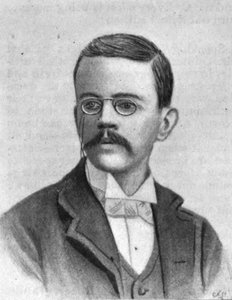
Henry Thomas Dawson
1844 - 1878 , Vereinigtes Königreich
Kurzinfos
- Artistic Movement Or Style: Marine & Landschaftsart
- Artists Or Movements Influenced By This Artist: ['Turner']
- Artists Who Influenced This Artist: ['Turner']
- Date Of Birth: 1842
- Full Name: Henry Thomas Dawson
- Nationality: Britisch
- Notable Artworks:
- Der Hafen, Abend
- London bei Sonnenaufgang
- Place Of Birth: Hull, Vereinigtes Königreich
Ähnliche Artikel
Idyllic Visions: Exploring the Pastoral Scene in Art History – From Arcadia to Modern Interpretations
Explore the captivating history of pastoral art from classical Arcadia to modern masterpieces. Discover key artists like Millet & Cole at ArtsDot. Find serene landscape paintings for your home.

Die schönsten Landschaftsbilder: 10 Meisterwerke für Ihr Zuhause | ArtsDot.com
Entdecken Sie die 10 schönsten Landschaftsbilder der Kunstgeschichte! Von Monet bis Van Gogh – erfahren Sie die Geschichten hinter Meisterwerken & finden Sie Inspiration für Ihr Zuhause. Hochwertige Kunstdrucke auf ArtsDot.com.

John Constable: Die 25 Meisterwerke des englischen Landschaftsgenies – ArtsDot
Entdecken Sie die 25 Meisterwerke von John Constable! Erleben Sie englische Landschaftsmalerei vom Hay Wain bis zur Stour Valley. Hochwertige Reproduktionen & Kunst für Ihr Zuhause auf ArtsDot.com.
Idyllic Visions: Exploring the Pastoral Tradition in Western Art – Themes, Techniques & Enduring Appeal
Explore the rich history of pastoral art from classical Arcadia to contemporary interpretations. Discover key artists, themes & collecting tips at ArtsDot.
Serene Visions: Exploring Themes of Tranquility in Art History & Contemporary Practice
Explore the history of serene landscape art & discover artists who evoke tranquility. Find the perfect calming artwork for your home with expert guidance from ArtsDot.

