

 Vorschau anzeigen
 Versenden
 Teilen
 Details anzeigen

 Herunterladen
 Ähnliche Objekte
 Röntgenaufnahme
 Diashow
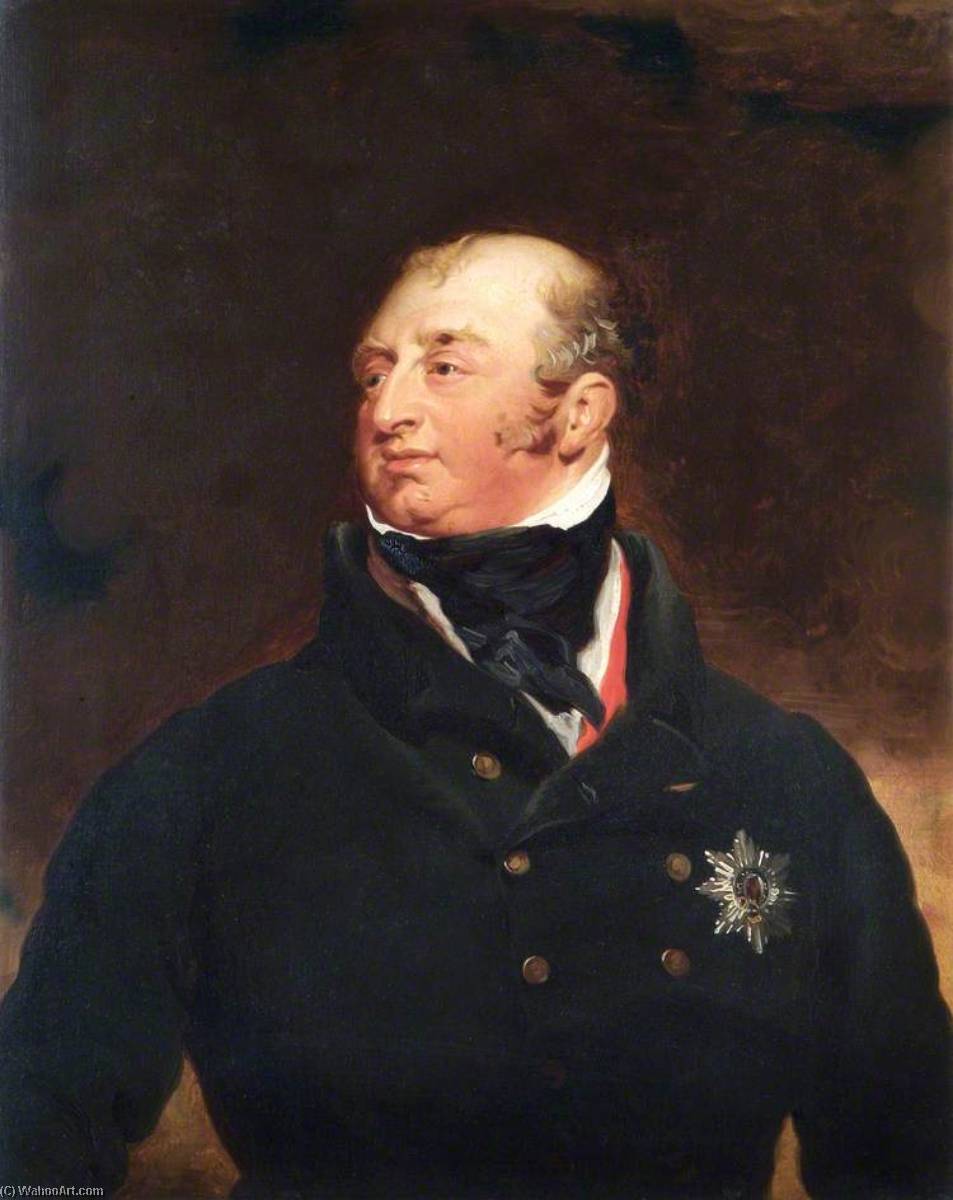
Frederick Augustus (1763–1827), Duke of York and Albany, KG
 1834
1834 28.0 x 24.0 cm
 English Heritage
 Weiterlesen
Giclée / Kunstdruck
Giclée- oder Leinwanddruck in Museumsqualität mit schneller Produktion und flexiblen Veredelungsoptionen. ( Handgemalte Reproduktion bestellen Bild kaufen)




































Wählen Sie aus unseren vordefinierten Formaten, die den ursprünglichen Proportionen des Kunstwerks entsprechen.

Sie können Ihre eigenen Maße eingeben, um ein bestimmtes Format oder einen speziellen Platz einzupassen. Wenn das von Ihnen gewählte Format nicht den Proportionen des Originalbildes entspricht, werden wir das Kunstwerk entweder beschneiden oder das Bild mit einem gespiegelten oder einfarbigen Rand erweitern. Ein digitaler Entwurf wird Ihnen zur Genehmigung zugesandt, bevor die Produktion beginnt.
Bitte beachten Sie, dass die Vorschau auf dem Bildschirm nicht den tatsächlichen Zuschnitt oder die Erweiterung widerspiegelt. Nur der Entwurf zeigt die endgültige Komposition präzise an.
Obwohl Sondermaße verfügbar sind, empfehlen wir die Auswahl eines Maßes aus der vordefinierten Liste, um die ursprünglichen Proportionen zu bewahren.
Weltweiter Versand () innerhalb von 2 Wochen statt der üblichen 4/5 Wochen. (6 September)

Kostenloser weltweiter Expressversand

Hochwertige Leinenleinwand

Umfassender Versicherungsschutz beim Versand

Zollgebühren-Rückerstattungsgarantie

Garantie für exakte Farbtreue

100 Tage Rückgaberecht (nur bei Mängeln)

100% Geld-zurück-Garantie

Mengenrabatt verfügbar
 Die Glasoption ist nur für Größen unter 110 cm verfügbar.

Frederick Augustus (1763–1827), Duke of York and Albany, KG
Giclée / Kunstdruck
Format der Reproduktion
-


Gesamtpreis
$ 62
Ähnliche Kunstwerke









Über den Künstler
The Quiet Brilliance of Henry Wyatt: A Legacy of Victorian Precision
In the grand tapestry of nineteenth-century British art, few threads possess the delicate strength and understated elegance found in the works of Henry Wyatt. Born on September 17, 1794, in the quiet village of Thickbroom, near Lichfield, Wyatt’s journey from a young boy in Staffordshire to a celebrated figure of the Victorian era is a testament to raw talent guided by disciplined mentorship. Following the untimely death of his father when Wyatt was only three, his upbringing was shaped by his guardian, Francis Eginton, a renowned glass-painter in Birmingham. It was Eginton who first recognized the boy’s innate aptitude for the visual arts, eventually propelling him toward the vibrant artistic epicenter of London in 1811. This early exposure to the craft of decorative painting laid the groundwork for a career defined by an extraordinary eye for detail and a profound respect for the nuances of light and form.
Wyatt’s formal education was marked by a rapid ascent through the most prestigious institutions of his day. After being admitted to the Royal Academy school in 1812, he secured a pivotal position in 1815 as a pupil in the studio of Sir Thomas Lawrence, one of the most celebrated portraitists of the age. Under Lawrence’s tutelage, Wyatt refined a technique that balanced the grandiosity of the Regency style with a more intimate, psychological realism. This period of intense study allowed him to master the art of the "subject picture" and the portrait, blending the ability to capture a sitter's social standing with an uncanny ability to reveal their inner character. As he moved through the industrial hubs of Birmingham, Liverpool, and Manchester, his reputation grew alongside the rising prominence of the British middle class, who sought portraits that reflected both their newfound prosperity and their personal dignity.
Mastery of Form and the Emotional Landscape
The artistry of Henry Wyatt is best understood through his remarkable command over color and composition. He was not merely a chronicler of faces but a master of atmosphere. His work often eschewed the flamboyant, theatrical brushwork common among some of his contemporaries, opting instead for a restrained palette and a meticulous approach to texture. Whether rendering the heavy silk of a gown or the subtle translucency of skin, Wyatt’s technical prowess ensured that every element of his compositions served a narrative purpose. His ability to act as a "good colourist," as noted by historical contemporaries, allowed him to breathe life into his subjects, creating works that felt both timeless and immediate.
Beyond the mere physical likeness, Wyatt’s genre paintings and subject pictures explored deeper thematic territories:
- Psychological Depth: His portraits often captured a sense of quiet introspection, moving beyond superficial beauty to touch upon the vulnerability of the human condition.
- Social Observation: Through his depictions of various social strata, he provided a visual record of the shifting dynamics of Victorian society.
- Symbolic Realism: In works such as Vigilance, exhibited at the Royal Academy in 1836, he utilized classical motifs to convey moral and emotional truths.
However, the brilliance of Wyatt’s career was tragically cut short by the very fragility he so expertly captured in his subjects. In 1837, while traveling to Manchester for new commissions, he was struck by a sudden and debilitating paralysis. This illness forced him to retreat from the bustling London art scene to the more tranquil surroundings of Leamington. Though he continued to work, the vibrant energy of his earlier years was tempered by physical decline. He passed away on February 27, 1840, in Prestwich, leaving behind a body of work that remains a cornerstone of English portraiture. Today, his legacy lives on in the permanent collections of institutions like the Tate and Art UK, where his paintings continue to enchant viewers with their profound grace and enduring historical significance.
henry wyatt
1794 - 1840
Kurzinfos
- Artistic Movement Or Style: Victorian Portraiture, Realism
- Artists Who Influenced This Artist:
- John Opie
- Sir Thomas Lawrence
- Date Of Birth: 1794
- Date Of Death: 1840
- Full Name: Henry Wyatt
- Nationality: British
- Notable Artworks:
- Ellen Turner of Helmshore
- Vigilance
- Rear Admiral Sir Charles Cunningham
- Place Of Birth: Thickbroom, England