 Vorschau anzeigen
 Versenden
 Teilen
 Details anzeigen

 Herunterladen
 Ähnliche Objekte
 Röntgenaufnahme
 Diashow
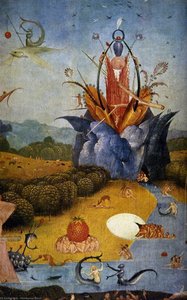
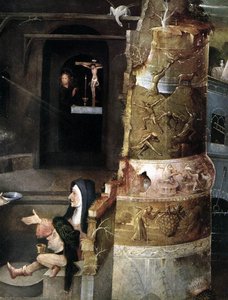
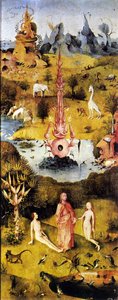
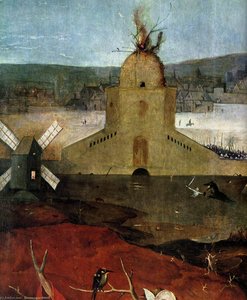
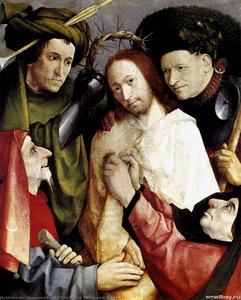
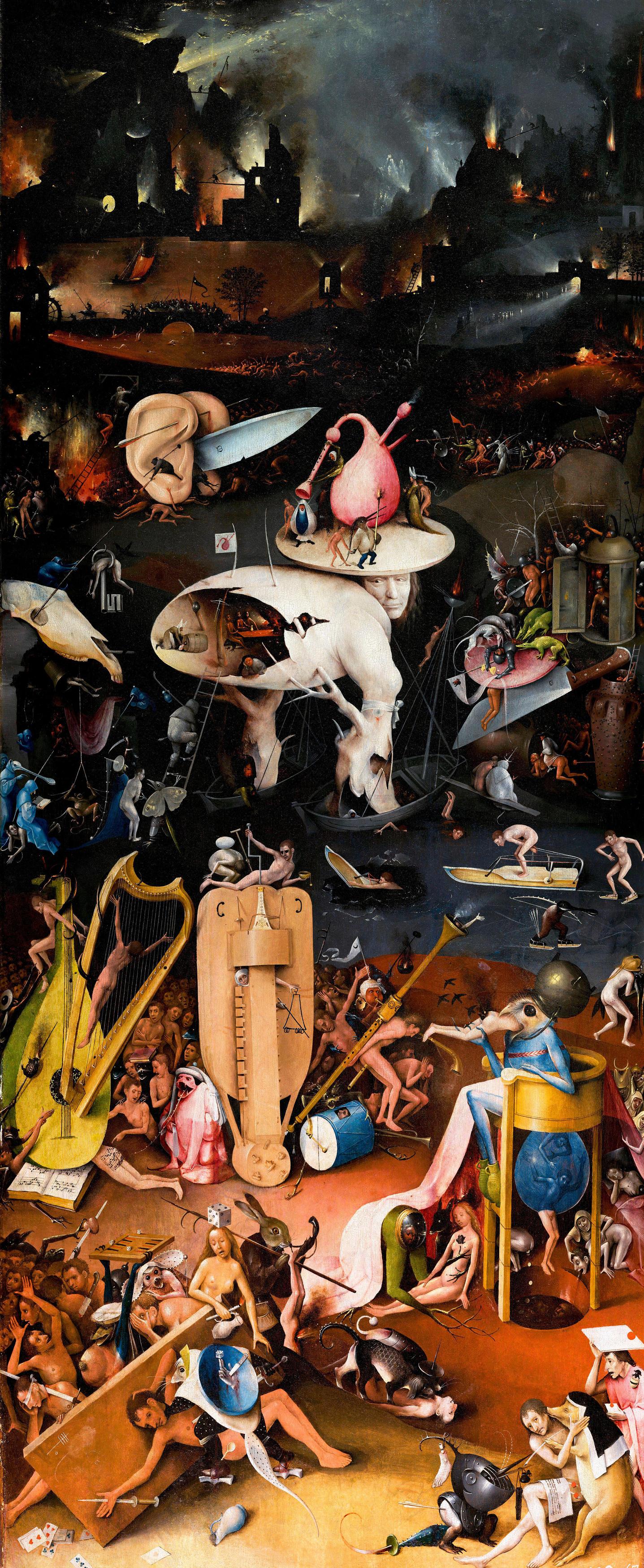
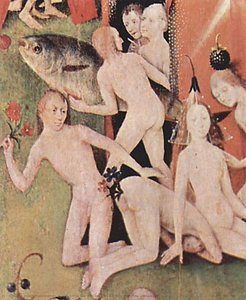
Garden of Earthly Delights right wing


 Weiterlesen
Giclée / Kunstdruck
Giclée- oder Leinwanddruck in Museumsqualität mit schneller Produktion und flexiblen Veredelungsoptionen. ( Handgemalte Reproduktion bestellen Bild kaufen)




P118B $10

P118H $10

P118W $10

P438Z $10

P508JH $12

P508YH $12

P805H $10

P805Z $10

P919BZ $10

P919G $10

P919XJ $10

P959ZH $10

P968JZ $12

W106C $8

W218G $10

W218JH $8

W218Y $10

W307PJ $10

W316G $10

W316PJ $8

W316Y $10

W398PJ $8

W4111J $10

W500HY $15

W500JH $15

W692G $12

W849H $8

W940BG $15

W953PJ $8




Wählen Sie aus unseren vordefinierten Formaten, die den ursprünglichen Proportionen des Kunstwerks entsprechen.

Sie können Ihre eigenen Maße eingeben, um ein bestimmtes Format oder einen speziellen Platz einzupassen. Wenn das von Ihnen gewählte Format nicht den Proportionen des Originalbildes entspricht, werden wir das Kunstwerk entweder beschneiden oder das Bild mit einem gespiegelten oder einfarbigen Rand erweitern. Ein digitaler Entwurf wird Ihnen zur Genehmigung zugesandt, bevor die Produktion beginnt.
Bitte beachten Sie, dass die Vorschau auf dem Bildschirm nicht den tatsächlichen Zuschnitt oder die Erweiterung widerspiegelt. Nur der Entwurf zeigt die endgültige Komposition präzise an.
Obwohl Sondermaße verfügbar sind, empfehlen wir die Auswahl eines Maßes aus der vordefinierten Liste, um die ursprünglichen Proportionen zu bewahren.
Weltweiter Versand () innerhalb von 2 Wochen statt der üblichen 4/5 Wochen. (23 August)

Kostenloser weltweiter Expressversand

Hochwertige Leinenleinwand

Umfassender Versicherungsschutz beim Versand

Zollgebühren-Rückerstattungsgarantie

Garantie für exakte Farbtreue

60 Tage Rückgaberecht (nur bei Mängeln)

100% Geld-zurück-Garantie

Mengenrabatt verfügbar
 Die Glasoption ist nur für Größen unter 110 cm verfügbar.

Garden of Earthly Delights right wing
Giclée / Kunstdruck
Format der Reproduktion
-


Gesamtpreis
$ 62
Sammlerstück-Beschreibung
A Descent into Delight: Exploring Bosch's "Garden of Earthly Delights" (Right Wing)
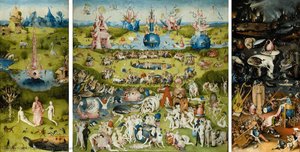
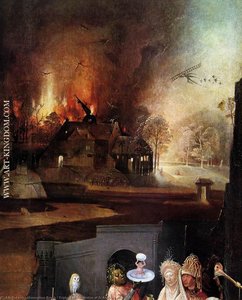
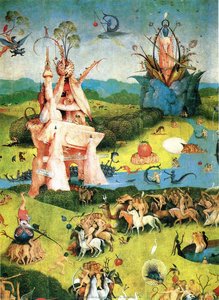
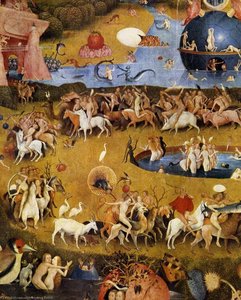
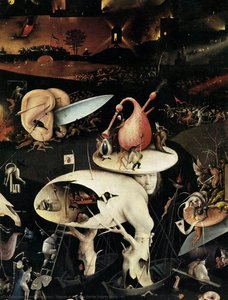
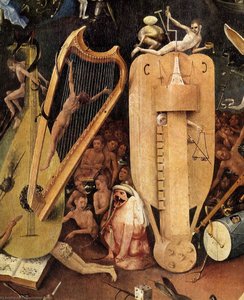
Hieronymus Bosch’s “Garden of Earthly Delights,” particularly its arresting right wing, remains one of the most profoundly unsettling and captivating works in the history of art. Painted between 1490 and 1510, this triptych offers a visual labyrinth of fantastical imagery, inviting viewers into a world simultaneously alluring and deeply disturbing. The right wing, in particular, plunges us headfirst into a scene of unrestrained hedonism, a stark contrast to the more overtly moralistic elements found elsewhere within the larger composition.
- Subject Matter: The central focus is a grotesque banquet – a chaotic gathering of nude figures indulging in bizarre and often violent activities. This isn’t simply a depiction of pleasure; it's an exploration of humanity’s potential for excess, corruption, and the dangers of unchecked desire.
- Style & Technique: Bosch’s meticulous attention to detail is immediately apparent. He employs a highly realistic style, rendering every scale on a fish, every ripple in water, and every expression on a face with astonishing precision. The painting's surface is built up through numerous layers of thin glazes – a technique known as *glazing* – which creates an incredible luminosity and depth of color.
- Color Palette: The palette is dominated by rich, earthy tones—ochres, browns, and reds— punctuated by vibrant blues and greens. These colors contribute to the painting’s unsettling atmosphere, enhancing the sense of both beauty and decay.
Symbolism – A Complex Tapestry of Meaning
Bosch's work is saturated with symbolism, drawing heavily from late medieval religious texts, folklore, and contemporary anxieties. The banquet itself represents a fallen paradise, a rejection of God’s intended order. Notice the numerous animals—birds, fish, reptiles—each carrying symbolic weight. The presence of monstrous creatures, like the winged lion and the grotesque figures consuming fruits, speaks to humanity's struggle against temptation and sin. The overflowing abundance – the mountains of food, the bizarre instruments of pleasure – is a visual representation of earthly greed and the futility of material pursuits. It’s crucial to remember that Bosch was writing during a time of immense social upheaval, marked by religious questioning and growing concerns about morality.
- The Fruit: The abundance of fruit symbolizes temptation and the consequences of succumbing to desire.
- The Animals: Each animal carries symbolic weight, representing various aspects of human nature – lust, greed, cruelty, and innocence.
- The Figures: The nude figures are not simply representations of beauty; they embody humanity’s vulnerability and susceptibility to sin.
Historical Context & Artistic Legacy
Bosch's work emerged during a period of profound religious and social change in the Netherlands. The rise of humanism, coupled with anxieties about heresy and corruption within the Catholic Church, fueled a climate of intense scrutiny and moral questioning. Bosch’s art reflects this atmosphere, offering a critical commentary on contemporary society while simultaneously engaging with established religious iconography. His unique style—characterized by its meticulous detail, fantastical imagery, and unsettling symbolism—quickly gained him a devoted following, though he remained largely unknown during his lifetime. His influence can be seen in later artists such as Pieter Bruegel the Elder, who similarly explored themes of morality and human folly.
- Late Medieval Religious Thought: Bosch’s work is deeply rooted in late medieval religious thought, particularly the writings of Augustine and Aquinas.
- Social Commentary: The painting serves as a powerful social commentary on the moral failings of society.
- Unique Artistic Vision: Bosch's distinctive style—characterized by its meticulous detail and fantastical imagery—established him as one of the most original and influential artists of the Northern Renaissance.
Capturing the Essence – A Hand-Painted Reproduction
A hand-painted reproduction of Hieronymus Bosch’s “Garden of Earthly Delights” (Right Wing) offers a remarkable opportunity to experience the full power of this iconic artwork. Each brushstroke, each meticulously rendered detail, is faithfully recreated by our skilled artisans, ensuring that you possess a piece of art history that will captivate and inspire for generations to come. This reproduction isn’t merely an image; it's a tangible connection to one of the most enigmatic and enduring visions in Western art.
Ähnliche Kunstwerke
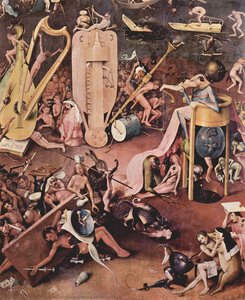
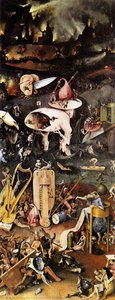
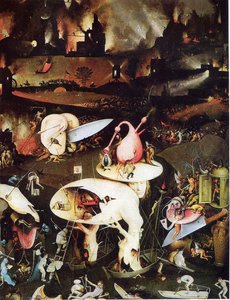

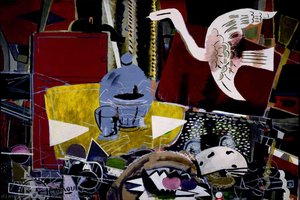
Über den Künstler
Leben und Karriere
Hieronymus Bosch, ein bedeutender niederländischer/niederländischer Maler aus Brabant, wurde um 1450 in 's-Hertogenbosch, Niederlande, geboren. Sein Leben bleibt einem Mysterium geweiht, mit nur wenigen Aufzeichnungen über seine Existenz. Trotz des Mangels an biografischen Informationen hat sich Boschs Kunst einen tiefgreifenden Einfluss auf die nordeuropäische Kunst erarbeitet, insbesondere im 16. Jahrhundert.Künstlerischer Stil und Einflüsse
Boschs einzigartiger Stil, der durch **surreale und fantasievolle Darstellungen religiöser Themen** gekennzeichnet ist, hat weitreichende Einflüsse ausgeübt. Seine Ölgemälde auf Eichenholz, oft mit **düsteren und traumhaften Visionen der Hölle** ausgestattet, wurden zahlreichen Interpretationen unterzogen. Das Triptychon des letzten Gerichts (ca. 1480-1490) und das Garten der sinnlichen Freuden (ca. 1490-1510) sind zwei seiner bekanntesten Werke, die seine Meisterschaft in der Technik demonstrieren.Bekannte Werke und Sammlungen
* Aufstieg der Seligen (Nordische Renaissance, Öl auf Holzplatte): Ein seltenes Beispiel von Boschs Werk, das eine traumhafte, andereweltliche Szene zeigt. * Epifanie (ca. 1495, Prado Museum, Madrid): Ein Triptychon, das Boschs innovative Verwendung von Öl auf Holz demonstriert. * Kopf eines Halberdiers (Prado Museum, Madrid): Ein feines Beispiel für Boschs Porträtkunst, das seine Detailgenauigkeit zeigt.Museen und Sammlungen mit Boschs Werken
* Das Prado Museum, Madrid: Beherbergt einige seiner berühmtesten Werke, darunter Epifanie und das Triptychon des letzten Gerichts. * Das Philadelphia Museum of Art, Philadelphia: Präsentiert eine Version der Epifanie und bietet so einen einzigartigen Blick auf Boschs künstlerischen Stil.- Erfahren Sie mehr über die Werke von Hieronymus Bosch unter https://ArtsDot.com/@/hieronymus-bosch
- Entdecken Sie die frühe niederländische Kunstbewegung und ihre wichtigsten Figuren, darunter Jan van Eyck und Pieter Bruegel der Ältere, unter https://ArtsDot.com/@@/a@d3cpaf-the-erly-netherlandish-art-movement
- Erfahren Sie mehr über das Leben und Werk von Pieter Bruegel dem Älteren unter https://en.wikipedia.org/wiki/pieter_bruegel_the_elder
Vermächtnis
Hieronymus Boschs rätselhafter Stil hat Kunstliebhaber seit Jahrhunderten in seinen Bann gezogen, und sein Einfluss ist auch heute noch bei zahlreichen Künstlern zu sehen. Seine einzigartige Kombination aus **Surrealismus und tiefgründigen Einsichten in die menschliche Natur** hat seine Position als Meister der niederländischen Malerei gefestigt.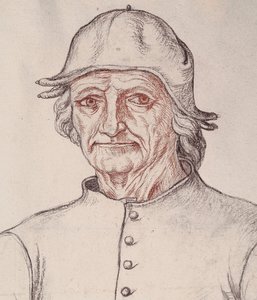
Hieronymus Bosch
1450 - 1516 , Niederlande
Kurzinfos
- Beeinflusste Künstler: ['Pieter Bruegel d.Ä.']
- Bemerkenswerte Werke:
- Garten der Lüste
- Letztes Gericht Triptychon
- Aufstieg der Seligen
- Epiphanias
- Geburtsdatum: ca. 1450
- Geburtsort: 's-Hertogenbosch, Niederlande
- Künstlerische Einflüsse:
- Jan van Eyck
- Pieter Bruegel d.Ä.
- Künstlerischer Stil: Frühflämische Malerei
- Nationalität: Niederländisch
- Sterbedatum: 1516
- Vollständiger Name: Hieronymus Bosch
Ähnliche Artikel
Hieronymus Bosch: Die 25 Meisterwerke des düsteren Genies – Kunst für Ihr Zuhause | ArtsDot
Entdecken Sie die 25 faszinierendsten Meisterwerke von Hieronymus Bosch! Tauchen Sie ein in die düstere Schönheit niederländischer Malerei, religiöse Symbolik und fantastische Welten. Hochwertige Kunstdrucke & Inspiration für Ihr Zuhause auf ArtsDot.com.

Giclée Prints: Archival Quality & Aesthetic Nuances for the Discerning Collector
Explore the world of giclée prints with ArtsDot. Learn about archival quality, aesthetic nuances & investment potential. Expert guidance for discerning art collectors seeking museum-quality reproductions and lasting value.
Cultivating Paradise: A Historical & Artistic Exploration of Gardens in Painting
Explore the rich history of gardens in painting! Discover masterpieces from Renaissance to Impressionism & beyond. Learn about symbolism, artists like Monet & Klimt, and find your perfect artwork at ArtsDot.
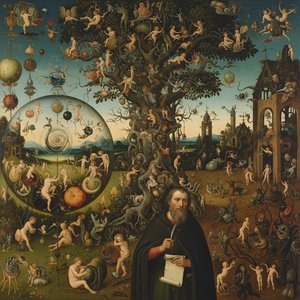
Hieronymus Bosch: Die Entschlüsselung einer visionären Meisterwerk und seiner tiefgründigen Symbolik
Entdecken Sie die faszinierende Welt des Hieronymus Bosch! Unsere Expertenanalyse enthüllt die tiefgründige Symbolik seiner Meisterwerke, von 'Der Garten der Lüste' bis zum Triptychon des Heiligen Antonius. Erfahren Sie mehr über Leben, Werk und bleibenden Einfluss dieses einzigartigen Künstlers.

The Enduring Legacy of Fine Art Prints: Technique, History & Aesthetic Impact
Explore the rich history & techniques of fine art prints. Discover investment potential, assess authenticity, and learn how to preserve your collection with expert guidance. Trusted insights for discerning collectors.