 Vorschau anzeigen
 Versenden
 Teilen
 Details anzeigen

 Herunterladen
 Ähnliche Objekte
 Röntgenaufnahme
 Diashow
 Statistiken
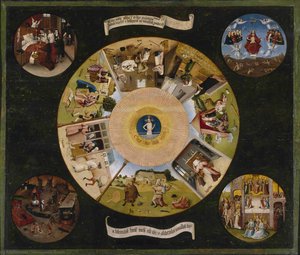
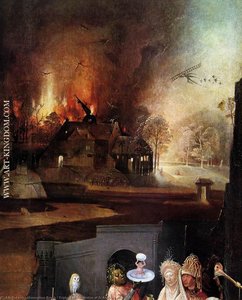
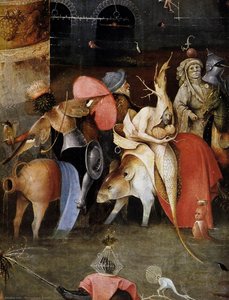
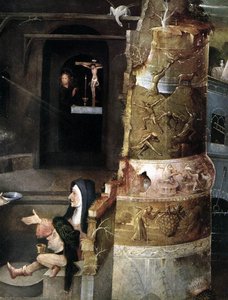
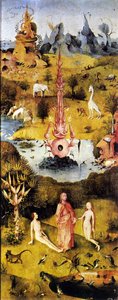
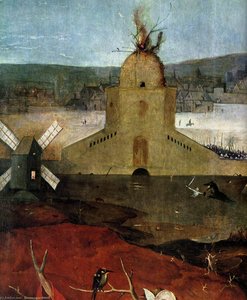
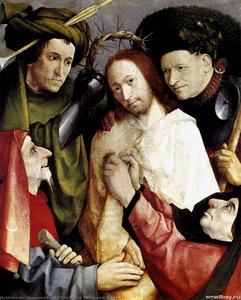
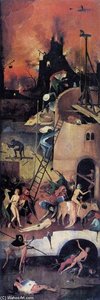
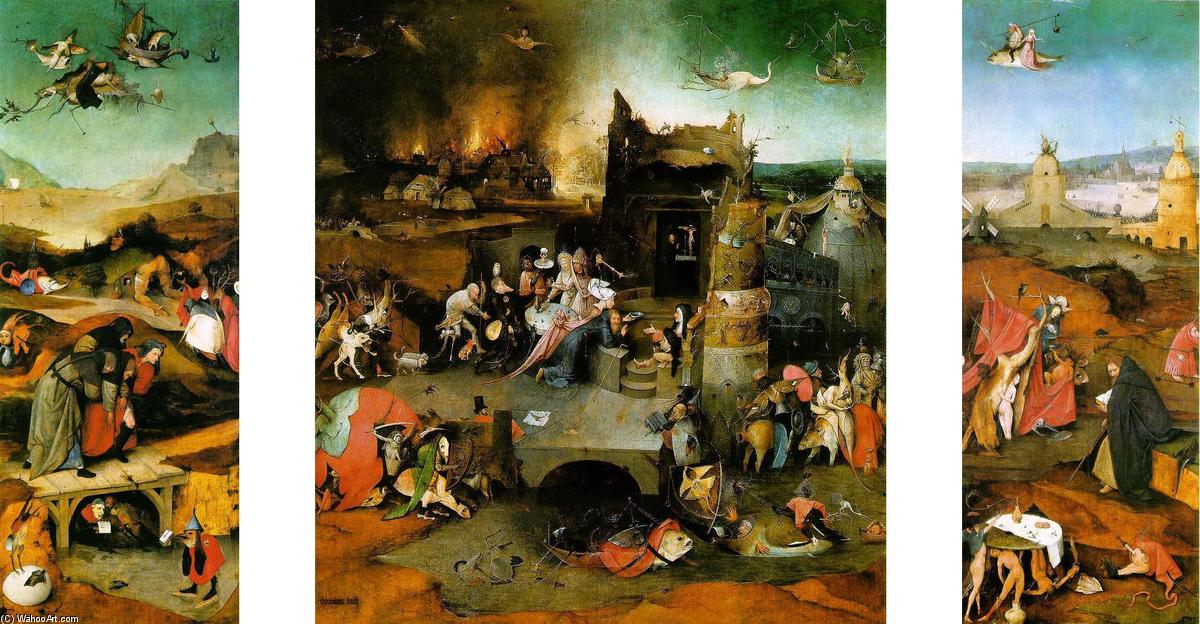
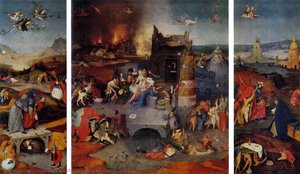
Triptych: The Temptation of St. Anthony
 Oil On Panel
- WallArt
- Northern Renaissance
 1516
1516- Renaissance
 119.0 x 131.0 cm
 Weiterlesen
Handgefertigte Ölreproduktion
Handgemaltes Ölgemälde auf Leinwand in Ihrer Wunschgröße und mit Rahmen, auf Bestellung von unseren Künstlern angefertigt. ( Zu Druck wechseln Zum digitalen Bild wechseln)




P118B $10

P118H $10

P118W $10

P438Z $10

P508JH $12

P508YH $12

P805H $10

P805Z $10

P919BZ $10

P919G $10

P919XJ $10

P959ZH $10

P968JZ $12

W106C $8

W218G $10

W218JH $8

W218Y $10

W307PJ $10

W316G $10

W316PJ $8

W316Y $10

W398PJ $8

W4111J $10

W500HY $15

W500JH $15

W692G $12

W849H $8

W940BG $15

W953PJ $8




Wählen Sie aus unseren vordefinierten Formaten, die den ursprünglichen Proportionen des Kunstwerks entsprechen.

Sie können Ihre eigenen Maße eingeben, um einen bestimmten Rahmen oder Platz auszufüllen. Wenn die gewählte Größe nicht den Proportionen des Originalbildes entspricht, werden wir das Kunstwerk entweder beschneiden oder das Gemälde durch zusätzliche, handgemalte Elemente erweitern. Ein digitales Mockup wird Ihnen zur Genehmigung zugesandt, bevor die Produktion beginnt.
Bitte beachten Sie, dass die Bildschirmvorschau nicht die tatsächliche Beschneidung oder Erweiterung widerspiegelt. Nur das Mockup zeigt die endgültige Komposition exakt an.
Obwohl Sondermaße verfügbar sind, empfehlen wir, eine Größe aus der vordefinierten Liste zu wählen, um die ursprünglichen Proportionen beizubehalten.
Nach der Bestellung wird das ArtsDot.com-Team dem Kunden Anweisungen per E-Mail zusenden und eine Mockup-Vorschau bereitstellen.
Weltweiter Versand () in nur 3 bis 4 Wochen statt der üblichen 5 Wochen. (9 September). Keine Kompromisse bei der Qualität.

Kostenloser weltweiter Expressversand

Hochwertige Leinenleinwand

Umfassender Versicherungsschutz beim Versand

Zollgebühren-Rückerstattungsgarantie

Garantie für exakte Farbtreue

100-Tage-Rückgaberecht (nur bei Mängeln)

100% Geld-zurück-Garantie

Mengenrabatt verfügbar
 Die Glasoption ist nur für Größen unter 110 cm verfügbar.

Triptych: The Temptation of St. Anthony
Art der Reproduktion
Format der Reproduktion
-


Gesamtpreis
$ 263
A Descent into the Hallucinatory Sublime
To stand before Hieronymus Bosch’s Triptych: The Temptation of St. Anthony is to abandon the safety of reality and step into a fever dream of unparalleled complexity. Created around 1501, this masterpiece serves as a haunting testament to the spiritual anxieties that gripped Europe during the transition from the Middle Ages to the Renaissance. Bosch does not merely illustrate a biblical narrative; he constructs an immersive, psychological landscape where the boundaries between the divine, the demonic, and the earthly dissolve into a singular, breathtaking vision of moral struggle. The work functions as a window into the subconscious, inviting viewers to navigate a labyrinthine world populated by grotesque figures and bizarre, hybrid creatures that seem to pulse with a life of their own.
The narrative unfolds across three panels, each acting as a stage for the saint’s arduous battle against temptation. In the central panel, we find Saint Anthony besieged by an onslaught of avian nightmares—birds that represent evil spirits attempting to breach his spiritual defenses. Below him, a table laden with food serves as a potent symbol of earthly desires and the distractions that threaten to derail a life of ascetic devotion. The composition is meticulously crafted to provoke contemplation; every creature and every movement within the frame is designed to stir the soul, forcing the observer to confront the perils of succulating to sinful impulses.
The Alchemy of Symbolism and Technique
Bosch’s artistic language is a unique blend of Northern Renaissance precision and a visionary, almost surrealist imagination. Utilizing oil paint on wood panels, he employs a technique that allows for extraordinary detail, capturing the minute textures of scales, feathers, and flesh. This meticulousness is essential to the painting's impact; the more realistic the grotesque elements appear, the more unsettling their presence becomes. His style transcends the conventional religious iconography of his era, moving away from static portraits toward a dynamic, panoramic storytelling that feels remarkably modern in its psychological depth.
Every element within this triptych is laden with profound moral significance. The figures engaged in conversation or feasting embody the corruption of societal pleasures, while the terrifying monsters emerging from the landscape represent the chaotic nature of sin. For the discerning collector or interior designer, this piece offers more than just visual splendor; it provides a profound intellectual and emotional anchor. A high-quality reproduction of this work brings into a space a sense of historical gravity and a conversation piece that challenges the eye and the mind alike.
An Eternal Legacy for the Modern Collector
Beyond its historical importance, the Temptation of St. Anthony continues to resonate because it speaks to the universal human experience of conflict—the struggle between our highest ideals and our most primal instincts. It is a work that demands attention, making it an ideal centerpiece for those seeking to infuse their environment with character, mystery, and a touch of the sublime. Whether displayed in a private gallery or as a focal point in a sophisticated living space, this reproduction allows the enduring genius of Bosch to illuminate the modern world, reminding us of the eternal dance between light and shadow.
Ähnliche Kunstwerke

Über den Künstler
Leben und Karriere
Hieronymus Bosch, ein bedeutender niederländischer/niederländischer Maler aus Brabant, wurde um 1450 in 's-Hertogenbosch, Niederlande, geboren. Sein Leben bleibt einem Mysterium geweiht, mit nur wenigen Aufzeichnungen über seine Existenz. Trotz des Mangels an biografischen Informationen hat sich Boschs Kunst einen tiefgreifenden Einfluss auf die nordeuropäische Kunst erarbeitet, insbesondere im 16. Jahrhundert.Künstlerischer Stil und Einflüsse
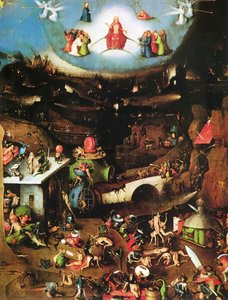
Boschs einzigartiger Stil, der durch **surreale und fantasievolle Darstellungen religiöser Themen** gekennzeichnet ist, hat weitreichende Einflüsse ausgeübt. Seine Ölgemälde auf Eichenholz, oft mit **düsteren und traumhaften Visionen der Hölle** ausgestattet, wurden zahlreichen Interpretationen unterzogen. Das Triptychon des letzten Gerichts (ca. 1480-1490) und das Garten der sinnlichen Freuden (ca. 1490-1510) sind zwei seiner bekanntesten Werke, die seine Meisterschaft in der Technik demonstrieren.Bekannte Werke und Sammlungen
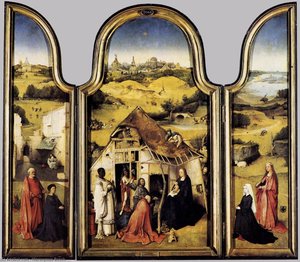
* Aufstieg der Seligen (Nordische Renaissance, Öl auf Holzplatte): Ein seltenes Beispiel von Boschs Werk, das eine traumhafte, andereweltliche Szene zeigt. * Epifanie (ca. 1495, Prado Museum, Madrid): Ein Triptychon, das Boschs innovative Verwendung von Öl auf Holz demonstriert. * Kopf eines Halberdiers (Prado Museum, Madrid): Ein feines Beispiel für Boschs Porträtkunst, das seine Detailgenauigkeit zeigt.Museen und Sammlungen mit Boschs Werken
* Das Prado Museum, Madrid: Beherbergt einige seiner berühmtesten Werke, darunter Epifanie und das Triptychon des letzten Gerichts. * Das Philadelphia Museum of Art, Philadelphia: Präsentiert eine Version der Epifanie und bietet so einen einzigartigen Blick auf Boschs künstlerischen Stil.- Erfahren Sie mehr über die Werke von Hieronymus Bosch unter https://ArtsDot.com/@/hieronymus-bosch
- Entdecken Sie die frühe niederländische Kunstbewegung und ihre wichtigsten Figuren, darunter Jan van Eyck und Pieter Bruegel der Ältere, unter https://ArtsDot.com/@@/a@d3cpaf-the-erly-netherlandish-art-movement
- Erfahren Sie mehr über das Leben und Werk von Pieter Bruegel dem Älteren unter https://en.wikipedia.org/wiki/pieter_bruegel_the_elder
Vermächtnis
Hieronymus Boschs rätselhafter Stil hat Kunstliebhaber seit Jahrhunderten in seinen Bann gezogen, und sein Einfluss ist auch heute noch bei zahlreichen Künstlern zu sehen. Seine einzigartige Kombination aus **Surrealismus und tiefgründigen Einsichten in die menschliche Natur** hat seine Position als Meister der niederländischen Malerei gefestigt.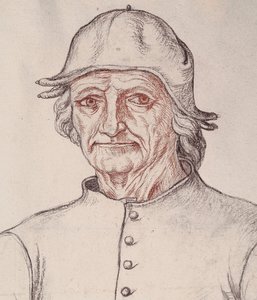
Hieronymus Bosch
1450 - 1516 , Niederlande
Kurzinfos
- Beeinflusste Künstler: ['Pieter Bruegel d.Ä.']
- Bemerkenswerte Werke:
- Garten der Lüste
- Letztes Gericht Triptychon
- Aufstieg der Seligen
- Epiphanias
- Geburtsdatum: ca. 1450
- Geburtsort: 's-Hertogenbosch, Niederlande
- Künstlerische Einflüsse:
- Jan van Eyck
- Pieter Bruegel d.Ä.
- Künstlerischer Stil: Frühflämische Malerei
- Nationalität: Niederländisch
- Sterbedatum: 1516
- Vollständiger Name: Hieronymus Bosch
Ähnliche Artikel
Hieronymus Bosch: Die Entschlüsselung einer visionären Meisterwerk und seiner tiefgründigen Symbolik
Entdecken Sie die faszinierende Welt des Hieronymus Bosch! Unsere Expertenanalyse enthüllt die tiefgründige Symbolik seiner Meisterwerke, von 'Der Garten der Lüste' bis zum Triptychon des Heiligen Antonius. Erfahren Sie mehr über Leben, Werk und bleibenden Einfluss dieses einzigartigen Künstlers.

Evocations of Place: A Historical Journey Through Landscape Art
Explore the rich history of landscape art with ArtsDot. Discover renowned artists, movements like Impressionism & Romanticism, and expert guidance for collecting timeless pieces. Find your perfect serene escape today!

Evocations of Place: A Historical Journey Through Landscape Art
Explore the rich history of landscape art with ArtsDot. Discover renowned artists, movements like Impressionism & tonalism, and expert guidance for collecting timeless pieces. Find your perfect serene escape today!
Hieronymus Bosch: Die 25 Meisterwerke des düsteren Genies – Kunst für Ihr Zuhause | ArtsDot
Entdecken Sie die 25 faszinierendsten Meisterwerke von Hieronymus Bosch! Tauchen Sie ein in die düstere Schönheit niederländischer Malerei, religiöse Symbolik und fantastische Welten. Hochwertige Kunstdrucke & Inspiration für Ihr Zuhause auf ArtsDot.com.

Romantische Landschaften: Die 10 Meisterwerke, die eine Epoche prägten | ArtsDot
Entdecken Sie die 10 Meisterwerke der Romantischen Landschaftsmalerei! Von Caspar David Friedrich bis Turner – erleben Sie die Kunst, Emotion & Natur. Hochwertige Reproduktionen auf ArtsDot.com