


 Vorschau anzeigen
 Versenden
 Teilen
 Details anzeigen

 Herunterladen
 Ähnliche Objekte
 Röntgenaufnahme
 Diashow
Issay Dobrowen


 Weiterlesen
Erwerben Sie ein hochauflösendes, optimiertes digitales Bild, das der Online-Vorschau weit überlegen ist.
Jede Datei wird von unseren hauseigenen Spezialisten mit modernsten Werkzeugen und fachmännischer manueller Retusche sorgfältig vorbereitet. Wir stellen sicher, dass jedes Bild eine außergewöhnliche Klarheit, präzise Farbgenauigkeit und feinste Details aufweist.
Die endgültige Datei wird innerhalb von 72 Stunden per E-Mail zugestellt und ist für den sofortigen Einsatz in professionellen, redaktionellen und Druckumgebungen optimiert. Es handelt sich um dieselbe Qualität, der führende Designstudios, Verlage und Galerien vertrauen.
Digitales Bild
Laden Sie eine hochauflösende Datei für die persönliche Präsentation, den Druck und kreative Projekte herunter. ( Druck bestellen Handgemalte Reproduktion bestellen)
In jeder Bestellung digitaler Bilder enthalten
Professionelle digitale Bereitstellung, garantiert
Wenn Sie sich für ArtsDot.com entscheiden, erhalten Sie nicht nur ein Bild – Sie erhalten ein professionell aufbereitetes digitales Kunstwerk, das mit höchster Präzision erstellt und durch eine Zufriedenheitsgarantie abgesichert wird. Hier ist alles, was automatisch mit Ihrer Bestellung geliefert wird:

Schnelle E-Mail-Zustellung
Ihre hochauflösende digitale Bilddatei wird Ihnen innerhalb von 72 Stunden nach der Bestellung per E-Mail zugestellt – bereit zur sofortigen Verwendung.

KI-optimierte digitale Datei
Ihre Kunstwerke werden professionell mithilfe fortschrittlicher KI-Tools und manueller Bearbeitung optimiert, um maximale Detailtreue, Klarheit und Farbgenauigkeit zu gewährleisten.

Lebenslanger kostenloser Neudruckservice
Datei versehentlich gelöscht oder verloren? Keine Sorge – wir senden sie Ihnen jederzeit kostenlos erneut zu.

Keine Einfuhrgebühren – jemals
Genießen Sie Ihr Kunstwerk sofort ohne Zollgebühren, Einfuhrabgaben oder Versandkosten – digitale Downloads sind immer steuerfrei.

Garantierte Farbtreue
Wir garantieren, dass Ihr digitales Bild mithilfe professioneller Werkzeuge und Farbmanagement die Originalfarben so präzise wie möglich wiedergibt.

60-Tage-Zufriedenheitsgarantie
Sollten Sie mit Ihrem digitalen Bild nicht zufrieden sein, werden wir es überarbeiten oder Ihnen innerhalb von 60 Tagen 100% erstatten – ohne Wenn und Aber.

100% Geld-zurück-Garantie
Nicht zufrieden? Erhalten Sie innerhalb von 60 Tagen nach Erhalt Ihrer digitalen Datei eine vollständige Rückerstattung – ohne Angabe von Gründen.

Rabatte bei Großbestellungen
3 Bilder kaufen, 10% sparen – 5 Bilder kaufen, 15% sparen – Ab 10 Bildern 20% sparen. Ideal für kreative Projekte, Galerien und Agenturen.
The Enigmatic Stage Presence of Issay Dobrowen
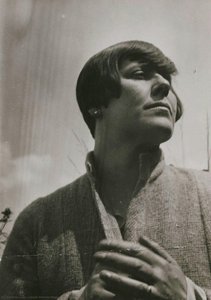
Captured in a striking black and white photograph by Hildegard Anna Augusta Elisabeth Freiin Rebay von Ehrenwiesen, better known as Hilla Rebay, the image presents a compelling portrait of Issay Dobrowen, a figure radiating authority and quiet intensity. Taken at Carnegie Hall in New York City during 1933, the photograph transcends mere documentation; it’s a window into a pivotal moment in American cultural history – a time when avant-garde music was slowly gaining acceptance alongside established traditions.
Rebay's masterful composition immediately draws the eye to Dobrowen. He stands poised on stage, bathed in the soft light of the hall, holding a baton with an almost reverent grace. The pencil sketches overlaid onto the photograph – delicate lines tracing the contours of his tie and adding subtle details to his face – suggest a deliberate attempt to imbue the image with a sense of intimacy and immediacy. This layering of techniques speaks volumes about Rebay’s artistic vision, blending photographic realism with a personal touch that elevates the portrait beyond a simple likeness.
A Pioneer in Abstraction: The Life and Legacy of Hilla Rebay
Hildegard Anna Augusta Elisabeth Freiin Rebay von Ehrenwiesen was far more than just a photographer; she was a pivotal figure in shaping the landscape of modern art. Born into German aristocracy in Strasbourg, her early life instilled a deep appreciation for beauty and tradition. However, it was her encounter with the burgeoning world of abstract expressionism in Berlin that truly ignited her artistic spirit. Influenced by artists like Rudolf Bauer and Hans Arp, she embraced a radical departure from representational painting, focusing instead on capturing the essence of form and emotion through non-objective compositions.
Her journey led her to New York City, where she became an invaluable advisor to Solomon R. Guggenheim, championing the work of artists like Kandinsky and pioneering the collection of abstract art that would ultimately define the Guggenheim Museum. Rebay’s influence extended far beyond the museum walls; she was a tireless advocate for modernism, fostering dialogue between artists and collectors alike. Her commitment to pushing artistic boundaries cemented her place as one of the most significant figures in 20th-century art.
The Symbolism of Stage Presence
Dobrowen’s posture and demeanor within the photograph are laden with symbolic meaning. As a conductor, he embodies control, precision, and the ability to orchestrate complex emotions through music. The baton itself is a potent symbol – a conduit for channeling artistic intent into tangible sound. His stance suggests both confidence and a deep connection to the art he’s about to lead.
Furthermore, the setting of Carnegie Hall—a venerable institution steeped in tradition—contrasts sharply with Rebay's focus on abstraction. This juxtaposition hints at a tension between established artistic norms and the radical experimentation that was beginning to reshape the world of art during this period. Dobrowen’s presence represents the bridge between these two worlds, embodying the potential for innovation within a framework of respect for the past.
A Reproduction Worth Cherishing
Reproductions of this photograph offer a unique glimpse into a bygone era and a remarkable artistic vision. The grainy texture of the black and white image evokes the immediacy of the original print, while Rebay’s subtle pencil sketches add layers of depth and intrigue. This is more than just a portrait; it's a testament to the power of art to capture not only likeness but also spirit and emotion. A high-quality reproduction serves as a beautiful reminder of Hilla Rebay’s legacy and the enduring influence of Issay Dobrowen’s stage presence.
Ähnliche Kunstwerke




Biografie des Künstlers
A Pioneer of Abstraction: The Life and Legacy of Hilla Rebay
Hilla Rebay (1890-1967) was a German abstract artist who profoundly shaped the trajectory of modern art, primarily through her unwavering advocacy for non-objective aesthetics and her pivotal role in establishing the Solomon R. Guggenheim Museum as a global center for avant-garde expression. Born Hildegard Anna Augusta Elisabeth Freiin Rebay von Ehrenwiesen in Strasbourg, Germany, she emerged from a noble lineage—her father, Franz Josef Rebay von Ehrenwiesen, served as an officer in the Prussian Army—and received an upbringing steeped in cultural refinement. Yet it was not merely societal expectations but an innate fascination with artistic exploration that propelled her toward a life dedicated to challenging conventional artistic boundaries and championing radical new visions. From early childhood, Rebay demonstrated exceptional talent for drawing and painting, foreshadowing the transformative journey she would undertake into the realm of abstract art—a path that would ultimately redefine perceptions of beauty and artistic innovation.From Traditional Roots to Avant-Garde Visions
Her formative years in Munich (1910) marked a crucial turning point, exposing her to the burgeoning influence of German Jugendstil painter Fritz Erler. This encounter ignited an appreciation for stylistic experimentation and spurred her toward questioning established artistic conventions—a characteristic that would define her entire artistic career. Participation in exhibitions at the Cologne Kunstverein in 1912 and the Salon des Indépendants in Paris in 1913 brought Rebay into contact with a constellation of avant-garde artists—including Archipenko, Brâncuși, Chagall, Delaunay, Gleizes, Rivera, and van Rees—who dared to abandon representational form altogether. This immersion in the radical ideas circulating within the artistic circles of Paris profoundly impacted her worldview, inspiring her to explore the expressive potential inherent in pure abstraction. The conviction that mastering black and white was essential before venturing into color guided her initial artistic endeavors; she meticulously studied drawing manuals and diligently practiced rendering landscapes with exacting precision—skills honed during her formative years that would serve as bedrock for her subsequent explorations of non-objective art.The Influence of Kandinsky and Bauer: Embracing Non-Objective Expression
A watershed moment arrived with her encounter in Zurich with Hans (Jean) Arp, who introduced Rebay to the groundbreaking works of Wassily Kandinsky and Rudolf Bauer—artists who championed a revolutionary aesthetic approach centered on rejecting visual illusion. This exposure galvanized her artistic vision, propelling her toward experimentation and fostering an unwavering belief in the transformative power of pure abstraction. Her involvement in Der Krater—a collective dedicated to pushing artistic boundaries—solidified her commitment to avant-garde expression and underscored her conviction that art should transcend conventional limitations. The group’s members actively sought new visual languages and challenged prevailing aesthetic norms, reflecting Rebay’s own pioneering spirit. During this period, she meticulously studied the techniques of Impressionist painters like Monet and Seurat, absorbing their mastery of light and color—skills that would inform her subsequent artistic creations.A Patronage Forged in Vision: Rebay and Solomon Guggenheim
Her life took an extraordinary turn when she immigrated to New York City (1927), establishing a connection with Solomon R. Guggenheim that would reshape the landscape of American art history. Rebay swiftly became Guggenheim’s trusted confidante, guiding his collecting endeavors and shaping what would become one of the world’s most influential collections dedicated to non-objective painting—a testament to her discerning taste and unwavering dedication to artistic innovation. She tirelessly championed artists like Bauer and Kandinsky, recognizing their genius and advocating for their inclusion in Guggenheim’s holdings—demonstrating a profound understanding of artistic merit and furthering the recognition of avant-garde aesthetics. Her influence extended beyond mere patronage; she actively collaborated with Frank Lloyd Wright on the design of the Guggenheim Museum building—resulting in an architectural masterpiece that embodies modernist principles and serves as a beacon for contemporary art.Legacy and Historical Significance
Hilla Rebay’s enduring legacy resides not only in her own artistic output but also in her transformative role as director of the Museum of Non-Objective Painting (later renamed the Solomon R. Guggenheim Museum)—a position she held from 1939 until her departure in 1967. During this period, she spearheaded the museum’s mission to promote non-objective art and foster dialogue around its aesthetic values—establishing it as a cornerstone of modern art history and ensuring that its vision continued to inspire generations of artists and scholars. Her unwavering advocacy for abstract expression solidified Guggenheim’s reputation as a champion of avant-garde innovation and cemented Rebay's place among the most influential figures in shaping the cultural landscape of the twentieth century. Hilla Rebay remains an indelible symbol of artistic courage, visionary leadership, and a profound conviction that art possesses the capacity to reshape our understanding of beauty and reality—a testament to her enduring contribution to the history of modern art.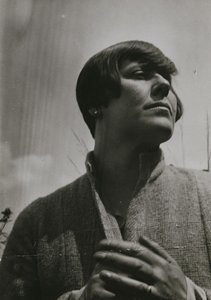
hildegard anna augusta elisabeth freiin rebay von ehrenwiesen
1890 - 1967 , Deutschland
Kurzinfos
- Artistic Movement Or Style: Abstraktes Kunstwerk
- Artists Or Movements Influenced By This Artist: ['Der Krater']
- Artists Who Influenced This Artist:
- Hans Arp
- Kandinsky
- Rudolf Bauer
- Date Of Birth: 31. Mai 1890
- Date Of Death: 27. Sep. 1967
- Full Name: Hildegard Anna Augusta Elisabeth Freiin Rebay von Ehrenwiesen
- Nationality: Deutsch
- Notable Artworks:
- Unbeschriftetes Bleistiftskizze
- Amelita Galli-Curci
- Unbeschriftete Selbstporträt
- Place Of Birth: Strasbourg, Deutschland

