
- Startseite

- Auf Leinwand drucken lassen
- hildegard anna augusta elisabeth freiin rebay von ehrenwiesen
 Vorschau anzeigen
 Versenden
 Teilen
 Details anzeigen

 Herunterladen
 Ähnliche Objekte
 Röntgenaufnahme
 Diashow
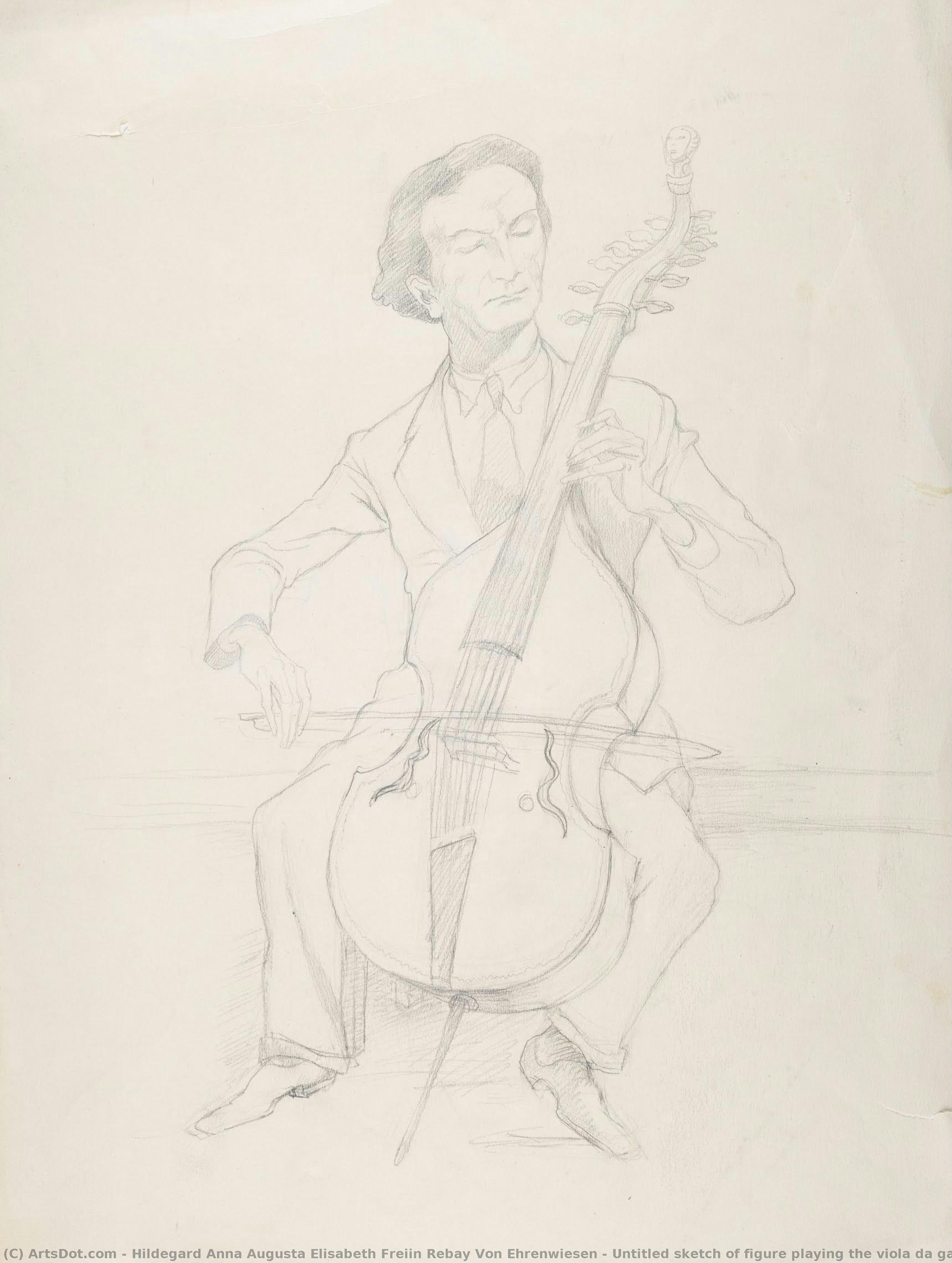
Untitled sketch of figure playing the viola da gamba


 Weiterlesen
Giclée / Kunstdruck
Giclée- oder Leinwanddruck in Museumsqualität mit schneller Produktion und flexiblen Veredelungsoptionen. ( Handgemalte Reproduktion bestellen Bild kaufen)




P118B $10

P118H $10

P118W $10

P438Z $10

P508JH $12

P508YH $12

P805H $10

P805Z $10

P919BZ $10

P919G $10

P919XJ $10

P959ZH $10

P968JZ $12

W106C $8

W218G $10

W218JH $8

W218Y $10

W307PJ $10

W316G $10

W316PJ $8

W316Y $10

W398PJ $8

W4111J $10

W500HY $15

W500JH $15

W692G $12

W849H $8

W940BG $15

W953PJ $8




Wählen Sie aus unseren vordefinierten Formaten, die den ursprünglichen Proportionen des Kunstwerks entsprechen.

Sie können Ihre eigenen Maße eingeben, um ein bestimmtes Format oder einen speziellen Platz einzupassen. Wenn das von Ihnen gewählte Format nicht den Proportionen des Originalbildes entspricht, werden wir das Kunstwerk entweder beschneiden oder das Bild mit einem gespiegelten oder einfarbigen Rand erweitern. Ein digitaler Entwurf wird Ihnen zur Genehmigung zugesandt, bevor die Produktion beginnt.
Bitte beachten Sie, dass die Vorschau auf dem Bildschirm nicht den tatsächlichen Zuschnitt oder die Erweiterung widerspiegelt. Nur der Entwurf zeigt die endgültige Komposition präzise an.
Obwohl Sondermaße verfügbar sind, empfehlen wir die Auswahl eines Maßes aus der vordefinierten Liste, um die ursprünglichen Proportionen zu bewahren.
Weltweiter Versand () innerhalb von 2 Wochen statt der üblichen 4/5 Wochen. (5 September)

Kostenloser weltweiter Expressversand

Hochwertige Leinenleinwand

Umfassender Versicherungsschutz beim Versand

Zollgebühren-Rückerstattungsgarantie

Garantie für exakte Farbtreue

60 Tage Rückgaberecht (nur bei Mängeln)

100% Geld-zurück-Garantie

Mengenrabatt verfügbar
 Die Glasoption ist nur für Größen unter 110 cm verfügbar.

Untitled sketch of figure playing the viola da gamba
Giclée / Kunstdruck
Format der Reproduktion
-


Gesamtpreis
$ 62
A Moment Captured: The Essence of Hilla Rebay's Sketch
This untitled sketch, a study in charcoal and gray tones, offers a rare glimpse into the creative process of Hildegard Rebay von Ehrenwiesen – a pioneering figure in abstraction and a pivotal influence on the development of modern art. Far from a finished masterpiece, it’s a captivatingly intimate portrayal of a musician lost in their performance, rendered with a remarkable immediacy that speaks volumes about the artist's keen observation and expressive technique. The work immediately draws the viewer in, inviting contemplation not just of the subject matter – a player of the viola da gamba – but also of the very act of artistic creation itself.
Rebay’s approach is distinctly gestural; visible pencil strokes dance across the paper, conveying movement and spontaneity. There's an absence of rigid formality, suggesting a quick study or preliminary drawing intended to capture a fleeting moment rather than meticulously documenting a finished piece. This deliberate looseness contributes significantly to the sketch’s charm, imbuing it with a sense of immediacy and vulnerability – as if we’ve stumbled upon a private rehearsal, a captured breath before the music truly begins.
The Language of Line: Technique and Composition
The foundation of this piece lies in Rebay's masterful command of line. Hatching and cross-hatching techniques are deployed with precision, creating subtle gradations of tone and defining the form of both the musician and their instrument. Notice how varying line weights – from delicate whispers to bolder declarations – build volume and suggest texture. The composition itself is carefully balanced, though not rigidly symmetrical; the figure occupies a central position, slightly off-center, allowing for a generous expanse of space on the right side of the frame. This strategic use of negative space enhances the feeling of intimacy and draws the eye directly to the subject.
The monochromatic palette – primarily shades of gray – is remarkably effective in conveying mood and atmosphere. It’s not merely a lack of color, but rather a deliberate choice that amplifies the sketch's emotional resonance. The absence of vibrant hues forces us to focus on the nuances of tone, the subtle shifts in value created by varying pencil pressure, and the dynamic interplay of light and shadow.
A Pioneer’s Process: Historical Context and Artistic Intent
Dating back to the early 20th century, this sketch provides a valuable window into Rebay's artistic development. Her work aligns with the practices of artists exploring abstraction and non-objective aesthetics – a movement she profoundly shaped through her influential role as an advisor to Solomon R. Guggenheim. As documented in extensive research (see links below), Rebay’s commitment to showcasing groundbreaking art, particularly works that challenged traditional notions of representation, was revolutionary for its time.
Furthermore, the sketch's style reflects a broader shift within artistic circles – a move away from representational accuracy and towards a more subjective, expressive approach. It’s a testament to Rebay’s ability to distill complex ideas into simple lines and tones, capturing not just the physical appearance of the musician but also their emotional state and engagement with their instrument.
Symbolism and Emotional Resonance
While overtly symbolic elements are absent, this sketch possesses a quiet power that resonates deeply. The image evokes a sense of contemplative stillness – a moment suspended in time where the musician is completely absorbed in their music. It’s a scene ripe with potential for interpretation: perhaps it represents the pursuit of beauty, the solace found in artistic expression, or simply the human connection between creator and creation. The unfinished quality of the sketch adds to its allure, suggesting that this is not a definitive statement but rather an ongoing exploration – a testament to Rebay’s lifelong dedication to pushing the boundaries of art.
Resources for Further Exploration:
Ähnliche Kunstwerke
Über den Künstler
A Pioneer of Abstraction: The Life and Legacy of Hilla Rebay
Hilla Rebay (1890-1967) was a German abstract artist who profoundly shaped the trajectory of modern art, primarily through her unwavering advocacy for non-objective aesthetics and her pivotal role in establishing the Solomon R. Guggenheim Museum as a global center for avant-garde expression. Born Hildegard Anna Augusta Elisabeth Freiin Rebay von Ehrenwiesen in Strasbourg, Germany, she emerged from a noble lineage—her father, Franz Josef Rebay von Ehrenwiesen, served as an officer in the Prussian Army—and received an upbringing steeped in cultural refinement. Yet it was not merely societal expectations but an innate fascination with artistic exploration that propelled her toward a life dedicated to challenging conventional artistic boundaries and championing radical new visions. From early childhood, Rebay demonstrated exceptional talent for drawing and painting, foreshadowing the transformative journey she would undertake into the realm of abstract art—a path that would ultimately redefine perceptions of beauty and artistic innovation.From Traditional Roots to Avant-Garde Visions
Her formative years in Munich (1910) marked a crucial turning point, exposing her to the burgeoning influence of German Jugendstil painter Fritz Erler. This encounter ignited an appreciation for stylistic experimentation and spurred her toward questioning established artistic conventions—a characteristic that would define her entire artistic career. Participation in exhibitions at the Cologne Kunstverein in 1912 and the Salon des Indépendants in Paris in 1913 brought Rebay into contact with a constellation of avant-garde artists—including Archipenko, Brâncuși, Chagall, Delaunay, Gleizes, Rivera, and van Rees—who dared to abandon representational form altogether. This immersion in the radical ideas circulating within the artistic circles of Paris profoundly impacted her worldview, inspiring her to explore the expressive potential inherent in pure abstraction. The conviction that mastering black and white was essential before venturing into color guided her initial artistic endeavors; she meticulously studied drawing manuals and diligently practiced rendering landscapes with exacting precision—skills honed during her formative years that would serve as bedrock for her subsequent explorations of non-objective art.The Influence of Kandinsky and Bauer: Embracing Non-Objective Expression
A watershed moment arrived with her encounter in Zurich with Hans (Jean) Arp, who introduced Rebay to the groundbreaking works of Wassily Kandinsky and Rudolf Bauer—artists who championed a revolutionary aesthetic approach centered on rejecting visual illusion. This exposure galvanized her artistic vision, propelling her toward experimentation and fostering an unwavering belief in the transformative power of pure abstraction. Her involvement in Der Krater—a collective dedicated to pushing artistic boundaries—solidified her commitment to avant-garde expression and underscored her conviction that art should transcend conventional limitations. The group’s members actively sought new visual languages and challenged prevailing aesthetic norms, reflecting Rebay’s own pioneering spirit. During this period, she meticulously studied the techniques of Impressionist painters like Monet and Seurat, absorbing their mastery of light and color—skills that would inform her subsequent artistic creations.A Patronage Forged in Vision: Rebay and Solomon Guggenheim
Her life took an extraordinary turn when she immigrated to New York City (1927), establishing a connection with Solomon R. Guggenheim that would reshape the landscape of American art history. Rebay swiftly became Guggenheim’s trusted confidante, guiding his collecting endeavors and shaping what would become one of the world’s most influential collections dedicated to non-objective painting—a testament to her discerning taste and unwavering dedication to artistic innovation. She tirelessly championed artists like Bauer and Kandinsky, recognizing their genius and advocating for their inclusion in Guggenheim’s holdings—demonstrating a profound understanding of artistic merit and furthering the recognition of avant-garde aesthetics. Her influence extended beyond mere patronage; she actively collaborated with Frank Lloyd Wright on the design of the Guggenheim Museum building—resulting in an architectural masterpiece that embodies modernist principles and serves as a beacon for contemporary art.Legacy and Historical Significance
Hilla Rebay’s enduring legacy resides not only in her own artistic output but also in her transformative role as director of the Museum of Non-Objective Painting (later renamed the Solomon R. Guggenheim Museum)—a position she held from 1939 until her departure in 1967. During this period, she spearheaded the museum’s mission to promote non-objective art and foster dialogue around its aesthetic values—establishing it as a cornerstone of modern art history and ensuring that its vision continued to inspire generations of artists and scholars. Her unwavering advocacy for abstract expression solidified Guggenheim’s reputation as a champion of avant-garde innovation and cemented Rebay's place among the most influential figures in shaping the cultural landscape of the twentieth century. Hilla Rebay remains an indelible symbol of artistic courage, visionary leadership, and a profound conviction that art possesses the capacity to reshape our understanding of beauty and reality—a testament to her enduring contribution to the history of modern art.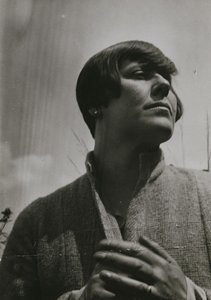
hildegard anna augusta elisabeth freiin rebay von ehrenwiesen
1890 - 1967 , Deutschland
Kurzinfos
- Artistic Movement Or Style: Abstraktes Kunstwerk
- Artists Or Movements Influenced By This Artist: ['Der Krater']
- Artists Who Influenced This Artist:
- Hans Arp
- Kandinsky
- Rudolf Bauer
- Date Of Birth: 31. Mai 1890
- Date Of Death: 27. Sep. 1967
- Full Name: Hildegard Anna Augusta Elisabeth Freiin Rebay von Ehrenwiesen
- Nationality: Deutsch
- Notable Artworks:
- Unbeschriftetes Bleistiftskizze
- Amelita Galli-Curci
- Unbeschriftete Selbstporträt
- Place Of Birth: Strasbourg, Deutschland
Ähnliche Artikel

Leonardo da Vinci: Die 25 Meisterwerke für Ihr Zuhause | ArtsDot
Entdecken Sie die 25 Meisterwerke von Leonardo da Vinci! Erfahren Sie faszinierende Geschichten hinter Gemälden wie der Mona Lisa & Das letzte Abendmahl. Hochwertige Reproduktionen für Ihr Zuhause – jetzt bei ArtsDot entdecken!
The Alchemy of Graphite: An Expert Guide to Mastering Detail and Depth in Pencil Sketching
Unlock the secrets of graphite sketching with our expert guide for art students. Learn to master pencil grades, create realistic depth, and capture intricate textures through professional techniques designed to elevate your observational drawing skills.

The Eloquent Line: Exploring the Artistic Significance of Sketches Across Movements and Media
Explore the profound artistic significance of sketches throughout history. From Renaissance masters to modern innovators like Van Gogh & Guston, discover how these foundational works reveal technique, emotion, and vision. Learn more at ArtsDot.

Leonardo da Vinci: Synthese von Kunst, Wissenschaft und menschlicher Beobachtung – Eine Renaissance-Meisterleistung für den Kenner
Entdecken Sie Leonardo da Vincis revolutionäre Kunst und Wissenschaft! Expertenanalyse seiner Meisterwerke, Techniken wie Sfumato & Chiaroscuro. Für Kenner und Sammler.
The Nuances of Graphite: Exploring Emotional Depth & Technical Mastery in Pencil Drawing
Explore the captivating world of graphite drawing! Discover its rich history, master essential techniques like chiaroscuro, and learn how artists evoke emotion through this timeless medium. Expert insights for art enthusiasts.

