

 Vorschau anzeigen
 Versenden
 Teilen
 Details anzeigen

 Herunterladen
 Ähnliche Objekte
 Röntgenaufnahme
 Diashow
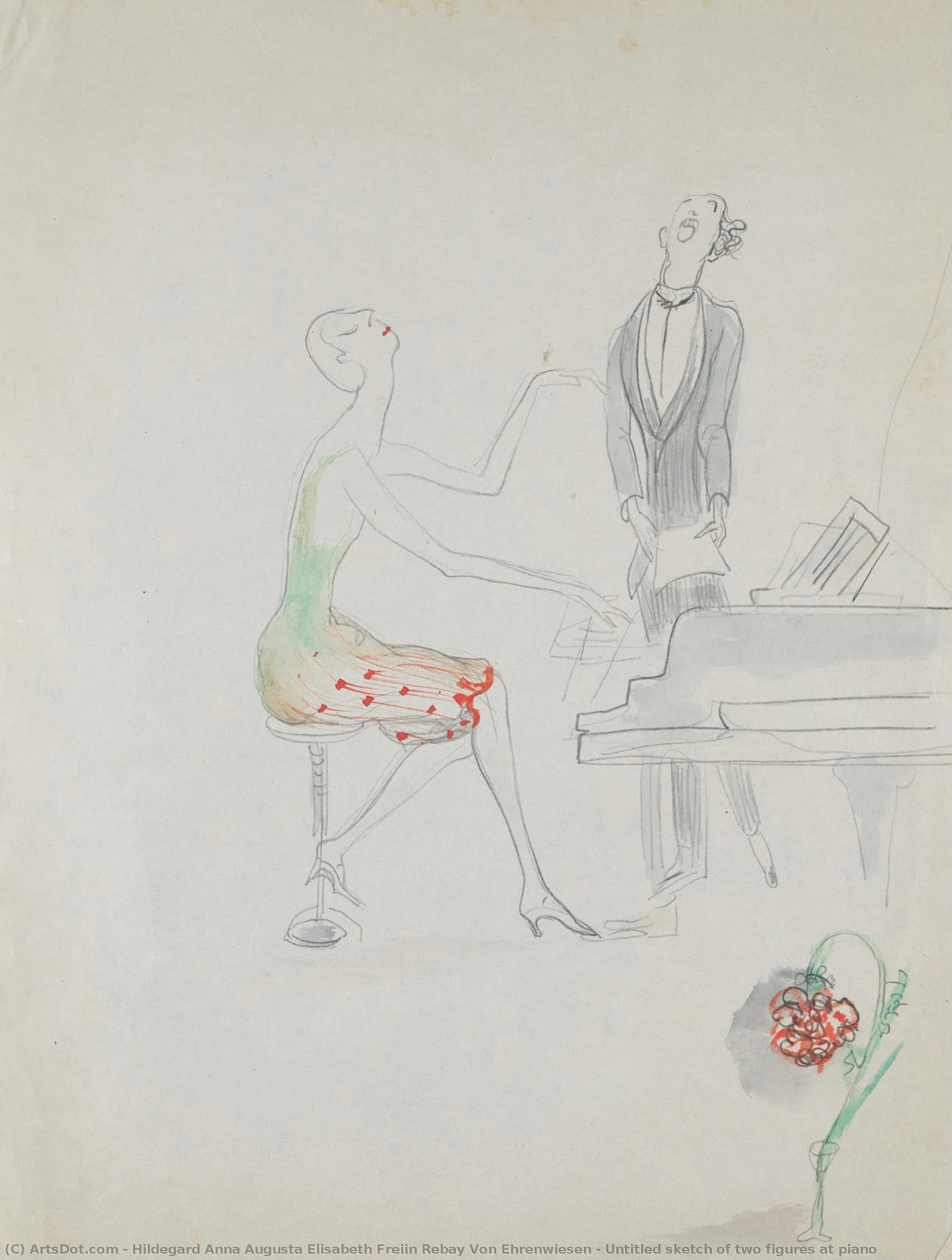
Untitled sketch of two figures at piano


 Weiterlesen
Handgefertigte Ölreproduktion
Handgemaltes Ölgemälde auf Leinwand in Ihrer Wunschgröße und mit Rahmen, auf Bestellung von unseren Künstlern angefertigt. ( Druck bestellen Bild kaufen)




P118B $10

P118H $10

P118W $10

P438Z $10

P508JH $12

P508YH $12

P805H $10

P805Z $10

P919BZ $10

P919G $10

P919XJ $10

P959ZH $10

P968JZ $12

W106C $8

W218G $10

W218JH $8

W218Y $10

W307PJ $10

W316G $10

W316PJ $8

W316Y $10

W398PJ $8

W4111J $10

W500HY $15

W500JH $15

W692G $12

W849H $8

W940BG $15

W953PJ $8




Wählen Sie aus unseren vordefinierten Formaten, die den ursprünglichen Proportionen des Kunstwerks entsprechen.

Sie können Ihre eigenen Maße eingeben, um einen bestimmten Rahmen oder Platz auszufüllen. Wenn die gewählte Größe nicht den Proportionen des Originalbildes entspricht, werden wir das Kunstwerk entweder beschneiden oder das Gemälde durch zusätzliche, handgemalte Elemente erweitern. Ein digitales Mockup wird Ihnen zur Genehmigung zugesandt, bevor die Produktion beginnt.
Bitte beachten Sie, dass die Bildschirmvorschau nicht die tatsächliche Beschneidung oder Erweiterung widerspiegelt. Nur das Mockup zeigt die endgültige Komposition exakt an.
Obwohl Sondermaße verfügbar sind, empfehlen wir, eine Größe aus der vordefinierten Liste zu wählen, um die ursprünglichen Proportionen beizubehalten.
Nach der Bestellung wird das ArtsDot.com-Team dem Kunden Anweisungen per E-Mail zusenden und eine Mockup-Vorschau bereitstellen.
Weltweiter Versand () in nur 3 bis 4 Wochen statt der üblichen 5 Wochen. (4 September). Keine Kompromisse bei der Qualität.

Kostenloser weltweiter Expressversand

Hochwertige Leinenleinwand

Umfassender Versicherungsschutz beim Versand

Zollgebühren-Rückerstattungsgarantie

Garantie für exakte Farbtreue

60 Tage Rückgaberecht (nur bei Mängeln)

100% Geld-zurück-Garantie

Mengenrabatt verfügbar
 Die Glasoption ist nur für Größen unter 110 cm verfügbar.

Untitled sketch of two figures at piano
Art der Reproduktion
Format der Reproduktion
-


Gesamtpreis
$ 288
A Moment Frozen in Time: Hildegard Rebay’s Sketch of Two Figures at Piano
Hildegard Anna Augusta Elisabeth Freiin Rebay von Ehrenwiesen, a visionary artist and the inaugural director of The Solomon R. Guggenheim Museum, bequeathed to us a remarkable legacy—a profound understanding of abstraction and an unwavering belief in its transformative power. Her artistic journey began amidst the intellectual ferment of Weimar Germany, where she absorbed influences from Expressionism and early Modernism, shaping her distinctive style and approach to art. This sketch, “Untitled Sketch of Two Figures at Piano,” exemplifies Rebay’s commitment to distilling complex ideas into simple forms—a technique that would become central to her groundbreaking contribution to the art world.Composition and Technique: Embracing Minimalism
The artwork presents a deceptively serene scene: two figures seated at a piano, rendered in a loose, expressive style characteristic of Rebay's preliminary studies. Lines are predominantly thin and sketchy, prioritizing form over meticulous detail—a deliberate choice that underscores the artist’s focus on capturing essence rather than replicating reality. The color palette is restrained, utilizing muted washes of cream/off-white against which delicate greens and reds emerge, hinting at movement and vibrancy. Watercolor washes skillfully blend into paper's texture, creating a tactile surface that enhances the impression of spontaneity and immediacy. Rebay’s masterful use of graphite pencils establishes contours while simultaneously conveying an emotional resonance—a testament to her ability to communicate profound ideas through subtle visual cues.Symbolism Within Simplicity: Music and Reflection
Beyond its formal qualities, “Untitled Sketch of Two Figures at Piano” resonates with symbolic significance. The piano itself serves as a potent emblem of creativity, performance, and intellectual engagement—values deeply held by Rebay and reflected in her artistic endeavors. The seated figure embodies contemplation and introspection, while the standing presence suggests accompaniment or observation—creating a dynamic interplay between performer and listener. Subtle details like the red dots near the piano’s base could represent decorative elements or perhaps symbolize flowers—adding layers of visual richness to the composition without detracting from its core message.Historical Context: Shaping Abstract Expressionism
Hildegard Rebay's artistic vision coincided with a pivotal moment in art history—the burgeoning movement toward abstraction that would redefine aesthetic standards and challenge conventional notions of representation. Influenced by artists like Hans Arp, Vincent van Gogh, and Wassily Kandinsky, Rebay championed the exploration of non-objective forms as a means of conveying emotion and capturing the intangible qualities of experience. Her unwavering advocacy for abstract art ultimately paved the way for the establishment of The Solomon R. Guggenheim Museum—a landmark institution dedicated to showcasing groundbreaking works of modern art and fostering dialogue about artistic innovation.A Legacy of Vision: Rebay’s Enduring Influence
“Untitled Sketch of Two Figures at Piano” stands as a poignant reminder of Hildegard Rebay's unwavering dedication to artistic exploration and her profound impact on the trajectory of abstract expressionism. Its understated elegance—characterized by simplified forms, expressive lines, and evocative color—continues to inspire artists and collectors alike, embodying Rebay’s belief that art possesses the capacity to transcend literal depiction and communicate universal truths. This sketch remains a testament to her artistic genius and a captivating glimpse into the creative spirit of a truly exceptional figure in 20th-century art history.Ähnliche Kunstwerke
Über den Künstler
A Pioneer of Abstraction: The Life and Legacy of Hilla Rebay
Hilla Rebay (1890-1967) was a German abstract artist who profoundly shaped the trajectory of modern art, primarily through her unwavering advocacy for non-objective aesthetics and her pivotal role in establishing the Solomon R. Guggenheim Museum as a global center for avant-garde expression. Born Hildegard Anna Augusta Elisabeth Freiin Rebay von Ehrenwiesen in Strasbourg, Germany, she emerged from a noble lineage—her father, Franz Josef Rebay von Ehrenwiesen, served as an officer in the Prussian Army—and received an upbringing steeped in cultural refinement. Yet it was not merely societal expectations but an innate fascination with artistic exploration that propelled her toward a life dedicated to challenging conventional artistic boundaries and championing radical new visions. From early childhood, Rebay demonstrated exceptional talent for drawing and painting, foreshadowing the transformative journey she would undertake into the realm of abstract art—a path that would ultimately redefine perceptions of beauty and artistic innovation.From Traditional Roots to Avant-Garde Visions
Her formative years in Munich (1910) marked a crucial turning point, exposing her to the burgeoning influence of German Jugendstil painter Fritz Erler. This encounter ignited an appreciation for stylistic experimentation and spurred her toward questioning established artistic conventions—a characteristic that would define her entire artistic career. Participation in exhibitions at the Cologne Kunstverein in 1912 and the Salon des Indépendants in Paris in 1913 brought Rebay into contact with a constellation of avant-garde artists—including Archipenko, Brâncuși, Chagall, Delaunay, Gleizes, Rivera, and van Rees—who dared to abandon representational form altogether. This immersion in the radical ideas circulating within the artistic circles of Paris profoundly impacted her worldview, inspiring her to explore the expressive potential inherent in pure abstraction. The conviction that mastering black and white was essential before venturing into color guided her initial artistic endeavors; she meticulously studied drawing manuals and diligently practiced rendering landscapes with exacting precision—skills honed during her formative years that would serve as bedrock for her subsequent explorations of non-objective art.The Influence of Kandinsky and Bauer: Embracing Non-Objective Expression
A watershed moment arrived with her encounter in Zurich with Hans (Jean) Arp, who introduced Rebay to the groundbreaking works of Wassily Kandinsky and Rudolf Bauer—artists who championed a revolutionary aesthetic approach centered on rejecting visual illusion. This exposure galvanized her artistic vision, propelling her toward experimentation and fostering an unwavering belief in the transformative power of pure abstraction. Her involvement in Der Krater—a collective dedicated to pushing artistic boundaries—solidified her commitment to avant-garde expression and underscored her conviction that art should transcend conventional limitations. The group’s members actively sought new visual languages and challenged prevailing aesthetic norms, reflecting Rebay’s own pioneering spirit. During this period, she meticulously studied the techniques of Impressionist painters like Monet and Seurat, absorbing their mastery of light and color—skills that would inform her subsequent artistic creations.A Patronage Forged in Vision: Rebay and Solomon Guggenheim
Her life took an extraordinary turn when she immigrated to New York City (1927), establishing a connection with Solomon R. Guggenheim that would reshape the landscape of American art history. Rebay swiftly became Guggenheim’s trusted confidante, guiding his collecting endeavors and shaping what would become one of the world’s most influential collections dedicated to non-objective painting—a testament to her discerning taste and unwavering dedication to artistic innovation. She tirelessly championed artists like Bauer and Kandinsky, recognizing their genius and advocating for their inclusion in Guggenheim’s holdings—demonstrating a profound understanding of artistic merit and furthering the recognition of avant-garde aesthetics. Her influence extended beyond mere patronage; she actively collaborated with Frank Lloyd Wright on the design of the Guggenheim Museum building—resulting in an architectural masterpiece that embodies modernist principles and serves as a beacon for contemporary art.Legacy and Historical Significance
Hilla Rebay’s enduring legacy resides not only in her own artistic output but also in her transformative role as director of the Museum of Non-Objective Painting (later renamed the Solomon R. Guggenheim Museum)—a position she held from 1939 until her departure in 1967. During this period, she spearheaded the museum’s mission to promote non-objective art and foster dialogue around its aesthetic values—establishing it as a cornerstone of modern art history and ensuring that its vision continued to inspire generations of artists and scholars. Her unwavering advocacy for abstract expression solidified Guggenheim’s reputation as a champion of avant-garde innovation and cemented Rebay's place among the most influential figures in shaping the cultural landscape of the twentieth century. Hilla Rebay remains an indelible symbol of artistic courage, visionary leadership, and a profound conviction that art possesses the capacity to reshape our understanding of beauty and reality—a testament to her enduring contribution to the history of modern art.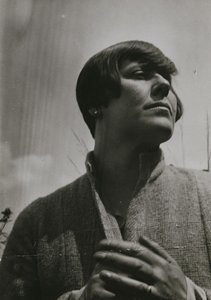
hildegard anna augusta elisabeth freiin rebay von ehrenwiesen
1890 - 1967 , Deutschland
Kurzinfos
- Artistic Movement Or Style: Abstraktes Kunstwerk
- Artists Or Movements Influenced By This Artist: ['Der Krater']
- Artists Who Influenced This Artist:
- Hans Arp
- Kandinsky
- Rudolf Bauer
- Date Of Birth: 31. Mai 1890
- Date Of Death: 27. Sep. 1967
- Full Name: Hildegard Anna Augusta Elisabeth Freiin Rebay von Ehrenwiesen
- Nationality: Deutsch
- Notable Artworks:
- Unbeschriftetes Bleistiftskizze
- Amelita Galli-Curci
- Unbeschriftete Selbstporträt
- Place Of Birth: Strasbourg, Deutschland
Ähnliche Artikel

Die 10 legendärsten Aquarellwerke der Kunstgeschichte – Meisterwerke für Ihr Zuhause
Entdecken Sie die 10 legendärsten Aquarellwerke der Kunstgeschichte! Von Turner bis Monet – erleben Sie die Geschichten, Techniken & Farben dieser Meisterwerke. Finden Sie hochwertige Kunstdrucke auf ArtsDot.com und gestalten Sie Ihr Zuhause mit zeitloser Eleganz.
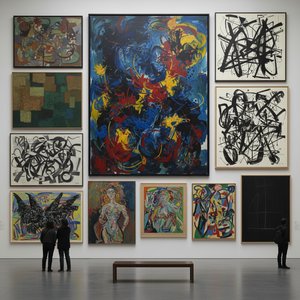
Abstrakter Expressionismus: Die 10 Meisterwerke, die eine Kunstbewegung prägten |
Entdecken Sie die 10 Meisterwerke des Abstrakten Expressionismus! Von Jackson Pollock bis Mark Rothko – erfahren Sie die Geschichten hinter ikonischen Gemälde und finden Sie hochwertige Reproduktionen für Ihr Zuhause. Jetzt bei entdecken!

Ephemeral Visions: Exploring the Artistic Legacy & Contemporary Practice of Watercolor Painting
Explore the captivating world of watercolor painting! Discover its rich history, essential techniques, influential artists & collecting tips. A comprehensive guide for art enthusiasts from ArtsDot.

Flüchtige Visionen: Die Geschichte und emotionale Resonanz der Aquarellmalerei
Entdecken Sie die faszinierende Welt der Aquarellmalerei! Von historischen Ursprüngen bis zu modernen Techniken – wir bieten Expertenwissen, Inspiration und Tipps für Anfänger & Fortgeschrittene.
Kandinsky: Die 25 Meisterwerke des Abstrakten – Kunst für Ihr Zuhause | ArtsDot
Entdecken Sie die 25 bedeutendsten Gemälde von Wassily Kandinsky! Tauchen Sie ein in die Welt der abstrakten Kunst, des Expressionismus und der Farbkomposition. Hochwertige Kunstdrucke & Inspiration für Ihr Zuhause auf ArtsDot.com.

