 Vorschau anzeigen
 Versenden
 Teilen
 Details anzeigen

 Herunterladen
 Ähnliche Objekte
 Röntgenaufnahme
 Diashow
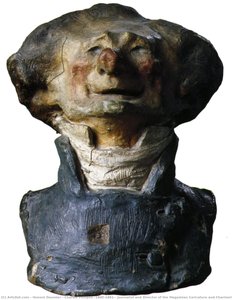
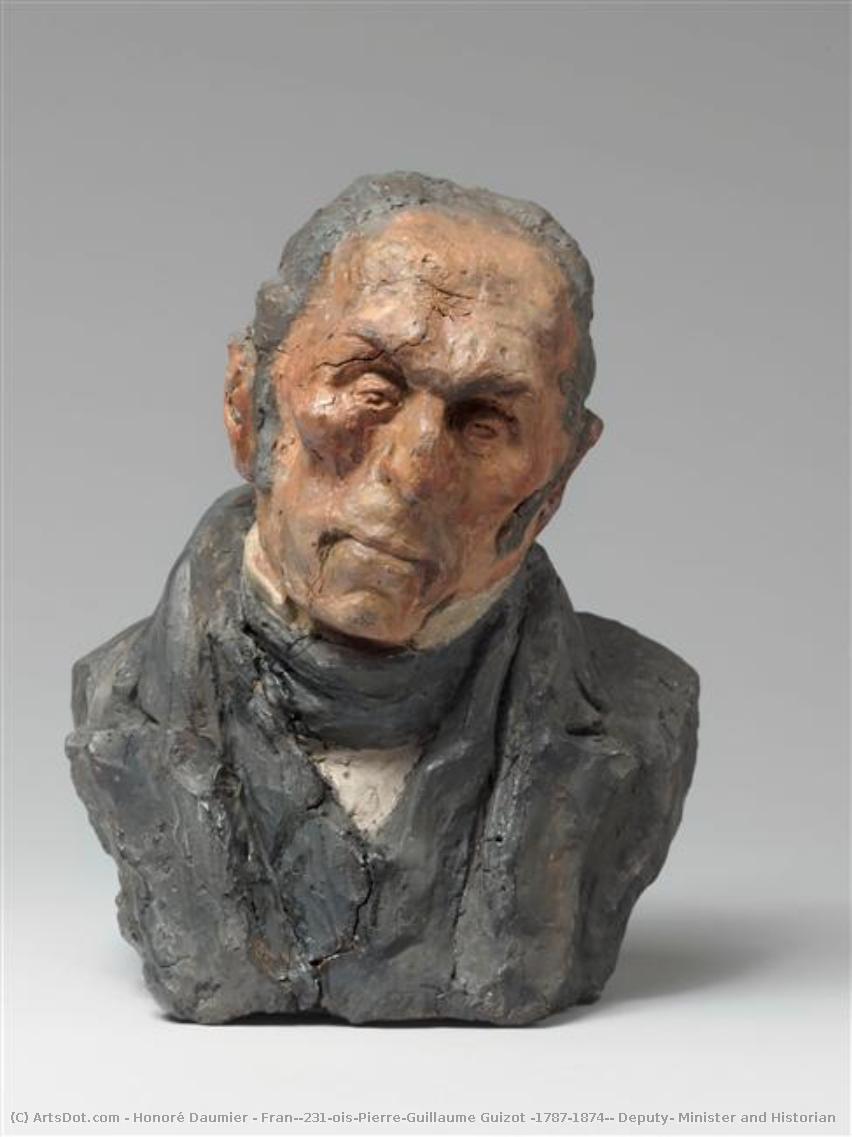
François-Pierre-Guillaume Guizot (1787-1874), Deputy, Minister and Historian


 Weiterlesen
Giclée / Kunstdruck
Giclée- oder Leinwanddruck in Museumsqualität mit schneller Produktion und flexiblen Veredelungsoptionen. ( Handgemalte Reproduktion bestellen Bild kaufen)




P118B $10

P118H $10

P118W $10

P438Z $10

P508JH $12

P508YH $12

P805H $10

P805Z $10

P919BZ $10

P919G $10

P919XJ $10

P959ZH $10

P968JZ $12

W106C $8

W218G $10

W218JH $8

W218Y $10

W307PJ $10

W316G $10

W316PJ $8

W316Y $10

W398PJ $8

W4111J $10

W500HY $15

W500JH $15

W692G $12

W849H $8

W940BG $15

W953PJ $8




Wählen Sie aus unseren vordefinierten Formaten, die den ursprünglichen Proportionen des Kunstwerks entsprechen.

Sie können Ihre eigenen Maße eingeben, um ein bestimmtes Format oder einen speziellen Platz einzupassen. Wenn das von Ihnen gewählte Format nicht den Proportionen des Originalbildes entspricht, werden wir das Kunstwerk entweder beschneiden oder das Bild mit einem gespiegelten oder einfarbigen Rand erweitern. Ein digitaler Entwurf wird Ihnen zur Genehmigung zugesandt, bevor die Produktion beginnt.
Bitte beachten Sie, dass die Vorschau auf dem Bildschirm nicht den tatsächlichen Zuschnitt oder die Erweiterung widerspiegelt. Nur der Entwurf zeigt die endgültige Komposition präzise an.
Obwohl Sondermaße verfügbar sind, empfehlen wir die Auswahl eines Maßes aus der vordefinierten Liste, um die ursprünglichen Proportionen zu bewahren.
Weltweiter Versand () innerhalb von 2 Wochen statt der üblichen 4/5 Wochen. (1 September)

Kostenloser weltweiter Expressversand

Hochwertige Leinenleinwand

Umfassender Versicherungsschutz beim Versand

Zollgebühren-Rückerstattungsgarantie

Garantie für exakte Farbtreue

60 Tage Rückgaberecht (nur bei Mängeln)

100% Geld-zurück-Garantie

Mengenrabatt verfügbar
 Die Glasoption ist nur für Größen unter 110 cm verfügbar.

François-Pierre-Guillaume Guizot (1787-1874), Deputy, Minister and Historian
Giclée / Kunstdruck
Format der Reproduktion
-


Gesamtpreis
$ 62
The Weight of Years: Honoré Daumier’s Study of a Political Titan
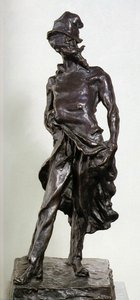
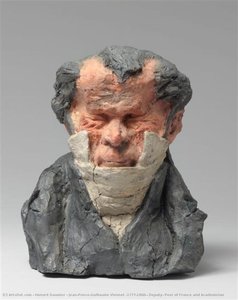
Honoré Daumier's 1833 sculpture of François-Pierre-Guillaume Guizot is more than just a portrait; it’s a carefully constructed meditation on aging, intellect, and the enduring complexities of French politics. Rendered in a textured, matte finish – likely ceramic or plaster – the piece immediately draws the eye with its muted palette of grays, browns, and ochre tones, colors that speak to time, experience, and perhaps even a touch of melancholy. Daumier’s masterful use of line defines the contours of Guizot's face with remarkable precision, etching out wrinkles and emphasizing the subtle shifts in expression that betray years spent navigating the turbulent currents of 19th-century France. The sculpture isn’t merely depicting a man; it’s conveying a presence – a sense of quiet authority tempered by the undeniable passage of time.
- Realism with a Hint of Drama: Daumier, a key figure in the Realist movement, eschews romantic idealization. Instead, he presents Guizot as a man of substance, marked by the realities of his life and career.
- Material Choice: The choice of ceramic or plaster lends itself beautifully to the textured effect, mimicking skin pores and the subtle weathering of age – a deliberate technique that adds depth and authenticity to the portrait.
A Man of Letters and Reform: Contextualizing Guizot’s Life
François-Pierre-Guillaume Guizot was a pivotal figure in French history, serving as a deputy, minister, and historian during a period of profound political upheaval. Born into a Protestant family in Nîmes, his early life was marked by tragedy – the execution of his father during the Reign of Terror. This event profoundly shaped his worldview and instilled within him a deep sense of social justice. Guizot’s career spanned decades, witnessing the rise and fall of regimes, the struggles for constitutional reform, and the passionate debates surrounding France's role in European affairs. He was a staunch liberal, advocating for greater political participation and challenging the conservative forces that sought to maintain the status quo. His commitment to education, particularly his efforts to establish primary schools throughout France, cemented his legacy as a champion of progress.
Further research reveals Guizot’s involvement in key events such as the July Revolution of 1830 and his subsequent role as Minister of Education under Louis-Philippe. His political career was often fraught with controversy, particularly his opposition to restrictive suffrage laws and his association with the “Doctrinaires,” a group of liberal politicians who favored a more cautious approach to reform.The Language of Form: Daumier’s Technique
Daumier's technique is characterized by a remarkable attention to detail combined with a deliberate sense of roughness. He doesn’t strive for photographic realism but rather captures the essence of his subject through carefully observed lines and subtle modeling. The surface of the sculpture is deliberately textured, creating a tactile quality that invites close examination. Notice how Daumier uses light and shadow to sculpt volume and define form, emphasizing Guizot's strong jawline, furrowed brow, and deeply etched wrinkles. This isn’t simply a likeness; it’s an exploration of character – a portrait that reveals the weight of years spent grappling with complex political ideas.
The use of muted tones contributes to the overall somber mood of the piece, reflecting Guizot's age and perhaps hinting at the challenges he faced throughout his career.Symbolism and Emotional Resonance
Beyond its historical context, the sculpture resonates with universal themes of aging, wisdom, and the passage of time. The weathered face of Guizot speaks to the accumulated knowledge and experience gained through a life dedicated to public service. His gaze, directed slightly downward, suggests introspection and perhaps a quiet sadness – a reflection on the triumphs and disappointments of a long and eventful career. Daumier’s portrait is not merely a depiction of a political figure; it's an invitation to contemplate the complexities of human existence and the enduring legacy of those who shape our world.
Ähnliche Kunstwerke

Über den Künstler
Ein Leben für Kunst und Aktivismus
Honoré-Victorin Daumier, ein französischer Grafiker, Karikaturist, Maler und Bildhauer, hinterließ einen bleibenden Eindruck auf die Kunstszene des 19. Jahrhunderts. Geboren am 26. Februar 1808 in Marseille und gestorben am 10. Februar 1879 in Paris, war Daumiers Leben ein Beweis für sein unermüdliches Engagement, das Wesen der französischen Gesellschaft einzufangen.Frühes Leben und Einflüsse
Daumiers frühes Leben war geprägt von den literarischen Ambitionen seines Vaters, die die Familie 1814 nach Paris führten. Diese Begegnung mit der pulsierenden Kunstszene der Stadt beeinflusste Daumiers Neigung zur Kunst. Er begann seine Lehre unter Alexandre Lenoir und trat später der Académie Suisse bei.Künstlerische Laufbahn
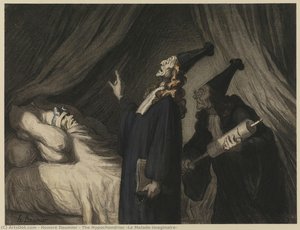
Daumiers umfangreiche Karriere umfasste mehrere Medien, darunter Lithografie, Malerei und Bildhauerei. Seine frühen Arbeiten waren durch anonyme Beiträge zu Verlagen gekennzeichnet, die den Stil von Charlet nachahmten und eine lebhafte Begeisterung für die napoleonische Legende zeigten. Nach der Revolution von 1830 wurde Daumiers Kunst offener politisch.- Le Charivari, eine Comic-Zeitschrift, die von Charles Philipon gegründet wurde, bot Daumier eine Plattform für seine satirische Arbeit, die den Bourgeoisie und der Regierungsinkompetenz zum Ziel war.
- Seine Karikaturen von politischen Figuren und Satiren über gesellschaftliches Verhalten brachten ihm sowohl Anerkennung als auch Kontroversen ein, darunter sechs Monate Haft im Jahr 1832.
Bemerkenswerte Werke und Vermächtnis
- **Rue Transnonain, 15. April 1834**: Eine ergreifende Lithografie, die das Massaker in der Rue Transnoin darstellt, Teil der Unruhen vom April 1834 in Paris. - **Les Gens de Justice**: Eine scharfe Satire über den juristischen Beruf, die Daumiers Meisterschaft der Karikatur demonstriert. **Daumiers Einfluss auf die Kunstgeschichte** Daumiers unerschütterliches Engagement für die Erfassung der Wahrheit der französischen Gesellschaft hat Generationen von Künstlern beeinflusst. Seine Werke sind in verschiedenen Museen und Sammlungen zu finden, darunter auch auf ArtsDot, das einen umfassenden Überblick über seine künstlerische Arbeit bietet.- Erkunden Sie Daumiers Lithografien und Gemälde auf ArtsDot.
- Entdecken Sie mehr über französische Kunstrichtungen, darunter den Realismus, auf Wikipedia.
Schlussfolgerung
Daumiers Leben war ein Beweis für sein unermüdliches Engagement, das Wesen der französischen Gesellschaft einzufangen. Durch seine Kunst inspiriert und provoziert er weiterhin und bietet einen einzigartigen Einblick in Frankreich des 19. Jahrhunderts.- Das Musée d'Orsay in Paris beherbergt einige von Daumiers restaurierten ungebrannten Tonfiguren.
- Erfahren Sie mehr über Daumiers Leben und Werk auf ArtsDot.
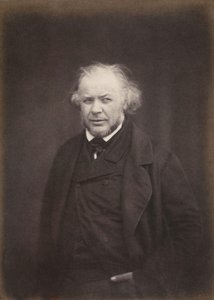
Honoré Daumier
1808 - 1879 , Frankreich
Kurzinfos
- Beeinflusste Künstler:
- Camille Pissarro
- Van Gogh
- Cézanne
- Bemerkenswerte Werke:
- Rue Transnonain, 15. April 1834
- Les Gens de Justice
- Einflussreiche Künstler:
- Alexandre Lenoir
- Charlet
- Geburtsdatum: 26. Februar 1808
- Geburtsort: Marseille, Frankreich
- Künstlerische Richtung: Realismus, Karikatur
- Nationalität: Französisch
- Todatum: 10. Februar 1879
- Vollständiger Name: Honoré Daumier
Ähnliche Artikel

Bronze-Meisterwerke: Die 10 Skulpturen, die Kunstgeschichte schrieben | ArtsDot
Entdecken Sie die 10 legendärsten Bronze Skulpturen der Kunstgeschichte! Von Michelangelo bis Rodin – erfahren Sie die Geschichten hinter den Meisterwerken und lassen Sie sich von Wanddeko-Ideen inspirieren. Hochwertige Kunstdrucke auf ArtsDot.com.

The Enduring Form: Exploring Themes & Techniques in Sculpture Across Historical Periods
Explore the rich history of sculpture from ancient masterpieces to contemporary innovations. Discover key techniques, influential artists & investment potential for discerning art collectors.
The Alchemy of Clay: A Collector's Guide to the Mastery, Texture, and Timeless Form of Ceramic Art
Discover the profound beauty of ceramic art. Our expert guide explores the alchemy of clay, texture, and glaze, offering collectors deep insights into mastering earth and fire to create timeless, sculptural masterpieces for any curated collection.

The Enduring Form: Sculpture Across History, Technique & Emotional Resonance
Explore the rich history of sculpture with ArtsDot. Discover key techniques, influential artists & investment potential for discerning collectors. Expert insights into valuing and collecting timeless masterpieces.

Die 10 legendärsten Bronzestatuen: Meisterwerke, die Kunstgeschichte schrieben | ArtsDot
Entdecken Sie die 10 legendärsten Bronzestatuen der Kunstgeschichte! Von Rodin bis Michelangelo – erfahren Sie die Geschichten hinter ikonischen Skulpturen und finden Sie hochwertige Reproduktionen für Ihr Zuhause. Jetzt bei ArtsDot entdecken!