

 Vorschau anzeigen
 Versenden
 Teilen
 Details anzeigen

 Herunterladen
 Ähnliche Objekte
 Röntgenaufnahme
 Diashow
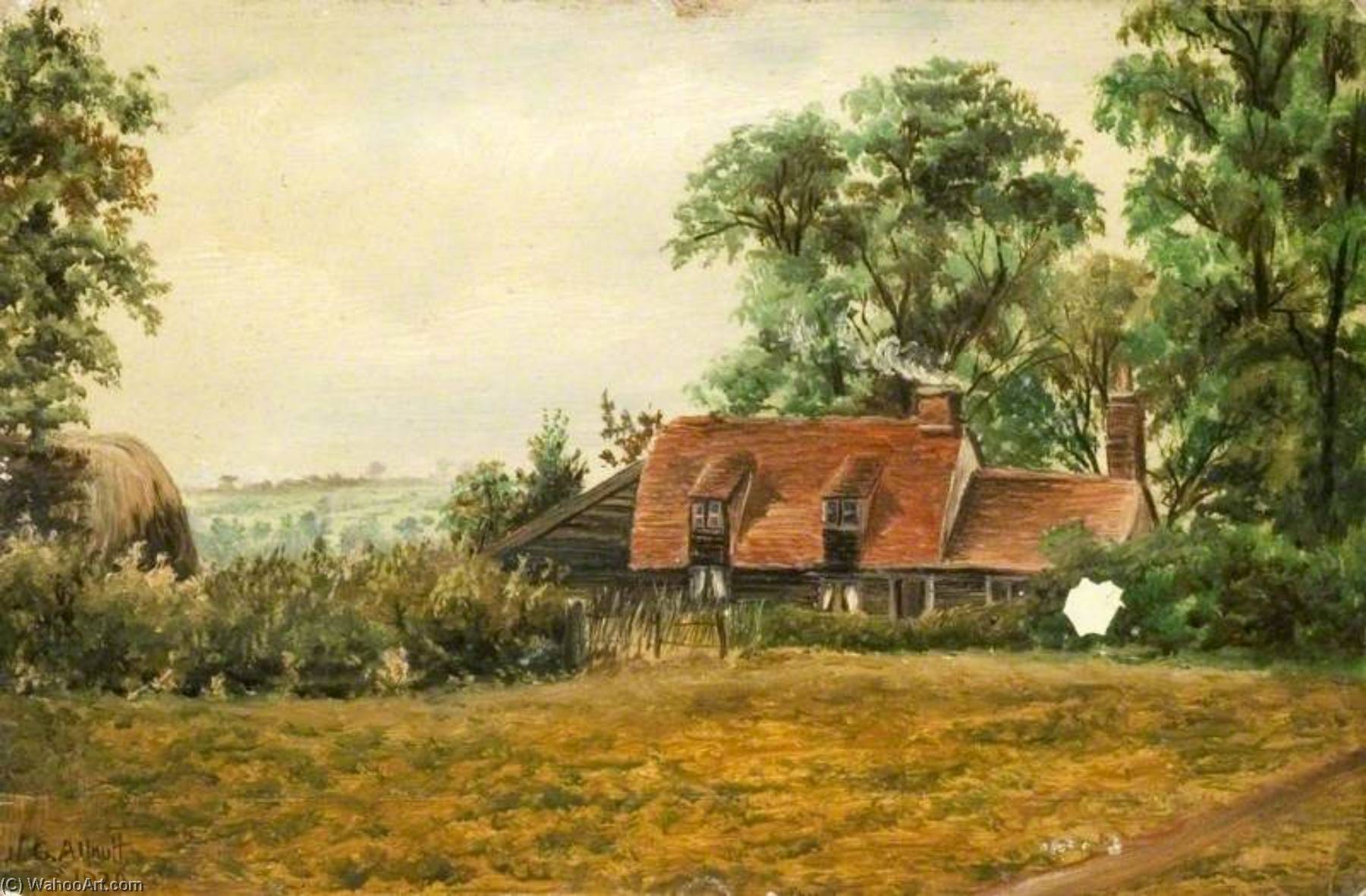
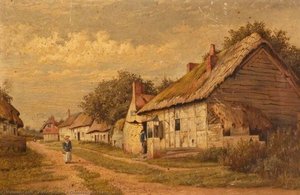
Eastwood Lane, Eastwood
 1920
1920 15.0 x 23.0 cm
 Weiterlesen
Handgefertigte Ölreproduktion
Handgemaltes Ölgemälde auf Leinwand in Ihrer Wunschgröße und mit Rahmen, auf Bestellung von unseren Künstlern angefertigt. ( Druck bestellen Bild kaufen)




































Wählen Sie aus unseren vordefinierten Formaten, die den ursprünglichen Proportionen des Kunstwerks entsprechen.

Sie können Ihre eigenen Maße eingeben, um einen bestimmten Rahmen oder Platz auszufüllen. Wenn die gewählte Größe nicht den Proportionen des Originalbildes entspricht, werden wir das Kunstwerk entweder beschneiden oder das Gemälde durch zusätzliche, handgemalte Elemente erweitern. Ein digitales Mockup wird Ihnen zur Genehmigung zugesandt, bevor die Produktion beginnt.
Bitte beachten Sie, dass die Bildschirmvorschau nicht die tatsächliche Beschneidung oder Erweiterung widerspiegelt. Nur das Mockup zeigt die endgültige Komposition exakt an.
Obwohl Sondermaße verfügbar sind, empfehlen wir, eine Größe aus der vordefinierten Liste zu wählen, um die ursprünglichen Proportionen beizubehalten.
Nach der Bestellung wird das ArtsDot.com-Team dem Kunden Anweisungen per E-Mail zusenden und eine Mockup-Vorschau bereitstellen.
Weltweiter Versand () in nur 3 bis 4 Wochen statt der üblichen 5 Wochen. (26 August). Keine Kompromisse bei der Qualität.

Kostenloser weltweiter Expressversand

Hochwertige Leinenleinwand

Umfassender Versicherungsschutz beim Versand

Zollgebühren-Rückerstattungsgarantie

Garantie für exakte Farbtreue

60 Tage Rückgaberecht (nur bei Mängeln)

100% Geld-zurück-Garantie

Mengenrabatt verfügbar
 Die Glasoption ist nur für Größen unter 110 cm verfügbar.

Eastwood Lane, Eastwood
Art der Reproduktion
Format der Reproduktion
-


Gesamtpreis
$ 263
Ähnliche Kunstwerke

Über den Künstler
The Pastoral Vision of Hubert George Allnutt
Born in 1886 amidst the historic landscape of Chelmsford, Essex, Hubert George Allnutt emerged as a painter whose soul was deeply entwined with the English countryside. His life’s work serves as a luminous window into a bygone era of British tranquility, capturing the quiet dignity of village life and the shifting moods of the natural world. From his early years, nurtured by a father who recognized and encouraged his burgeoning talent, Allnutt developed a keen eye for the subtle nuances of light and texture that would eventually define his reputation as a master of the Essex landscape.
Allnutt’s formal artistic education at the prestigious Slade School of Fine Art in London between 1906 and 1908 provided the technical foundation upon which his unique style was built. During these formative years, he immersed himself in the revolutionary techniques of the Impressionist masters, drawing profound inspiration from the works of Claude Monet and Camille Pissarro. This early exposure instilled in him a lifelong fascination with the ephemeral qualities of atmosphere—the way a morning mist clings to a hedgerow or how the late afternoon sun gilds a rural path. His ability to translate these fleeting moments onto canvas allowed him to bridge the gap between the spontaneous energy of Impressionism and a more structured, classical approach to landscape painting.
A Legacy Carved in the Essex Soil
As his career matured, Allnutt’s focus narrowed toward the familiar terrains of his home, particularly the areas surrounding Eastwoodbury Lane in Southend-on-Sea. He became a chronicler of the Essex countryside, finding profound beauty in the mundane and the pastoral. His paintings of villages such as Rayleigh and Maldon are more than mere topographical records; they are emotive studies of peace and permanence. Through his meticulous attention to architectural details, winding lanes, and the lush greenery of local hedgerows, he created a sense of place that feels both intimate and timeless.
The evolution of his technique saw him move toward a style that blended his Impressionistic roots with the grander, more structured sensibilities reminiscent of the Hudson River School. This transition allowed him to imbue his landscapes with a certain monumental quality, where even a small village scene could possess a sense of epic serenity. His works from the early 1920s, such as "Billet Lane, Leigh"* and "Eastwood Lane, Eastwood," demonstrate this remarkable mastery of tonal harmony and textured brushwork, evoking a palpable sense of the English pastoral idyll.
Artistic Achievements and Enduring Significance
Throughout his life, Allnutt’s dedication to his craft resulted in a body of work that remains highly regarded by collectors of British landscape art. His ability to evoke emotion through color and light has ensured that his paintings continue to resonate with contemporary viewers seeking a connection to the natural world. Some of his most notable contributions to the art historical record include:
- Mastery of Light: His capacity to capture the specific, atmospheric qualities of the Essex coast and inland valleys.
- Architectural Precision: The detailed rendering of rural structures that provides a sense of historical continuity.
- Stylistic Synthesis: The successful marriage of French Impressionist light with the structured, romanticized landscape traditions of the 19th century.
Though he passed away in 1960, the legacy of Hubert George Allnutt persists through his vibrant canvases. He remains a significant figure for those studying the development of early 20th-century British landscape painting, representing a period when artists sought to find profound meaning and lasting beauty within the familiar boundaries of their own landscapes.
hubert george allnutt
1886 - 1960
Kurzinfos
- Artistic Movement Or Style: Rural Impressionism
- Artists Or Movements Influenced By This Artist: ['Hudson River School']
- Artists Who Influenced This Artist: ['George Daniell']
- Date Of Birth: 1886
- Date Of Death: 1960
- Full Name: Hubert George Allnutt
- Nationality: British
- Notable Artworks:
- Landscape
- Billet Lane, Leigh
- Place Of Birth: Essex, England

