

 Vorschau anzeigen
 Versenden
 Teilen
 Details anzeigen

 Herunterladen
 Ähnliche Objekte
 Röntgenaufnahme
 Diashow
 Stats
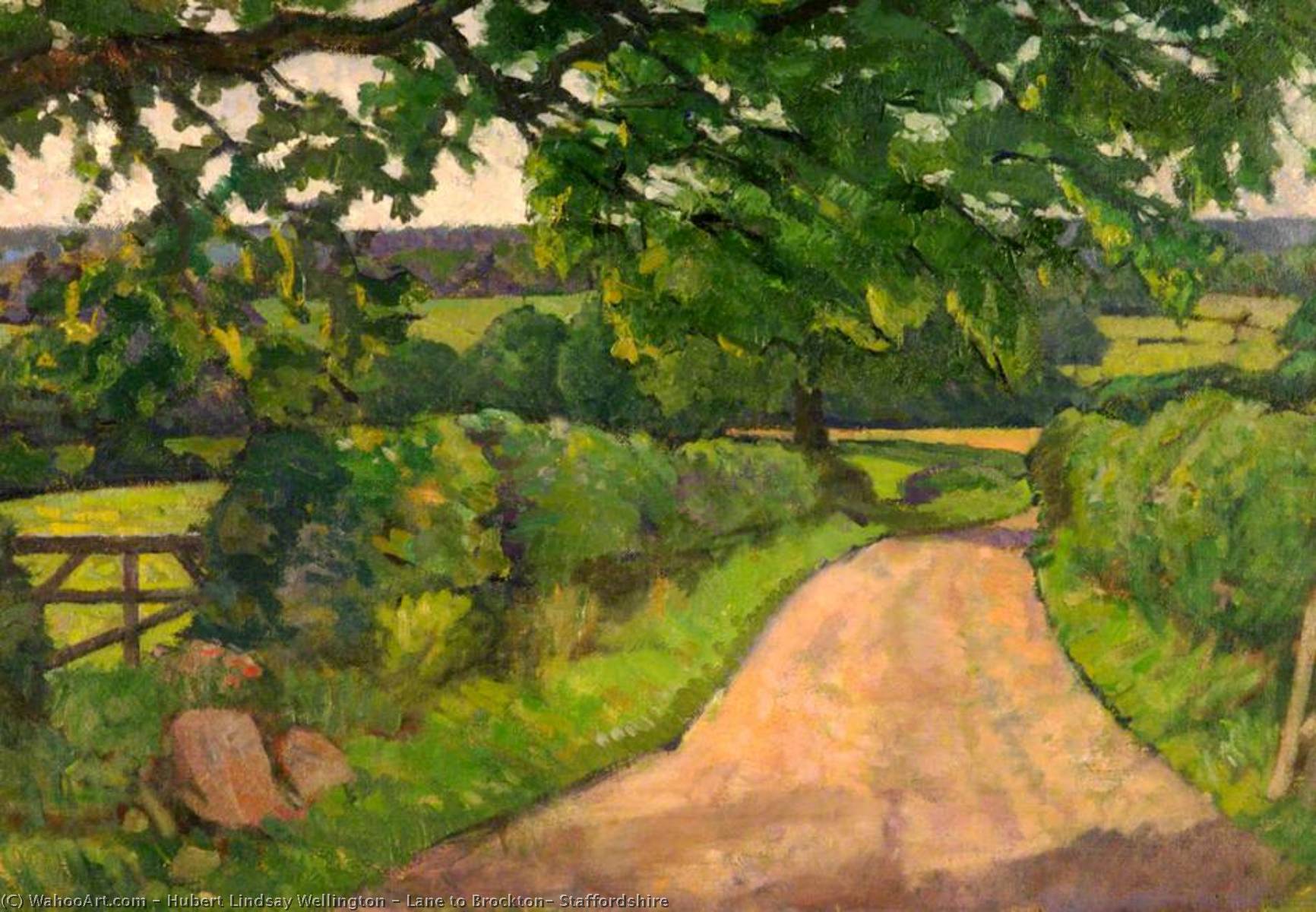
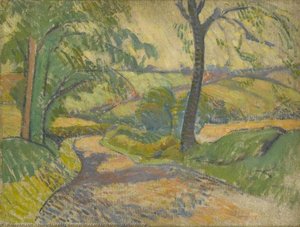
StatsLane to Brockton, Staffordshire
 1914
1914 41.0 x 61.0 cm
 Weiterlesen
Erwerben Sie ein hochauflösendes, optimiertes digitales Bild, das der Online-Vorschau weit überlegen ist.
Jede Datei wird von unseren hauseigenen Spezialisten mit modernsten Werkzeugen und fachmännischer manueller Retusche sorgfältig vorbereitet. Wir stellen sicher, dass jedes Bild eine außergewöhnliche Klarheit, präzise Farbgenauigkeit und feinste Details aufweist.
Die endgültige Datei wird innerhalb von 72 Stunden per E-Mail zugestellt und ist für den sofortigen Einsatz in professionellen, redaktionellen und Druckumgebungen optimiert. Es handelt sich um dieselbe Qualität, der führende Designstudios, Verlage und Galerien vertrauen.
Digitales Bild
Laden Sie eine hochauflösende Datei für die persönliche Präsentation, den Druck und kreative Projekte herunter. ( Switch to Print Handgemalte Reproduktion bestellen)
In jeder Bestellung digitaler Bilder enthalten
Professionelle digitale Bereitstellung, garantiert
Wenn Sie sich für ArtsDot.com entscheiden, erhalten Sie nicht nur ein Bild – Sie erhalten ein professionell aufbereitetes digitales Kunstwerk, das mit höchster Präzision erstellt und durch eine Zufriedenheitsgarantie abgesichert wird. Hier ist alles, was automatisch mit Ihrer Bestellung geliefert wird:

Schnelle E-Mail-Zustellung
Ihre hochauflösende digitale Bilddatei wird Ihnen innerhalb von 72 Stunden nach der Bestellung per E-Mail zugestellt – bereit zur sofortigen Verwendung.

KI-optimierte digitale Datei
Ihre Kunstwerke werden professionell mithilfe fortschrittlicher KI-Tools und manueller Bearbeitung optimiert, um maximale Detailtreue, Klarheit und Farbgenauigkeit zu gewährleisten.

Lebenslanger kostenloser Neudruckservice
Datei versehentlich gelöscht oder verloren? Keine Sorge – wir senden sie Ihnen jederzeit kostenlos erneut zu.

Keine Einfuhrgebühren – jemals
Genießen Sie Ihr Kunstwerk sofort ohne Zollgebühren, Einfuhrabgaben oder Versandkosten – digitale Downloads sind immer steuerfrei.

Garantierte Farbtreue
Wir garantieren, dass Ihr digitales Bild mithilfe professioneller Werkzeuge und Farbmanagement die Originalfarben so präzise wie möglich wiedergibt.

100-Tage-Zufriedenheitsgarantie
Wenn Sie mit Ihrem digitalen Bild nicht zufrieden sind, werden wir es überarbeiten oder 100% innerhalb von 100 Tagen erstatten – ohne Wenn und Aber.

100% Geld-zurück-Garantie
Nicht zufrieden? Erhalten Sie innerhalb von 100 Tagen nach Erhalt Ihrer digitalen Datei eine vollständige Rückerstattung – ohne Wenn und Aber.

Rabatte bei Großbestellungen
3 Bilder kaufen, 10% sparen – 5 Bilder kaufen, 15% sparen – Ab 10 Bildern 20% sparen. Ideal für kreative Projekte, Galerien und Agenturen.
Ähnliche Kunstwerke






Biografie des Künstlers
The Luminous Legacy of Hubert Lindsay Wellington
To wander through the canvases of Hubert Lindsay Wellington is to step into a world where time slows, and the fleeting beauty of the English countryside is captured in an eternal, golden amber. A master of British Impressionism, Wellington possessed a rare ability to translate the ephemeral qualities of light and atmosphere into palpable, textured experiences. Born in 1879, his artistic soul was deeply rooted in the pastoral rhythms of the natural world. His early years, shaped by the verdant landscapes of Worcestershire and Gloucester, instilled in him a lifelong reverence for the subtle shifts in the environment—the way a morning mist clings to a meadow or how the sun pierces through an ancient canopy of leaves.
Wellington’s formal education provided the technical scaffolding for his expressive vision. His studies at the School of Art in Gloucester, followed by periods at the Birmingham School of Art and the prestigious Slade School of Fine Art, equipped him with a rigorous understanding of form and composition. Yet, it was his encounter with the principles of Impressionism that truly liberated his brush. Drawing inspiration from luminaries such as Claude Monet and Pierre Renoir, he moved away from rigid realism toward a more emotive, sensory approach. He sought not merely to document the landscape, quite literally, but to evoke its spirit through a masterful manipulation of color and light.
Technique and the Impressionist Spirit
The hallmark of Wellington’s oeuvre lies in his tactile application of paint. He was a practitioner of thick impasto, a technique where pigment is layered heavily upon the canvas to create a three-dimensional quality. This method allowed him to capture the rugged textures of bark, the softness of wildflowers, and the heavy, moisture-laden air of the Staffordshire countryside. Through these raised strokes, light does not just sit upon the painting; it interacts with the physical surface, creating dancing shadows and brilliant highlights that change as the viewer moves.
His palette was a vibrant celebration of the seasons. In his depictions of Staffordshire, one finds an endless variety of hues: the deep, mossy greens of ancient woodlands, the pale, ethereal blues of a summer sky, and the warm, ochre tones of autumn afternoons. His work often focuses on specific, intimate scenes—a lane leading to Walton, an overhanging tree in Frampton Mansell, or the quiet dignity of a large barn. These were not mere topographical studies but poetic meditations on the tranquility of rural life, rendered with a loose, energetic brushwork that suggests movement and life within the stillness.
Academic Eminence and Lasting Significance
Beyond his private explorations of nature, Wellington was a formidable figure in the British academic and institutional art worlds. His career was marked by significant leadership roles and contributions to art education. He served as a lecturer at the National Gallery between 1919 and 1922 and dedicated a decade to teaching at the Royal College of Art in London. Perhaps most notably, his tenure as the Principal of the Edinburgh College of Art from 1932 to 1942 cemented his influence on a generation of emerging artists.
His prestige was reflected in his frequent exhibitions at some of the most respected institutions of his era, including the Royal Academy, the New English Arts Club, and the London Group. The enduring value of his work is evidenced by its presence in permanent collections that safeguard the heritage of British art, such as:
- The Tate Gallery, which holds his evocative Cotswold scenes.
- The Ashmolean Museum in Oxford.
- The Government Art Collection.
- Southampton City Art Gallery and the Museum of Gloucester.
As the art world moved toward the abstractions of modernism, Wellington remained a steadfast guardian of the Impressionist tradition, proving that there is profound, inexhaustible beauty to be found in the quiet corners of the landscape. Today, his paintings remain cherished for their ability to transport the viewer to a more serene era, offering a window into the timeless, sun-drenched heart of England.
hubert lindsay wellington
1879 - 1967
Kurzinfos
- Artistic Movement Or Style: Impressionism
- Artists Or Movements Influenced By This Artist: ['Post-Impressionism']
- Artists Who Influenced This Artist: ['Claude Monet']
- Date Of Birth: 1879
- Date Of Death: 1967
- Full Name: Hubert Lindsay Wellington
- Nationality: British
- Notable Artworks:
- The Big Barn
- Lane to Walton
- Overhanging Tree
- Place Of Birth: Frampton Mansell, Staffordshire