 Vorschau anzeigen
 Versenden
 Teilen
 Details anzeigen

 Herunterladen
 Ähnliche Objekte
 Röntgenaufnahme
 Diashow
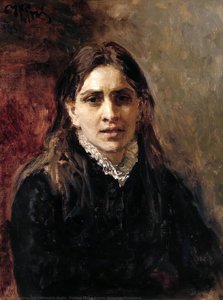
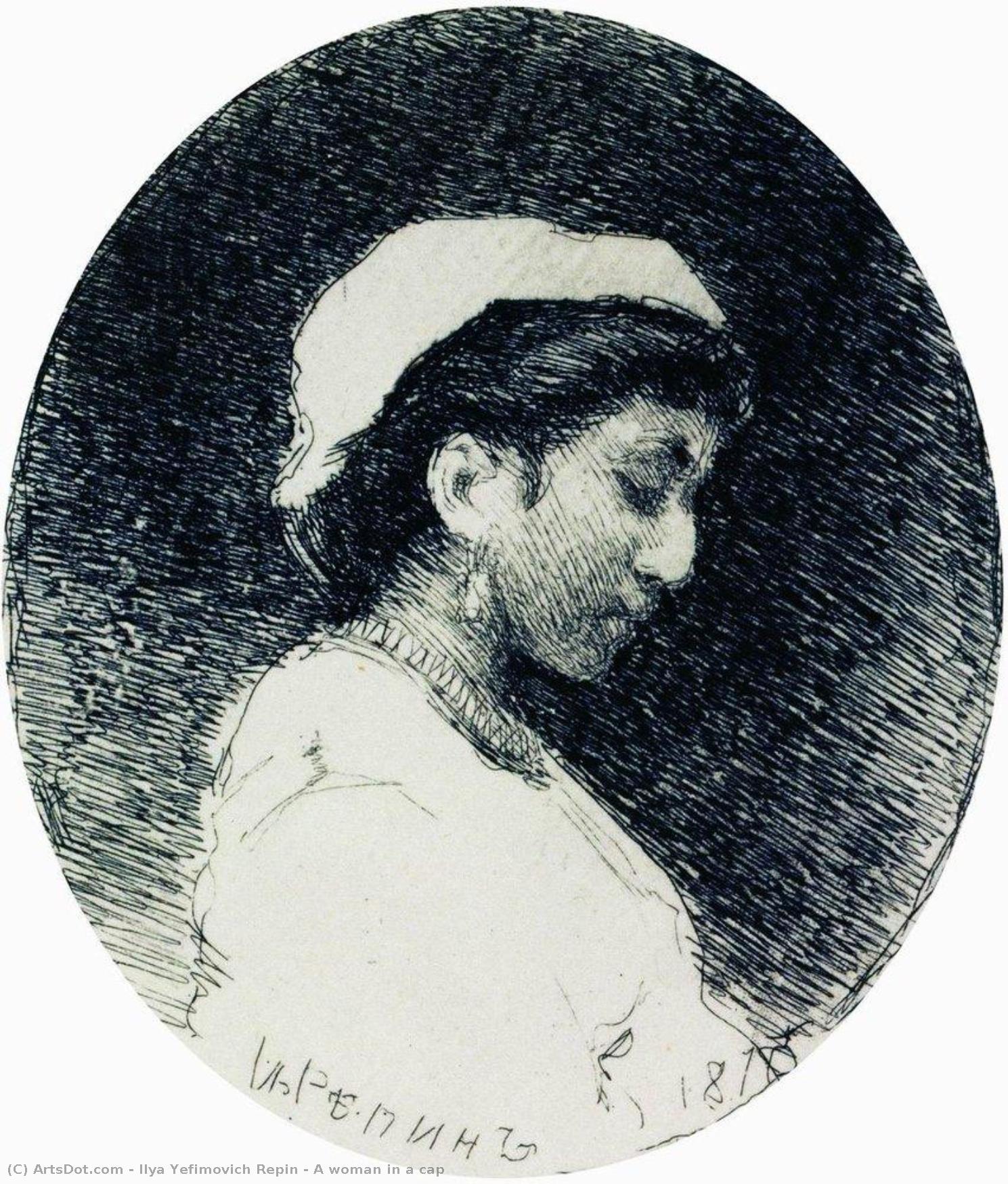
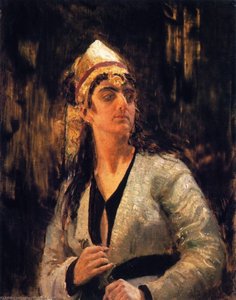
A woman in a cap
 Acrylic On Canvas
- WallArt
- Realism
 27.0 x 21.0 cm
 Vitebsk Museum of Modern Art
 Weiterlesen
Giclée / Kunstdruck
Giclée- oder Leinwanddruck in Museumsqualität mit schneller Produktion und flexiblen Veredelungsoptionen. ( Handgemalte Reproduktion bestellen Bild kaufen)




P118B $10

P118H $10

P118W $10

P438Z $10

P508JH $12

P508YH $12

P805H $10

P805Z $10

P919BZ $10

P919G $10

P919XJ $10

P959ZH $10

P968JZ $12

W106C $8

W218G $10

W218JH $8

W218Y $10

W307PJ $10

W316G $10

W316PJ $8

W316Y $10

W398PJ $8

W4111J $10

W500HY $15

W500JH $15

W692G $12

W849H $8

W940BG $15

W953PJ $8




Wählen Sie aus unseren vordefinierten Formaten, die den ursprünglichen Proportionen des Kunstwerks entsprechen.

Sie können Ihre eigenen Maße eingeben, um ein bestimmtes Format oder einen speziellen Platz einzupassen. Wenn das von Ihnen gewählte Format nicht den Proportionen des Originalbildes entspricht, werden wir das Kunstwerk entweder beschneiden oder das Bild mit einem gespiegelten oder einfarbigen Rand erweitern. Ein digitaler Entwurf wird Ihnen zur Genehmigung zugesandt, bevor die Produktion beginnt.
Bitte beachten Sie, dass die Vorschau auf dem Bildschirm nicht den tatsächlichen Zuschnitt oder die Erweiterung widerspiegelt. Nur der Entwurf zeigt die endgültige Komposition präzise an.
Obwohl Sondermaße verfügbar sind, empfehlen wir die Auswahl eines Maßes aus der vordefinierten Liste, um die ursprünglichen Proportionen zu bewahren.
Weltweiter Versand () innerhalb von 2 Wochen statt der üblichen 4/5 Wochen. (22 August)

Kostenloser weltweiter Expressversand

Hochwertige Leinenleinwand

Umfassender Versicherungsschutz beim Versand

Zollgebühren-Rückerstattungsgarantie

Garantie für exakte Farbtreue

60 Tage Rückgaberecht (nur bei Mängeln)

100% Geld-zurück-Garantie

Mengenrabatt verfügbar
 Die Glasoption ist nur für Größen unter 110 cm verfügbar.

A woman in a cap
Giclée / Kunstdruck
Format der Reproduktion
-


Gesamtpreis
$ 62
Sammlerstück-Beschreibung
The Enigmatic Gaze: Unveiling ‘A Woman in a Cap’
Ilya Repin's “A Woman in a Cap,” painted circa 1876-1878, isn’t merely a portrait; it’s a carefully constructed window into the soul of late 19th-century Russia. This arresting image, rendered in meticulous black and white etching, captures a moment of profound introspection within a seemingly simple scene – a woman, her face partially obscured by a worn cap, gazing downwards with eyes closed. The composition immediately draws you in, not through grand gestures or dramatic lighting, but through the quiet intensity radiating from this single figure. Repin, a pivotal voice in Russian Realism, masterfully eschews romantic idealization, presenting instead a portrait of everyday life imbued with an undercurrent of melancholy and resilience.
The Roots of Realism: Context and Influences
Repin’s artistic journey was deeply intertwined with the burgeoning realist movement in Russia, a reaction against the prevailing academic styles that prioritized idealized beauty over authentic representation. His early years were shaped by his humble origins – born in Chuguev, Ukraine, to a family of horse traders – and his apprenticeship under an icon painter, a stark contrast to the aristocratic circles often associated with artistic patronage. This grounding in the lives of ordinary people profoundly influenced his work. The painting’s subject matter—a woman from the working class—reflects Repin's commitment to portraying the realities of Russian society, particularly the hardships faced by its peasantry. He was deeply affected by the social and economic changes sweeping across Russia at the time, witnessing firsthand the displacement and struggles of rural communities. The influence of artists like Jean-François Millet, whose depictions of peasant life resonated with Repin’s own empathy for the downtrodden, is palpable in the work's directness and unvarnished portrayal of human experience.
A Study in Texture and Detail: Technique and Style
Repin’s etching technique is nothing short of extraordinary. He employs a remarkable level of detail, meticulously rendering the texture of the woman’s cap, the folds of her clothing, and the subtle nuances of her facial features. The stark contrast between light and shadow creates a dramatic effect, emphasizing the contours of her face and drawing attention to her downward gaze. The use of cross-hatching—a technique involving layering intersecting lines—builds up tonal values with incredible precision, giving the image a rich, tactile quality. This painstaking process speaks volumes about Repin’s dedication to capturing not just the likeness of his subject but also the very essence of her being. The monochrome palette further enhances the painting's mood, lending it an air of timelessness and solemnity.
Symbolism and Emotional Resonance: Beyond the Surface
The woman’s closed eyes invite speculation about her thoughts and feelings. Is she lost in memory? Reflecting on a difficult past? Or perhaps simply seeking solace from the burdens of daily life? The cap, worn and slightly askew, suggests a life lived with hardship and resilience. It's not an emblem of wealth or status, but rather a symbol of practicality and endurance. The overall effect is one of quiet dignity—a testament to the strength and stoicism of ordinary people in the face of adversity. “A Woman in a Cap” isn’t just a portrait; it’s a meditation on human experience, a poignant reminder of the enduring spirit that resides within us all. It's a piece that continues to resonate with viewers today, prompting reflection on themes of identity, memory, and the complexities of life.
Ähnliche Kunstwerke
Über den Künstler
Frühes Leben und Ausbildung
Ilya Yefimovich Repin, ein renommierter russischer Realistischer Maler, wurde am 24. Juli 1844 in Chuguev, Ukraine (damals Teil des Russischen Reiches), geboren. Sein Vater, Yefim Vasilyevich Repin, war Unteroffizier im Uhlanregiment der Kaiserlichen Russischen Armee. Repins frühe Ausbildung fand an einer lokalen Schule statt, wo seine Mutter unterrichtete. Später besuchte er von 1854 bis 1856 eine Militär-Kantonisten-Schule.Künstlerische Laufbahn
Repins künstlerischer Weg begann 1856 als Lehrling bei Ivan Bunakov, einem lokalen Ikonenmaler. Er restaurierte alte Ikonen und malte Porträts von lokalen Persönlichkeiten durch Aufträge. Im Jahr 1863 trat er in die St. Petersburger Kunstakademie ein, um Malerei zu studieren, wo er den Künstler Ivan Kramskoi und den Kritiker Vladimir Stasov kennenlernte. Repins Arbeit wurde 1869 mit einer kleinen Goldmedaille für seine Gemälde Job und seine Freunde gewürdigt.Wichtige Werke und Ausstellungen
Zu Repins bekanntesten Werken gehören:- Bargenkähne auf der Wolga (1873), das von Kritikern gelobt und als Beispiel für die russische Realistische Malerei in ganz Europa ausgestellt wurde.
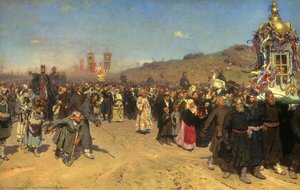
- Religiöse Prozession in der Provinz Kursk (1883), das seine Fähigkeit demonstriert, die Essenz des russischen Lebens einzufangen.
- Die Antwort der Saporoscher Kosaken an Sultan Mahmoud IV. (1880–91), ein Meisterwerk, das Repins Position als einer der führenden russischen Künstler festigte.
Vermächtnis und Späteres Leben
Repin unterrichtete ab 1894 an der Höheren Kunstschule, die an die Akademie der Künste angeschlossen war. Im Jahr 1901 erhielt er das Legion of Honour. Repin verstarb am 29. September 1930 und wurde auf seinem Anwesen Penates in Kuokkala, Finnland (heute Repino, St. Petersburg), beigesetzt. Betrachten Sie Repins Kunstwerke auf ArtsDot: Erkunden Sie russische Kunst auf ArtsDot: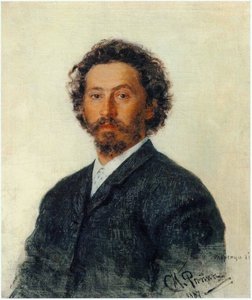
Ilja Jewgenjewitsch Repin
1844 - 1930 , Russisches Kaiserreich
Kurzinfos
- Bemerkenswerte Werke:
- Die Volga-Barge haulers
- Religiöse Prozession in Kursk
- Antwort der Saporoscher Kosaken
- Einflussreiche Künstler:
- Iwan Kramskoi
- Wladimir Stassow
- Geburtsdatum: 24. Juli 1844
- Geburtsort: Chuguev, Russland
- Künstlerische Richtung: Russischer Realismus
- Nationalität: Russisch
- Sterbedatum: 29. September 1930
- Vollständiger Name: Ilja Jefimowitsch Repin
Ähnliche Artikel
Die 10 legendärsten Radierungen: Meisterwerke, die Kunstgeschichte schrieben | ArtsDot
Entdecken Sie die 10 legendärsten Radierungen von Rembrandt, Dürer & Goya! Erfahren Sie die Geschichten hinter diesen Meisterwerken der Kunstgeschichte und lassen Sie sich für Ihre Wohnräume inspirieren. Hochwertige Kunstdrucke auf ArtsDot.com.

Etching: A Historical Survey of Technique, Aesthetic Qualities & Enduring Artistic Significance
Explore the rich history of etching, from its origins to Rembrandt's masterful innovations. Discover the technique, aesthetic qualities & enduring legacy of this captivating art form. Expert insights for collectors and enthusiasts.
The Intricate World of Etching: A Historical Survey of Technique, Aesthetic Evolution, and Enduring Artistic Impact
Explore the rich history of etching, from its origins to modern practice. Discover techniques, key artists like Rembrandt, and insights for collectors. A comprehensive guide by ArtsDot.
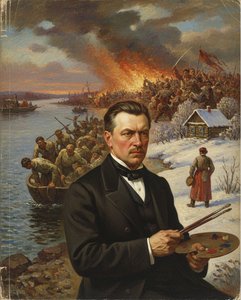
Ilja Repin: Realismus, Revolution und die russische Seele – Eine umfassende Erkundung von Leben und Vermächtnis
Entdecken Sie das Leben und Werk von Ilja Repin, einem Pionier des russischen Realismus. Erfahren Sie mehr über seine ikonischen Gemälde, politischen Engagements und die Darstellung der russischen Seele in unserer umfassenden Analyse.

Goya: Die 25 Meisterwerke des spanischen Genies – Kunst für Ihr Zuhause | ArtsDot
Entdecken Sie die 25 Meisterwerke von Francisco Goya! Tauchen Sie ein in die düstere Romantik spanischer Malerei, Porträts & Historienbilder. Hochwertige Kunstdrucke auf ArtsDot.com – für Kunstliebhaber und stilvolles Wohnen.