 Vorschau anzeigen
 Versenden
 Teilen
 Details anzeigen

 Herunterladen
 Ähnliche Objekte
 Röntgenaufnahme
 Diashow
 Statistiken
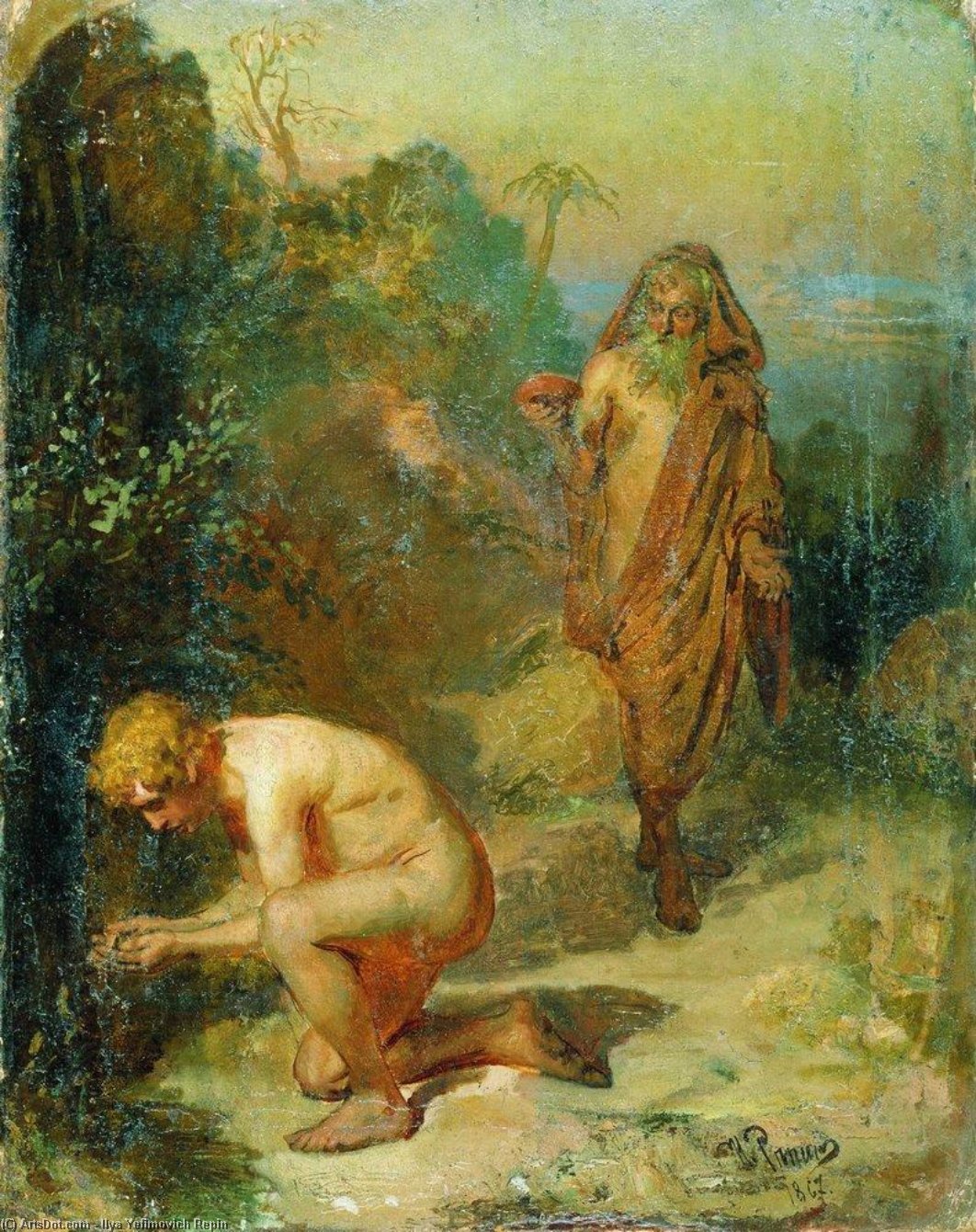
Diogenes and the boy
 Oil On Canvas
- WallArt
- Romanticism
 1867
1867- 19th Century
 60.0 x 47.0 cm
 Weiterlesen
Giclée / Kunstdruck
Giclée- oder Leinwanddruck in Museumsqualität mit schneller Produktion und flexiblen Veredelungsoptionen. ( Handgemalte Reproduktion bestellen Zum digitalen Bild wechseln)




P118B $10

P118H $10

P118W $10

P438Z $10

P508JH $12

P508YH $12

P805H $10

P805Z $10

P919BZ $10

P919G $10

P919XJ $10

P959ZH $10

P968JZ $12

W106C $8

W218G $10

W218JH $8

W218Y $10

W307PJ $10

W316G $10

W316PJ $8

W316Y $10

W398PJ $8

W4111J $10

W500HY $15

W500JH $15

W692G $12

W849H $8

W940BG $15

W953PJ $8




Wählen Sie aus unseren vordefinierten Formaten, die den ursprünglichen Proportionen des Kunstwerks entsprechen.

Sie können Ihre eigenen Maße eingeben, um ein bestimmtes Format oder einen speziellen Platz einzupassen. Wenn das von Ihnen gewählte Format nicht den Proportionen des Originalbildes entspricht, werden wir das Kunstwerk entweder beschneiden oder das Bild mit einem gespiegelten oder einfarbigen Rand erweitern. Ein digitaler Entwurf wird Ihnen zur Genehmigung zugesandt, bevor die Produktion beginnt.
Bitte beachten Sie, dass die Vorschau auf dem Bildschirm nicht den tatsächlichen Zuschnitt oder die Erweiterung widerspiegelt. Nur der Entwurf zeigt die endgültige Komposition präzise an.
Obwohl Sondermaße verfügbar sind, empfehlen wir die Auswahl eines Maßes aus der vordefinierten Liste, um die ursprünglichen Proportionen zu bewahren.
Weltweiter Versand () innerhalb von 2 Wochen statt der üblichen 4/5 Wochen. (10 September)

Kostenloser weltweiter Expressversand

Hochwertige Leinenleinwand

Umfassender Versicherungsschutz beim Versand

Zollgebühren-Rückerstattungsgarantie

Garantie für exakte Farbtreue

100-Tage-Rückgaberecht (nur bei Mängeln)

100% Geld-zurück-Garantie

Mengenrabatt verfügbar
 Die Glasoption ist nur für Größen unter 110 cm verfügbar.

Diogenes and the boy
Giclée / Kunstdruck
Format der Reproduktion
-


Gesamtpreis
$ 62
A Moment Suspended in Faith: Analyzing Diogenes and the Boy
To stand before this vintage oil painting is to step directly into the charged atmosphere of 19th-century religious fervor. The scene, titled Diogenes and the boy, immediately arrests the viewer with its palpable sense of drama and profound human emotion. It is not a moment of quiet contemplation, but rather one caught in the wake of an immense spiritual weight—a narrative steeped in themes of sacrifice, obedience, and the enduring nature of faith. The composition guides the eye across two central figures: the kneeling youth, seemingly lost in prayer or supplication, and the older, bearded man who walks away into the dense backdrop. This interaction speaks volumes without uttering a single word, inviting us to contemplate the weight of divine command.
The Brushwork of Romantic Emotion
Technically, the painting is a masterful exercise in Romanticism. Repin’s visible brushstrokes are not mere records of paint application; they are conduits for feeling. The artist has employed an impasto technique so richly that the foliage and foreground elements possess a tangible, almost rough texture, as if one could reach out and feel the damp earth beneath the painted feet. While the subject matter is deeply rooted in biblical symbolism—evoking echoes of Abraham’s trials—the execution prioritizes emotional resonance over strict academic realism. The lines are loose, expressive, and dynamic, lending a restless energy to what is fundamentally a moment of profound stillness. This deliberate stylistic choice ensures that the viewer connects not just with the story, but with the raw, visceral feeling of the narrative itself.
Historical Echoes and Symbolic Depth
Dating from 1867, this work places us squarely within the artistic currents of mid-Victorian European painting, a period fascinated by heightened emotion and moral allegory. The subject matter—the potential sacrifice—is an enduring touchstone in art history, symbolizing humanity’s willingness to submit to forces greater than itself. Repin, known for capturing the soul of Russian life, channels that same intensity here into a universal language of spiritual struggle. The natural setting is not merely decorative; it acts as a chaotic, enveloping witness to the human drama unfolding within it. It suggests that faith and profound personal moments often occur against a backdrop of untamed, overwhelming nature.
Bringing the Masterpiece Home
For the collector or designer seeking an artwork with deep narrative power, this piece offers unparalleled emotional depth. The combination of Repin’s signature dramatic flair, the rich texture achieved through oil paint on canvas, and its potent symbolism makes it a captivating focal point for any sophisticated interior space. Owning a reproduction allows one to integrate this powerful dialogue between man, faith, and nature into your décor. It is an investment not just in art history, but in a continuous conversation with timeless themes of devotion and human endurance.
Ähnliche Kunstwerke
Über den Künstler
Frühes Leben und Ausbildung
Ilya Yefimovich Repin, ein renommierter russischer Realistischer Maler, wurde am 24. Juli 1844 in Chuguev, Ukraine (damals Teil des Russischen Reiches), geboren. Sein Vater, Yefim Vasilyevich Repin, war Unteroffizier im Uhlanregiment der Kaiserlichen Russischen Armee. Repins frühe Ausbildung fand an einer lokalen Schule statt, wo seine Mutter unterrichtete. Später besuchte er von 1854 bis 1856 eine Militär-Kantonisten-Schule.Künstlerische Laufbahn
Repins künstlerischer Weg begann 1856 als Lehrling bei Ivan Bunakov, einem lokalen Ikonenmaler. Er restaurierte alte Ikonen und malte Porträts von lokalen Persönlichkeiten durch Aufträge. Im Jahr 1863 trat er in die St. Petersburger Kunstakademie ein, um Malerei zu studieren, wo er den Künstler Ivan Kramskoi und den Kritiker Vladimir Stasov kennenlernte. Repins Arbeit wurde 1869 mit einer kleinen Goldmedaille für seine Gemälde Job und seine Freunde gewürdigt.Wichtige Werke und Ausstellungen
Zu Repins bekanntesten Werken gehören:- Bargenkähne auf der Wolga (1873), das von Kritikern gelobt und als Beispiel für die russische Realistische Malerei in ganz Europa ausgestellt wurde.
- Religiöse Prozession in der Provinz Kursk (1883), das seine Fähigkeit demonstriert, die Essenz des russischen Lebens einzufangen.
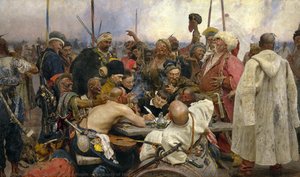
- Die Antwort der Saporoscher Kosaken an Sultan Mahmoud IV. (1880–91), ein Meisterwerk, das Repins Position als einer der führenden russischen Künstler festigte.
Vermächtnis und Späteres Leben
Repin unterrichtete ab 1894 an der Höheren Kunstschule, die an die Akademie der Künste angeschlossen war. Im Jahr 1901 erhielt er das Legion of Honour. Repin verstarb am 29. September 1930 und wurde auf seinem Anwesen Penates in Kuokkala, Finnland (heute Repino, St. Petersburg), beigesetzt. Betrachten Sie Repins Kunstwerke auf ArtsDot: Erkunden Sie russische Kunst auf ArtsDot: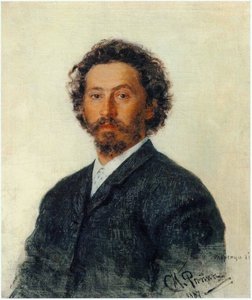
Ilja Jewgenjewitsch Repin
1844 - 1930 , Russisches Kaiserreich
Kurzinfos
- Bemerkenswerte Werke:
- Die Volga-Barge haulers
- Religiöse Prozession in Kursk
- Antwort der Saporoscher Kosaken
- Einflussreiche Künstler:
- Iwan Kramskoi
- Wladimir Stassow
- Geburtsdatum: 24. Juli 1844
- Geburtsort: Chuguev, Russland
- Künstlerische Richtung: Russischer Realismus
- Nationalität: Russisch
- Sterbedatum: 29. September 1930
- Vollständiger Name: Ilja Jefimowitsch Repin
Ähnliche Artikel

The Enduring Legacy of Oil on Canvas: Technique, History & Aesthetic Impact
Explore the rich history & techniques of oil painting – from Renaissance masters to Impressionism. Discover pigments, layering methods, and why this timeless medium endures. Expert insights for artists & art enthusiasts.
Ilja Repin: Realismus, Revolution und die russische Seele – Eine umfassende Erkundung von Leben und Vermächtnis
Entdecken Sie das Leben und Werk von Ilja Repin, einem Pionier des russischen Realismus. Erfahren Sie mehr über seine ikonischen Gemälde, politischen Engagements und die Darstellung der russischen Seele in unserer umfassenden Analyse.

Öl auf Leinwand: Eine historische und technische Erkundung eines zeitlosen künstlerischen Mediums
Entdecken Sie die faszinierende Welt der Ölmalerei! Von historischen Techniken bis zur modernen Anwendung – wir bieten Expertenwissen, Restaurierungstipps und hochwertige Reproduktionen. Jetzt informieren!

The Enduring Power of Painting: A Historical & Contemporary Exploration of Form and Emotion
Explore the rich history & enduring techniques of oil painting with ArtsDot. Discover masterpieces, learn about art collecting, and find authentic handmade reproductions crafted by skilled artists.
Ivan Bilibin: A Synthesis of Folklore, Modernism & National Identity in Russian Illustration
Explore the enchanting world of Ivan Bilibin, a master Russian illustrator who synthesized folklore, Art Nouveau & national identity. Discover his iconic fairy tale illustrations and legacy with ArtsDot.