

 Vorschau anzeigen
 Versenden
 Teilen
 Details anzeigen

 Herunterladen
 Ähnliche Objekte
 Röntgenaufnahme
 Diashow
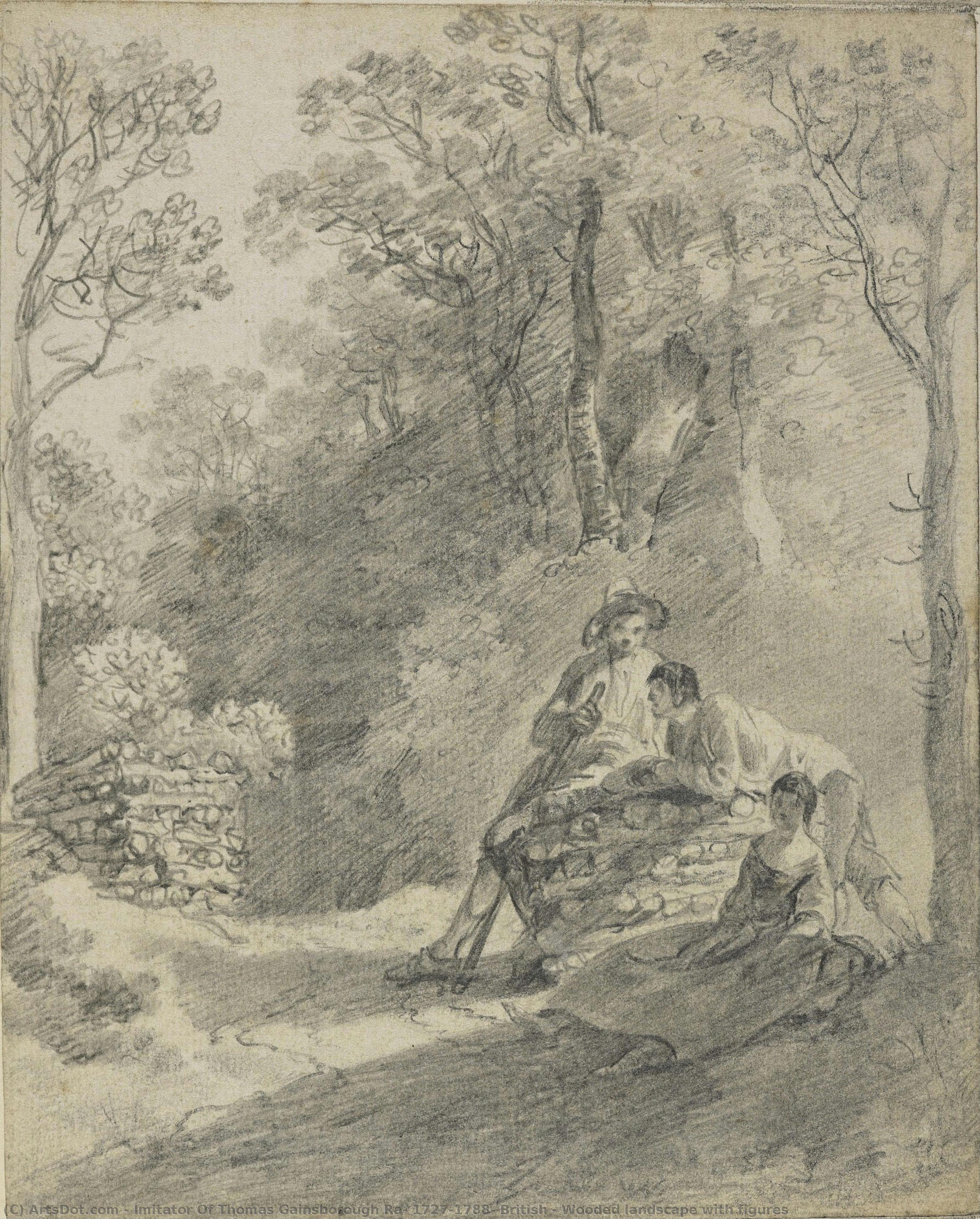
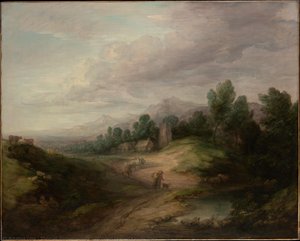
Wooded landscape with figures


 Weiterlesen
Giclée / Kunstdruck
Giclée- oder Leinwanddruck in Museumsqualität mit schneller Produktion und flexiblen Veredelungsoptionen. ( Handgemalte Reproduktion bestellen Bild kaufen)




































Wählen Sie aus unseren vordefinierten Formaten, die den ursprünglichen Proportionen des Kunstwerks entsprechen.

Sie können Ihre eigenen Maße eingeben, um ein bestimmtes Format oder einen speziellen Platz einzupassen. Wenn das von Ihnen gewählte Format nicht den Proportionen des Originalbildes entspricht, werden wir das Kunstwerk entweder beschneiden oder das Bild mit einem gespiegelten oder einfarbigen Rand erweitern. Ein digitaler Entwurf wird Ihnen zur Genehmigung zugesandt, bevor die Produktion beginnt.
Bitte beachten Sie, dass die Vorschau auf dem Bildschirm nicht den tatsächlichen Zuschnitt oder die Erweiterung widerspiegelt. Nur der Entwurf zeigt die endgültige Komposition präzise an.
Obwohl Sondermaße verfügbar sind, empfehlen wir die Auswahl eines Maßes aus der vordefinierten Liste, um die ursprünglichen Proportionen zu bewahren.
Weltweiter Versand () innerhalb von 2 Wochen statt der üblichen 4/5 Wochen. (27 August)

Kostenloser weltweiter Expressversand

Hochwertige Leinenleinwand

Umfassender Versicherungsschutz beim Versand

Zollgebühren-Rückerstattungsgarantie

Garantie für exakte Farbtreue

60 Tage Rückgaberecht (nur bei Mängeln)

100% Geld-zurück-Garantie

Mengenrabatt verfügbar
 Die Glasoption ist nur für Größen unter 110 cm verfügbar.

Wooded landscape with figures
Giclée / Kunstdruck
Format der Reproduktion
-


Gesamtpreis
$ 62
A Whispering Woodland: The Essence of an Era
In the quietude of this evocative landscape, we find ourselves transported to the heart of the English countryside during the mid-18th century. This piece, a masterful homage to the legendary Thomas Gainsborough, captures more than just a scenic view; it captures a moment of profound stillness. The composition invites the viewer to wander through a dense, textured grove where the interplay of light and shadow creates a rhythmic dance across the forest floor. At its center, a small gathering of figures provides a human heartbeat to the sprawling greenery, their quiet interaction suggesting a narrative of companionship and shared reflection. It is a scene that breathes with the gentle respiration of nature, offering a sanctuary for the soul amidst the complexities of modern life.
The artistry behind this work draws deeply from the tradition of British landscape painting, specifically channeling the atmospheric brilliance of Gainsborough’s later periods. The technique relies on a delicate balance of soft, feathered brushstrokes that mimic the rustling of leaves and the hazy quality of light filtering through an ancient canopy. There is a palpable sense of depth achieved through the masterful layering of tones—from the deep, mossy shadows of the thicket to the luminous, sun-drenched patches where the figures rest. This painterly approach does not merely depict trees and people; it evokes the very feeling of a summer afternoon, making the canvas feel less like a static image and more like a window into a living, breathing world.
For the discerning collector or interior designer, this artwork serves as a cornerstone of classical elegance. The muted, organic palette of earth tones, deep greens, and soft ochres allows it to integrate seamlessly into a variety of sophisticated environments, from a stately traditional study to a contemporary room seeking a touch of historical warmth. Beyond its aesthetic appeal, the painting carries a symbolic weight, representing the timeless harmony between humanity and the natural world. To hang this piece is to invite a sense of tranquility and pastoral grace into a space, providing a focal point that encourages contemplation and a deep, emotional connection to the heritage of British fine art.
Ähnliche Kunstwerke
Über den Künstler
The Shadow of Gainsborough: An Imitator’s Legacy
The imitator of Thomas Gainsborough RA (1727–1788) stands as a fascinating figure within the artistic landscape of Georgian Britain, representing not merely replication but an absorption and transformation of Gainsborough's celebrated style. While biographical details remain scarce—a testament to the often elusive nature of artists working anonymously or under pseudonyms—scholarly analysis reveals a consistent dedication to capturing the essence of Gainsborough’s distinctive aesthetic, cementing their place as a pivotal contributor to the era’s artistic discourse.Early Life and Artistic Formation
Information regarding the imitator's birthdate and familial background is fragmentary. Records indicate they emerged onto the British art scene during the mid-18th century, coinciding with Gainsborough’s burgeoning fame. Their formative years likely involved exposure to Gainsborough’s paintings—particularly monumental canvases like “The Bridgewater Canal” and “The Archers”—which undoubtedly instilled a profound appreciation for Gainsborough's masterful use of light, color, and brushwork. The influence of Gainsborough extended beyond mere visual imitation; it permeated the imitator’s compositional choices and thematic concerns. Despite limited documentation concerning their personal life, circumstantial evidence suggests they hailed from Lincolnshire—a region known for its pastoral landscapes and artistic tradition—providing a fertile ground for developing an understanding of Gainsborough's aesthetic sensibilities.Style and Technique: Echoes of Gainsborough
The imitator’s artistic hallmark was undeniably their adherence to Gainsborough’s signature style—a technique characterized by loose, feathery brushstrokes that conveyed atmospheric depth and textural richness. Like Gainsborough himself, they excelled at depicting landscapes imbued with subtle tonal variations and capturing the fleeting effects of weather conditions. However, unlike Gainsborough's grand narratives, the imitator predominantly focused on portraiture, producing exquisitely rendered depictions of individuals—often women and children—that prioritized psychological insight alongside meticulous anatomical accuracy. The palette employed mirrored Gainsborough’s preference for muted hues—particularly earthy tones—creating a harmonious visual experience that resonated with the sensibilities of the time. This distinctive approach—a deliberate rejection of flamboyant Baroque ornamentation—reflected the prevailing artistic tastes of Georgian England, where restraint and elegance were highly valued. Their brushwork was particularly notable for its ability to capture the nuances of light and shadow, mirroring Gainsborough’s groundbreaking explorations into chiaroscuro—a technique that dramatically enhanced the expressive power of their paintings.Notable Works: Reflections of Gainsborough's Vision
Several paintings attributed to the imitator bear striking similarities to Gainsborough’s oeuvre, demonstrating their unwavering commitment to stylistic emulation. “Wooded Landscape with Figures,” for example, embodies Gainsborough’s ability to fuse topographical realism with poetic contemplation—a characteristic found repeatedly in Gainsborough’s landscapes. Critics lauded the work's masterful depiction of atmospheric perspective and its subtle rendering of foliage textures. Similarly, “Portrait of C.W. Bampfylde as Colonel of the Somerset Militia” exemplifies Gainsborough’s meticulous attention to detail and his skill in conveying character through subtle facial expressions—a stylistic element that aligns seamlessly with Gainsborough’s humanist approach to portraiture. Furthermore, "Ignatius Sancho" showcases the imitator’s talent for portraying subjects with empathy and nuance—a stylistic element that aligns seamlessly with Gainsborough’s humanist approach to portraiture. These works are currently housed in collections at Tate Gallery and British Museum.Historical Significance: Maintaining Tradition Amidst Change
The imitator's contribution lies not in groundbreaking innovation but in preserving and disseminating Gainsborough’s artistic legacy during a period of significant stylistic evolution. While Romanticism was gaining momentum, emphasizing dramatic emotion and imaginative vision, the imitator steadfastly upheld Gainsborough’s aesthetic principles—a deliberate choice that reflected the broader cultural values of Georgian Britain. By faithfully reproducing Gainsborough's style, they ensured that his distinctive visual language continued to inspire artists and captivate audiences for decades to come. Their work serves as a poignant reminder of how artistic traditions can endure through successive generations, adapting subtly yet retaining their core essence. As historians note, the imitator’s stylistic choices represented a conscious effort to resist the prevailing trends of the era—a testament to their artistic integrity and their unwavering devotion to upholding Gainsborough's enduring legacy.- Landscape and Cattle - imitator of Thomas Gainsborough RA, 1727–1788, British – https://artsandculture.google.com/asset/landscape-and-cattle-imitator-of-thomas-gainsborough-ra-1727%E2%80%931788-british/RQFsoBwCUFoTeQ
- Portrait of C.W. Bampfylde as Colonel of the Somerset Militia. Private collection.
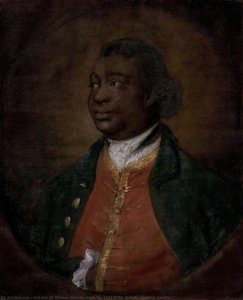
- Ignatius Sancho
Imitator von Thomas Gainsborough RA
1727 - 1788 , Vereinigtes Königreich
Kurzinfos
- Artistic Movement Or Style: Gainsborough Stil
- Artists Who Influenced This Artist: ['Thomas Gainsborough']
- Date Of Birth: 1727
- Date Of Death: 1788
- Full Name: imitator of thomas gainsborough ra
- Nationality: Britisch
- Notable Artworks:
- Wooded Landschaft mit Figuren
- Portrait von C.W. Bampfylde als Colonel der Somerset Miliz
- Ignatius Sancho
- Place Of Birth: United Kingdom
Ähnliche Artikel

John Constable: Die 25 Meisterwerke des englischen Landschaftsgenies – ArtsDot
Entdecken Sie die 25 Meisterwerke von John Constable! Erleben Sie englische Landschaftsmalerei vom Hay Wain bis zur Stour Valley. Hochwertige Reproduktionen & Kunst für Ihr Zuhause auf ArtsDot.com.
Idyllic Visions: Exploring the Pastoral Scene in Art History – From Arcadia to Modern Interpretations
Explore the captivating history of pastoral art from classical Arcadia to modern masterpieces. Discover key artists like Millet & Cole at ArtsDot. Find serene landscape paintings for your home.
Idyllic Visions: Exploring the Pastoral Tradition in Western Art – Themes, Techniques & Enduring Appeal
Explore the rich history of pastoral art from classical Arcadia to contemporary interpretations. Discover key artists, themes & collecting tips at ArtsDot.

Romantische Landschaften: Die 10 Meisterwerke, die eine Epoche prägten | ArtsDot
Entdecken Sie die 10 Meisterwerke der Romantischen Landschaftsmalerei! Von Caspar David Friedrich bis Turner – erleben Sie die Kunst, Emotion & Natur. Hochwertige Reproduktionen auf ArtsDot.com

Evocations of Place: A Historical Journey Through Landscape Art
Explore the rich history of landscape art with ArtsDot. Discover renowned artists, movements like Impressionism & Romanticism, and expert guidance for collecting timeless pieces. Find your perfect serene escape today!

