

 Vorschau anzeigen
 Versenden
 Teilen
 Details anzeigen

 Herunterladen
 Ähnliche Objekte
 Röntgenaufnahme
 Diashow
 Stats
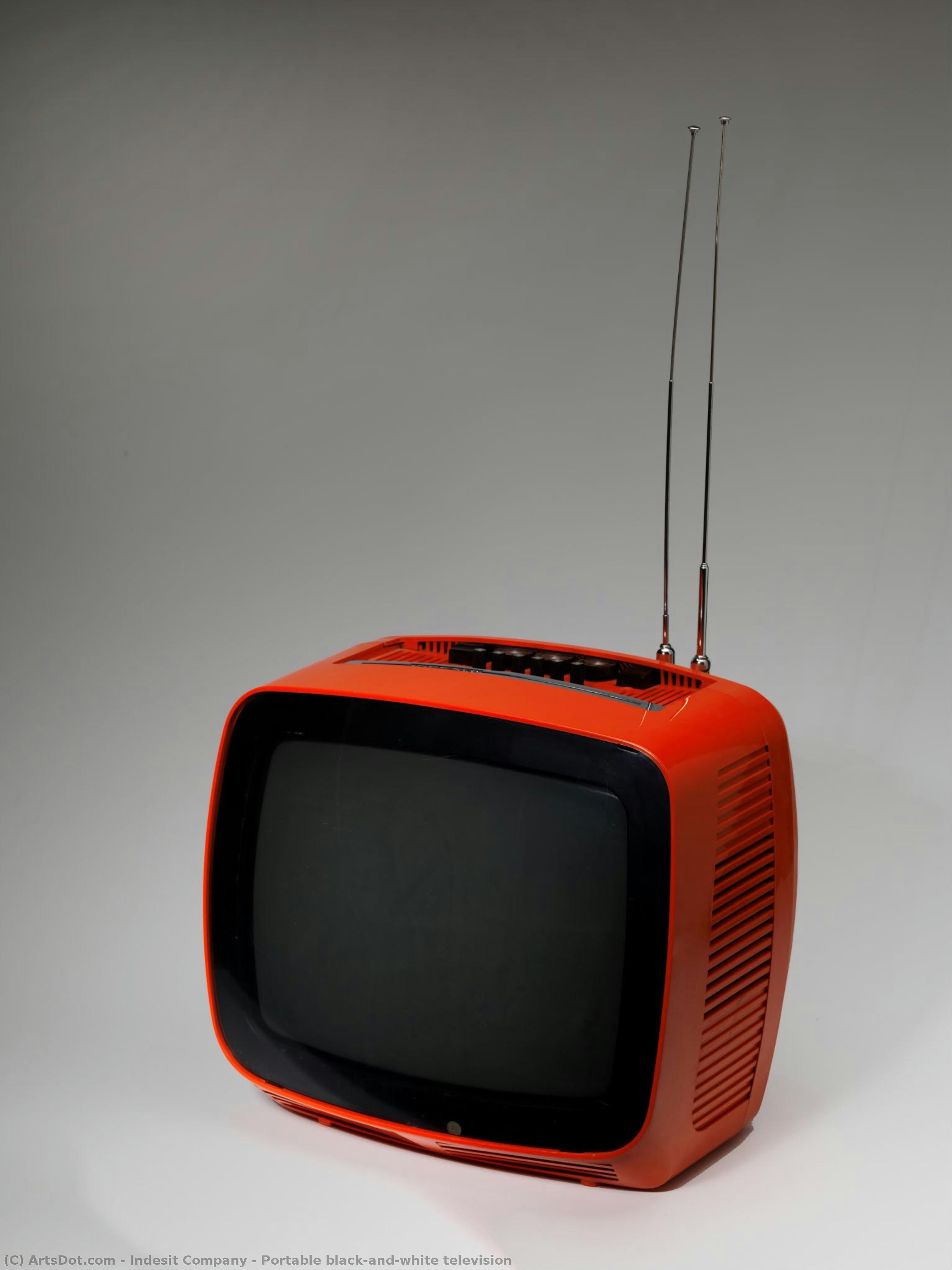
StatsPortable black-and-white television
 1970
1970 30.0 x 33.0 cm
 NEMO Science Museum
 Weiterlesen
Giclée / Kunstdruck
Giclée- oder Leinwanddruck in Museumsqualität mit schneller Produktion und flexiblen Veredelungsoptionen. ( Handgemalte Reproduktion bestellen Switch to Digital Image)




































Wählen Sie aus unseren vordefinierten Formaten, die den ursprünglichen Proportionen des Kunstwerks entsprechen.

Sie können Ihre eigenen Maße eingeben, um ein bestimmtes Format oder einen speziellen Platz einzupassen. Wenn das von Ihnen gewählte Format nicht den Proportionen des Originalbildes entspricht, werden wir das Kunstwerk entweder beschneiden oder das Bild mit einem gespiegelten oder einfarbigen Rand erweitern. Ein digitaler Entwurf wird Ihnen zur Genehmigung zugesandt, bevor die Produktion beginnt.
Bitte beachten Sie, dass die Vorschau auf dem Bildschirm nicht den tatsächlichen Zuschnitt oder die Erweiterung widerspiegelt. Nur der Entwurf zeigt die endgültige Komposition präzise an.
Obwohl Sondermaße verfügbar sind, empfehlen wir die Auswahl eines Maßes aus der vordefinierten Liste, um die ursprünglichen Proportionen zu bewahren.
Weltweiter Versand () innerhalb von 2 Wochen statt der üblichen 4/5 Wochen. (7 September)

Kostenloser weltweiter Expressversand

Hochwertige Leinenleinwand

Umfassender Versicherungsschutz beim Versand

Zollgebühren-Rückerstattungsgarantie

Garantie für exakte Farbtreue

100-Tage-Rückgaberecht (nur bei Mängeln)

100% Geld-zurück-Garantie

Mengenrabatt verfügbar
 Die Glasoption ist nur für Größen unter 110 cm verfügbar.

Portable black-and-white television
Giclée / Kunstdruck
Format der Reproduktion
-


Gesamtpreis
$ 62
Ähnliche Kunstwerke








Über den Künstler
The Unexpected Canvas: Indesit Company and the Rise of Domestic Art
The name Indesit Company might conjure images of washing machines and refrigerators, a world of stainless steel and practical efficiency. Yet, beneath this veneer of modern domesticity lies an intriguing story – that of a manufacturer unexpectedly venturing into the realm of art. While not traditionally recognized as fine artists, Indesit’s foray into creating portable black-and-white televisions in the mid-20th century represents a fascinating intersection of industrial design, technological innovation, and a surprisingly poignant cultural moment. Their single known artwork, the “Portable Black-and-White Television,” stands as a testament to an era captivated by the burgeoning power of mass media and the desire to bring it into every home.
From Appliances to Aesthetics: A Brief History
Founded in Italy in 1975, Indesit quickly became a leading European manufacturer of household appliances. The post-war economic boom fueled a demand for convenience, and Indesit rose to meet it with affordable, reliable products. However, the company’s vision extended beyond mere functionality. They understood that aesthetics played a crucial role in consumer appeal. This understanding led to collaborations with designers who sought to integrate form and function seamlessly. The “Portable Black-and-White Television,” produced during this period, wasn't simply an appliance; it was conceived as an object that would complement the modern home, reflecting its aspirations for progress and leisure.
The "Portable Black-and-White Television": A Symbol of a Changing World
This singular artwork embodies the spirit of the 1970s. The television itself, while technologically simple by today’s standards, represented a revolutionary shift in how information and entertainment were consumed. It was small enough to be moved from room to room, allowing families greater control over their viewing experience. More importantly, it democratized access to media, bringing news, sports, and culture into the lives of ordinary people. The design is strikingly minimalist – a compact form with clean lines, reflecting the broader aesthetic trends of the time. It wasn’t about opulent decoration; it was about streamlined efficiency and accessibility. The television's very existence speaks volumes about the growing influence of mass media on society and the desire to integrate this new technology into the fabric of daily life.
Influences and Artistic Context
While Indesit Company didn’t explicitly align themselves with any particular artistic movement, their work shares affinities with several key trends. The Bauhaus school's emphasis on functional design and industrial production is evident in the television’s clean lines and minimalist aesthetic. The rise of Pop Art, which celebrated consumer culture and everyday objects, also resonates within this creation. By elevating a common household appliance to the status of an artwork, Indesit implicitly acknowledged the cultural significance of mass-produced goods. Furthermore, the television’s compact size and portability reflect the growing interest in mobility and flexibility that characterized post-war society.
Legacy and Historical Significance
Indesit Company's artistic contribution may be limited to a single known work, but its impact is undeniable. The “Portable Black-and-White Television” serves as a powerful reminder of the often-overlooked aesthetic dimensions of industrial design. It challenges traditional notions of what constitutes art, suggesting that beauty and cultural significance can be found in unexpected places. More broadly, it offers a valuable glimpse into the social and technological landscape of the mid-20th century – an era defined by rapid innovation, changing lifestyles, and the transformative power of mass media. The television stands not just as a relic of the past but as a symbol of a world forever altered by the advent of accessible information and entertainment.

Kurzinfos
- Date Of Death: Living
- Full Name: Indesit Company
- Notable Artworks: ['Portable black-and-white television']