

 Vorschau anzeigen
 Versenden
 Teilen
 Details anzeigen

 Herunterladen
 Ähnliche Objekte
 Röntgenaufnahme
 Diashow
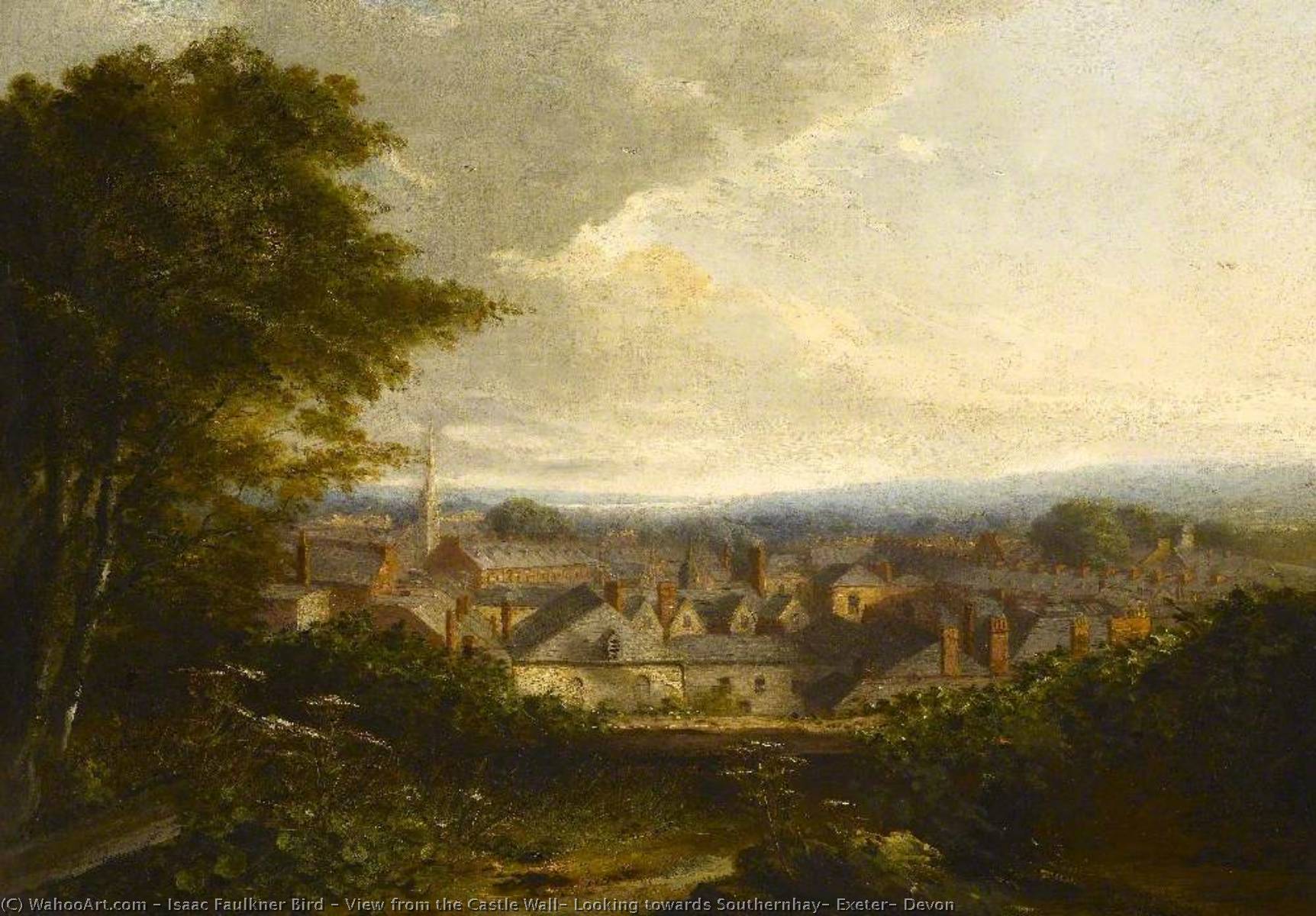
View from the Castle Wall, Looking towards Southernhay, Exeter, Devon
 1880
1880 50.0 x 74.0 cm
 Royal Albert Memorial Museum
 Weiterlesen
Handgefertigte Ölreproduktion
Handgemaltes Ölgemälde auf Leinwand in Ihrer Wunschgröße und mit Rahmen, auf Bestellung von unseren Künstlern angefertigt. ( Druck bestellen Bild kaufen)




































Wählen Sie aus unseren vordefinierten Formaten, die den ursprünglichen Proportionen des Kunstwerks entsprechen.

Sie können Ihre eigenen Maße eingeben, um einen bestimmten Rahmen oder Platz auszufüllen. Wenn die gewählte Größe nicht den Proportionen des Originalbildes entspricht, werden wir das Kunstwerk entweder beschneiden oder das Gemälde durch zusätzliche, handgemalte Elemente erweitern. Ein digitales Mockup wird Ihnen zur Genehmigung zugesandt, bevor die Produktion beginnt.
Bitte beachten Sie, dass die Bildschirmvorschau nicht die tatsächliche Beschneidung oder Erweiterung widerspiegelt. Nur das Mockup zeigt die endgültige Komposition exakt an.
Obwohl Sondermaße verfügbar sind, empfehlen wir, eine Größe aus der vordefinierten Liste zu wählen, um die ursprünglichen Proportionen beizubehalten.
Nach der Bestellung wird das ArtsDot.com-Team dem Kunden Anweisungen per E-Mail zusenden und eine Mockup-Vorschau bereitstellen.
Weltweiter Versand () in nur 3 bis 4 Wochen statt der üblichen 5 Wochen. (28 August). Keine Kompromisse bei der Qualität.

Kostenloser weltweiter Expressversand

Hochwertige Leinenleinwand

Umfassender Versicherungsschutz beim Versand

Zollgebühren-Rückerstattungsgarantie

Garantie für exakte Farbtreue

60 Tage Rückgaberecht (nur bei Mängeln)

100% Geld-zurück-Garantie

Mengenrabatt verfügbar
 Die Glasoption ist nur für Größen unter 110 cm verfügbar.

View from the Castle Wall, Looking towards Southernhay, Exeter, Devon
Art der Reproduktion
Format der Reproduktion
-


Gesamtpreis
$ 263
Ähnliche Kunstwerke










Über den Künstler
The Visionary Portraitist of Victorian Exeter
Isaac Faulkner Bird, born in 1803 in the industrial heart of Bradford, Yorkshire, emerged as a profound and captivating figure within the artistic landscape of Victorian England. While biographical records from his era remain somewhat elusive, they paint a picture of an artist deeply rooted in the social fabric of his time. His journey began with the rigorous formal training under Samuel Lay and Laycock, a respected academic painter whose influence instilled in Bird a meticulous approach to technique and a profound reverence for classical ideals. This formative period was essential in shaping Bird's distinctive aesthetic—a style characterized by luminous color palettes, masterful draughtsmanship, and an unwavering dedication to capturing the psychological nuance of his subjects.
As his career matured, Bird became a celebrated fixture in Exeter and its surrounding regions. His artistic output focused primarily on portraiture, a genre through which he could explore the complex identities of the nineteenth-century middle and upper classes. He gained considerable renown for his depictions of prominent citizens, such as Henry Matthews, the influential druggist and multi-term Mayor of Exeter, and Robert Milligan, a notable businessman. In these works, Bird transcended mere physical likeness; he sought to render the very essence of character, conveying not only the outward trappings of social standing but also the inner temperament and dignity of his sitters.
Mastery of Light and Character
The technical brilliance of Bird’s work lies in his sophisticated use of chiaroscuro—the dramatic interplay between light and shadow. By sculpting forms through these stark contrasts, he imbued his canvases with an emotional depth that moves the viewer beyond simple visual recognition. His mastery of oil paint allowed for a rich tapestry of textures and subtle tonal gradations, creating a palpable sense of atmosphere that reflected the grandeur and gravity of Victorian society. Every brushstroke served to heighten the realism of the fabric, the glow of skin, and the somber weight of the era's fashion.
Beyond his celebrated portraits, Bird’s repertoire occasionally ventured into landscapes that captured the local essence of Devon. A notable example is his “View from the Castle Wall, Looking towards Southernhay, Exeter, Devon,” which demonstrates his ability to translate the topographical beauty of his adopted home into a structured, painterly composition. This versatility highlights an artist who was as much a chronicler of place as he was a student of the human soul.
A Lasting Legacy in British Art
Though Isaac Faulkner Bird passed away in Exeter in 1884, his historical significance remains anchored in the cultural heritage of the West Country. His paintings serve as invaluable windows into the social and cultural milieu of the latter half of the nineteenth century, preserving the faces and spirits of a generation long gone. Through his meticulous attention to detail and his ability to capture the psychological weight of his subjects, Bird ensured that his work would endure not merely as historical record, but as profound explorations of human identity.
The enduring appeal of his oeuvre can be summarized through several key artistic contributions:
- Psychological Depth: The ability to move beyond superficial likeness to capture the inner character of prominent Victorian figures.
- Technical Precision: A disciplined application of academic principles learned from masters like Samuel Laycock.
- Atmospheric Realism: The use of dramatic lighting and rich textures to evoke the social atmosphere of Exeter.
- Historical Documentation: Providing a visual archive of the prominent citizens and landscapes of 19th-century England.
isaac faulkner bird
1803 - 1884
Kurzinfos
- Artistic Movement Or Style: Academic Portraiture
- Artists Who Influenced This Artist:
- George Hay
- John Brett
- Date Of Birth: 1803
- Date Of Death: 1884
- Full Name: Isaac Faulkner Bird
- Nationality: British
- Notable Artworks:
- Henry Matthews
- Robert Milligan
- View from the Castle Wall, Looking towards Southernhay, Exeter
- Place Of Birth: Exeter

