

 Vorschau anzeigen
 Versenden
 Teilen
 Details anzeigen

 Herunterladen
 Ähnliche Objekte
 Röntgenaufnahme
 Diashow
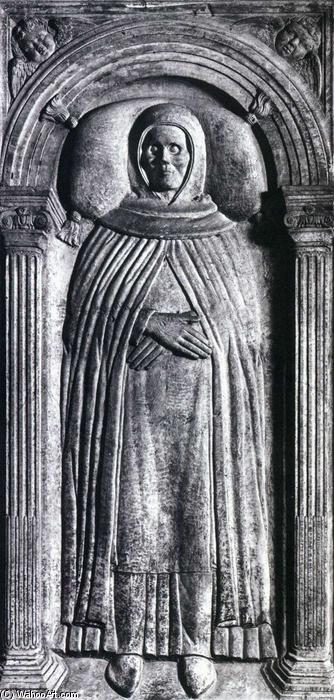
Tomb of Fra Angelico

 Weiterlesen
Handgefertigte Ölreproduktion
Handgemaltes Ölgemälde auf Leinwand in Ihrer Wunschgröße und mit Rahmen, auf Bestellung von unseren Künstlern angefertigt. ( Druck bestellen Bild kaufen)




































Wählen Sie aus unseren vordefinierten Formaten, die den ursprünglichen Proportionen des Kunstwerks entsprechen.

Sie können Ihre eigenen Maße eingeben, um einen bestimmten Rahmen oder Platz auszufüllen. Wenn die gewählte Größe nicht den Proportionen des Originalbildes entspricht, werden wir das Kunstwerk entweder beschneiden oder das Gemälde durch zusätzliche, handgemalte Elemente erweitern. Ein digitales Mockup wird Ihnen zur Genehmigung zugesandt, bevor die Produktion beginnt.
Bitte beachten Sie, dass die Bildschirmvorschau nicht die tatsächliche Beschneidung oder Erweiterung widerspiegelt. Nur das Mockup zeigt die endgültige Komposition exakt an.
Obwohl Sondermaße verfügbar sind, empfehlen wir, eine Größe aus der vordefinierten Liste zu wählen, um die ursprünglichen Proportionen beizubehalten.
Nach der Bestellung wird das ArtsDot.com-Team dem Kunden Anweisungen per E-Mail zusenden und eine Mockup-Vorschau bereitstellen.
Weltweiter Versand () in nur 3 bis 4 Wochen statt der üblichen 5 Wochen. (27 August). Keine Kompromisse bei der Qualität.

Kostenloser weltweiter Expressversand

Hochwertige Leinenleinwand

Umfassender Versicherungsschutz beim Versand

Zollgebühren-Rückerstattungsgarantie

Garantie für exakte Farbtreue

60 Tage Rückgaberecht (nur bei Mängeln)

100% Geld-zurück-Garantie

Mengenrabatt verfügbar
 Die Glasoption ist nur für Größen unter 110 cm verfügbar.

Tomb of Fra Angelico
Art der Reproduktion
Format der Reproduktion
-


Gesamtpreis
$ 263
Beschreibung des Kunstwerks
Ähnliche Kunstwerke




Über den Künstler
Isaia da Pisa: The Silent Master of Roman Majesty
Isaia da Pisa, a name perhaps less familiar than those of his contemporaries in the bustling workshops of Florence and Rome, nevertheless stands as a pivotal figure in the late 15th-century Italian Renaissance. Born around 1410 in Pisa, he emerged from a lineage steeped in stoneworking tradition – his grandfather, Giovanni di Gante, was a skilled artisan, and his father, Pippo di Giovanni de Ghante da Pisa, even collaborated with the legendary Donatello on the magnificent Brancacci monument in Florence. This familial connection to craftsmanship undoubtedly shaped Isaia’s early artistic development, grounding him in the fundamental techniques of carving and modeling stone.
While much about Isaia's life remains shrouded in mystery – biographical details are scarce and often intertwined with legend – his career primarily unfolded during a period of intense artistic innovation. He spent considerable time in Rome, a city undergoing a dramatic transformation fueled by papal patronage and the rediscovery of classical ideals. This Roman environment profoundly influenced his style, leading him to embrace the refined elegance and restrained emotion characteristic of late Gothic and early Renaissance sculpture. Unlike the flamboyant expressiveness often associated with artists like Michelangelo or Leonardo, Isaia’s work is marked by a quiet dignity and an almost meditative quality.
The Reliquary Tabernacle of St Andrew: A Testament to Roman Patronage
Isaia da Pisa's most celebrated achievement is undoubtedly the Reliquary Tabernacle of the Head of St Andrew, housed within the Grotte Vaticane (Vatican Caves) in Rome. Commissioned around 1463-64 for Pope Pius II, this extraordinary work represents a culmination of Isaia’s artistic vision and a testament to the lavish patronage that characterized the papal court. The tabernacle is not merely a container for relics; it's a miniature architectural marvel, meticulously crafted from white marble and adorned with intricate carvings depicting scenes from the life of St Andrew, the apostle to whom the relic belonged.
The level of detail is astonishing – every figure, drapery fold, and architectural element is rendered with remarkable precision. Isaia’s mastery of perspective and his understanding of classical forms are evident throughout the piece. Notably, he collaborated with Paolo Romano on this project, demonstrating a willingness to learn from and engage with other skilled artisans. The tabernacle's serene atmosphere and its subtle emotional resonance have captivated viewers for centuries, solidifying Isaia’s reputation as one of Rome’s most accomplished sculptors.
A Shadowy Figure in the Shadows of Fra Angelico
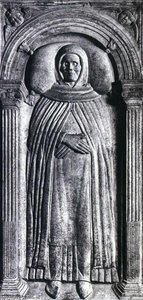
Beyond the Reliquary Tabernacle, Isaia da Pisa's oeuvre is relatively modest, consisting primarily of commissions undertaken in collaboration with other artists. However, his contributions to the Tomb of Fra Angelico in the church of San Marco in Florence are significant. He sculpted the elaborate reliquary that housed the saint’s remains, a work reflecting the same meticulous craftsmanship and restrained elegance seen in the St Andrew tabernacle.
Interestingly, Isaia's style appears to have been influenced by the Roman sculptural tradition of the late 14th and early 15th centuries – a period marked by a revival of classical forms and a preference for idealized figures. His work demonstrates a remarkable ability to synthesize these influences, creating sculptures that are both deeply rooted in Italian artistic heritage and imbued with a sense of timeless beauty.
Legacy and Historical Context
Isaia da Pisa’s legacy is often overshadowed by the brilliance of his more famous contemporaries, yet his contributions to the development of Renaissance sculpture are undeniable. He represents a crucial link between the Gothic and Early Renaissance styles, embodying the quiet dignity and restrained emotion that characterized much of Roman art during this period. His work reflects the influence of humanist ideals – particularly the emphasis on classical forms and the pursuit of beauty – while also retaining a deep connection to Italian artistic tradition.
Despite the scarcity of biographical information, Isaia da Pisa’s impact is felt through his enduring creations: monuments that speak volumes about the artistry, patronage, and spiritual aspirations of Renaissance Rome. He remains a testament to the power of subtle skill and quiet mastery – a silent master whose work continues to inspire awe and admiration.
isaia da pisa
1410 - , Italy
Kurzinfos
- Artistic Movement Or Style: Renaissance Sculpture
- Artists Or Movements Influenced By This Artist: ['Late Roman Sculpture']
- Artists Who Influenced This Artist:
- Donatello
- Nicola Pisano
- Date Of Birth: 1410
- Full Name: Isaia da Pisa
- Nationality: Italian
- Notable Artworks:
- Reliquary Tabernacle St Andrew
- Tomb Fra Angelico
- Place Of Birth: Pisa, Italy

