 Vorschau anzeigen
 Versenden
 Teilen
 Details anzeigen

 Herunterladen
 Ähnliche Objekte
 Röntgenaufnahme
 Diashow
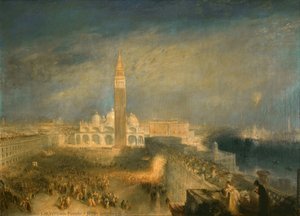
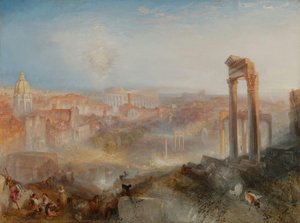
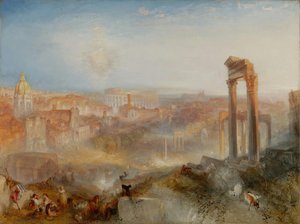
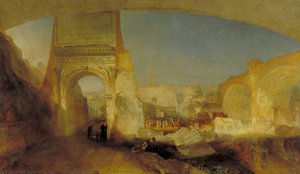
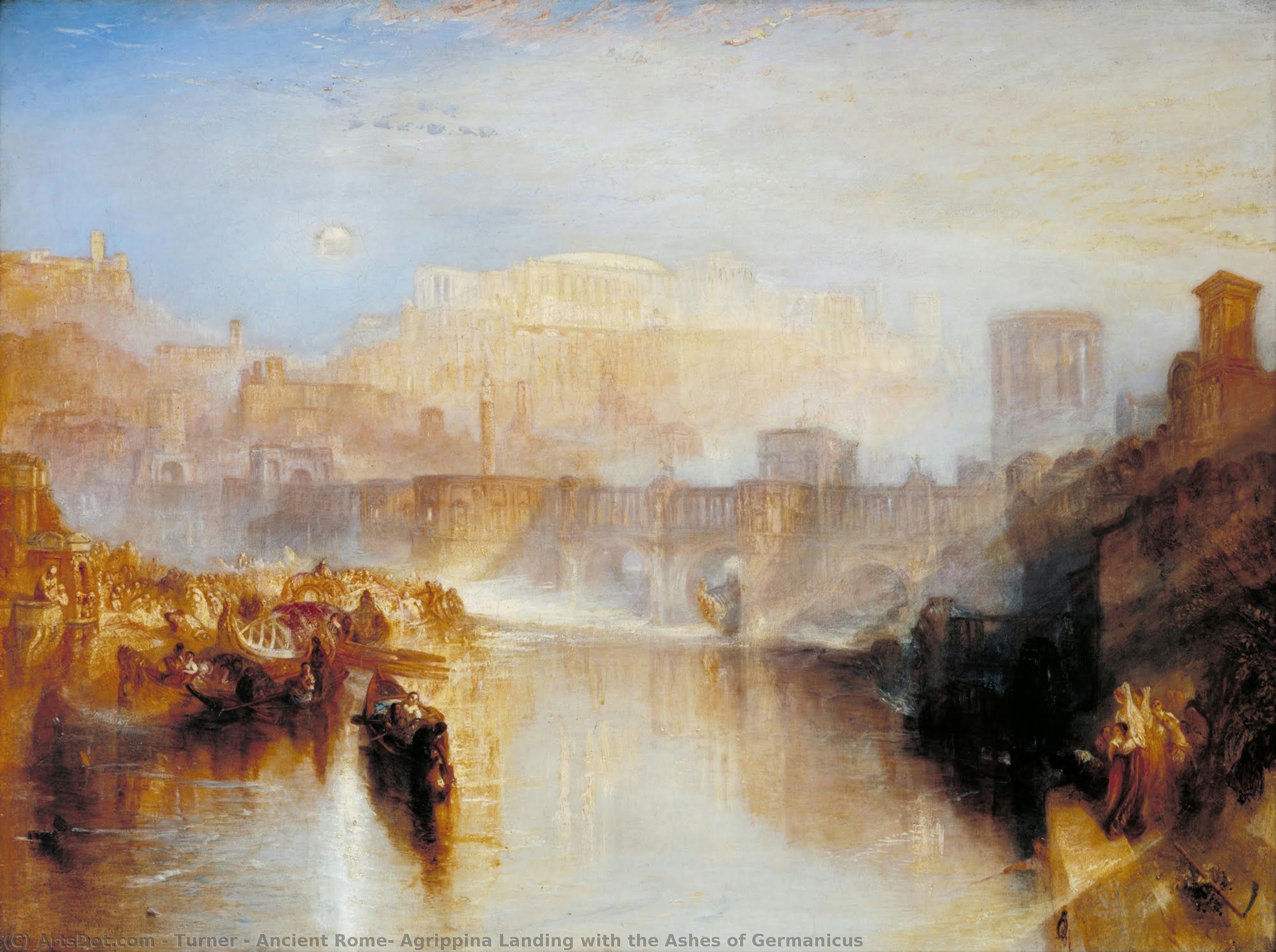
Ancient Rome; Agrippina Landing with the Ashes of Germanicus
 Öl auf Leinwand
- Wandkunst
- Romanticism
 1839
1839 21.0 x 91.0 cm
 Tate Britain
 Weiterlesen
Giclée / Kunstdruck
Giclée- oder Leinwanddruck in Museumsqualität mit schneller Produktion und flexiblen Veredelungsoptionen. ( Handgemalte Reproduktion bestellen Bild kaufen)




P118B $10

P118H $10

P118W $10

P438Z $10

P508JH $12

P508YH $12

P805H $10

P805Z $10

P919BZ $10

P919G $10

P919XJ $10

P959ZH $10

P968JZ $12

W106C $8

W218G $10

W218JH $8

W218Y $10

W307PJ $10

W316G $10

W316PJ $8

W316Y $10

W398PJ $8

W4111J $10

W500HY $15

W500JH $15

W692G $12

W849H $8

W940BG $15

W953PJ $8




Wählen Sie aus unseren vordefinierten Formaten, die den ursprünglichen Proportionen des Kunstwerks entsprechen.

Sie können Ihre eigenen Maße eingeben, um ein bestimmtes Format oder einen speziellen Platz einzupassen. Wenn das von Ihnen gewählte Format nicht den Proportionen des Originalbildes entspricht, werden wir das Kunstwerk entweder beschneiden oder das Bild mit einem gespiegelten oder einfarbigen Rand erweitern. Ein digitaler Entwurf wird Ihnen zur Genehmigung zugesandt, bevor die Produktion beginnt.
Bitte beachten Sie, dass die Vorschau auf dem Bildschirm nicht den tatsächlichen Zuschnitt oder die Erweiterung widerspiegelt. Nur der Entwurf zeigt die endgültige Komposition präzise an.
Obwohl Sondermaße verfügbar sind, empfehlen wir die Auswahl eines Maßes aus der vordefinierten Liste, um die ursprünglichen Proportionen zu bewahren.
Weltweiter Versand () innerhalb von 2 Wochen statt der üblichen 4/5 Wochen. (28 August)

Kostenloser weltweiter Expressversand

Hochwertige Leinenleinwand

Umfassender Versicherungsschutz beim Versand

Zollgebühren-Rückerstattungsgarantie

Garantie für exakte Farbtreue

60 Tage Rückgaberecht (nur bei Mängeln)

100% Geld-zurück-Garantie

Mengenrabatt verfügbar
 Die Glasoption ist nur für Größen unter 110 cm verfügbar.

Ancient Rome; Agrippina Landing with the Ashes of Germanicus
Giclée / Kunstdruck
Format der Reproduktion
-


Gesamtpreis
$ 62
Ancient Rome; Agrippina Landing with the Ashes of Germanicus – A Vision of Loss and Remembrance
Turner’s “Ancient Rome; Agrippina Landing with the Ashes of Germanicus,” painted in 1839, isn't merely a depiction of a historical event; it’s an immersive experience crafted from light, color, and atmosphere—a quintessential embodiment of Romantic artistic ideals. The painting captures the poignant moment Agrippina, wife of Emperor Nero, arrives at Leith Harbour, Edinburgh, bearing the ashes of her deceased son, Germanicus – a solemn procession marking not just a political gesture but also an emotional reckoning with mortality and legacy. The scene unfolds against a breathtaking vista of Northumberland Bay, bathed in the ethereal glow of moonlight reflecting off the turbulent sea. Turner’s masterful use of atmospheric perspective dominates the composition. Distant buildings shimmer faintly, rendered in muted blues and greys, while closer elements—the boats carrying dignitaries and their entourage—are illuminated with vibrant yellows and oranges, creating a dramatic interplay between light and shadow that underscores the painting's melancholic mood. This technique—characteristic of Turner’s oeuvre—was revolutionary for its time, prioritizing emotional impact over photographic accuracy. He sought to convey not what he *saw*, but how he *felt* about the subject matter. Turner’s brushwork is loose and expressive, eschewing meticulous detail in favor of capturing the essence of the scene. Thick impasto creates textural surfaces that seem to pulsate with energy, mirroring the movement of the sea and the urgency of the arrival. Layers upon layers of pigment blend seamlessly together, producing a luminous effect that captures the luminescence of moonlight and imbues the artwork with an otherworldly quality. The artist’s deliberate disregard for precise representation aligns perfectly with the Romantic preoccupation with sublime beauty—the awe-inspiring grandeur of nature combined with the contemplation of human vulnerability. The painting's symbolism resonates deeply with themes prevalent in Victorian culture. Agrippina’s journey represents not only grief but also the inescapable passage of time and the fragility of earthly existence. The ashes of Germanicus serve as a tangible reminder of loss, yet simultaneously symbolize remembrance—the enduring influence of past events on the present moment. Turner skillfully utilizes color to amplify these symbolic ideas; the dominant hues evoke feelings of sorrow and contemplation, while the interplay of light and darkness underscores the drama of the narrative. Ultimately, “Ancient Rome; Agrippina Landing with the Ashes of Germanicus” transcends its historical context to become a timeless meditation on mortality and memory. It’s a painting that invites viewers to contemplate the profound beauty found in melancholy and to appreciate Turner's unparalleled ability to translate emotion into visual form—a testament to his enduring legacy as one of Britain’s greatest landscape artists.- Artist: J.M.W. Turner
- Year: 1839
- Medium: Oil paint on canvas
- Size: 21 x 91 cm
Ähnliche Kunstwerke
Über den Künstler
Frühes Leben und Karriere
Joseph Mallord William Turner, bekannt in seiner Zeit als William Turner, war ein renommierter englischer Maler der Romantik, Grafiker und Aquarellist. Er wurde am 23. April 1775 in Maiden Lane, Covent Garden, London, in einer bescheidenen Familie des unteren Mittelstandes geboren. Turners künstlerische Reise begann schon in jungen Jahren. * **Wunderkind:** Schon mit 14 Jahren schrieb sich Turner an der Royal Academy of Arts ein und stellte bereits im Alter von 15 Jahren seine erste Arbeit aus. * **Architekturzeichner:** Er arbeitete auch als Architekturzeichner und verbesserte dabei seine Fähigkeiten in Perspektive und Design.Künstlerischer Stil und Beiträge
Turners ausdrucksstarke Farbgebung, fantasievolle Landschaftsbilder und turbulente Meeresmalereien hinterließen einen bleibenden Eindruck auf die britische Kunst. Seine Werke umfassen: * **Von John Ruskin gefördert:** Ab 1840 wurde Turners Werk vom führenden englischen Kunstkritiker John Ruskin gewürdigt, der die Landschaftsmalerei in eine beispiellose Stufe der Bedeutung erhob.Persönliches Leben und späte Jahre
* **Intensiv privat und zurückgezogen:** Turners persönliches Leben war von Exzentrik und Rückzug geprägt. * **Vaterrolle:** Er zeugte zwei Töchter, Evelina (1801–1874) und Georgiana (1811–1843), mit der verwitweten Sarah Danby. * **Späteres Leben und Tod:** Turners Gemütszustand verschlechterte sich nach dem Tod seines Vaters im Jahr 1829. Er lebte ab 1845 in Elend und schlechter Gesundheit und verstarb am 19. Dezember 1851 in London im Alter von 76 Jahren.Vermächtnis und Erinnerung
* **Beerdigt in St. Paul’s Cathedral:** Turner wurde in der St. Paul's Cathedral, London beigeselt, ein Beweis für sein bleibendes Vermächtnis. * **Erkunden Sie mehr:** Tauchen Sie in Turners Welt ein über [https://ArtsDot.com/@/j-m-william-turner](https://ArtsDot.com/@/j-m-william-turner) und entdecken Sie die Meisterwerke, die Kunstliebhaber auf der ganzen Welt weiterhin inspirieren. Entdecken Sie das turbulente Genie von J.M. William Turner * **Sehen Sie sich seine Werke an:** /de/art/list/ * **Erfahren Sie mehr über die britische Kunst:** [https://en.wikipedia.org/wiki/category:british_art](https://en.wikipedia.org/wiki/category:british_art)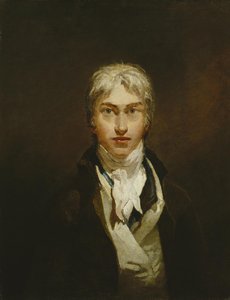
J.M.W. Turner
1775 - 1851 , Vereinigtes Königreich
Kurzinfos
- Bemerkenswerte Werke:
- Der Kampfschiff Temeraire
- Regen, Dampf und Geschwindigkeit
- Die Verbrennung des Parlamentsgebäudes
- Geburtsdatum: 23. April 1775
- Geburtsort: London, Vereinigtes Königreich
- Künstlerische Richtung: Romantik
- Nationalität: Britisch
- Sterbedatum: 19. Dezember 1851
- Vollständiger Name: J.M.W. Turner
Ähnliche Artikel

Romantische Landschaften: Die 10 Meisterwerke, die eine Epoche prägten | ArtsDot
Entdecken Sie die 10 Meisterwerke der Romantischen Landschaftsmalerei! Von Caspar David Friedrich bis Turner – erleben Sie die Kunst, Emotion & Natur. Hochwertige Reproduktionen auf ArtsDot.com

John Constable: Die 25 Meisterwerke des englischen Landschaftsgenies – ArtsDot
Entdecken Sie die 25 Meisterwerke von John Constable! Erleben Sie englische Landschaftsmalerei vom Hay Wain bis zur Stour Valley. Hochwertige Reproduktionen & Kunst für Ihr Zuhause auf ArtsDot.com.

Evocations of Place: A Historical Journey Through Landscape Art
Explore the rich history of landscape art with ArtsDot. Discover renowned artists, movements like Impressionism & Romanticism, and expert guidance for collecting timeless pieces. Find your perfect serene escape today!
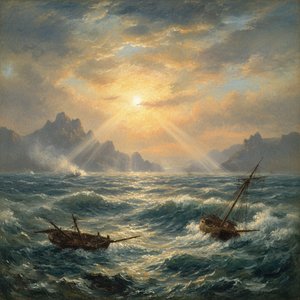
J.M.W. Turner: Licht, Atmosphäre und das Romantische Erhabene – Eine Studie zu seinem künstlerischen Vermächtnis
Entdecken Sie J.M.W. Turner und seine revolutionäre Landschaftsmalerei! Analysieren Sie Licht, Atmosphäre und das Romantische Erhabene in seinem Werk. Expertenwissen & tiefe Einblicke.
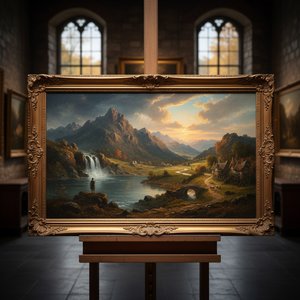
The Sublime and the Picturesque: Exploring Emotion & Nature in Romantic Landscape Painting
Explore the emotional power of Romantic landscape painting! Discover the sublime & picturesque traditions, key artists like Friedrich & Cole, and find your perfect artwork at ArtsDot.