 Vorschau anzeigen
 Versenden
 Teilen
 Details anzeigen

 Herunterladen
 Ähnliche Objekte
 Röntgenaufnahme
 Diashow
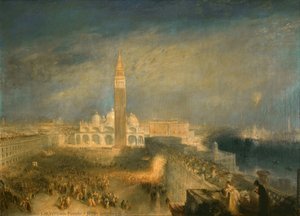
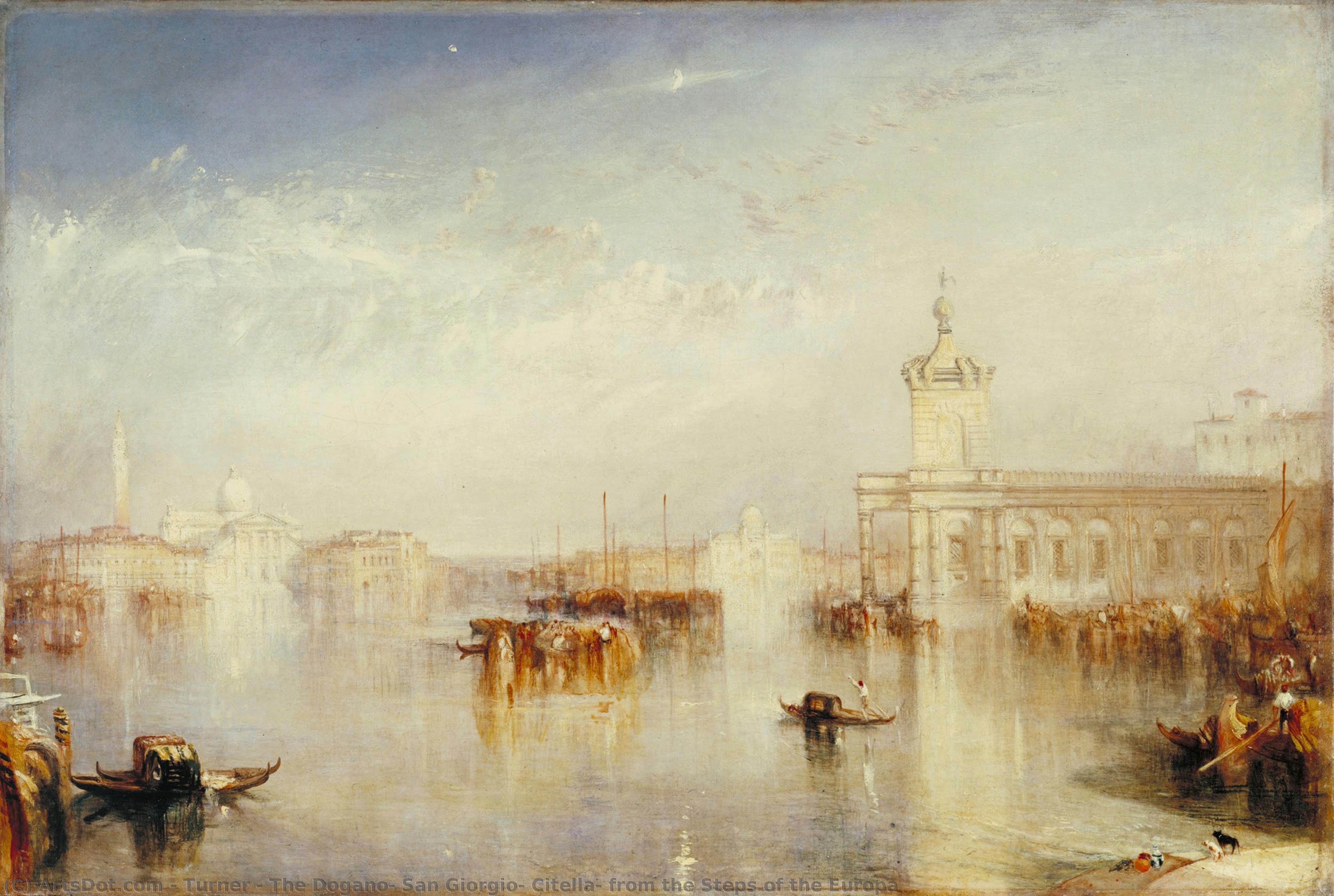
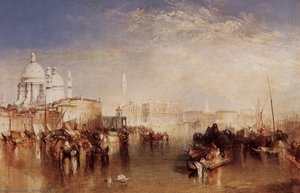
Der Dogano, San Giorgio, Citella, von den Stufen des Europa
 Öl auf Leinwand
- Wandkunst
- Romantik
 1842
1842- 19. Jahrhundert
 92.0 x 61.0 cm
 Tate Britain
 Weiterlesen
Handgefertigte Ölreproduktion
Handgemaltes Ölgemälde auf Leinwand in Ihrer Wunschgröße und mit Rahmen, auf Bestellung von unseren Künstlern angefertigt. ( Druck bestellen Bild kaufen)




P118B $10

P118H $10

P118W $10

P438Z $10

P508JH $12

P508YH $12

P805H $10

P805Z $10

P919BZ $10

P919G $10

P919XJ $10

P959ZH $10

P968JZ $12

W106C $8

W218G $10

W218JH $8

W218Y $10

W307PJ $10

W316G $10

W316PJ $8

W316Y $10

W398PJ $8

W4111J $10

W500HY $15

W500JH $15

W692G $12

W849H $8

W940BG $15

W953PJ $8




Wählen Sie aus unseren vordefinierten Formaten, die den ursprünglichen Proportionen des Kunstwerks entsprechen.

Sie können Ihre eigenen Maße eingeben, um einen bestimmten Rahmen oder Platz auszufüllen. Wenn die gewählte Größe nicht den Proportionen des Originalbildes entspricht, werden wir das Kunstwerk entweder beschneiden oder das Gemälde durch zusätzliche, handgemalte Elemente erweitern. Ein digitales Mockup wird Ihnen zur Genehmigung zugesandt, bevor die Produktion beginnt.
Bitte beachten Sie, dass die Bildschirmvorschau nicht die tatsächliche Beschneidung oder Erweiterung widerspiegelt. Nur das Mockup zeigt die endgültige Komposition exakt an.
Obwohl Sondermaße verfügbar sind, empfehlen wir, eine Größe aus der vordefinierten Liste zu wählen, um die ursprünglichen Proportionen beizubehalten.
Nach der Bestellung wird das ArtsDot.com-Team dem Kunden Anweisungen per E-Mail zusenden und eine Mockup-Vorschau bereitstellen.
Weltweiter Versand () in nur 3 bis 4 Wochen statt der üblichen 5 Wochen. (23 August). Keine Kompromisse bei der Qualität.

Kostenloser weltweiter Expressversand

Hochwertige Leinenleinwand

Umfassender Versicherungsschutz beim Versand

Zollgebühren-Rückerstattungsgarantie

Garantie für exakte Farbtreue

60 Tage Rückgaberecht (nur bei Mängeln)

100% Geld-zurück-Garantie

Mengenrabatt verfügbar
 Die Glasoption ist nur für Größen unter 110 cm verfügbar.

Der Dogano, San Giorgio, Citella, von den Stufen des Europa
Art der Reproduktion
Format der Reproduktion
-


Gesamtpreis
$ 263
Beschreibung des Kunstwerks
A Venetian Dream Captured in Light: Turner’s “The Dogano, San Giorgio, Citella, from the Steps of the Europa”
Joseph Mallord William Turner's "The Dogano, San Giorgio, Citella, from the Steps of the Europa," painted in 1842, isn’t merely a depiction of Venice; it’s an immersive experience, a fleeting moment of ethereal beauty captured on canvas. This Romantic masterpiece transports us to the heart of the city, offering a panoramic vista that simultaneously celebrates and subtly critiques the grandeur and complexity of its setting. The painting resides within the Tate Britain collection, a testament to Turner's enduring legacy as one of history’s most innovative artists.
The scene unfolds from the vantage point of the Hotel Europa, a favored retreat for Turner during his numerous visits to Venice. Below, the iconic Dogano (Customs House), San Giorgio Maggiore island with its imposing basilica, and the Citella district sprawl across the foreground. Crucially, the composition isn’t a precise topographical rendering; instead, Turner prioritizes atmosphere and light—a hallmark of his Romantic style. The water dominates the view, reflecting the sky in a shimmering dance of blues, greys, and whites, creating an illusion of infinite depth and movement. Boats, rendered as dark, elongated shapes, punctuate the surface, hinting at the bustling activity beneath the tranquil facade.
The Language of Light and Color: Turner’s Technique
Turner's mastery lies in his ability to evoke mood through color and brushwork. He employs a muted palette—predominantly shades of grey, blue, and white—to capture the diffused light of an overcast day or twilight. Notice how he builds up layers of paint, creating a rough, textured surface that mimics the shimmering effect of water on the horizon. The broken brushstrokes aren’t intended to define precise forms but rather to suggest movement, reflection, and the ephemeral nature of light itself. Turner was known for his rapid painting technique, often working *alla prima* (wet-on-wet), allowing the paint to blend and flow naturally—a deliberate choice that contributes significantly to the painting's atmospheric quality.
The use of color is particularly striking. Subtle hints of ochre and brown are present in the buildings, grounding the scene while the sky explodes with a range of blues and whites, creating an almost otherworldly effect. The reflections on the water aren’t simply mirrored images; they're transformed by Turner’s hand, becoming luminous bands of color that seem to vibrate with energy.
A City in Transition: Historical Context
“The Dogano, San Giorgio, Citella, from the Steps of the Europa” was painted during a period of significant change for Venice. As part of the Austrian Empire, the city faced economic and political pressures, yet it retained its unique cultural identity. Turner’s painting captures this duality—a sense of both beauty and melancholy. The Dogano, a symbol of Venetian commerce and power, stands as a reminder of the city's past glory, while the bustling waterways hint at its continued vitality.
The choice to depict the view from the Hotel Europa is also significant. Turner was a keen observer of urban life, and this vantage point offers a privileged perspective on the city’s social fabric. The painting reflects Turner's fascination with the interplay between nature and human civilization—a central theme in his work.
Symbolism and Emotional Resonance
Beyond its visual beauty, “The Dogano, San Giorgio, Citella, from the Steps of the Europa” evokes a profound sense of nostalgia and the sublime. The hazy atmosphere, the shimmering reflections, and the vastness of the Venetian landscape create an emotional response in the viewer—a feeling of being transported to another time and place. Turner’s work taps into something primal within us—a recognition of the beauty and power of nature, coupled with a sense of our own fleeting existence.
The painting isn't simply a record of a scene; it’s an exploration of light, color, and atmosphere—an invitation to lose ourselves in the dreamlike quality of Venice. It remains a powerful testament to Turner’s genius and his ability to capture the essence of a place and a moment in time.
Ähnliche Kunstwerke

Über den Künstler
Frühes Leben und Karriere
Joseph Mallord William Turner, bekannt in seiner Zeit als William Turner, war ein renommierter englischer Maler der Romantik, Grafiker und Aquarellist. Er wurde am 23. April 1775 in Maiden Lane, Covent Garden, London, in einer bescheidenen Familie des unteren Mittelstandes geboren. Turners künstlerische Reise begann schon in jungen Jahren. * **Wunderkind:** Schon mit 14 Jahren schrieb sich Turner an der Royal Academy of Arts ein und stellte bereits im Alter von 15 Jahren seine erste Arbeit aus. * **Architekturzeichner:** Er arbeitete auch als Architekturzeichner und verbesserte dabei seine Fähigkeiten in Perspektive und Design.Künstlerischer Stil und Beiträge
Turners ausdrucksstarke Farbgebung, fantasievolle Landschaftsbilder und turbulente Meeresmalereien hinterließen einen bleibenden Eindruck auf die britische Kunst. Seine Werke umfassen: * **Von John Ruskin gefördert:** Ab 1840 wurde Turners Werk vom führenden englischen Kunstkritiker John Ruskin gewürdigt, der die Landschaftsmalerei in eine beispiellose Stufe der Bedeutung erhob.Persönliches Leben und späte Jahre
* **Intensiv privat und zurückgezogen:** Turners persönliches Leben war von Exzentrik und Rückzug geprägt. * **Vaterrolle:** Er zeugte zwei Töchter, Evelina (1801–1874) und Georgiana (1811–1843), mit der verwitweten Sarah Danby. * **Späteres Leben und Tod:** Turners Gemütszustand verschlechterte sich nach dem Tod seines Vaters im Jahr 1829. Er lebte ab 1845 in Elend und schlechter Gesundheit und verstarb am 19. Dezember 1851 in London im Alter von 76 Jahren.Vermächtnis und Erinnerung
* **Beerdigt in St. Paul’s Cathedral:** Turner wurde in der St. Paul's Cathedral, London beigeselt, ein Beweis für sein bleibendes Vermächtnis. * **Erkunden Sie mehr:** Tauchen Sie in Turners Welt ein über [https://ArtsDot.com/@/j-m-william-turner](https://ArtsDot.com/@/j-m-william-turner) und entdecken Sie die Meisterwerke, die Kunstliebhaber auf der ganzen Welt weiterhin inspirieren. Entdecken Sie das turbulente Genie von J.M. William Turner * **Sehen Sie sich seine Werke an:** /de/art/list/ * **Erfahren Sie mehr über die britische Kunst:** [https://en.wikipedia.org/wiki/category:british_art](https://en.wikipedia.org/wiki/category:british_art)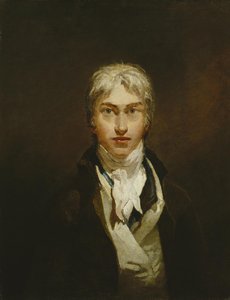
J.M.W. Turner
1775 - 1851 , Vereinigtes Königreich
Kurzinfos
- Bemerkenswerte Werke:
- Der Kampfschiff Temeraire
- Regen, Dampf und Geschwindigkeit
- Die Verbrennung des Parlamentsgebäudes
- Geburtsdatum: 23. April 1775
- Geburtsort: London, Vereinigtes Königreich
- Künstlerische Richtung: Romantik
- Nationalität: Britisch
- Sterbedatum: 19. Dezember 1851
- Vollständiger Name: J.M.W. Turner
Ähnliche Artikel

Romantische Landschaften: Die 10 Meisterwerke, die eine Epoche prägten | ArtsDot
Entdecken Sie die 10 Meisterwerke der Romantischen Landschaftsmalerei! Von Caspar David Friedrich bis Turner – erleben Sie die Kunst, Emotion & Natur. Hochwertige Reproduktionen auf ArtsDot.com

Evocations of Place: A Historical Journey Through Landscape Art
Explore the rich history of landscape art with ArtsDot. Discover renowned artists, movements like Impressionism & Romanticism, and expert guidance for collecting timeless pieces. Find your perfect serene escape today!

John Constable: Die 25 Meisterwerke des englischen Landschaftsgenies – ArtsDot
Entdecken Sie die 25 Meisterwerke von John Constable! Erleben Sie englische Landschaftsmalerei vom Hay Wain bis zur Stour Valley. Hochwertige Reproduktionen & Kunst für Ihr Zuhause auf ArtsDot.com.

Katsushika Hokusai: Die 25 Meisterwerke des Ukiyo-e – Kunst für Ihr Zuhause | ArtsDot
Entdecken Sie die 25 Meisterwerke von Katsushika Hokusai! Tauchen Sie ein in die Welt des Ukiyo-e, berühmte Holzschnitte wie 'Die große Welle' & Fuji-Ansichten. Hochwertige Kunstdrucke für Ihr Zuhause – jetzt auf ArtsDot.com!
Fluid Reflections: Exploring Water's Symbolism in Art History – From Myth to Impressionism
Explore the rich symbolism of water in art history – from ancient myths to Impressionism's fleeting beauty. Discover masterpieces & find your perfect serene artwork with ArtsDot.com.