 Vorschau anzeigen
 Versenden
 Teilen
 Details anzeigen

 Herunterladen
 Ähnliche Objekte
 Röntgenaufnahme
 Diashow
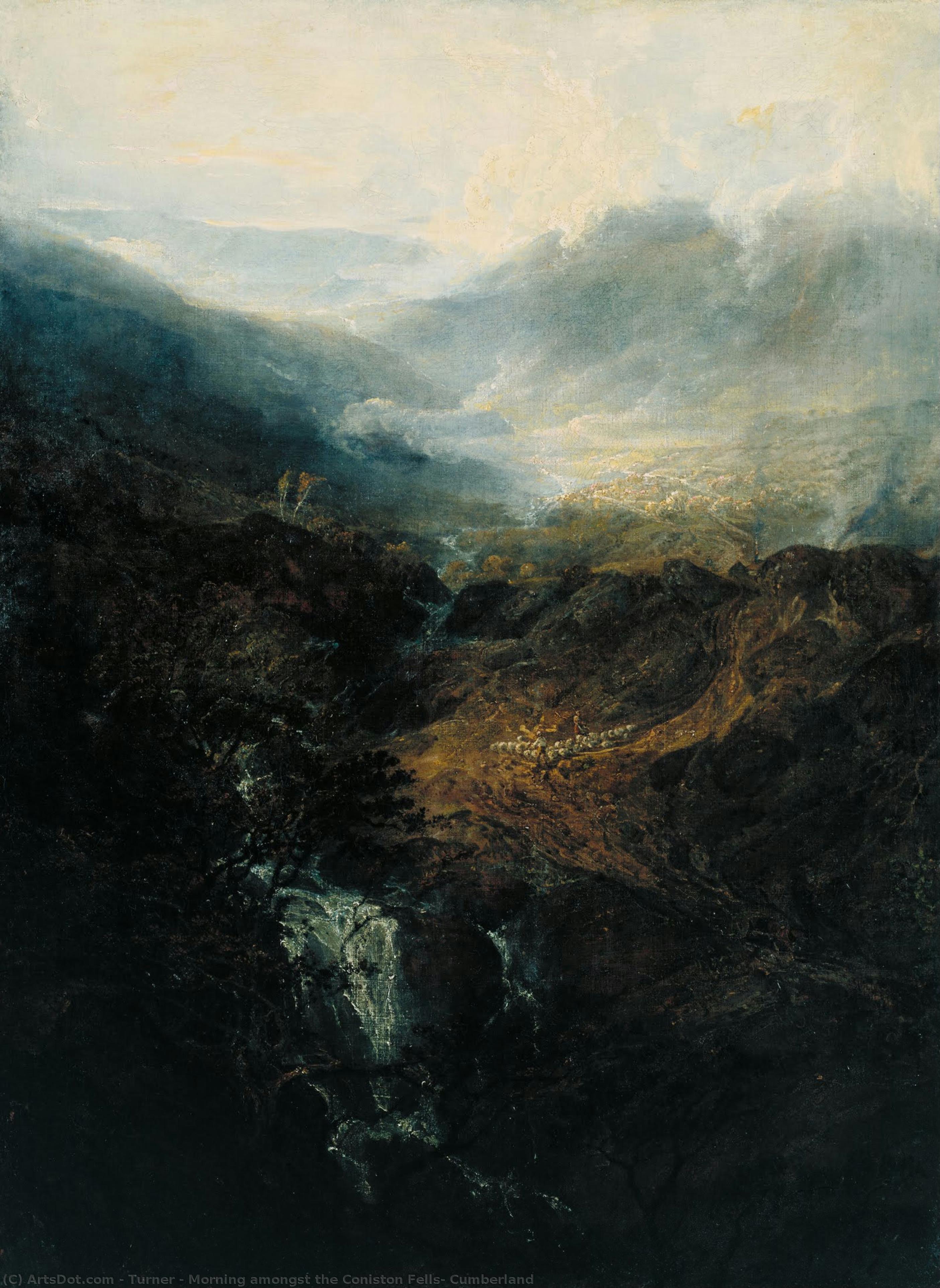
Morning amongst the Coniston Fells, Cumberland
 Oil On Canvas
- WallArt
- Romanticism
 1798
1798- 19th Century
 89.0 x 122.0 cm
 Tate Britain
 Weiterlesen
Handgefertigte Ölreproduktion
Handgemaltes Ölgemälde auf Leinwand in Ihrer Wunschgröße und mit Rahmen, auf Bestellung von unseren Künstlern angefertigt. ( Druck bestellen Bild kaufen)




P118B $10

P118H $10

P118W $10

P438Z $10

P508JH $12

P508YH $12

P805H $10

P805Z $10

P919BZ $10

P919G $10

P919XJ $10

P959ZH $10

P968JZ $12

W106C $8

W218G $10

W218JH $8

W218Y $10

W307PJ $10

W316G $10

W316PJ $8

W316Y $10

W398PJ $8

W4111J $10

W500HY $15

W500JH $15

W692G $12

W849H $8

W940BG $15

W953PJ $8




Wählen Sie aus unseren vordefinierten Formaten, die den ursprünglichen Proportionen des Kunstwerks entsprechen.

Sie können Ihre eigenen Maße eingeben, um einen bestimmten Rahmen oder Platz auszufüllen. Wenn die gewählte Größe nicht den Proportionen des Originalbildes entspricht, werden wir das Kunstwerk entweder beschneiden oder das Gemälde durch zusätzliche, handgemalte Elemente erweitern. Ein digitales Mockup wird Ihnen zur Genehmigung zugesandt, bevor die Produktion beginnt.
Bitte beachten Sie, dass die Bildschirmvorschau nicht die tatsächliche Beschneidung oder Erweiterung widerspiegelt. Nur das Mockup zeigt die endgültige Komposition exakt an.
Obwohl Sondermaße verfügbar sind, empfehlen wir, eine Größe aus der vordefinierten Liste zu wählen, um die ursprünglichen Proportionen beizubehalten.
Nach der Bestellung wird das ArtsDot.com-Team dem Kunden Anweisungen per E-Mail zusenden und eine Mockup-Vorschau bereitstellen.
Weltweiter Versand () in nur 3 bis 4 Wochen statt der üblichen 5 Wochen. (27 August). Keine Kompromisse bei der Qualität.

Kostenloser weltweiter Expressversand

Hochwertige Leinenleinwand

Umfassender Versicherungsschutz beim Versand

Zollgebühren-Rückerstattungsgarantie

Garantie für exakte Farbtreue

60 Tage Rückgaberecht (nur bei Mängeln)

100% Geld-zurück-Garantie

Mengenrabatt verfügbar
 Die Glasoption ist nur für Größen unter 110 cm verfügbar.

Morning amongst the Coniston Fells, Cumberland
Art der Reproduktion
Format der Reproduktion
-


Gesamtpreis
$ 263
Beschreibung des Kunstwerks
Morning Amongst the Coniston Fells, Cumberland – A Vision of Sublime Beauty
J.M.W. Turner’s “Morning amongst the Coniston Fells, Cumberland” isn't merely a landscape painting; it’s an immersive experience, a fleeting moment captured in oil and pigment that speaks to the very heart of Romanticism. Completed around 1798, this work transcends simple representation, offering instead a profound meditation on light, atmosphere, and the awe-inspiring power of nature. The scene unfolds within the dramatic embrace of the Coniston Fells in Cumbria, England – a location Turner revisited repeatedly, drawn to its rugged beauty and the ethereal quality of the mist that perpetually clings to the mountains.
The painting immediately draws the viewer into a world of hazy luminosity. Towering peaks, dominated by the iconic Old Man of Coniston, rise from a swirling sea of grey and blue – not rendered with sharp detail but rather suggested through delicate gradations of tone and subtle shifts in color. Turner masterfully employs atmospheric perspective; distant elements fade into an almost dreamlike obscurity, while the foreground is imbued with a tactile sense of texture and solidity. The cascading waterfall, a vital element of the composition, isn’t depicted as a forceful torrent but rather as a shimmering ribbon of light and shadow, contributing to the overall feeling of ethereal beauty.
A Painterly Embrace: Technique and Style
Turner's technique is characterized by its loose, expressive brushwork – a deliberate departure from the meticulous detail favored by earlier generations. He utilizes glazing and scumbling, layering thin washes of color upon one another to build up depth and luminosity. This approach creates a remarkable sense of movement and dynamism, as if the very air itself is swirling around the mountains. The absence of hard outlines further enhances this effect, allowing forms to blend seamlessly into one another, mirroring the way light and atmosphere interact in nature.
The painting firmly resides within the Romantic tradition, exemplified by Turner’s profound engagement with emotion and imagination. Unlike the Neoclassical emphasis on reason and order, Romanticism celebrated the sublime – that feeling of awe and terror inspired by confronting the vastness and power of the natural world. “Morning amongst the Coniston Fells” perfectly embodies this spirit, inviting the viewer to lose themselves in the grandeur of the landscape and contemplate their own place within it.
Symbolic Resonance: Milton and the Sublime
Turner’s choice to include lines from John Milton's *Paradise Lost* – specifically, “Ye mists and exhalations that now rise / From hill or streaming lake, dusky or gray…” – is deeply significant. This wasn’t merely a decorative flourish; it was a deliberate attempt to elevate the painting beyond a simple depiction of scenery. By invoking Milton’s poetic language, Turner imbues the landscape with spiritual resonance, suggesting a connection between the earthly realm and the divine.
The mist itself is laden with symbolic weight. It obscures details, creating an atmosphere of mystery and uncertainty, while simultaneously revealing glimpses of light and beauty. This ambiguity mirrors the Romantic fascination with the unknown – the idea that true understanding can only be achieved through intuition and imagination. The inclusion of sheep, a common motif in Turner’s work, further reinforces this connection to nature, representing humanity's humble place within its vastness.
A Legacy of Light: Historical Context
Created during a period of significant artistic and intellectual ferment, “Morning amongst the Coniston Fells” reflects the broader trends of the late 18th century. The rise of scientific inquiry, coupled with a growing interest in emotion and subjective experience, fueled a shift away from traditional academic art. Turner’s work exemplifies this transition, prioritizing atmosphere and feeling over precise representation.
Turner's fascination with light is central to his artistic vision. He meticulously studied the effects of sunlight on various surfaces, striving to capture its fleeting beauty in paint. “Morning amongst the Coniston Fells” showcases his mastery of this technique, transforming a simple landscape into a vibrant tapestry of color and light. The painting’s enduring appeal lies not only in its aesthetic qualities but also in its ability to evoke a profound sense of wonder and connection with the natural world – a sentiment that continues to resonate with viewers today.
Ähnliche Kunstwerke
Über den Künstler
Frühes Leben und Karriere
Joseph Mallord William Turner, bekannt in seiner Zeit als William Turner, war ein renommierter englischer Maler der Romantik, Grafiker und Aquarellist. Er wurde am 23. April 1775 in Maiden Lane, Covent Garden, London, in einer bescheidenen Familie des unteren Mittelstandes geboren. Turners künstlerische Reise begann schon in jungen Jahren. * **Wunderkind:** Schon mit 14 Jahren schrieb sich Turner an der Royal Academy of Arts ein und stellte bereits im Alter von 15 Jahren seine erste Arbeit aus. * **Architekturzeichner:** Er arbeitete auch als Architekturzeichner und verbesserte dabei seine Fähigkeiten in Perspektive und Design.Künstlerischer Stil und Beiträge
Turners ausdrucksstarke Farbgebung, fantasievolle Landschaftsbilder und turbulente Meeresmalereien hinterließen einen bleibenden Eindruck auf die britische Kunst. Seine Werke umfassen: * **Von John Ruskin gefördert:** Ab 1840 wurde Turners Werk vom führenden englischen Kunstkritiker John Ruskin gewürdigt, der die Landschaftsmalerei in eine beispiellose Stufe der Bedeutung erhob.Persönliches Leben und späte Jahre
* **Intensiv privat und zurückgezogen:** Turners persönliches Leben war von Exzentrik und Rückzug geprägt. * **Vaterrolle:** Er zeugte zwei Töchter, Evelina (1801–1874) und Georgiana (1811–1843), mit der verwitweten Sarah Danby. * **Späteres Leben und Tod:** Turners Gemütszustand verschlechterte sich nach dem Tod seines Vaters im Jahr 1829. Er lebte ab 1845 in Elend und schlechter Gesundheit und verstarb am 19. Dezember 1851 in London im Alter von 76 Jahren.Vermächtnis und Erinnerung
* **Beerdigt in St. Paul’s Cathedral:** Turner wurde in der St. Paul's Cathedral, London beigeselt, ein Beweis für sein bleibendes Vermächtnis. * **Erkunden Sie mehr:** Tauchen Sie in Turners Welt ein über [https://ArtsDot.com/@/j-m-william-turner](https://ArtsDot.com/@/j-m-william-turner) und entdecken Sie die Meisterwerke, die Kunstliebhaber auf der ganzen Welt weiterhin inspirieren. Entdecken Sie das turbulente Genie von J.M. William Turner * **Sehen Sie sich seine Werke an:** /de/art/list/ * **Erfahren Sie mehr über die britische Kunst:** [https://en.wikipedia.org/wiki/category:british_art](https://en.wikipedia.org/wiki/category:british_art)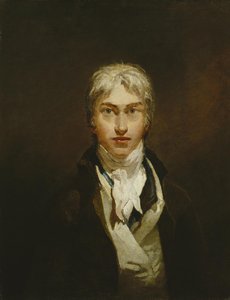
J.M.W. Turner
1775 - 1851 , Vereinigtes Königreich
Kurzinfos
- Bemerkenswerte Werke:
- Der Kampfschiff Temeraire
- Regen, Dampf und Geschwindigkeit
- Die Verbrennung des Parlamentsgebäudes
- Geburtsdatum: 23. April 1775
- Geburtsort: London, Vereinigtes Königreich
- Künstlerische Richtung: Romantik
- Nationalität: Britisch
- Sterbedatum: 19. Dezember 1851
- Vollständiger Name: J.M.W. Turner
Ähnliche Artikel

Romantische Landschaften: Die 10 Meisterwerke, die eine Epoche prägten | ArtsDot
Entdecken Sie die 10 Meisterwerke der Romantischen Landschaftsmalerei! Von Caspar David Friedrich bis Turner – erleben Sie die Kunst, Emotion & Natur. Hochwertige Reproduktionen auf ArtsDot.com

Evocations of Place: A Historical Journey Through Landscape Art
Explore the rich history of landscape art with ArtsDot. Discover renowned artists, movements like Impressionism & Romanticism, and expert guidance for collecting timeless pieces. Find your perfect serene escape today!

John Constable: Die 25 Meisterwerke des englischen Landschaftsgenies – ArtsDot
Entdecken Sie die 25 Meisterwerke von John Constable! Erleben Sie englische Landschaftsmalerei vom Hay Wain bis zur Stour Valley. Hochwertige Reproduktionen & Kunst für Ihr Zuhause auf ArtsDot.com.
Evocations of Place: A Historical Journey Through Landscape Art
Explore the rich history of landscape art with ArtsDot. Discover renowned artists, movements like Impressionism & tonalism, and expert guidance for collecting timeless pieces. Find your perfect serene escape today!

Echoes of Arcadia: Nostalgia & Transformation in Vintage Landscape Art
Explore the evocative world of vintage landscape art! Discover the history, artists & emotional power behind masterpieces from the Hudson River School & beyond. Expert insights for collectors & enthusiasts.