 Vorschau anzeigen
 Versenden
 Teilen
 Details anzeigen

 Herunterladen
 Ähnliche Objekte
 Röntgenaufnahme
 Diashow
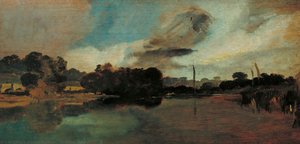
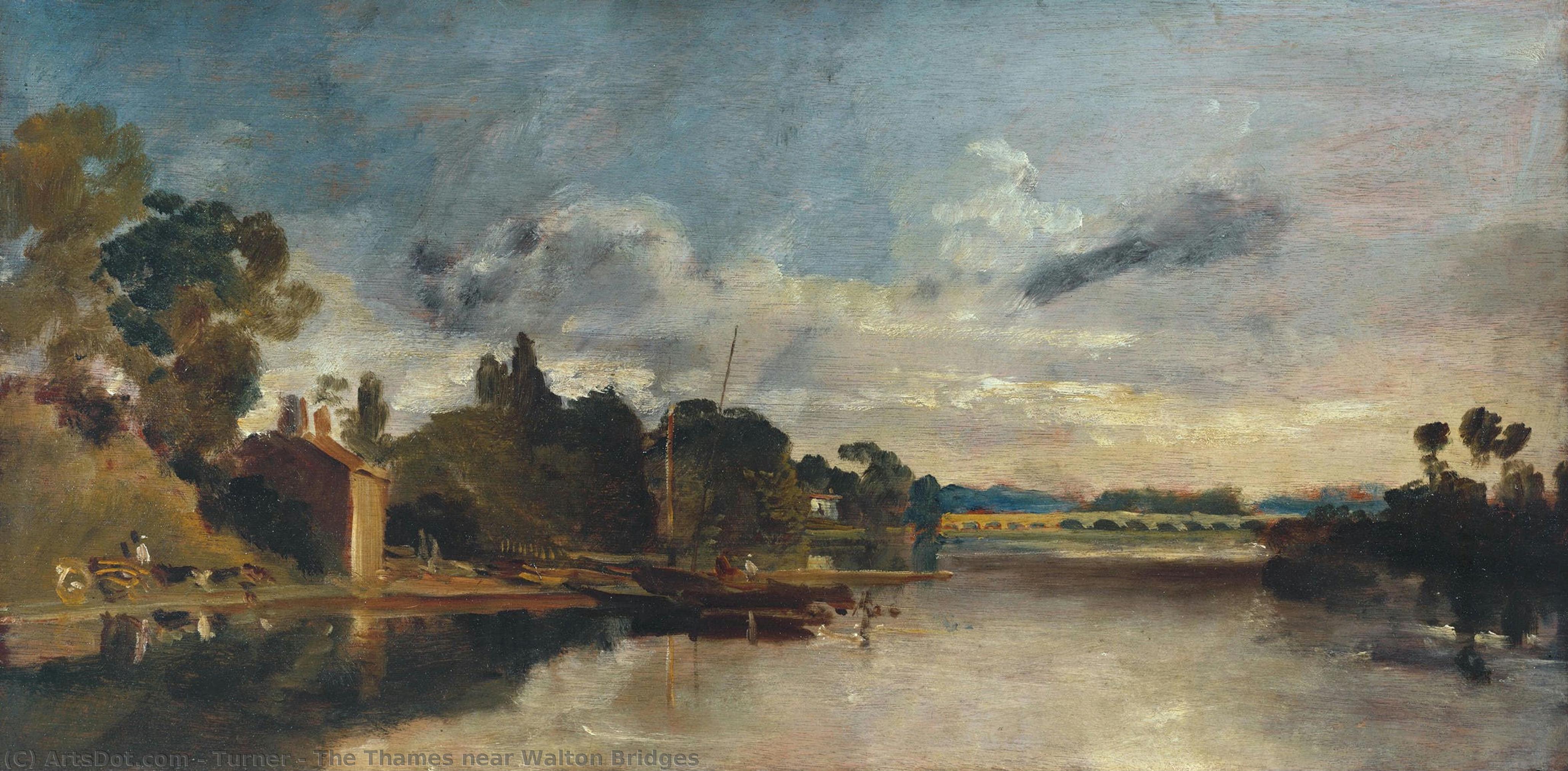
The Thames near Walton Bridges
 Romanticism
 1805
1805 73.0 x 37.0 cm
 Tate Britain
 Weiterlesen
Handgefertigte Ölreproduktion
Handgemaltes Ölgemälde auf Leinwand in Ihrer Wunschgröße und mit Rahmen, auf Bestellung von unseren Künstlern angefertigt. ( Druck bestellen Bild kaufen)




P118B $10

P118H $10

P118W $10

P438Z $10

P508JH $12

P508YH $12

P805H $10

P805Z $10

P919BZ $10

P919G $10

P919XJ $10

P959ZH $10

P968JZ $12

W106C $8

W218G $10

W218JH $8

W218Y $10

W307PJ $10

W316G $10

W316PJ $8

W316Y $10

W398PJ $8

W4111J $10

W500HY $15

W500JH $15

W692G $12

W849H $8

W940BG $15

W953PJ $8




Wählen Sie aus unseren vordefinierten Formaten, die den ursprünglichen Proportionen des Kunstwerks entsprechen.

Sie können Ihre eigenen Maße eingeben, um einen bestimmten Rahmen oder Platz auszufüllen. Wenn die gewählte Größe nicht den Proportionen des Originalbildes entspricht, werden wir das Kunstwerk entweder beschneiden oder das Gemälde durch zusätzliche, handgemalte Elemente erweitern. Ein digitales Mockup wird Ihnen zur Genehmigung zugesandt, bevor die Produktion beginnt.
Bitte beachten Sie, dass die Bildschirmvorschau nicht die tatsächliche Beschneidung oder Erweiterung widerspiegelt. Nur das Mockup zeigt die endgültige Komposition exakt an.
Obwohl Sondermaße verfügbar sind, empfehlen wir, eine Größe aus der vordefinierten Liste zu wählen, um die ursprünglichen Proportionen beizubehalten.
Nach der Bestellung wird das ArtsDot.com-Team dem Kunden Anweisungen per E-Mail zusenden und eine Mockup-Vorschau bereitstellen.
Weltweiter Versand () in nur 3 bis 4 Wochen statt der üblichen 5 Wochen. (24 August). Keine Kompromisse bei der Qualität.

Kostenloser weltweiter Expressversand

Hochwertige Leinenleinwand

Umfassender Versicherungsschutz beim Versand

Zollgebühren-Rückerstattungsgarantie

Garantie für exakte Farbtreue

60 Tage Rückgaberecht (nur bei Mängeln)

100% Geld-zurück-Garantie

Mengenrabatt verfügbar
 Die Glasoption ist nur für Größen unter 110 cm verfügbar.

The Thames near Walton Bridges
Art der Reproduktion
Format der Reproduktion
-


Gesamtpreis
$ 263
Beschreibung des Kunstwerks
A River’s Soul: Unveiling Turner's ‘The Thames Near Walton Bridges’
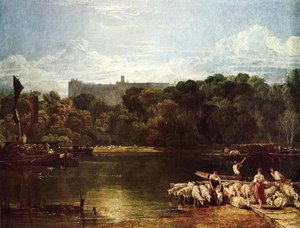
J.M.W. Turner’s “The Thames Near Walton Bridges,” painted in 1805, isn’t merely a landscape; it’s a distillation of light, atmosphere, and the very essence of the River Thames itself. Created during a pivotal period in British art history – a time when Romanticism embraced direct observation and emotional response to nature – this small oil painting on wood panel offers an intimate glimpse into Turner's evolving style and his profound connection with the English countryside.
The scene unfolds along Walton Bridge, a modest structure nestled within the verdant embrace of Surrey. Turner doesn’t present a meticulously rendered topographical study; instead, he captures a fleeting moment, a transient impression of light and color dancing upon the water's surface. The bridge itself is subtly suggested, almost dissolving into the surrounding landscape, emphasizing the river as the true subject. The composition draws the eye along the meandering course of the Thames, punctuated by the dark silhouettes of trees lining its banks and the distant suggestion of buildings hinting at a settled world beyond the river’s edge.
A Pioneer of Plein Air Painting
What distinguishes “The Thames Near Walton Bridges” is Turner's commitment to *plein air* painting – working directly from nature, capturing the immediacy of light and atmosphere. This technique was gaining traction in the early 19th century as artists sought to move away from the studio’s artificiality and embrace a more truthful representation of the natural world. Turner’s choice of a small wood panel allowed him remarkable portability, enabling him to paint outdoors with agility and spontaneity. The loose, gestural brushstrokes—short, broken marks that seem to vibrate with energy—are characteristic of this approach, conveying not just what he saw but also how he *felt* the scene before him.
The painting’s palette is remarkably restrained, dominated by muted greens, browns, and blues. Turner masterfully employs atmospheric perspective – a technique where distant objects appear paler and less distinct – to create a sense of depth and recession. The hazy sky, rendered in delicate washes of grey and blue, contributes significantly to the painting's ethereal quality, evoking a feeling of timelessness and tranquility. Notice how he uses reflected light on the water, creating an illusion of shimmering movement and adding a vital layer of realism.
Symbolism and Emotional Resonance
Beyond its technical brilliance, “The Thames Near Walton Bridges” resonates with deeper symbolic meaning. The river itself is a potent symbol in English art and literature, representing life, change, and the passage of time. Turner’s depiction suggests a contemplative mood, inviting the viewer to lose themselves in the beauty and serenity of the natural world. The bridge, a man-made structure, serves as a subtle reminder of humanity's interaction with nature – a fleeting presence within a vast and enduring landscape.
Furthermore, the painting reflects Turner’s fascination with light—a central theme in his work. He wasn’t simply recording what he saw; he was attempting to capture the *experience* of seeing, translating the ephemeral qualities of light into paint. The subtle shifts in color and tone suggest a constant flux, mirroring the ever-changing nature of the river and its surroundings. It's a painting that speaks not just to the eye but also to the soul, offering a moment of quiet contemplation amidst the bustle of everyday life.
A Legacy of Impressionism
“The Thames Near Walton Bridges” is considered a crucial work in Turner’s development and a significant precursor to Impressionist painting. His emphasis on capturing fleeting moments, his use of light and color, and his willingness to experiment with new techniques paved the way for future generations of artists who sought to capture the essence of nature in their own unique ways. Reproductions of this evocative piece continue to captivate viewers today, offering a window into the visionary world of one of Britain’s greatest painters.
Ähnliche Kunstwerke
Über den Künstler
Frühes Leben und Karriere
Joseph Mallord William Turner, bekannt in seiner Zeit als William Turner, war ein renommierter englischer Maler der Romantik, Grafiker und Aquarellist. Er wurde am 23. April 1775 in Maiden Lane, Covent Garden, London, in einer bescheidenen Familie des unteren Mittelstandes geboren. Turners künstlerische Reise begann schon in jungen Jahren. * **Wunderkind:** Schon mit 14 Jahren schrieb sich Turner an der Royal Academy of Arts ein und stellte bereits im Alter von 15 Jahren seine erste Arbeit aus. * **Architekturzeichner:** Er arbeitete auch als Architekturzeichner und verbesserte dabei seine Fähigkeiten in Perspektive und Design.Künstlerischer Stil und Beiträge
Turners ausdrucksstarke Farbgebung, fantasievolle Landschaftsbilder und turbulente Meeresmalereien hinterließen einen bleibenden Eindruck auf die britische Kunst. Seine Werke umfassen: * **Von John Ruskin gefördert:** Ab 1840 wurde Turners Werk vom führenden englischen Kunstkritiker John Ruskin gewürdigt, der die Landschaftsmalerei in eine beispiellose Stufe der Bedeutung erhob.Persönliches Leben und späte Jahre
* **Intensiv privat und zurückgezogen:** Turners persönliches Leben war von Exzentrik und Rückzug geprägt. * **Vaterrolle:** Er zeugte zwei Töchter, Evelina (1801–1874) und Georgiana (1811–1843), mit der verwitweten Sarah Danby. * **Späteres Leben und Tod:** Turners Gemütszustand verschlechterte sich nach dem Tod seines Vaters im Jahr 1829. Er lebte ab 1845 in Elend und schlechter Gesundheit und verstarb am 19. Dezember 1851 in London im Alter von 76 Jahren.Vermächtnis und Erinnerung
* **Beerdigt in St. Paul’s Cathedral:** Turner wurde in der St. Paul's Cathedral, London beigeselt, ein Beweis für sein bleibendes Vermächtnis. * **Erkunden Sie mehr:** Tauchen Sie in Turners Welt ein über [https://ArtsDot.com/@/j-m-william-turner](https://ArtsDot.com/@/j-m-william-turner) und entdecken Sie die Meisterwerke, die Kunstliebhaber auf der ganzen Welt weiterhin inspirieren. Entdecken Sie das turbulente Genie von J.M. William Turner * **Sehen Sie sich seine Werke an:** /de/art/list/ * **Erfahren Sie mehr über die britische Kunst:** [https://en.wikipedia.org/wiki/category:british_art](https://en.wikipedia.org/wiki/category:british_art)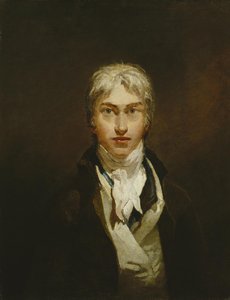
J.M.W. Turner
1775 - 1851 , Vereinigtes Königreich
Kurzinfos
- Bemerkenswerte Werke:
- Der Kampfschiff Temeraire
- Regen, Dampf und Geschwindigkeit
- Die Verbrennung des Parlamentsgebäudes
- Geburtsdatum: 23. April 1775
- Geburtsort: London, Vereinigtes Königreich
- Künstlerische Richtung: Romantik
- Nationalität: Britisch
- Sterbedatum: 19. Dezember 1851
- Vollständiger Name: J.M.W. Turner
Ähnliche Artikel

John Constable: Die 25 Meisterwerke des englischen Landschaftsgenies – ArtsDot
Entdecken Sie die 25 Meisterwerke von John Constable! Erleben Sie englische Landschaftsmalerei vom Hay Wain bis zur Stour Valley. Hochwertige Reproduktionen & Kunst für Ihr Zuhause auf ArtsDot.com.

Romantische Landschaften: Die 10 Meisterwerke, die eine Epoche prägten | ArtsDot
Entdecken Sie die 10 Meisterwerke der Romantischen Landschaftsmalerei! Von Caspar David Friedrich bis Turner – erleben Sie die Kunst, Emotion & Natur. Hochwertige Reproduktionen auf ArtsDot.com

Evocations of Place: A Historical Journey Through Landscape Art
Explore the rich history of landscape art with ArtsDot. Discover renowned artists, movements like Impressionism & Romanticism, and expert guidance for collecting timeless pieces. Find your perfect serene escape today!
J.M.W. Turner: Licht, Atmosphäre und das Romantische Erhabene – Eine Studie zu seinem künstlerischen Vermächtnis
Entdecken Sie J.M.W. Turner und seine revolutionäre Landschaftsmalerei! Analysieren Sie Licht, Atmosphäre und das Romantische Erhabene in seinem Werk. Expertenwissen & tiefe Einblicke.
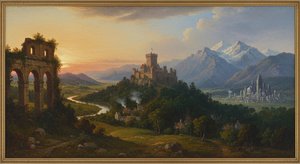
Evocations of Place: A Historical Journey Through Landscape Art
Explore the rich history of landscape art with ArtsDot. Discover renowned artists, movements like Impressionism & tonalism, and expert guidance for collecting timeless pieces. Find your perfect serene escape today!