

 Vorschau anzeigen
 Versenden
 Teilen
 Details anzeigen

 Herunterladen
 Ähnliche Objekte
 Röntgenaufnahme
 Diashow
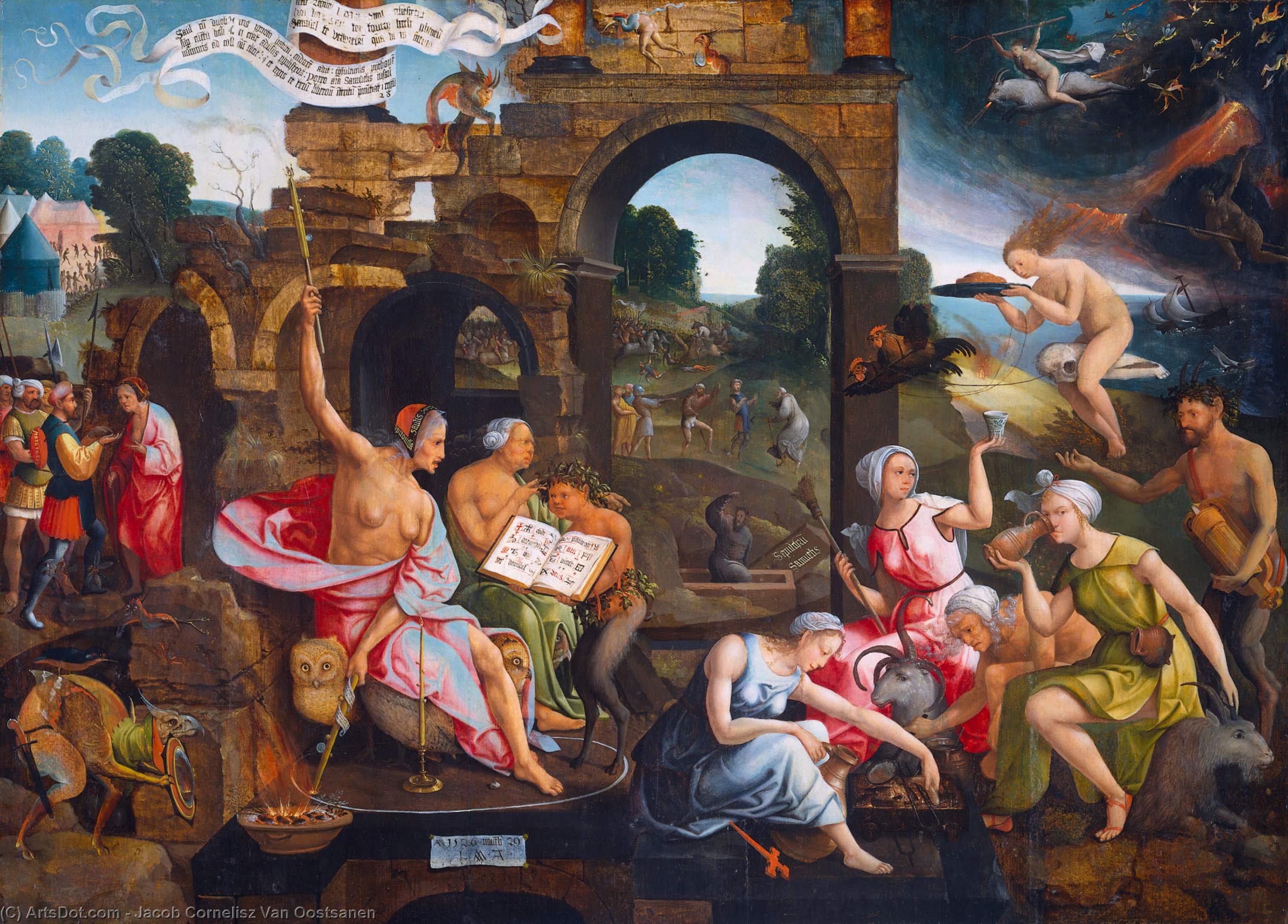
Saul and the Witch of Endor
 Oil
Oil- WallArt
- Northern Renaissance
 1526
1526- Renaissance
 88.0 x 123.0 cm
 Rijksmuseum
 Weiterlesen
Erwerben Sie ein hochauflösendes, optimiertes digitales Bild, das der Online-Vorschau weit überlegen ist.
Jede Datei wird von unseren hauseigenen Spezialisten mit modernsten Werkzeugen und fachmännischer manueller Retusche sorgfältig vorbereitet. Wir stellen sicher, dass jedes Bild eine außergewöhnliche Klarheit, präzise Farbgenauigkeit und feinste Details aufweist.
Die endgültige Datei wird innerhalb von 72 Stunden per E-Mail zugestellt und ist für den sofortigen Einsatz in professionellen, redaktionellen und Druckumgebungen optimiert. Es handelt sich um dieselbe Qualität, der führende Designstudios, Verlage und Galerien vertrauen.
Digitales Bild
Laden Sie eine hochauflösende Datei für die persönliche Präsentation, den Druck und kreative Projekte herunter. ( Druck bestellen Handgemalte Reproduktion bestellen)
In jeder Bestellung digitaler Bilder enthalten
Professionelle digitale Bereitstellung, garantiert
Wenn Sie sich für ArtsDot.com entscheiden, erhalten Sie nicht nur ein Bild – Sie erhalten ein professionell aufbereitetes digitales Kunstwerk, das mit höchster Präzision erstellt und durch eine Zufriedenheitsgarantie abgesichert wird. Hier ist alles, was automatisch mit Ihrer Bestellung geliefert wird:

Schnelle E-Mail-Zustellung
Ihre hochauflösende digitale Bilddatei wird Ihnen innerhalb von 72 Stunden nach der Bestellung per E-Mail zugestellt – bereit zur sofortigen Verwendung.

KI-optimierte digitale Datei
Ihre Kunstwerke werden professionell mithilfe fortschrittlicher KI-Tools und manueller Bearbeitung optimiert, um maximale Detailtreue, Klarheit und Farbgenauigkeit zu gewährleisten.

Lebenslanger kostenloser Neudruckservice
Datei versehentlich gelöscht oder verloren? Keine Sorge – wir senden sie Ihnen jederzeit kostenlos erneut zu.

Keine Einfuhrgebühren – jemals
Genießen Sie Ihr Kunstwerk sofort ohne Zollgebühren, Einfuhrabgaben oder Versandkosten – digitale Downloads sind immer steuerfrei.

Garantierte Farbtreue
Wir garantieren, dass Ihr digitales Bild mithilfe professioneller Werkzeuge und Farbmanagement die Originalfarben so präzise wie möglich wiedergibt.

60-Tage-Zufriedenheitsgarantie
Sollten Sie mit Ihrem digitalen Bild nicht zufrieden sein, werden wir es überarbeiten oder Ihnen innerhalb von 60 Tagen 100% erstatten – ohne Wenn und Aber.

100% Geld-zurück-Garantie
Nicht zufrieden? Erhalten Sie innerhalb von 60 Tagen nach Erhalt Ihrer digitalen Datei eine vollständige Rückerstattung – ohne Angabe von Gründen.

Rabatte bei Großbestellungen
3 Bilder kaufen, 10% sparen – 5 Bilder kaufen, 15% sparen – Ab 10 Bildern 20% sparen. Ideal für kreative Projekte, Galerien und Agenturen.
Details zum Sammlerstück
A Supernatural Encounter in the Twilight of the Middle Ages
In the hauntingly atmospheric masterpiece Saul and the Witch of Endor, Jacob Cornelisz van Oostsanen invites us into a moment of profound spiritual desperation and occult mystery. Painted in 1526, this work captures the biblical climax where King Saul, driven to the brink of madness by divine silence, seeks counsel from a medium to summon the spirit of the deceased prophet Samuel. The scene is thick with tension; it is not merely a historical tableau but a psychological drama played out in the flickering shadows of a transitional era. As we gaze upon the interaction between the weary monarch and the enigmatic woman, we feel the weight of a kingdom on the precipice of ruin, making this piece an extraordinary centerpiece for any collection that values narrative depth and emotional gravity.
The composition serves as a breathtaking bridge between two worlds: the fading elegance of the Northern Gothic and the burgeoning intellectual rigor of the Renaissance. Van Oostsanen, a master from Amsterdam, utilizes the meticulous detail characteristic of the Netherlandish tradition to render every fold of heavy drapery and every subtle expression of dread. Yet, beneath this surface lies a sophisticated command of perspective and light that hints at the influence of masters like Dürer. The artist’s ability to blend the stylized, elongated figures of his Haarlem roots with a new, humanist precision creates a visual language that is both otherworldly and strikingly tangible. For the discerning collector or interior designer, this duality offers a unique aesthetic versatility, fitting seamlessly into both classical and contemporary settings.
Symbolism and the Texture of Devotion
Every element within this complex scene is imbued with symbolic significance, designed to guide the viewer through a labyrinth of religious and moral inquiry. The presence of the book near the center of the composition acts as a silent witness, representing the sacred scriptures that Saul has seemingly abandoned in his pursuit of forbidden knowledge. The interplay between the figures—the observant onlookers and the central protagonists—creates a sense of voyeurism, drawing the viewer into the secret, illicit ritual. Even the inclusion of an animal in the periphery adds to the grounded, earthly reality of the scene, contrasting sharply with the ethereal, ghostly presence being invoked.
The emotional impact of the work lies in its ability to evoke a sense of profound unease and awe. The rich textures of the painting—the heavy fabrics, the weathered skin of the characters, and the somber color palette—work in harmony to create an immersive experience. To possess a reproduction of this work is to bring into one's space a conversation about fate, faith, and the human struggle against the unknown. It is a piece that does not merely decorate a wall but commands the room, offering a window into a time when the boundaries between the seen and unseen worlds were thought to be perilously thin.
Ähnliche Kunstwerke
Biografie des Künstlers
Jacob Cornelisz van Oostsanen: Bridging Gothic and Renaissance in Amsterdam
Jacob Cornelisz van Oostsanen (c. 1470 – 1533) stands as a pivotal figure in Northern Netherlandish art, marking the final transition from medieval traditions to the burgeoning Renaissance spirit within the vibrant city of Amsterdam. Despite the scarcity of biographical details—primarily reliant on Karel van Mander’s Schilder-boeck and archival records—scholars have painstakingly reconstructed his life and artistic trajectory, revealing a craftsman deeply rooted in Haarlem’s Gothic heritage yet profoundly impacted by the innovations emanating from Florence and Nuremberg.- Early Life & Family: Born around 1470 in Oostzaan, North Holland, Jacob Cornelisz was part of a family dedicated to painting—his brother Cornelis Buys I and II were also accomplished artists. The location itself offers insight into the artistic milieu of his formative years; Oostzaan’s proximity to Amsterdam fostered connections with influential workshops and established artistic lineages.
- Training & Influences: Like many artists of his time, Jacob Cornelisz honed his skills in Haarlem, absorbing the stylistic precepts of Geertgen tot Sint Jans—a master of luminous color palettes and elongated proportions characteristic of the Gothic tradition. However, he also encountered the transformative ideas championed by Albrecht Dürer, demonstrating a willingness to embrace new artistic approaches and techniques.
Amsterdam & The Dawn of Renaissance Painting
Jacob Cornelisz’s arrival in Amsterdam around 1500 signaled a decisive shift in his artistic career. He purchased two adjacent houses on Kalverstraat, establishing himself as one of the city's foremost artists and securing a stable environment for his family. This move coincided with a period of considerable urban growth and cultural dynamism—Amsterdam was rapidly transforming into a cosmopolitan center attracting artisans and intellectuals from across Europe. His workshop became a hub for experimentation, producing not only commissioned portraits but also intricate woodcuts and stained-glass windows that reflected the prevailing aesthetic sensibilities.- Notable Works & Artistic Style: Jacob Cornelisz’s oeuvre comprises approximately 200 woodcuts and 27 paintings—a testament to his versatility as a designer and painter. His prints are distinguished by their meticulous detail and adherence to traditional North Netherlandish conventions, prioritizing narrative clarity and conveying emotion through carefully positioned figures. Paintings like “Christ as Gardener” exemplify his stylistic evolution—characterized by simplified proportions, luminous color harmonies, and a looser brushstroke technique that departed from the rigid formalism of earlier Gothic art. He skillfully blended elements of Haarlem painting with Dürer’s influence, creating images imbued with both spiritual depth and visual splendor.
Symbolism & Religious Context
Throughout his artistic career, Jacob Cornelisz consistently addressed religious themes—often commissioned by Catholic patrons seeking to defend orthodoxy against the Protestant Reformation. His paintings—including “The Nativity” and “Saul and the Witch of Endor”—employed established iconography rooted in medieval tradition but incorporated contemporary stylistic innovations. These works served as visual representations of faith, skillfully crafted to resonate with audiences familiar with humanist scholarship and artistic trends.- Legacy & Historical Significance: Jacob Cornelisz van Oostsanen’s contribution to the history of art is undeniable—he represents the final bastion of Flemish painters resisting Italian stylistic influences. His workshop continued to flourish after his death, fostering artistic innovation and perpetuating his family's legacy as prominent artists in Amsterdam. He remains a symbol of artistic transition, embodying the convergence of Gothic craftsmanship with Renaissance ideals—a pivotal moment in shaping the visual culture of Northern Europe.
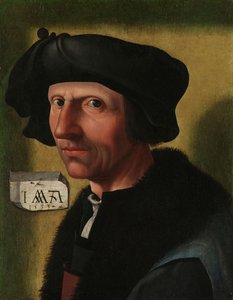
Jacob Cornelisz van Oostsanen
1470 - 1533 , Niederlande
Kurzinfos
- Artistic Movement Or Style: Frühniederländische Malerei
- Artists Who Influenced This Artist:
- Geertgen tot Sint Jans
- Albrecht Dürer
- Date Of Birth: c. 1470
- Date Of Death: 1533
- Full Name: Jacob Cornelisz van Oostsanen
- Nationality: Niederländisch
- Notable Artworks: ['Die Erwartung Marias']
- Place Of Birth: Oostzaan, Niederlande

