 Vorschau anzeigen
 Versenden
 Teilen
 Details anzeigen

 Herunterladen
 Ähnliche Objekte
 Röntgenaufnahme
 Diashow
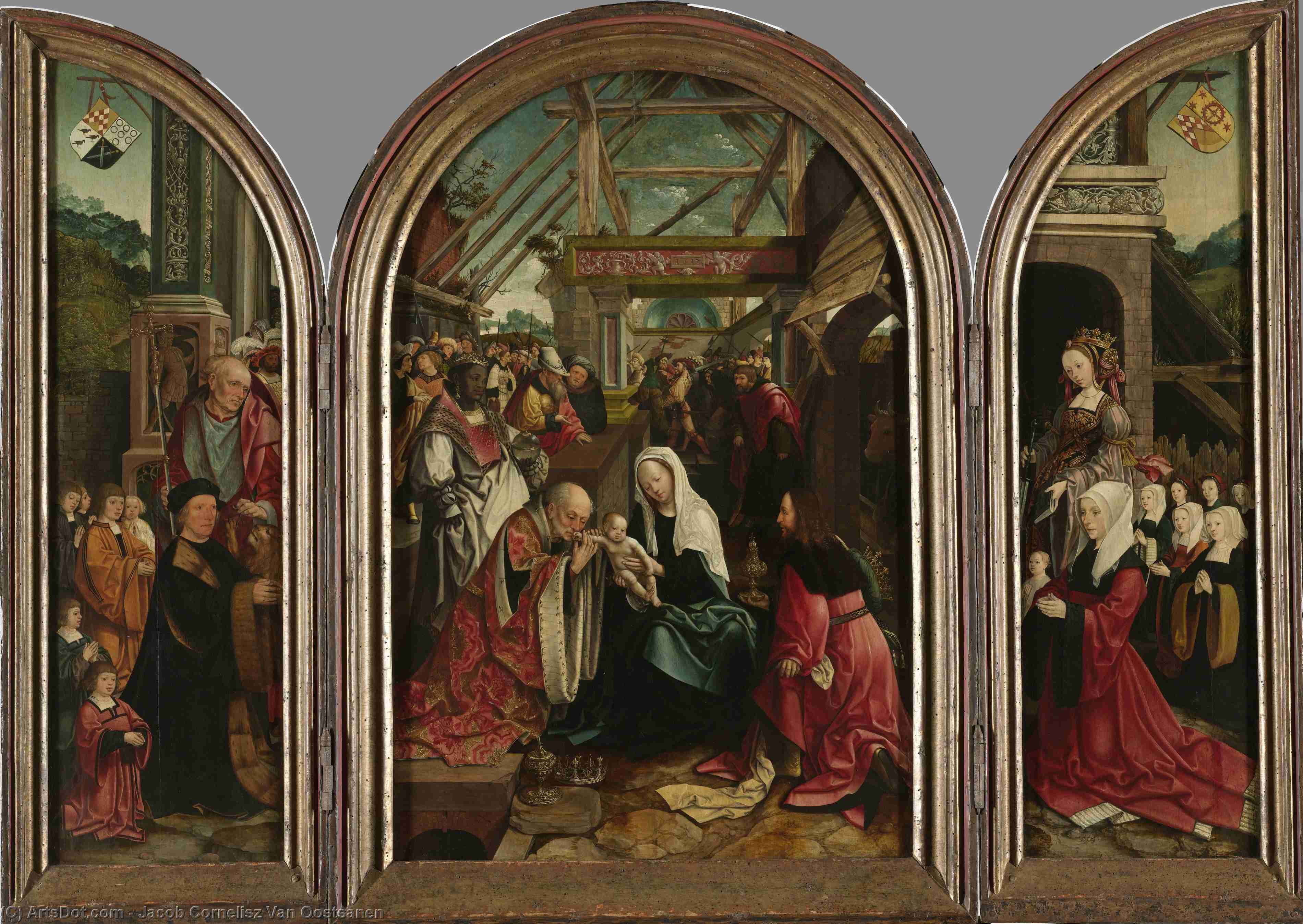
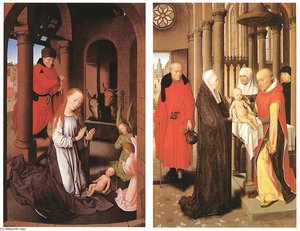
Triptych of the Adoration of the Magi
 Oil
Oil- WallArt
- Early Netherlandish Renaissance
 1517
1517- Renaissance
 83.0 x 56.0 cm
 Rijksmuseum
 Weiterlesen
Handgefertigte Ölreproduktion
Handgemaltes Ölgemälde auf Leinwand in Ihrer Wunschgröße und mit Rahmen, auf Bestellung von unseren Künstlern angefertigt. ( Druck bestellen Bild kaufen)




P118B $10

P118H $10

P118W $10

P438Z $10

P508JH $12

P508YH $12

P805H $10

P805Z $10

P919BZ $10

P919G $10

P919XJ $10

P959ZH $10

P968JZ $12

W106C $8

W218G $10

W218JH $8

W218Y $10

W307PJ $10

W316G $10

W316PJ $8

W316Y $10

W398PJ $8

W4111J $10

W500HY $15

W500JH $15

W692G $12

W849H $8

W940BG $15

W953PJ $8




Wählen Sie aus unseren vordefinierten Formaten, die den ursprünglichen Proportionen des Kunstwerks entsprechen.

Sie können Ihre eigenen Maße eingeben, um einen bestimmten Rahmen oder Platz auszufüllen. Wenn die gewählte Größe nicht den Proportionen des Originalbildes entspricht, werden wir das Kunstwerk entweder beschneiden oder das Gemälde durch zusätzliche, handgemalte Elemente erweitern. Ein digitales Mockup wird Ihnen zur Genehmigung zugesandt, bevor die Produktion beginnt.
Bitte beachten Sie, dass die Bildschirmvorschau nicht die tatsächliche Beschneidung oder Erweiterung widerspiegelt. Nur das Mockup zeigt die endgültige Komposition exakt an.
Obwohl Sondermaße verfügbar sind, empfehlen wir, eine Größe aus der vordefinierten Liste zu wählen, um die ursprünglichen Proportionen beizubehalten.
Nach der Bestellung wird das ArtsDot.com-Team dem Kunden Anweisungen per E-Mail zusenden und eine Mockup-Vorschau bereitstellen.
Weltweiter Versand () in nur 3 bis 4 Wochen statt der üblichen 5 Wochen. (2 September). Keine Kompromisse bei der Qualität.

Kostenloser weltweiter Expressversand

Hochwertige Leinenleinwand

Umfassender Versicherungsschutz beim Versand

Zollgebühren-Rückerstattungsgarantie

Garantie für exakte Farbtreue

60 Tage Rückgaberecht (nur bei Mängeln)

100% Geld-zurück-Garantie

Mengenrabatt verfügbar
 Die Glasoption ist nur für Größen unter 110 cm verfügbar.

Triptych of the Adoration of the Magi
Art der Reproduktion
Format der Reproduktion
-


Gesamtpreis
$ 263
A Sacred Encounter in Early Renaissance Amsterdam
In the quiet, transformative years of the early sixteenth century, as Amsterdam began to emerge from its medieval shadows into a vibrant mercantile era, Jacob Cornelisz van Oostsanen captured a moment of profound spiritual convergence. His 1517 masterpiece, Triptych of the Adoration of the Magi, is far more than a mere religious illustration; it is a window into the soul of Northern Netherlandish art. Within this triptych, the artist masterfully weaves together the solemnity of Haarlem’s Gothic traditions with the burgeoning humanist ideals flowing from Florence and the innovative printmaking energy of Nuremberg. The result is a narrative that feels both intimately local and cosmically significant, inviting the viewer to witness the arrival of the Magi not just as a biblical event, but as a celebration of divine light entering a world in transition.
The central panel serves as the heart of this devotional experience, where the atmosphere is thick with reverence and quiet awe. Here, Mary sits before a weathered, ruined gateway—a poignant symbol of the old era yielding to the new—cradling the Christ Child. The composition is a carefully orchestrated dance of devotion: King Melchior kneels in humble submission, having already removed his crown, while Kings Caspar and Balthazar approach with offerings that carry deep theological weight. Each gift—the golden covered beaker, the orb of myrmecine, and the precious frankincense—serves as a silent sermon on spiritual enlightenment, divine grace, and the surrender of earthly riches to the divine. The meticulous rendering of these objects, from the glint of gold to the delicate textures of the vessels, showcases Oostsanen’s extraordinary command over the oil medium.
The Mastery of Light, Texture, and Form
To behold this triptych is to experience a masterclass in Northern Renaissance technique. Oostsanen utilizes grisaille—a monochromatic, stone-like painting style—on the outer wings to create a somber, contemplative frame that directs all emotional energy toward the luminous central scene. This contrast between the muted, sculptural wings and the vibrant, jewel-toned center creates a dramatic tension that draws the eye inward. The artist’s ability to capture the tactile reality of fabric, metal, and skin reflects the period's obsession with realism, making the sacred figures feel tangibly present within our own space.
For the discerning collector or interior designer, this work offers an unparalleled opportunity to introduce a sense of historical depth and intellectual prestige into a curated environment. The painting’s ability to balance complex symbolism with breathtaking aesthetic beauty makes it a versatile centerpiece. Whether placed in a room designed for quiet reflection or as a sophisticated focal point in a grand hall, a high-quality reproduction of this triptych brings with it the weight of history and the luminous grace of the Renaissance. It is an invitation to surround oneself with art that does not merely decorate a wall, but enriches the very atmosphere of a home with stories of faith, innovation, and the enduring beauty of the human spirit.
Ähnliche Kunstwerke
Über den Künstler
Jacob Cornelisz van Oostsanen: Bridging Gothic and Renaissance in Amsterdam
Jacob Cornelisz van Oostsanen (c. 1470 – 1533) stands as a pivotal figure in Northern Netherlandish art, marking the final transition from medieval traditions to the burgeoning Renaissance spirit within the vibrant city of Amsterdam. Despite the scarcity of biographical details—primarily reliant on Karel van Mander’s Schilder-boeck and archival records—scholars have painstakingly reconstructed his life and artistic trajectory, revealing a craftsman deeply rooted in Haarlem’s Gothic heritage yet profoundly impacted by the innovations emanating from Florence and Nuremberg.- Early Life & Family: Born around 1470 in Oostzaan, North Holland, Jacob Cornelisz was part of a family dedicated to painting—his brother Cornelis Buys I and II were also accomplished artists. The location itself offers insight into the artistic milieu of his formative years; Oostzaan’s proximity to Amsterdam fostered connections with influential workshops and established artistic lineages.
- Training & Influences: Like many artists of his time, Jacob Cornelisz honed his skills in Haarlem, absorbing the stylistic precepts of Geertgen tot Sint Jans—a master of luminous color palettes and elongated proportions characteristic of the Gothic tradition. However, he also encountered the transformative ideas championed by Albrecht Dürer, demonstrating a willingness to embrace new artistic approaches and techniques.
Amsterdam & The Dawn of Renaissance Painting
Jacob Cornelisz’s arrival in Amsterdam around 1500 signaled a decisive shift in his artistic career. He purchased two adjacent houses on Kalverstraat, establishing himself as one of the city's foremost artists and securing a stable environment for his family. This move coincided with a period of considerable urban growth and cultural dynamism—Amsterdam was rapidly transforming into a cosmopolitan center attracting artisans and intellectuals from across Europe. His workshop became a hub for experimentation, producing not only commissioned portraits but also intricate woodcuts and stained-glass windows that reflected the prevailing aesthetic sensibilities.- Notable Works & Artistic Style: Jacob Cornelisz’s oeuvre comprises approximately 200 woodcuts and 27 paintings—a testament to his versatility as a designer and painter. His prints are distinguished by their meticulous detail and adherence to traditional North Netherlandish conventions, prioritizing narrative clarity and conveying emotion through carefully positioned figures. Paintings like “Christ as Gardener” exemplify his stylistic evolution—characterized by simplified proportions, luminous color harmonies, and a looser brushstroke technique that departed from the rigid formalism of earlier Gothic art. He skillfully blended elements of Haarlem painting with Dürer’s influence, creating images imbued with both spiritual depth and visual splendor.
Symbolism & Religious Context
Throughout his artistic career, Jacob Cornelisz consistently addressed religious themes—often commissioned by Catholic patrons seeking to defend orthodoxy against the Protestant Reformation. His paintings—including “The Nativity” and “Saul and the Witch of Endor”—employed established iconography rooted in medieval tradition but incorporated contemporary stylistic innovations. These works served as visual representations of faith, skillfully crafted to resonate with audiences familiar with humanist scholarship and artistic trends.- Legacy & Historical Significance: Jacob Cornelisz van Oostsanen’s contribution to the history of art is undeniable—he represents the final bastion of Flemish painters resisting Italian stylistic influences. His workshop continued to flourish after his death, fostering artistic innovation and perpetuating his family's legacy as prominent artists in Amsterdam. He remains a symbol of artistic transition, embodying the convergence of Gothic craftsmanship with Renaissance ideals—a pivotal moment in shaping the visual culture of Northern Europe.
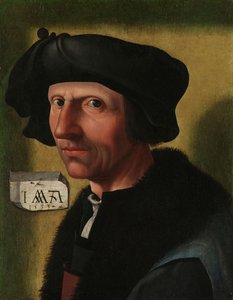
Jacob Cornelisz van Oostsanen
1470 - 1533 , Niederlande
Kurzinfos
- Artistic Movement Or Style: Frühniederländische Malerei
- Artists Who Influenced This Artist:
- Geertgen tot Sint Jans
- Albrecht Dürer
- Date Of Birth: c. 1470
- Date Of Death: 1533
- Full Name: Jacob Cornelisz van Oostsanen
- Nationality: Niederländisch
- Notable Artworks: ['Die Erwartung Marias']
- Place Of Birth: Oostzaan, Niederlande
Ähnliche Artikel
Hieronymus Bosch: Die 25 Meisterwerke des düsteren Genies – Kunst für Ihr Zuhause | ArtsDot
Entdecken Sie die 25 faszinierendsten Meisterwerke von Hieronymus Bosch! Tauchen Sie ein in die düstere Schönheit niederländischer Malerei, religiöse Symbolik und fantastische Welten. Hochwertige Kunstdrucke & Inspiration für Ihr Zuhause auf ArtsDot.com.

Frühniederländische Meisterwerke: 10 Gemälde, die eine Epoche prägten | ArtsDot
Entdecken Sie die 10 prägendsten Meisterwerke der Frühniederländischen Malerei! Von Jan van Eyck bis Rogier van der Weyden – erleben Sie Kunstgeschichte hautnah. Hochwertige Reproduktionen & Inspiration für Ihr Interieur auf ArtsDot.com.
Frühniederländische Renaissance: 10 Meisterwerke für Ihr Zuhause | ArtsDot
Entdecken Sie die 10 prägendsten Meisterwerke der Frühniederländischen Renaissance! Erfahren Sie mehr über Jan van Eyck, Rogier van der Weyden & Co. und ihre ikonischen Gemälde. Hochwertige Reproduktionen für Ihr Zuhause – jetzt auf ArtsDot.com!
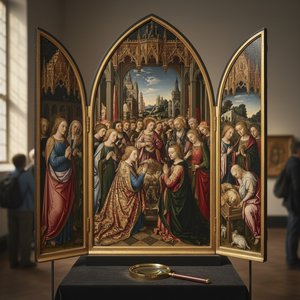
Illuminating Realism: A Comprehensive Exploration of the Early Netherlandish Renaissance Movement
Explore the captivating world of Early Netherlandish painting! Discover Jan van Eyck & other Flemish masters, their revolutionary techniques, hidden symbolism, and lasting legacy. A comprehensive guide for art enthusiasts.
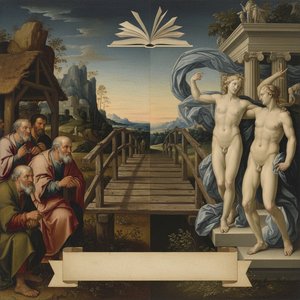
Jan Gossart: Bridging Netherlandish Realism & Renaissance Humanism – A Comprehensive Exploration
Explore the captivating world of Jan Gossart, a pivotal figure bridging Netherlandish realism & Renaissance humanism. Discover his masterpieces, patronage, and lasting influence – an essential guide for discerning art collectors.