 Vorschau anzeigen
 Versenden
 Teilen
 Details anzeigen

 Herunterladen
 Ähnliche Objekte
 Röntgenaufnahme
 Diashow
 Statistiken
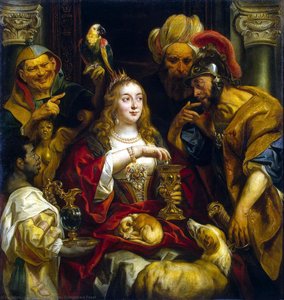
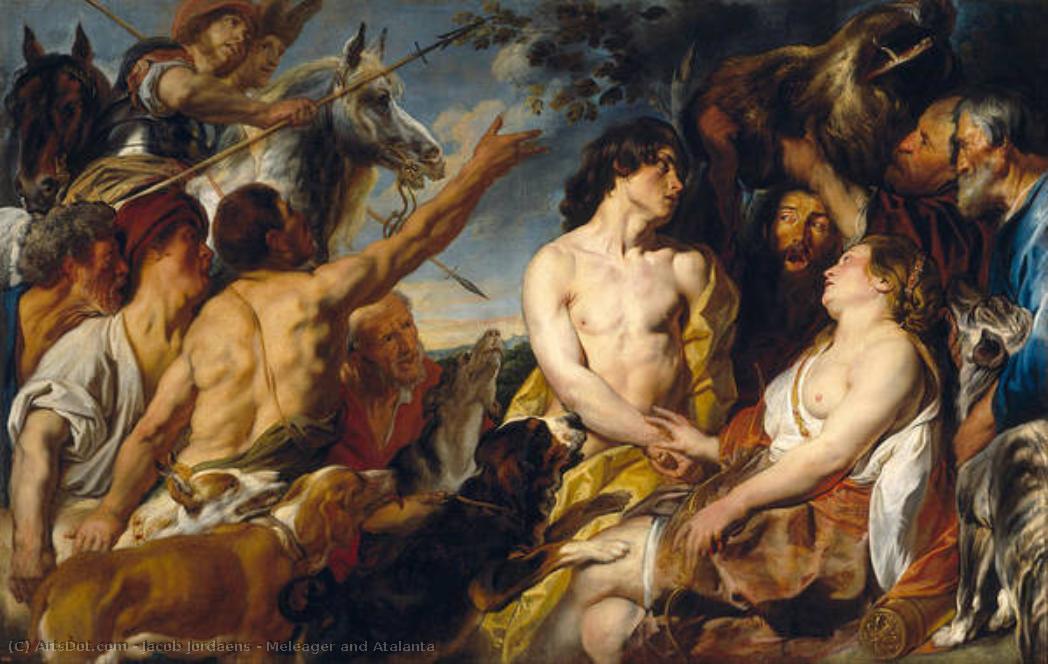
Meleager and Atalanta
 Oil On Canvas
- WallArt
- Baroque
 1624
1624 151.0 x 241.0 cm
 Prado Museum
 Weiterlesen
Handgefertigte Ölreproduktion
Handgemaltes Ölgemälde auf Leinwand in Ihrer Wunschgröße und mit Rahmen, auf Bestellung von unseren Künstlern angefertigt. ( Zu Druck wechseln Zum digitalen Bild wechseln)




P118B $10

P118H $10

P118W $10

P438Z $10

P508JH $12

P508YH $12

P805H $10

P805Z $10

P919BZ $10

P919G $10

P919XJ $10

P959ZH $10

P968JZ $12

W106C $8

W218G $10

W218JH $8

W218Y $10

W307PJ $10

W316G $10

W316PJ $8

W316Y $10

W398PJ $8

W4111J $10

W500HY $15

W500JH $15

W692G $12

W849H $8

W940BG $15

W953PJ $8




Wählen Sie aus unseren vordefinierten Formaten, die den ursprünglichen Proportionen des Kunstwerks entsprechen.

Sie können Ihre eigenen Maße eingeben, um einen bestimmten Rahmen oder Platz auszufüllen. Wenn die gewählte Größe nicht den Proportionen des Originalbildes entspricht, werden wir das Kunstwerk entweder beschneiden oder das Gemälde durch zusätzliche, handgemalte Elemente erweitern. Ein digitales Mockup wird Ihnen zur Genehmigung zugesandt, bevor die Produktion beginnt.
Bitte beachten Sie, dass die Bildschirmvorschau nicht die tatsächliche Beschneidung oder Erweiterung widerspiegelt. Nur das Mockup zeigt die endgültige Komposition exakt an.
Obwohl Sondermaße verfügbar sind, empfehlen wir, eine Größe aus der vordefinierten Liste zu wählen, um die ursprünglichen Proportionen beizubehalten.
Nach der Bestellung wird das ArtsDot.com-Team dem Kunden Anweisungen per E-Mail zusenden und eine Mockup-Vorschau bereitstellen.
Weltweiter Versand () in nur 3 bis 4 Wochen statt der üblichen 5 Wochen. (8 September). Keine Kompromisse bei der Qualität.

Kostenloser weltweiter Expressversand

Hochwertige Leinenleinwand

Umfassender Versicherungsschutz beim Versand

Zollgebühren-Rückerstattungsgarantie

Garantie für exakte Farbtreue

100-Tage-Rückgaberecht (nur bei Mängeln)

100% Geld-zurück-Garantie

Mengenrabatt verfügbar
 Die Glasoption ist nur für Größen unter 110 cm verfügbar.

Meleager and Atalanta
Art der Reproduktion
Format der Reproduktion
-


Gesamtpreis
$ 263
The Dramatic Narrative of Jacob Jordaens’ “Meleager and Atalanta”
Jacob Jordaens' "Meleager and Atalanta," painted in 1624, isn’t merely a depiction of a Greek myth; it’s a vibrant explosion of human drama, rendered with the characteristic exuberance of the Antwerp Baroque. The scene unfolds within a bustling, almost chaotic tableau – a testament to Jordaens' skill at capturing not just individual figures but the collective energy and tension of a pivotal moment. The painting immediately draws the eye into a world brimming with action: Meleager, clad in gleaming armor and wielding a spear, stands poised for battle, his face etched with fierce determination. Opposite him, Atalanta, equally formidable in her flowing dress and bow, embodies both grace and lethal capability. This isn’t a static mythological scene; it's a dynamic confrontation, hinting at the impending conflict between Meleager and his rival, Actaeon, who seeks to claim Atalanta’s hand.
- The Setting: A sprawling landscape, rendered in a muted palette of browns and greens, provides a dramatic backdrop. The cloudy sky suggests an approaching storm, mirroring the emotional turmoil at the heart of the scene.
- Figures in Motion: Jordaens masterfully employs diagonal lines to create a sense of movement – figures are caught mid-stride, arrows are launched, spears are raised. This dynamism is further emphasized by the overlapping poses and the crowded composition.
- Emotional Intensity: The faces of the characters convey a remarkable range of emotions—anger, determination, fear, and even a hint of vulnerability. Jordaens’ ability to capture such nuanced expressions elevates the painting beyond a simple illustration of a myth.
Baroque Grandeur and Flemish Realism
Jordaens was a pivotal figure in the Antwerp Baroque school, inheriting the legacy of Peter Paul Rubens while forging his own distinctive style. Unlike the idealized forms often associated with Italian Renaissance art, Jordaens embraced a more earthy realism, depicting everyday life alongside grand mythological scenes. This approach is evident in "Meleager and Atalanta," where the figures are rendered with a palpable sense of physicality—their muscles strained, their clothing realistically textured. The painting’s scale – measuring 151 x 241 cm – further contributes to its imposing presence, immersing the viewer within the scene.
Technique: Jordaens' masterful use of chiaroscuro (the dramatic contrast between light and dark) intensifies the emotional impact of the painting. He expertly manipulates shadows to highlight key figures and create a sense of depth, drawing the eye towards the central drama. The brushwork is loose and expressive, contributing to the overall feeling of movement and energy. The use of oil paint allows for rich colors and subtle gradations, adding to the realism of the scene.Mythological Symbolism and Human Drama
The story of Meleager and Atalanta is steeped in symbolism. Meleager represents strength and prowess, while Atalanta embodies independence and courage—qualities admired in women during the Renaissance. The impending hunt for the boar symbolizes a struggle for dominance and control. However, Jordaens doesn’t simply present a straightforward mythological narrative; he transforms it into a compelling human drama, exploring themes of love, rivalry, honor, and violence. The inclusion of numerous figures engaged in various activities—preparing weapons, tending to animals, conversing—adds layers of complexity to the scene, suggesting that this is not just a hunt but a microcosm of society itself.
Historical Context: Painted during the early 17th century, “Meleager and Atalanta” reflects the cultural values and artistic trends of the Antwerp Baroque. The painting’s popularity likely stemmed from its depiction of heroic figures engaged in exciting action—themes that resonated with audiences eager for spectacle and drama. The work also aligns with the broader trend of depicting mythological subjects as contemporary events, blurring the lines between history and legend.A Timeless Masterpiece: Reproduction and Interpretation
“Meleager and Atalanta” remains a captivating masterpiece, offering viewers a glimpse into the vibrant world of the Antwerp Baroque. Reproductions capture the painting’s dramatic intensity and rich detail, allowing art lovers to experience its beauty and power in their own homes. When selecting a reproduction, consider the quality of materials and printing techniques—a high-quality print will faithfully reproduce Jordaens' masterful brushwork and vibrant colors. This iconic work continues to inspire awe and admiration, serving as a testament to the enduring legacy of Jacob Jordaens.
Ähnliche Kunstwerke

Über den Künstler
Frühe Jahre und Ausbildung
Jacob Jordaens, ein bedeutender flämischer Maler, wurde am 19. Mai 1593 in Antwerpen, Belgien, geboren. Er war der erste von elf Kindern von Jacob Jordaens Sr., einem wohlhabenden Leinenhändler, und Barbara van Wolschaten. Über Jordans frühe Bildung ist wenig bekannt, aber es kann davon ausgegangen werden, dass er die Vorteile einer für Kinder seines Standes üblichen Ausbildung genoss.Künstlerische Einflüsse und Stil
Jordaens wurde von norditalienischen Malern wie Jacopo Bassano, Paolo Veronese und Caravaggio beeinflusst. Seine Arbeit ist durch eine Tendenz zu größerem Realismus, das Überfüllen seiner Kompositionen und eine Vorliebe für das Burleske gekennzeichnet. Jordans Stil unterscheidet sich von seinen Zeitgenossen durch seine Verwendung einer warmen Palette, des Naturalismus und der Beherrschung von Chiaroscuro und Tenebrismus.Bedeutende Werke und Aufträge
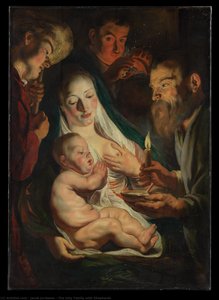
- Die Anbetung der Hirten (Öl auf Leinwand, 205 x 269 cm), ein Gemälde, das Jordans Fähigkeit zeigt, die Essenz menschlicher Erfahrung einzufangen.
- Argus und Merkur (Barock, Öl), ein Werk, das seine Beherrschung des Barockstils demonstriert.
Entwicklung und Vermächtnis
Jordaens etablierte sich als einer der führenden Maler Flanderns nach dem Tod von Peter Paul Rubens im Jahr 1640. Er war bis zu seinem Tod Antwerpen's angesehenster Figurenmaler. Sein Studio florierte, und er assistierte häufig Rubens. Jordans Bedeutung zeigt sich in der Anzahl seiner Schüler; die Zunft des St. Lukas verzeichnet zwischen 1621 und 1667 fünfzehn offizielle Schüler. Seine Arbeit beeinflusste Jan Steen, und seine klassisch inspirierten Bauernmotive haben einen bleibenden Einfluss auf die Kunstwelt gehabt. Jordans Stil entwickelte sich im Laufe der Jahre weiter, wobei er zunächst von Rubens' dynamischeren Ansatz beeinflusst war, später aber seinen eigenen, realistischeren und detailreicheren Stil entwickelte. Seine späten Werke zeichnen sich durch eine größere Zurückhaltung und kühlere Farben aus.Museen und Sammlungen
- Das Museum Huis ten Bosch (Den Haag, Niederlande) - ein umfassender Leitfaden: https://ArtsDot.com/@@/a@d3b6sx-the-museum-huis-ten-bosch-(the-hague-netherlands)-a-comprehensive-guide
- Kunstgalerie Südaustralien (Adelaide, Australien) - mit einem Gemälde von Sir Anthony van Dyck: https://ArtsDot.com/@@/d4cl9h-sir-anthony-van-dyck-a-married-couple
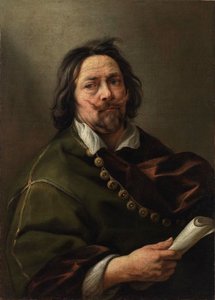
Jakob Jordaens
1593 - 1678 , Belgien
Kurzinfos
- Bemerkenswerte Werke:
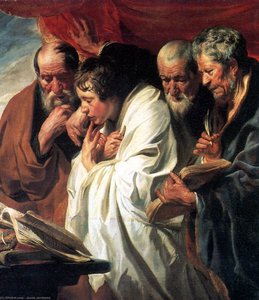
- Die Vier Evangelisten
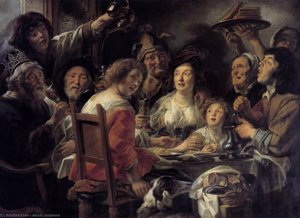
- Das Lustspiel des Bacchus
- Weintrauben in einem Korb
- Geburtsdatum: 19. Mai 1593
- Geburtsort (Stadt, Land): Antwerpen, Belgien
- Künstler, Die Diesen Künstler Beeinflussten:
- Jacopo Bassano
- Paolo Veronese
- Caravaggio
- Künstlerische Bewegung/Stil: Barock
- Nationalität: Belgisch
- Sterbedatum: 1678
- Vollständiger Name: Jacob Jordaens
- Von Diesem Künstler Beeinflusste Künstler/Bewegungen: ['Jan Steen']
Ähnliche Artikel
Echoes of Olympus: Mythological Narratives in Western Art Through the Ages
Explore the captivating history of mythological narratives in Western art! From ancient Greece to modern masterpieces, discover iconic artworks & symbolism. Expert analysis and high-quality reproductions at ArtsDot.

Barock Meisterwerke: Die 10 prägendsten Kunstwerke für Ihr Zuhause |
Entdecken Sie die 10 prägendsten Meisterwerke des Barock! Caravaggio, Rembrandt & Co. – Erfahren Sie die Geschichten hinter ikonischen Gemälde und finden Sie hochwertige Kunst Reproduktionen für Ihr Zuhause auf .

The Dramatic Flourish: Exploring the Baroque Movement's Enduring Legacy in Art History
Explore the dramatic world of Baroque art! Discover iconic artists like Caravaggio & Rubens, defining techniques, and its lasting impact on art history. Expert insights for collectors & enthusiasts at ArtsDot.
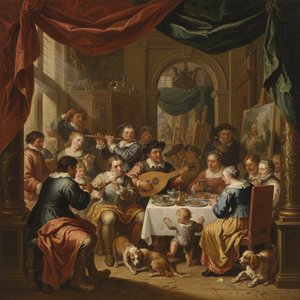
Jacob Jordaens: Barocke Dynamik und Genre-Innovation der Antwerpener Schule
Entdecken Sie das faszinierende Werk von Jacob Jordaens, einem Meister der Barockmalerei! Erfahren Sie mehr über seine Genre-Szenen, religiösen Gemälde und seinen Einfluss auf die Antwerpener Schule. Jetzt lesen!

Barocke Pracht: Wie Sie Opulenz und Emotionen in zeitgenössische Innenräume bringen
Entdecken Sie die Pracht des Barock! Expertenratgeber für luxuriöse Innenräume mit barocken Elementen. Inspiration, Tipps & hochwertige Kunst bei .