 Vorschau anzeigen
 Versenden
 Teilen
 Details anzeigen

 Herunterladen
 Ähnliche Objekte
 Röntgenaufnahme
 Diashow
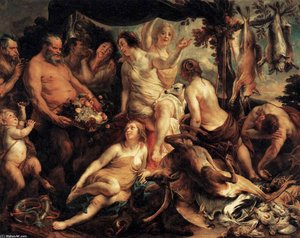
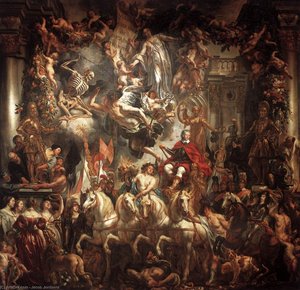
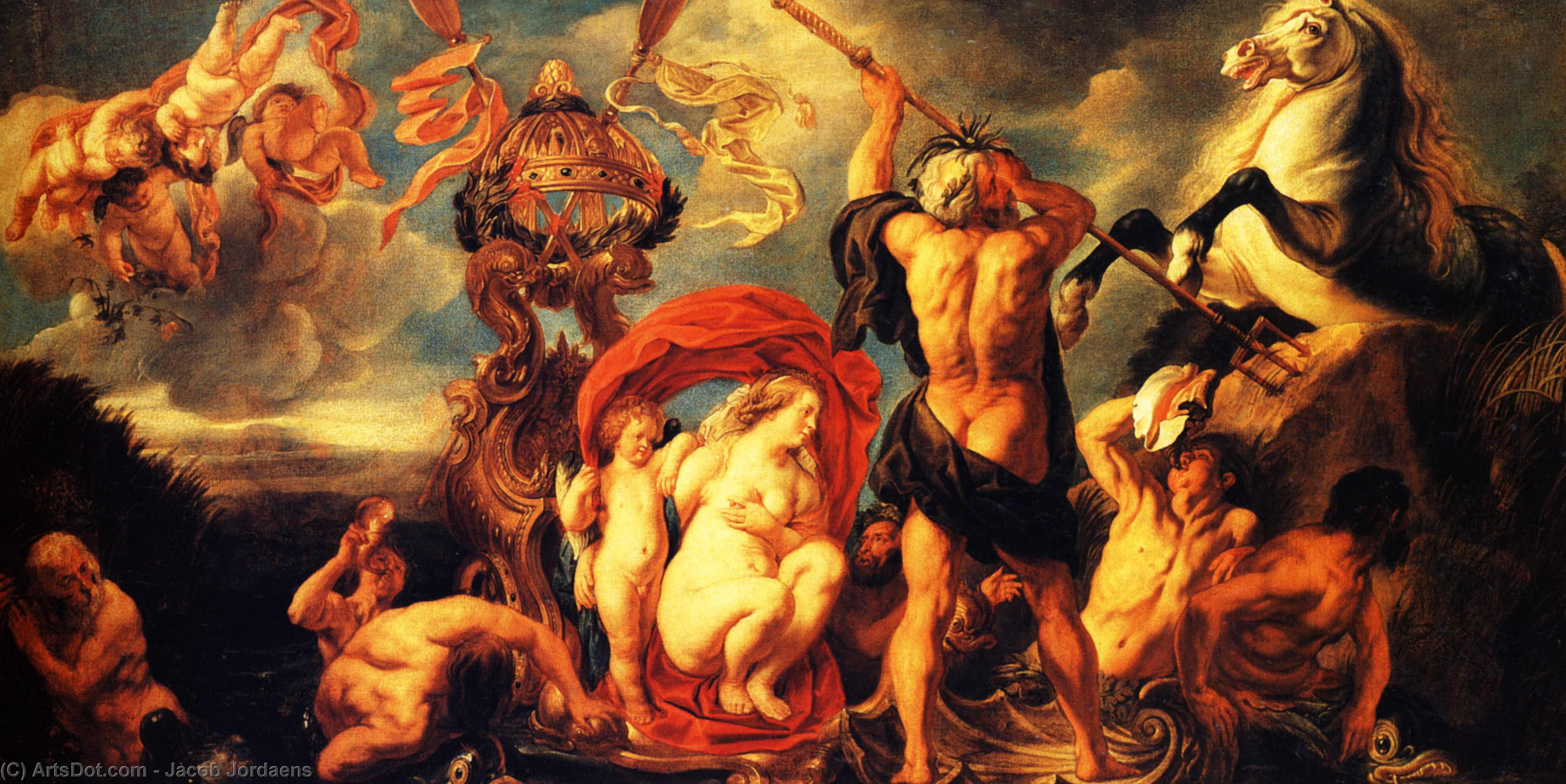
Neptune Creating the Horse
 Oil On Canvas
- WallArt
- Baroque
 1645
1645- Early Modern
 67.0 x 130.0 cm
 Weiterlesen
Handgefertigte Ölreproduktion
Handgemaltes Ölgemälde auf Leinwand in Ihrer Wunschgröße und mit Rahmen, auf Bestellung von unseren Künstlern angefertigt. ( Druck bestellen Bild kaufen)




P118B $10

P118H $10

P118W $10

P438Z $10

P508JH $12

P508YH $12

P805H $10

P805Z $10

P919BZ $10

P919G $10

P919XJ $10

P959ZH $10

P968JZ $12

W106C $8

W218G $10

W218JH $8

W218Y $10

W307PJ $10

W316G $10

W316PJ $8

W316Y $10

W398PJ $8

W4111J $10

W500HY $15

W500JH $15

W692G $12

W849H $8

W940BG $15

W953PJ $8




Wählen Sie aus unseren vordefinierten Formaten, die den ursprünglichen Proportionen des Kunstwerks entsprechen.

Sie können Ihre eigenen Maße eingeben, um einen bestimmten Rahmen oder Platz auszufüllen. Wenn die gewählte Größe nicht den Proportionen des Originalbildes entspricht, werden wir das Kunstwerk entweder beschneiden oder das Gemälde durch zusätzliche, handgemalte Elemente erweitern. Ein digitales Mockup wird Ihnen zur Genehmigung zugesandt, bevor die Produktion beginnt.
Bitte beachten Sie, dass die Bildschirmvorschau nicht die tatsächliche Beschneidung oder Erweiterung widerspiegelt. Nur das Mockup zeigt die endgültige Komposition exakt an.
Obwohl Sondermaße verfügbar sind, empfehlen wir, eine Größe aus der vordefinierten Liste zu wählen, um die ursprünglichen Proportionen beizubehalten.
Nach der Bestellung wird das ArtsDot.com-Team dem Kunden Anweisungen per E-Mail zusenden und eine Mockup-Vorschau bereitstellen.
Weltweiter Versand () in nur 3 bis 4 Wochen statt der üblichen 5 Wochen. (24 August). Keine Kompromisse bei der Qualität.

Kostenloser weltweiter Expressversand

Hochwertige Leinenleinwand

Umfassender Versicherungsschutz beim Versand

Zollgebühren-Rückerstattungsgarantie

Garantie für exakte Farbtreue

60 Tage Rückgaberecht (nur bei Mängeln)

100% Geld-zurück-Garantie

Mengenrabatt verfügbar
 Die Glasoption ist nur für Größen unter 110 cm verfügbar.

Neptune Creating the Horse
Art der Reproduktion
Format der Reproduktion
-


Gesamtpreis
$ 263
Beschreibung des Kunstwerks
A Divine Genesis in the Flemish Baroque
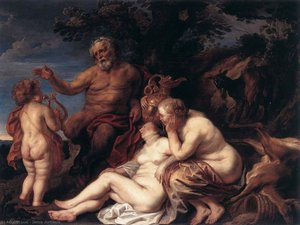
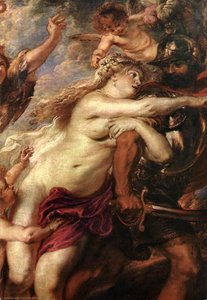
In the grand, swirling theater of the seventeenth century, few masters could capture the raw, muscular energy of myth as effectively as Jacob Jordaens. His masterpiece, "Neptune Creating the Horse," serves as a breathtaking window into the heart of the Flemish Baroque, where the boundaries between the divine and the earthly dissolve in a spray of celestial motion. The painting captures a pivotal moment of cosmic manufacture: Neptune, the formidable Roman god of the sea, commanding the elements to breathe life into a majestic equine form. This is not merely a depiction of a myth; it is an exploration of power, vitality, and the very act of creation itself.
The composition is a masterclass in Baroque dynamism. Jordaens directs the viewer's eye through a chaotic yet meticulously balanced arrangement of figures. As Neptune exerts his will, he is surrounded by a sea of movement—a swirling assembly of naked figures that range from the ethereal grace of cherubs to more shadowed, almost demonic entities. This juxtaposition creates a profound tension, suggesting that the act of creation is both a beautiful and a turbulent process, fraught with the struggle between light and dark, order and chaos.
The Mastery of Flesh and Form
Technically, the work showcases Jordaens’ unparalleled ability to render texture and weight. Unlike some of his contemporaries who favored a more polished, idealized finish, Jordaens embraced an earthy, robust realism that makes every muscle fiber and droplet of sea spray feel tangible. The artist utilizes a rich, warm palette that breathes life into the skin tones of the surrounding figures, contrasting them against the powerful, sculptural presence of the horse. The light does not merely illuminate the scene; it sculpts it, carving out the anatomy of the creatures and adding a sense of three-dimensional depth that pulls the observer directly into the center of the tempest.
For the discerning collector or interior designer, this piece offers more than just visual splendor; it provides a profound emotional anchor. The sheer scale and intensity of the brushwork evoke a sense of awe and drama, making it an ideal centerpiece for spaces designed to inspire conversation and reflection. Whether placed in a grand gallery or a sophisticated private study, the painting’s rhythmic energy and historical gravity command attention, offering a timeless connection to the era of the great Flemish masters.
A Legacy of Vitality and Grandeur
To possess a reproduction of such a work is to invite the spirit of the Antwerp Golden Age into one's surroundings. Jordaens, a contemporary of Rubens, carved out a unique niche by celebrating life’s abundance and the visceral reality of existence. In "Neptune Creating the Horse," we see the pinnacle of this philosophy—a celebration of life being forged from the elements. The painting remains a testament to the enduring power of mythological storytelling, rendered with a tactile brilliance that continues to captivate the modern eye, promising an atmosphere of unparalleled prestige and artistic depth.
Ähnliche Kunstwerke
Über den Künstler
Frühe Jahre und Ausbildung
Jacob Jordaens, ein bedeutender flämischer Maler, wurde am 19. Mai 1593 in Antwerpen, Belgien, geboren. Er war der erste von elf Kindern von Jacob Jordaens Sr., einem wohlhabenden Leinenhändler, und Barbara van Wolschaten. Über Jordans frühe Bildung ist wenig bekannt, aber es kann davon ausgegangen werden, dass er die Vorteile einer für Kinder seines Standes üblichen Ausbildung genoss.Künstlerische Einflüsse und Stil
Jordaens wurde von norditalienischen Malern wie Jacopo Bassano, Paolo Veronese und Caravaggio beeinflusst. Seine Arbeit ist durch eine Tendenz zu größerem Realismus, das Überfüllen seiner Kompositionen und eine Vorliebe für das Burleske gekennzeichnet. Jordans Stil unterscheidet sich von seinen Zeitgenossen durch seine Verwendung einer warmen Palette, des Naturalismus und der Beherrschung von Chiaroscuro und Tenebrismus.Bedeutende Werke und Aufträge
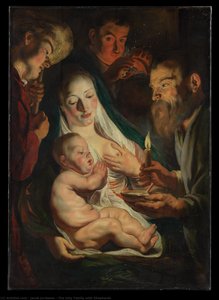
- Die Anbetung der Hirten (Öl auf Leinwand, 205 x 269 cm), ein Gemälde, das Jordans Fähigkeit zeigt, die Essenz menschlicher Erfahrung einzufangen.
- Argus und Merkur (Barock, Öl), ein Werk, das seine Beherrschung des Barockstils demonstriert.
Entwicklung und Vermächtnis
Jordaens etablierte sich als einer der führenden Maler Flanderns nach dem Tod von Peter Paul Rubens im Jahr 1640. Er war bis zu seinem Tod Antwerpen's angesehenster Figurenmaler. Sein Studio florierte, und er assistierte häufig Rubens. Jordans Bedeutung zeigt sich in der Anzahl seiner Schüler; die Zunft des St. Lukas verzeichnet zwischen 1621 und 1667 fünfzehn offizielle Schüler. Seine Arbeit beeinflusste Jan Steen, und seine klassisch inspirierten Bauernmotive haben einen bleibenden Einfluss auf die Kunstwelt gehabt. Jordans Stil entwickelte sich im Laufe der Jahre weiter, wobei er zunächst von Rubens' dynamischeren Ansatz beeinflusst war, später aber seinen eigenen, realistischeren und detailreicheren Stil entwickelte. Seine späten Werke zeichnen sich durch eine größere Zurückhaltung und kühlere Farben aus.Museen und Sammlungen
- Das Museum Huis ten Bosch (Den Haag, Niederlande) - ein umfassender Leitfaden: https://ArtsDot.com/@@/a@d3b6sx-the-museum-huis-ten-bosch-(the-hague-netherlands)-a-comprehensive-guide
- Kunstgalerie Südaustralien (Adelaide, Australien) - mit einem Gemälde von Sir Anthony van Dyck: https://ArtsDot.com/@@/d4cl9h-sir-anthony-van-dyck-a-married-couple
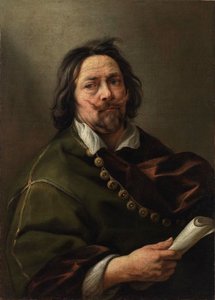
Jakob Jordaens
1593 - 1678 , Belgien
Kurzinfos
- Bemerkenswerte Werke:
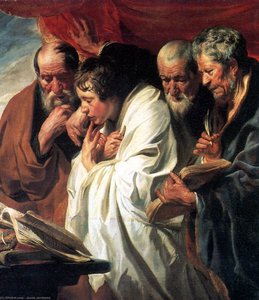
- Die Vier Evangelisten
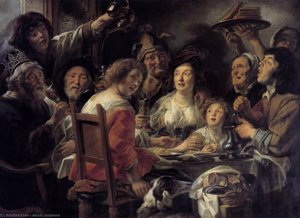
- Das Lustspiel des Bacchus
- Weintrauben in einem Korb
- Geburtsdatum: 19. Mai 1593
- Geburtsort (Stadt, Land): Antwerpen, Belgien
- Künstler, Die Diesen Künstler Beeinflussten:
- Jacopo Bassano
- Paolo Veronese
- Caravaggio
- Künstlerische Bewegung/Stil: Barock
- Nationalität: Belgisch
- Sterbedatum: 1678
- Vollständiger Name: Jacob Jordaens
- Von Diesem Künstler Beeinflusste Künstler/Bewegungen: ['Jan Steen']
Ähnliche Artikel

The Dramatic Flourish: Exploring the Baroque Movement's Enduring Legacy in Art History
Explore the dramatic world of Baroque art! Discover iconic artists like Caravaggio & Rubens, defining techniques, and its lasting impact on art history. Expert insights for collectors & enthusiasts at ArtsDot.

The Visceral Stage: Exploring Dramatic Narratives & Emotional Intensity in Baroque Art
Explore the dramatic world of Baroque art! Discover iconic masters like Caravaggio & Rembrandt, their techniques, and the movement's lasting impact. Expert insights for collectors & enthusiasts at ArtsDot.
The Dramatic Flourish: Exploring Baroque Painting's Emotional Intensity & Artistic Innovations
Explore the dramatic world of Baroque painting! Discover its history, defining characteristics, iconic artists like Caravaggio & Rubens, and lasting influence on Western art. Expert insights for collectors.
The Noble Steed on Canvas: A Historical & Artistic Exploration of Horse Painting Across Cultures
Explore the rich history of horse painting! Discover masterpieces from Stubbs to Munnings & learn about symbolism, techniques & artists. Find museum-quality reproductions at ArtsDot.
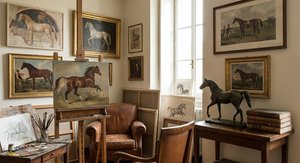
The Equine Muse: A Historical & Artistic Exploration of Horses in Painting
Explore the captivating history of horses in painting! Discover Renaissance masterpieces, Baroque grandeur & expert insights for collecting equestrian art. Learn about symbolism, techniques & lasting value with ArtsDot.