 Vorschau anzeigen
 Versenden
 Teilen
 Details anzeigen

 Herunterladen
 Ähnliche Objekte
 Röntgenaufnahme
 Diashow
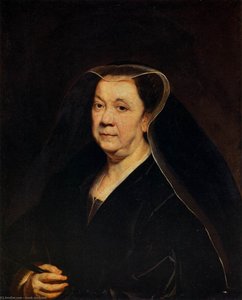
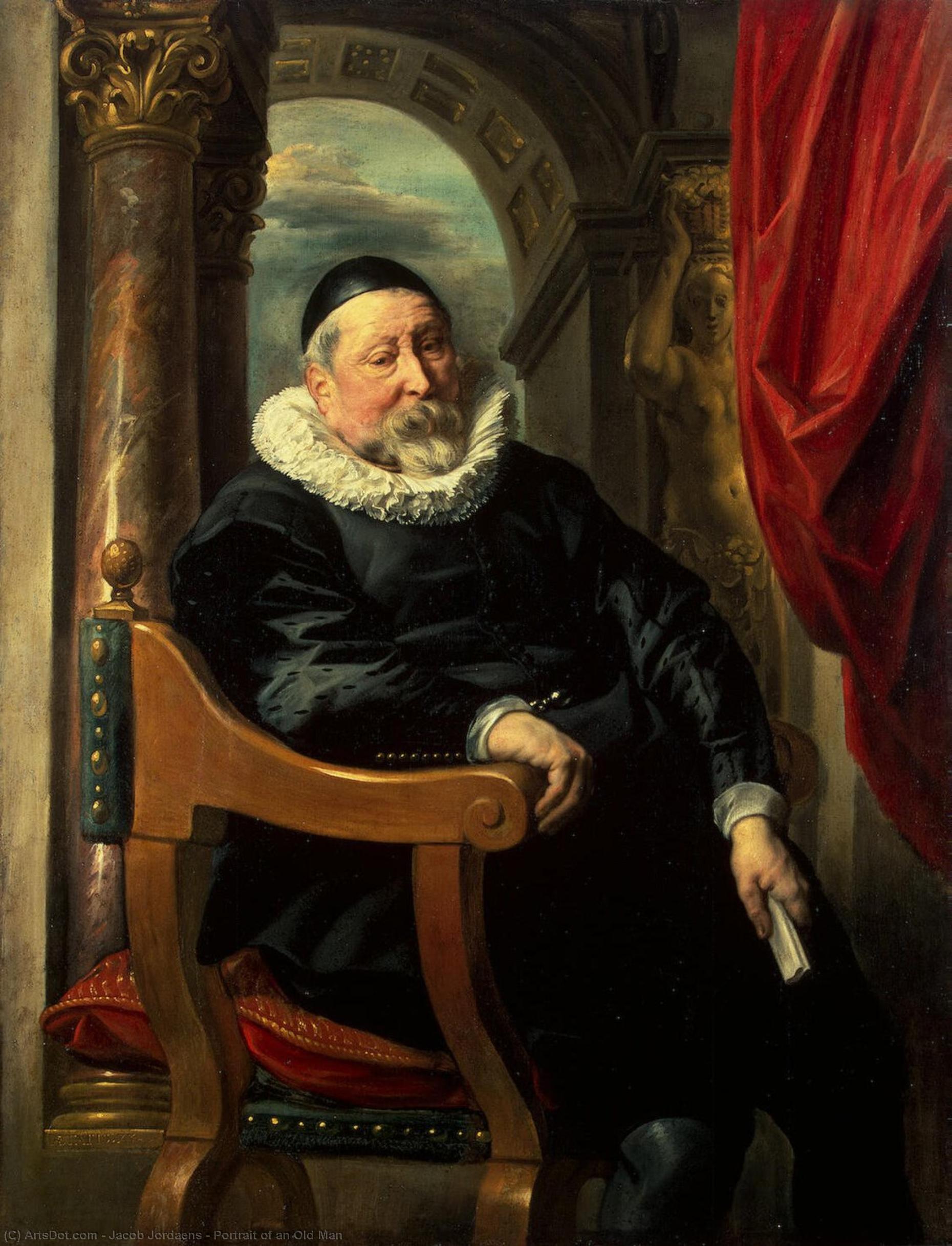
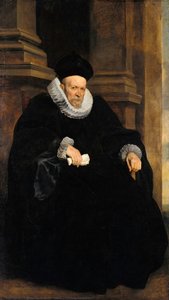
Portrait of an Old Man
 Acrylic On Canvas
- WallArt
- Baroque
 1637
1637 154.0 x 119.0 cm
 Eremitage Museum
 Weiterlesen
Handgefertigte Ölreproduktion
Handgemaltes Ölgemälde auf Leinwand in Ihrer Wunschgröße und mit Rahmen, auf Bestellung von unseren Künstlern angefertigt. ( Druck bestellen Bild kaufen)




P118B $10

P118H $10

P118W $10

P438Z $10

P508JH $12

P508YH $12

P805H $10

P805Z $10

P919BZ $10

P919G $10

P919XJ $10

P959ZH $10

P968JZ $12

W106C $8

W218G $10

W218JH $8

W218Y $10

W307PJ $10

W316G $10

W316PJ $8

W316Y $10

W398PJ $8

W4111J $10

W500HY $15

W500JH $15

W692G $12

W849H $8

W940BG $15

W953PJ $8




Wählen Sie aus unseren vordefinierten Formaten, die den ursprünglichen Proportionen des Kunstwerks entsprechen.

Sie können Ihre eigenen Maße eingeben, um einen bestimmten Rahmen oder Platz auszufüllen. Wenn die gewählte Größe nicht den Proportionen des Originalbildes entspricht, werden wir das Kunstwerk entweder beschneiden oder das Gemälde durch zusätzliche, handgemalte Elemente erweitern. Ein digitales Mockup wird Ihnen zur Genehmigung zugesandt, bevor die Produktion beginnt.
Bitte beachten Sie, dass die Bildschirmvorschau nicht die tatsächliche Beschneidung oder Erweiterung widerspiegelt. Nur das Mockup zeigt die endgültige Komposition exakt an.
Obwohl Sondermaße verfügbar sind, empfehlen wir, eine Größe aus der vordefinierten Liste zu wählen, um die ursprünglichen Proportionen beizubehalten.
Nach der Bestellung wird das ArtsDot.com-Team dem Kunden Anweisungen per E-Mail zusenden und eine Mockup-Vorschau bereitstellen.
Weltweiter Versand () in nur 3 bis 4 Wochen statt der üblichen 5 Wochen. (22 August). Keine Kompromisse bei der Qualität.

Kostenloser weltweiter Expressversand

Hochwertige Leinenleinwand

Umfassender Versicherungsschutz beim Versand

Zollgebühren-Rückerstattungsgarantie

Garantie für exakte Farbtreue

60 Tage Rückgaberecht (nur bei Mängeln)

100% Geld-zurück-Garantie

Mengenrabatt verfügbar
 Die Glasoption ist nur für Größen unter 110 cm verfügbar.

Portrait of an Old Man
Art der Reproduktion
Format der Reproduktion
-


Gesamtpreis
$ 263
Beschreibung des Kunstwerks
Portrait of an Old Man – A Study in Flemish Baroque
Jacob Jordaens’ “Portrait of an Old Man,” painted circa 1637, isn't merely a depiction of a senior gentleman; it’s a profound meditation on age, wisdom, and the quiet dignity of experience. Rooted firmly within the vibrant artistic landscape of Antwerp during the Dutch Golden Age, this painting exemplifies the burgeoning Baroque style while simultaneously retaining a distinctly humanistic sensibility rarely found in formal portraits of the era. Jordaens, a master known for his dynamic compositions and earthy realism, eschews the idealized representations favored by some of his contemporaries, opting instead to present an honest, almost unflinching view of an aging man – a choice that speaks volumes about his artistic vision.
The painting immediately draws the eye to its subject: a man whose face bears the unmistakable marks of time. Deep wrinkles etch themselves across his brow and cheeks, framing eyes that hold both a hint of sadness and a spark of intelligence. He’s dressed in a rich, dark suit, indicative of his status within society, yet there's no attempt to mask or soften these signs of age. Instead, Jordaens embraces them, imbuing the portrait with an undeniable sense of gravitas. The setting is equally significant; a modestly furnished interior – a chair draped with a crimson cushion, a curtain hinting at a larger room beyond – provides a grounding element, anchoring the figure within a domestic space and suggesting a life lived fully.
The Painter’s Technique: A Masterclass in Light and Shadow
Jordaens' skill lies not just in his ability to capture likeness but also in his masterful manipulation of light and shadow – a hallmark of Baroque painting. He employs *chiaroscuro* with remarkable precision, creating dramatic contrasts that sculpt the subject’s features and imbue the scene with depth and atmosphere. The strong directional lighting highlights the wrinkles on the man's face, emphasizing their texture and adding to the portrait’s emotional impact. Notice how the light catches the folds of his clothing, revealing intricate details and contributing to a sense of tactile realism. The use of muted colors – predominantly browns, reds, and creams – further enhances the painting’s somber yet dignified mood.
Furthermore, Jordaens demonstrates an impressive understanding of texture. The velvet cushion beneath the man's seat is rendered with meticulous detail, while the fabric of his suit appears subtly draped and worn. These small touches contribute to a sense of authenticity, inviting the viewer to imagine the feel and weight of the objects depicted. The artist’s attention to detail extends beyond mere representation; it’s an attempt to evoke a sensory experience for the observer.
Historical Context: Antwerp's Artistic Flourishing
To understand “Portrait of an Old Man,” one must appreciate the artistic climate of Antwerp in the 17th century. The city was a thriving center of commerce and culture, attracting artists from across Europe and fostering a remarkably diverse and innovative art scene. Jordaens benefited immensely from this environment, learning from masters like Adam van Noort (who was also Rubens’s pupil) and absorbing influences from both Flemish and Italian painting. The rise of the bourgeoisie during this period fueled demand for portraits – not just of royalty and nobility, but also of wealthy merchants and professionals.
Jordaens' work reflects this shift in patronage. Unlike the grand, courtly portraits favored by Rubens and Van Dyck, his paintings often depict ordinary people engaged in everyday activities. “Portrait of an Old Man” is a prime example of this trend – it’s not a celebration of power or status, but rather a quiet contemplation of human existence. The painting's subject matter—an elderly man—was considered less prestigious than that of younger subjects, yet Jordaens elevated the portrait to a level of profound emotional resonance.
Symbolism and Emotional Resonance
Beyond its technical brilliance, “Portrait of an Old Man” is rich in symbolic meaning. The presence of two books – one near the bottom right corner and another closer to the center-right – suggests a life filled with learning and contemplation. The red cushion beneath the man’s chair symbolizes comfort and perhaps even indulgence, hinting at a life of relative ease. However, the overall mood is undeniably melancholic, reflecting the inevitable passage of time and the acceptance of mortality.
Jordaens' portrait isn't simply a likeness; it’s an invitation to reflect on our own aging process and the wisdom that comes with experience. It’s a poignant reminder that beauty can be found not just in youth, but also in the lines etched upon a face by time – lines that tell a story of a life well-lived. Reproductions of this powerful work capture much of its original impact, offering a timeless glimpse into the human condition.
Ähnliche Kunstwerke
Über den Künstler
Frühe Jahre und Ausbildung
Jacob Jordaens, ein bedeutender flämischer Maler, wurde am 19. Mai 1593 in Antwerpen, Belgien, geboren. Er war der erste von elf Kindern von Jacob Jordaens Sr., einem wohlhabenden Leinenhändler, und Barbara van Wolschaten. Über Jordans frühe Bildung ist wenig bekannt, aber es kann davon ausgegangen werden, dass er die Vorteile einer für Kinder seines Standes üblichen Ausbildung genoss.Künstlerische Einflüsse und Stil
Jordaens wurde von norditalienischen Malern wie Jacopo Bassano, Paolo Veronese und Caravaggio beeinflusst. Seine Arbeit ist durch eine Tendenz zu größerem Realismus, das Überfüllen seiner Kompositionen und eine Vorliebe für das Burleske gekennzeichnet. Jordans Stil unterscheidet sich von seinen Zeitgenossen durch seine Verwendung einer warmen Palette, des Naturalismus und der Beherrschung von Chiaroscuro und Tenebrismus.Bedeutende Werke und Aufträge
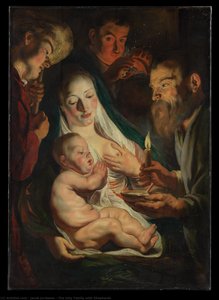
- Die Anbetung der Hirten (Öl auf Leinwand, 205 x 269 cm), ein Gemälde, das Jordans Fähigkeit zeigt, die Essenz menschlicher Erfahrung einzufangen.
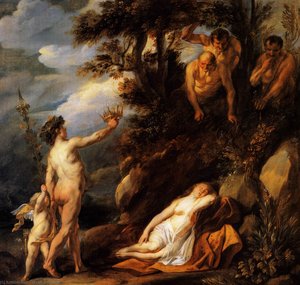
- Argus und Merkur (Barock, Öl), ein Werk, das seine Beherrschung des Barockstils demonstriert.
Entwicklung und Vermächtnis
Jordaens etablierte sich als einer der führenden Maler Flanderns nach dem Tod von Peter Paul Rubens im Jahr 1640. Er war bis zu seinem Tod Antwerpen's angesehenster Figurenmaler. Sein Studio florierte, und er assistierte häufig Rubens. Jordans Bedeutung zeigt sich in der Anzahl seiner Schüler; die Zunft des St. Lukas verzeichnet zwischen 1621 und 1667 fünfzehn offizielle Schüler. Seine Arbeit beeinflusste Jan Steen, und seine klassisch inspirierten Bauernmotive haben einen bleibenden Einfluss auf die Kunstwelt gehabt. Jordans Stil entwickelte sich im Laufe der Jahre weiter, wobei er zunächst von Rubens' dynamischeren Ansatz beeinflusst war, später aber seinen eigenen, realistischeren und detailreicheren Stil entwickelte. Seine späten Werke zeichnen sich durch eine größere Zurückhaltung und kühlere Farben aus.Museen und Sammlungen
- Das Museum Huis ten Bosch (Den Haag, Niederlande) - ein umfassender Leitfaden: https://ArtsDot.com/@@/a@d3b6sx-the-museum-huis-ten-bosch-(the-hague-netherlands)-a-comprehensive-guide
- Kunstgalerie Südaustralien (Adelaide, Australien) - mit einem Gemälde von Sir Anthony van Dyck: https://ArtsDot.com/@@/d4cl9h-sir-anthony-van-dyck-a-married-couple
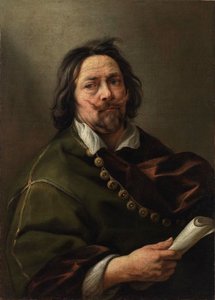
Jakob Jordaens
1593 - 1678 , Belgien
Kurzinfos
- Bemerkenswerte Werke:
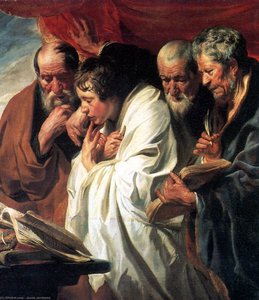
- Die Vier Evangelisten
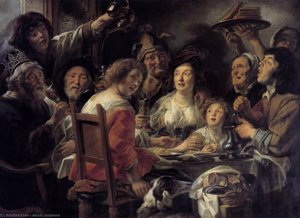
- Das Lustspiel des Bacchus
- Weintrauben in einem Korb
- Geburtsdatum: 19. Mai 1593
- Geburtsort (Stadt, Land): Antwerpen, Belgien
- Künstler, Die Diesen Künstler Beeinflussten:
- Jacopo Bassano
- Paolo Veronese
- Caravaggio
- Künstlerische Bewegung/Stil: Barock
- Nationalität: Belgisch
- Sterbedatum: 1678
- Vollständiger Name: Jacob Jordaens
- Von Diesem Künstler Beeinflusste Künstler/Bewegungen: ['Jan Steen']
Ähnliche Artikel
Jacob Jordaens: Barocke Dynamik und Genre-Innovation der Antwerpener Schule
Entdecken Sie das faszinierende Werk von Jacob Jordaens, einem Meister der Barockmalerei! Erfahren Sie mehr über seine Genre-Szenen, religiösen Gemälde und seinen Einfluss auf die Antwerpener Schule. Jetzt lesen!

Barocke Pracht: Wie Sie Opulenz und Emotionen in zeitgenössische Innenräume bringen
Entdecken Sie die Pracht des Barock! Expertenratgeber für luxuriöse Innenräume mit barocken Elementen. Inspiration, Tipps & hochwertige Kunst bei .

The Dramatic Flourish: Exploring the Baroque Movement's Enduring Legacy in Art History
Explore the dramatic world of Baroque art! Discover iconic artists like Caravaggio & Rubens, defining techniques, and its lasting impact on art history. Expert insights for collectors & enthusiasts at ArtsDot.

The Visceral Stage: Exploring Dramatic Narratives & Emotional Intensity in Baroque Art
Explore the dramatic world of Baroque art! Discover iconic masters like Caravaggio & Rembrandt, their techniques, and the movement's lasting impact. Expert insights for collectors & enthusiasts at ArtsDot.

Barock Meisterwerke: Die 10 prägendsten Kunstwerke für Ihr Zuhause |
Entdecken Sie die 10 prägendsten Meisterwerke des Barock! Caravaggio, Rembrandt & Co. – Erfahren Sie die Geschichten hinter ikonischen Gemälde und finden Sie hochwertige Kunst Reproduktionen für Ihr Zuhause auf .