 Vorschau anzeigen
 Versenden
 Teilen
 Details anzeigen

 Herunterladen
 Ähnliche Objekte
 Röntgenaufnahme
 Diashow
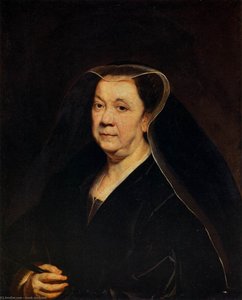
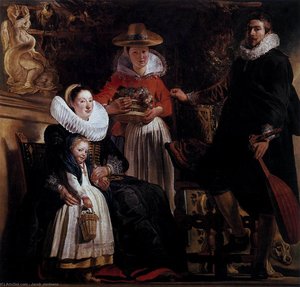
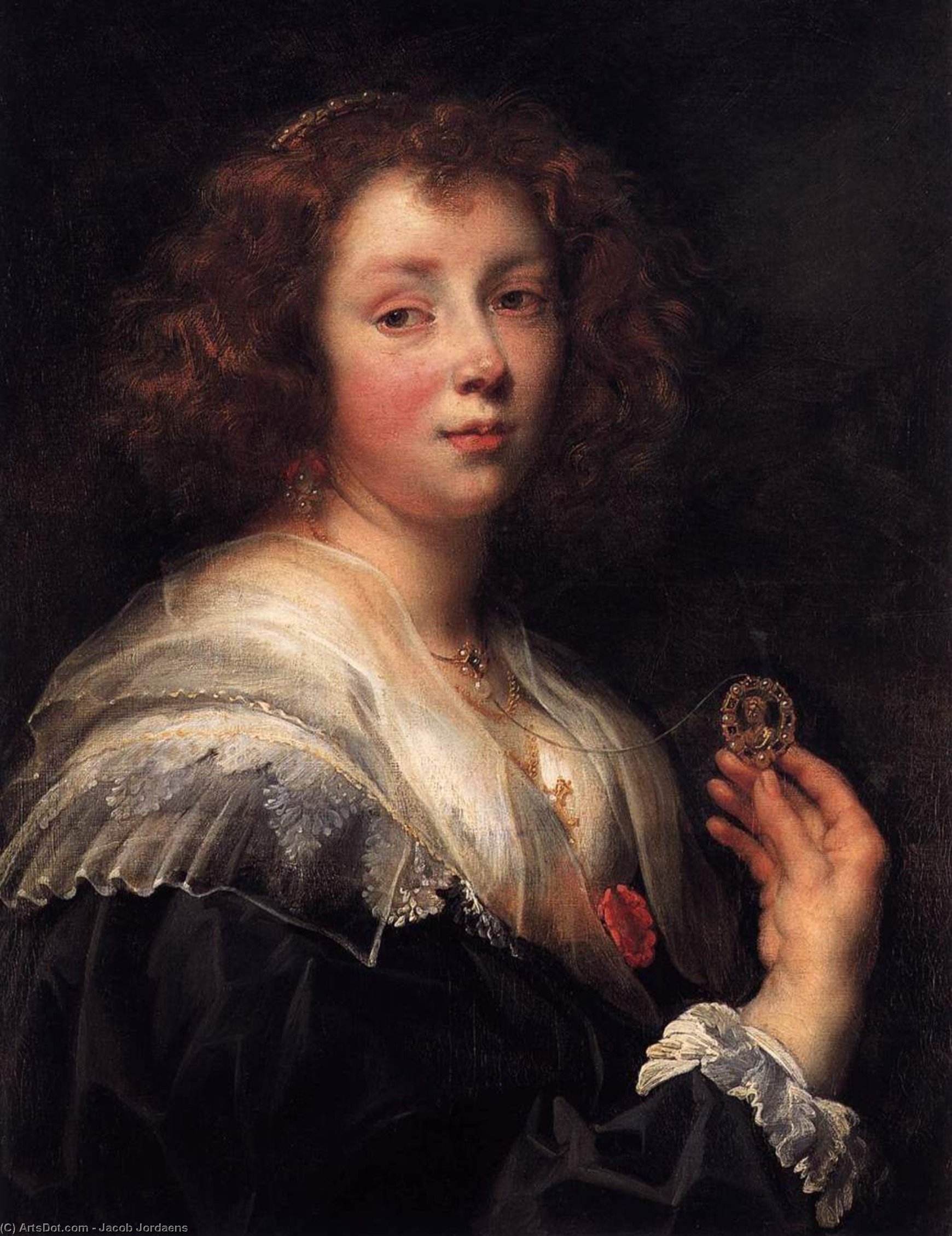
Portrait of the Artist's Daughter Elizabeth
 Acrylic On Canvas
- WallArt
- Baroque
 1637
1637 75.0 x 55.0 cm
 Akademie der bildenden Künste Wien
 Weiterlesen
Handgefertigte Ölreproduktion
Handgemaltes Ölgemälde auf Leinwand in Ihrer Wunschgröße und mit Rahmen, auf Bestellung von unseren Künstlern angefertigt. ( Druck bestellen Bild kaufen)




P118B $10

P118H $10

P118W $10

P438Z $10

P508JH $12

P508YH $12

P805H $10

P805Z $10

P919BZ $10

P919G $10

P919XJ $10

P959ZH $10

P968JZ $12

W106C $8

W218G $10

W218JH $8

W218Y $10

W307PJ $10

W316G $10

W316PJ $8

W316Y $10

W398PJ $8

W4111J $10

W500HY $15

W500JH $15

W692G $12

W849H $8

W940BG $15

W953PJ $8




Wählen Sie aus unseren vordefinierten Formaten, die den ursprünglichen Proportionen des Kunstwerks entsprechen.

Sie können Ihre eigenen Maße eingeben, um einen bestimmten Rahmen oder Platz auszufüllen. Wenn die gewählte Größe nicht den Proportionen des Originalbildes entspricht, werden wir das Kunstwerk entweder beschneiden oder das Gemälde durch zusätzliche, handgemalte Elemente erweitern. Ein digitales Mockup wird Ihnen zur Genehmigung zugesandt, bevor die Produktion beginnt.
Bitte beachten Sie, dass die Bildschirmvorschau nicht die tatsächliche Beschneidung oder Erweiterung widerspiegelt. Nur das Mockup zeigt die endgültige Komposition exakt an.
Obwohl Sondermaße verfügbar sind, empfehlen wir, eine Größe aus der vordefinierten Liste zu wählen, um die ursprünglichen Proportionen beizubehalten.
Nach der Bestellung wird das ArtsDot.com-Team dem Kunden Anweisungen per E-Mail zusenden und eine Mockup-Vorschau bereitstellen.
Weltweiter Versand () in nur 3 bis 4 Wochen statt der üblichen 5 Wochen. (3 September). Keine Kompromisse bei der Qualität.

Kostenloser weltweiter Expressversand

Hochwertige Leinenleinwand

Umfassender Versicherungsschutz beim Versand

Zollgebühren-Rückerstattungsgarantie

Garantie für exakte Farbtreue

60 Tage Rückgaberecht (nur bei Mängeln)

100% Geld-zurück-Garantie

Mengenrabatt verfügbar
 Die Glasoption ist nur für Größen unter 110 cm verfügbar.

Portrait of the Artist's Daughter Elizabeth
Art der Reproduktion
Format der Reproduktion
-


Gesamtpreis
$ 263
Portrait of the Artist’s Daughter Elizabeth – A Viennese Jewel
Jacob Jordaens' "Portrait of the Artist’s Daughter Elizabeth," painted in 1640, isn’t merely a likeness; it’s a carefully constructed tableau brimming with symbolic resonance and a palpable sense of quiet dignity. This captivating work, housed within the confines of a private collection, offers a rare glimpse into the domestic life of a prominent Antwerp family during a pivotal era in Flemish art. Jordaens, known for his vibrant depictions of everyday scenes and his masterful command of light and shadow, here presents Elizabeth, around twenty years old, not as a passive subject but as an active participant within her own narrative.
The painting immediately draws the eye to Elizabeth’s face – a study in serene composure. Her gaze, subtly directed towards the viewer, conveys both intelligence and a hint of melancholy. The delicate rendering of her features—the slight tilt of her head, the subtle curve of her lips—reveals an artist deeply attuned to capturing the nuances of human expression. Her attire, a simple yet elegant black dress, speaks volumes about her social standing and the prevailing fashion of the time. The inclusion of a piece of jewelry, likely a brooch or pendant, adds a touch of opulence without overwhelming the overall composition.
A Master’s Technique – Light, Shadow, and Composition
Jordaens' skill lies not just in his ability to reproduce a likeness but in his masterful manipulation of light and shadow. He employs a technique known as *chiaroscuro*, dramatically contrasting areas of illumination with deep shadows, creating a sense of depth and volume that brings the portrait to life. The soft glow emanating from Elizabeth’s face highlights her features while simultaneously enveloping the background in a gentle haze. This interplay of light and dark not only enhances the realism of the painting but also contributes significantly to its emotional impact.
The composition itself is carefully considered. Jordaens utilizes a pyramidal structure, with Elizabeth as the central focal point, drawing the viewer’s eye directly to her face. The background, featuring a wall adorned with a clock and a subtle suggestion of a window, provides context without distracting from the primary subject. Note the meticulous detail in the rendering of the architectural elements – a testament to Jordaens' attention to accuracy and his understanding of perspective.
Historical Context & Symbolism
Painted in 1640, “Portrait of the Artist’s Daughter Elizabeth” reflects the burgeoning artistic landscape of Antwerp during the Dutch Golden Age. Jordaens was a leading figure within the city's vibrant art scene, known for his ability to capture both the grandeur and the intimacy of everyday life. The portrait also speaks to the social dynamics of the time – the importance of family, wealth, and status. Elizabeth’s youth and beauty were undoubtedly valued assets within her family.
The inclusion of the clock in the background is particularly significant. Clocks were symbols of time, order, and control—values highly prized by the wealthy elite. It subtly reinforces Elizabeth's position as a member of a respected household. The subtle suggestion of a window hints at a world beyond the confines of the domestic sphere, perhaps alluding to her future role within society.
A Legacy – Research & Inspiration
Numerous resources illuminate Jordaens’ life and work, offering deeper insights into this captivating portrait. The Web Gallery of Art (
The portrait stands as a testament to Jordaens' artistic skill and his ability to capture not just a likeness but also the essence of human character. It is a poignant reminder of a bygone era and a captivating window into the lives of those who shaped it.
Ähnliche Kunstwerke
Über den Künstler
Frühe Jahre und Ausbildung
Jacob Jordaens, ein bedeutender flämischer Maler, wurde am 19. Mai 1593 in Antwerpen, Belgien, geboren. Er war der erste von elf Kindern von Jacob Jordaens Sr., einem wohlhabenden Leinenhändler, und Barbara van Wolschaten. Über Jordans frühe Bildung ist wenig bekannt, aber es kann davon ausgegangen werden, dass er die Vorteile einer für Kinder seines Standes üblichen Ausbildung genoss.Künstlerische Einflüsse und Stil
Jordaens wurde von norditalienischen Malern wie Jacopo Bassano, Paolo Veronese und Caravaggio beeinflusst. Seine Arbeit ist durch eine Tendenz zu größerem Realismus, das Überfüllen seiner Kompositionen und eine Vorliebe für das Burleske gekennzeichnet. Jordans Stil unterscheidet sich von seinen Zeitgenossen durch seine Verwendung einer warmen Palette, des Naturalismus und der Beherrschung von Chiaroscuro und Tenebrismus.Bedeutende Werke und Aufträge
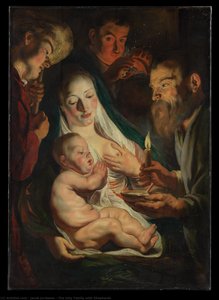
- Die Anbetung der Hirten (Öl auf Leinwand, 205 x 269 cm), ein Gemälde, das Jordans Fähigkeit zeigt, die Essenz menschlicher Erfahrung einzufangen.
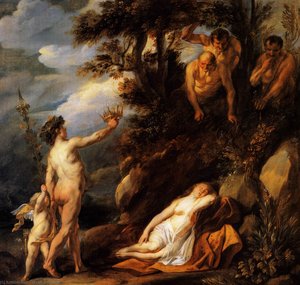
- Argus und Merkur (Barock, Öl), ein Werk, das seine Beherrschung des Barockstils demonstriert.
Entwicklung und Vermächtnis
Jordaens etablierte sich als einer der führenden Maler Flanderns nach dem Tod von Peter Paul Rubens im Jahr 1640. Er war bis zu seinem Tod Antwerpen's angesehenster Figurenmaler. Sein Studio florierte, und er assistierte häufig Rubens. Jordans Bedeutung zeigt sich in der Anzahl seiner Schüler; die Zunft des St. Lukas verzeichnet zwischen 1621 und 1667 fünfzehn offizielle Schüler. Seine Arbeit beeinflusste Jan Steen, und seine klassisch inspirierten Bauernmotive haben einen bleibenden Einfluss auf die Kunstwelt gehabt. Jordans Stil entwickelte sich im Laufe der Jahre weiter, wobei er zunächst von Rubens' dynamischeren Ansatz beeinflusst war, später aber seinen eigenen, realistischeren und detailreicheren Stil entwickelte. Seine späten Werke zeichnen sich durch eine größere Zurückhaltung und kühlere Farben aus.Museen und Sammlungen
- Das Museum Huis ten Bosch (Den Haag, Niederlande) - ein umfassender Leitfaden: https://ArtsDot.com/@@/a@d3b6sx-the-museum-huis-ten-bosch-(the-hague-netherlands)-a-comprehensive-guide
- Kunstgalerie Südaustralien (Adelaide, Australien) - mit einem Gemälde von Sir Anthony van Dyck: https://ArtsDot.com/@@/d4cl9h-sir-anthony-van-dyck-a-married-couple
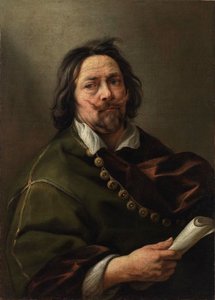
Jakob Jordaens
1593 - 1678 , Belgien
Kurzinfos
- Bemerkenswerte Werke:
- Die Vier Evangelisten
- Das Lustspiel des Bacchus
- Weintrauben in einem Korb
- Geburtsdatum: 19. Mai 1593
- Geburtsort (Stadt, Land): Antwerpen, Belgien
- Künstler, Die Diesen Künstler Beeinflussten:
- Jacopo Bassano
- Paolo Veronese
- Caravaggio
- Künstlerische Bewegung/Stil: Barock
- Nationalität: Belgisch
- Sterbedatum: 1678
- Vollständiger Name: Jacob Jordaens
- Von Diesem Künstler Beeinflusste Künstler/Bewegungen: ['Jan Steen']
Ähnliche Artikel
Gustav Klimt: Die 25 Meisterwerke des Wiener Jugendstils | ArtsDot
Entdecken Sie die 25 ikonischsten Gemälde von Gustav Klimt! Tauchen Sie ein in die Welt der Wiener Secession, des Jugendstils und der goldenen Phase. Hochwertige Reproduktionen & Inspiration für Ihr Zuhause auf ArtsDot.com.
Art Nouveau Meisterwerke: Die 10 prägendsten Kunstwerke für Ihr Zuhause |
Entdecken Sie die 10 prägendsten Art Nouveau Meisterwerke! Von Mucha bis Klimt – erfahren Sie die Geschichten hinter ikonischen Gemälde & dekorativer Kunst. Hochwertige Kunstdrucke online kaufen auf
The Grandeur of Baroque Portraiture: Power, Emotion & Artistic Innovation
Explore the grandeur of Baroque portraiture! Discover Rubens, Van Dyck & the masters of 17th-century art. Uncover symbolism, techniques & lasting influence. Expert insights for collectors and enthusiasts.
Gustav Klimt: Eine goldene Ära der Sinnlichkeit und Symbolik in der Wiener Kunst
Entdecken Sie Gustav Klimts faszinierende Welt! Erfahren Sie mehr über die Wiener Secession, seine sinnlichen Porträts und die 'Goldene Phase'. Expertenwissen & hochwertige Reproduktionen auf ArtsDot.

Barock Meisterwerke: Die 10 prägendsten Kunstwerke für Ihr Zuhause |
Entdecken Sie die 10 prägendsten Meisterwerke des Barock! Caravaggio, Rembrandt & Co. – Erfahren Sie die Geschichten hinter ikonischen Gemälde und finden Sie hochwertige Kunst Reproduktionen für Ihr Zuhause auf .