 Vorschau anzeigen
 Versenden
 Teilen
 Details anzeigen

 Herunterladen
 Ähnliche Objekte
 Röntgenaufnahme
 Diashow
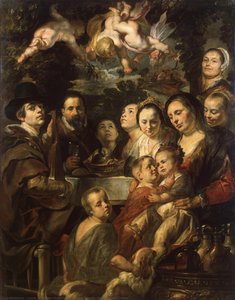
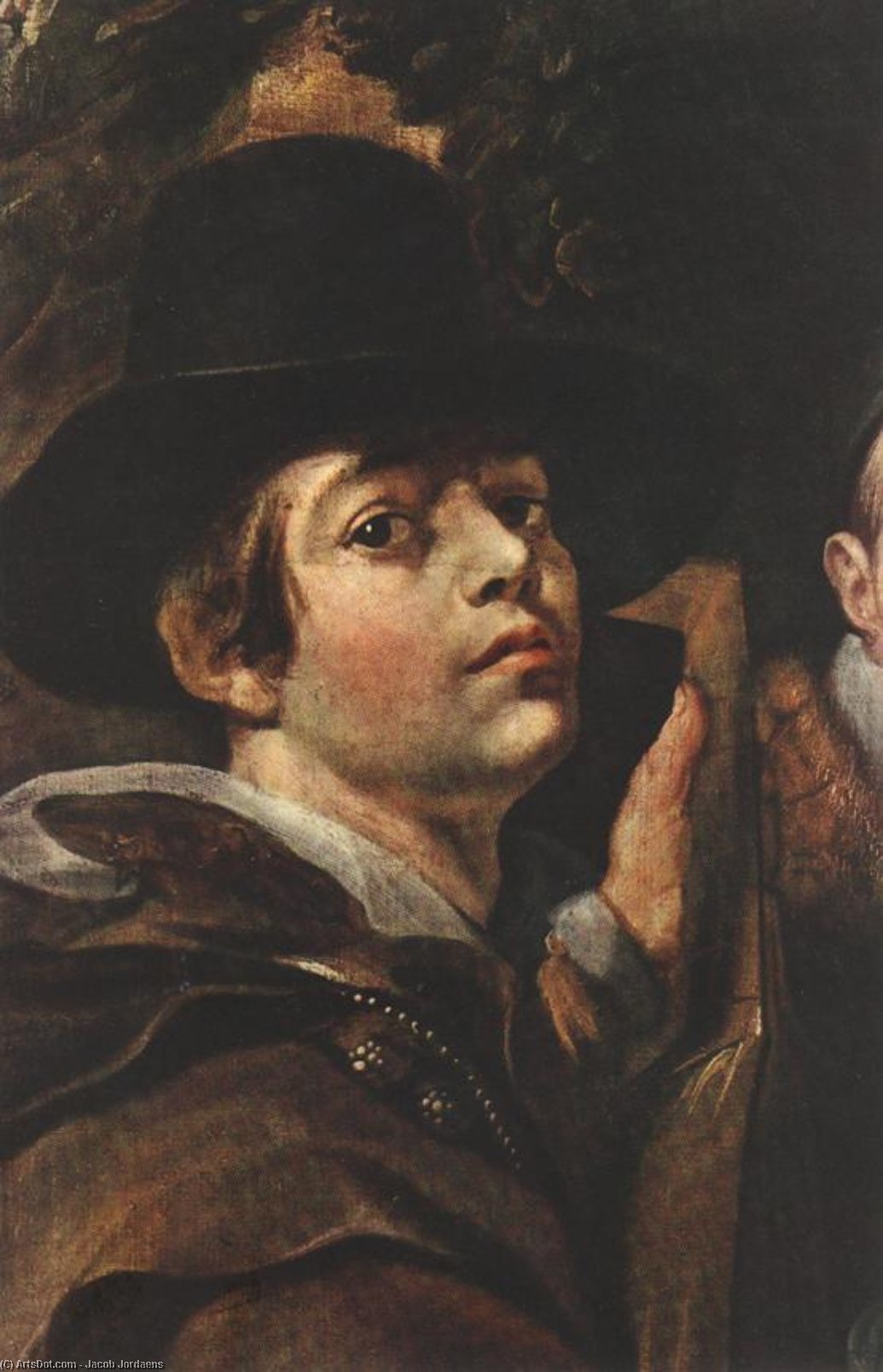
Self-Portrait among Parents, Brothers and Sisters (detail)


 Weiterlesen
Giclée / Kunstdruck
Giclée- oder Leinwanddruck in Museumsqualität mit schneller Produktion und flexiblen Veredelungsoptionen. ( Handgemalte Reproduktion bestellen Bild kaufen)




P118B $10

P118H $10

P118W $10

P438Z $10

P508JH $12

P508YH $12

P805H $10

P805Z $10

P919BZ $10

P919G $10

P919XJ $10

P959ZH $10

P968JZ $12

W106C $8

W218G $10

W218JH $8

W218Y $10

W307PJ $10

W316G $10

W316PJ $8

W316Y $10

W398PJ $8

W4111J $10

W500HY $15

W500JH $15

W692G $12

W849H $8

W940BG $15

W953PJ $8




Wählen Sie aus unseren vordefinierten Formaten, die den ursprünglichen Proportionen des Kunstwerks entsprechen.

Sie können Ihre eigenen Maße eingeben, um ein bestimmtes Format oder einen speziellen Platz einzupassen. Wenn das von Ihnen gewählte Format nicht den Proportionen des Originalbildes entspricht, werden wir das Kunstwerk entweder beschneiden oder das Bild mit einem gespiegelten oder einfarbigen Rand erweitern. Ein digitaler Entwurf wird Ihnen zur Genehmigung zugesandt, bevor die Produktion beginnt.
Bitte beachten Sie, dass die Vorschau auf dem Bildschirm nicht den tatsächlichen Zuschnitt oder die Erweiterung widerspiegelt. Nur der Entwurf zeigt die endgültige Komposition präzise an.
Obwohl Sondermaße verfügbar sind, empfehlen wir die Auswahl eines Maßes aus der vordefinierten Liste, um die ursprünglichen Proportionen zu bewahren.
Weltweiter Versand () innerhalb von 2 Wochen statt der üblichen 4/5 Wochen. (2 September)

Kostenloser weltweiter Expressversand

Hochwertige Leinenleinwand

Umfassender Versicherungsschutz beim Versand

Zollgebühren-Rückerstattungsgarantie

Garantie für exakte Farbtreue

60 Tage Rückgaberecht (nur bei Mängeln)

100% Geld-zurück-Garantie

Mengenrabatt verfügbar
 Die Glasoption ist nur für Größen unter 110 cm verfügbar.

Self-Portrait among Parents, Brothers and Sisters (detail)
Giclée / Kunstdruck
Format der Reproduktion
-


Gesamtpreis
$ 62
A Window into Domestic Tranquility
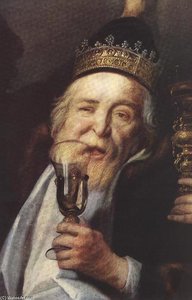
In the heart of the Flemish Baroque era, few works capture the profound intimacy of human connection as tenderly as Jacob Jordaens’ Self-Portrait among Parents, Brothers and Sisters. Created in 1615, this masterpiece serves as much more than a mere biographical record; it is a soulful exploration of identity woven into the fabric of familial love. As we gaze upon this detail, we are drawn into a moment of quiet contemplation, where the artist’s youthful face, framed by a dark, wide-brimmed hat, seems to drift between the physical presence of his kin and an internal world of thought. The painting transcends the traditional boundaries of portraiture, offering a window into a domestic life that is both grounded in reality and elevated by a sense of humanist dignity.
The emotional resonance of the piece lies in its ability to make the viewer feel like an unobserved guest at a private gathering. There is a palpable sense of melancholy mixed with peace, as Jordaens captures not just the likenesses of his family, but the very atmosphere of their shared existence. For the collector or the lover of fine art, this work offers a rare opportunity to possess a fragment of history that celebrates the enduring strength of ancestral bonds and the quiet beauty found in everyday moments.
Mastery of Light and Earthy Realism
Technically, the painting is a triumph of the Antwerp School’s distinctive approach to the Baroque aesthetic. Eschewing the overly polished and often artificial grandeur seen in Italian contemporaries, Jordaens embraced an earthy realism that feels strikingly modern. His training under masters like Adam van Noort allowed him to manipulate oil paint with extraordinary precision, creating textures that invite the eye to linger. One can almost feel the weight of the heavy black fabric of his hat and the crispness of the white collar against his skin.
The use of light is particularly masterful; a soft, naturalistic glow illuminates the subject's countenance, casting gentle shadows that lend a three-dimensional depth to the composition. This interplay of chiaroscuro does not merely serve a decorative purpose but acts as a psychological tool, highlighting the introspective gaze of the young artist. For interior designers seeking to add character to a space, such a painting provides a sophisticated focal point, bringing a sense of warmth, depth, and historical weight to any room.
A Legacy of Flemish Humanism
To understand this work is to understand the spirit of 17th-century Flanders. During this period, there was a burgeoning movement toward portraying the "honest" life—celebrating the virtues of stability, family, and the joys of the common man. Jordaens, a native of Antwerp, remained deeply rooted in his local culture, and this painting reflects that devotion. By placing himself within a tableau of parents and siblings, he elevates the domestic sphere to a subject worthy of high art, challenging the era's preference for distant mythological or religious allegories.
The symbolism within the larger composition—often featuring elements like dogs to represent loyalty or shared meals to signify prosperity—reinforces a narrative of continuity and devotion. Owning a reproduction of such a significant work allows one to surround themselves with the values of the Flemish Masters: a profound respect for heritage, an appreciation for the tactile beauty of the natural world, and a celebration of the human spirit in all its quiet, contemplative glory.
Ähnliche Kunstwerke
Über den Künstler
Frühe Jahre und Ausbildung
Jacob Jordaens, ein bedeutender flämischer Maler, wurde am 19. Mai 1593 in Antwerpen, Belgien, geboren. Er war der erste von elf Kindern von Jacob Jordaens Sr., einem wohlhabenden Leinenhändler, und Barbara van Wolschaten. Über Jordans frühe Bildung ist wenig bekannt, aber es kann davon ausgegangen werden, dass er die Vorteile einer für Kinder seines Standes üblichen Ausbildung genoss.Künstlerische Einflüsse und Stil
Jordaens wurde von norditalienischen Malern wie Jacopo Bassano, Paolo Veronese und Caravaggio beeinflusst. Seine Arbeit ist durch eine Tendenz zu größerem Realismus, das Überfüllen seiner Kompositionen und eine Vorliebe für das Burleske gekennzeichnet. Jordans Stil unterscheidet sich von seinen Zeitgenossen durch seine Verwendung einer warmen Palette, des Naturalismus und der Beherrschung von Chiaroscuro und Tenebrismus.Bedeutende Werke und Aufträge
- Die Anbetung der Hirten (Öl auf Leinwand, 205 x 269 cm), ein Gemälde, das Jordans Fähigkeit zeigt, die Essenz menschlicher Erfahrung einzufangen.
- Argus und Merkur (Barock, Öl), ein Werk, das seine Beherrschung des Barockstils demonstriert.
Entwicklung und Vermächtnis
Jordaens etablierte sich als einer der führenden Maler Flanderns nach dem Tod von Peter Paul Rubens im Jahr 1640. Er war bis zu seinem Tod Antwerpen's angesehenster Figurenmaler. Sein Studio florierte, und er assistierte häufig Rubens. Jordans Bedeutung zeigt sich in der Anzahl seiner Schüler; die Zunft des St. Lukas verzeichnet zwischen 1621 und 1667 fünfzehn offizielle Schüler. Seine Arbeit beeinflusste Jan Steen, und seine klassisch inspirierten Bauernmotive haben einen bleibenden Einfluss auf die Kunstwelt gehabt. Jordans Stil entwickelte sich im Laufe der Jahre weiter, wobei er zunächst von Rubens' dynamischeren Ansatz beeinflusst war, später aber seinen eigenen, realistischeren und detailreicheren Stil entwickelte. Seine späten Werke zeichnen sich durch eine größere Zurückhaltung und kühlere Farben aus.Museen und Sammlungen
- Das Museum Huis ten Bosch (Den Haag, Niederlande) - ein umfassender Leitfaden: https://ArtsDot.com/@@/a@d3b6sx-the-museum-huis-ten-bosch-(the-hague-netherlands)-a-comprehensive-guide
- Kunstgalerie Südaustralien (Adelaide, Australien) - mit einem Gemälde von Sir Anthony van Dyck: https://ArtsDot.com/@@/d4cl9h-sir-anthony-van-dyck-a-married-couple
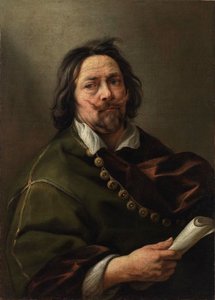
Jakob Jordaens
1593 - 1678 , Belgien
Kurzinfos
- Bemerkenswerte Werke:
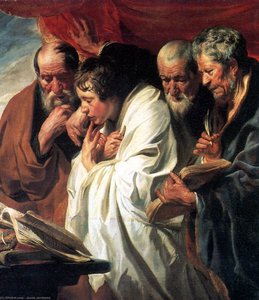
- Die Vier Evangelisten
- Das Lustspiel des Bacchus
- Weintrauben in einem Korb
- Geburtsdatum: 19. Mai 1593
- Geburtsort (Stadt, Land): Antwerpen, Belgien
- Künstler, Die Diesen Künstler Beeinflussten:
- Jacopo Bassano
- Paolo Veronese
- Caravaggio
- Künstlerische Bewegung/Stil: Barock
- Nationalität: Belgisch
- Sterbedatum: 1678
- Vollständiger Name: Jacob Jordaens
- Von Diesem Künstler Beeinflusste Künstler/Bewegungen: ['Jan Steen']
Ähnliche Artikel
Jacob Jordaens: Barocke Dynamik und Genre-Innovation der Antwerpener Schule
Entdecken Sie das faszinierende Werk von Jacob Jordaens, einem Meister der Barockmalerei! Erfahren Sie mehr über seine Genre-Szenen, religiösen Gemälde und seinen Einfluss auf die Antwerpener Schule. Jetzt lesen!
The Grandeur of Baroque Portraiture: Power, Emotion & Artistic Innovation
Explore the grandeur of Baroque portraiture! Discover Rubens, Van Dyck & the masters of 17th-century art. Uncover symbolism, techniques & lasting influence. Expert insights for collectors and enthusiasts.
The Enduring Legacy of Family Portraiture: A Historical & Artistic Exploration
Explore the rich history of family portraiture with ArtsDot. Discover artistic styles, symbolism & collecting insights. Commission a custom oil painting or appraise your existing artwork today!

Barock Meisterwerke: Die 10 prägendsten Kunstwerke für Ihr Zuhause |
Entdecken Sie die 10 prägendsten Meisterwerke des Barock! Caravaggio, Rembrandt & Co. – Erfahren Sie die Geschichten hinter ikonischen Gemälde und finden Sie hochwertige Kunst Reproduktionen für Ihr Zuhause auf .

The Dramatic Flourish: Exploring the Baroque Movement's Enduring Legacy in Art History
Explore the dramatic world of Baroque art! Discover iconic artists like Caravaggio & Rubens, defining techniques, and its lasting impact on art history. Expert insights for collectors & enthusiasts at ArtsDot.