 Vorschau anzeigen
 Versenden
 Teilen
 Details anzeigen

 Herunterladen
 Ähnliche Objekte
 Röntgenaufnahme
 Diashow
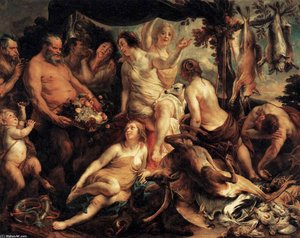
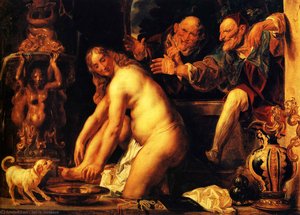
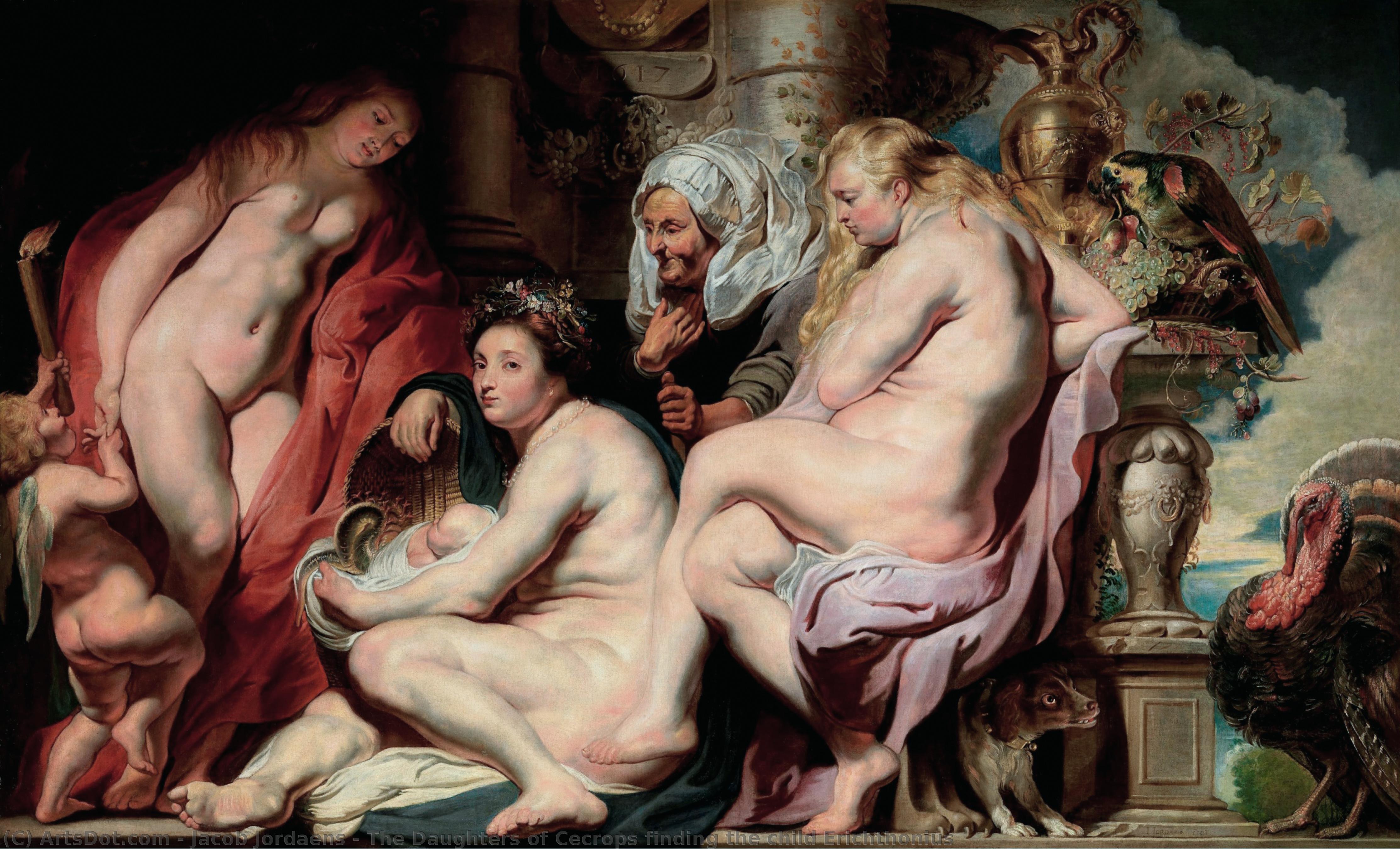
The Daughters of Cecrops finding the child Erichthonius
 Oil On Canvas
- WallArt
- Baroque
 1617
1617 172.0 x 283.0 cm
 Königliches Kunstmuseum Antwerpen
 Weiterlesen
Handgefertigte Ölreproduktion
Handgemaltes Ölgemälde auf Leinwand in Ihrer Wunschgröße und mit Rahmen, auf Bestellung von unseren Künstlern angefertigt. ( Druck bestellen Bild kaufen)




P118B $10

P118H $10

P118W $10

P438Z $10

P508JH $12

P508YH $12

P805H $10

P805Z $10

P919BZ $10

P919G $10

P919XJ $10

P959ZH $10

P968JZ $12

W106C $8

W218G $10

W218JH $8

W218Y $10

W307PJ $10

W316G $10

W316PJ $8

W316Y $10

W398PJ $8

W4111J $10

W500HY $15

W500JH $15

W692G $12

W849H $8

W940BG $15

W953PJ $8




Wählen Sie aus unseren vordefinierten Formaten, die den ursprünglichen Proportionen des Kunstwerks entsprechen.

Sie können Ihre eigenen Maße eingeben, um einen bestimmten Rahmen oder Platz auszufüllen. Wenn die gewählte Größe nicht den Proportionen des Originalbildes entspricht, werden wir das Kunstwerk entweder beschneiden oder das Gemälde durch zusätzliche, handgemalte Elemente erweitern. Ein digitales Mockup wird Ihnen zur Genehmigung zugesandt, bevor die Produktion beginnt.
Bitte beachten Sie, dass die Bildschirmvorschau nicht die tatsächliche Beschneidung oder Erweiterung widerspiegelt. Nur das Mockup zeigt die endgültige Komposition exakt an.
Obwohl Sondermaße verfügbar sind, empfehlen wir, eine Größe aus der vordefinierten Liste zu wählen, um die ursprünglichen Proportionen beizubehalten.
Nach der Bestellung wird das ArtsDot.com-Team dem Kunden Anweisungen per E-Mail zusenden und eine Mockup-Vorschau bereitstellen.
Weltweiter Versand () in nur 3 bis 4 Wochen statt der üblichen 5 Wochen. (23 August). Keine Kompromisse bei der Qualität.

Kostenloser weltweiter Expressversand

Hochwertige Leinenleinwand

Umfassender Versicherungsschutz beim Versand

Zollgebühren-Rückerstattungsgarantie

Garantie für exakte Farbtreue

60 Tage Rückgaberecht (nur bei Mängeln)

100% Geld-zurück-Garantie

Mengenrabatt verfügbar
 Die Glasoption ist nur für Größen unter 110 cm verfügbar.

The Daughters of Cecrops finding the child Erichthonius
Art der Reproduktion
Format der Reproduktion
-


Gesamtpreis
$ 313
Beschreibung des Kunstwerks
A Symphony of Flesh and Light: Exploring Jacob Jordaens’ “The Daughters of Cecrops Finding Erichthonius”
“The Daughters of Cecrops Finding Erichthonius,” painted in 1617 by Jacob Jordaens, stands as a testament to the exuberant spirit of Flemish Baroque art—a visual feast that transcends mere depiction and delves into profound themes of mythology, fertility, and divine grace. More than just a beautiful image, it’s an immersive experience for the viewer, meticulously crafted with masterful technique and imbued with symbolic resonance.The Mythological Narrative: Echoes of Ancient Greece
At its core lies a retelling of a Greek myth—the tale of Cecrops, the king of Athens, who mated with Phoenicia, resulting in twins: Erichthonius, the divine child destined to rule Athens, and Acrisia, daughter of Cecrops. The painting captures the pivotal moment when the daughters of Cecrops embark on a quest to discover Erichthonius, symbolizing the pursuit of knowledge, faith, and the fulfillment of prophecy. Jordaens skillfully employs classical iconography—the crumbling column representing wisdom eroded by time—to underscore the importance of preserving tradition and honoring ancestral heritage. The scene unfolds within an opulent architectural setting, mirroring the grandeur of Athenian palaces during the Renaissance period.Baroque Style: Drama and Emotion Embodied
Jordaens’ artistic vision firmly anchors itself in the Baroque style, characterized by dramatic lighting, dynamic poses, and a heightened sense of emotion. Observe how light cascades across the figures, illuminating their flesh tones with an almost palpable warmth—a deliberate choice designed to evoke feelings of compassion and admiration. The artist utilizes chiaroscuro – the interplay between light and shadow – to sculpt the forms of his subjects, creating depth and volume that draws the eye inward. The composition is deliberately crowded, reflecting the Baroque penchant for complexity and conveying a sense of theatrical grandeur. Unlike earlier Renaissance art which prioritized idealized beauty, Jordaens embraces imperfection, portraying human figures with realistic musculature and expressive gestures.Technical Mastery: Detail and Texture Unleashed
The painting’s technical brilliance lies in its meticulous attention to detail and texture. Jordaens employs oil paints on canvas with unparalleled skill, layering pigments to achieve astonishing realism. The drapery is rendered with painstaking accuracy—folds ripple realistically, conveying movement and suggesting the weight of fabric. Skin tones are subtly shaded to capture variations in light and shadow, creating a convincing illusion of flesh. Furthermore, Jordaens’ brushwork is loose and expressive, injecting vitality into the scene and reflecting the artist's emotional engagement with his subject matter. The artist’s mastery extends beyond mere representation; he strives to convey not just what he sees but how he feels—a hallmark of Baroque painting that distinguishes it from its predecessors.Symbolism: Fertility, Divine Intervention, and Eternal Beauty
Beyond its visual splendor, “The Daughters of Cecrops Finding Erichthonius” is rich in symbolic meaning. The angel figure hovering above represents divine providence—God’s watchful care guiding humanity toward salvation. The abundance of fruit symbolizes fertility and prosperity, reflecting the Renaissance humanist belief in human potential and achievement. Most importantly, the painting celebrates beauty itself—a timeless ideal embodied in the idealized forms of the women depicted. Jordaens' depiction of Erichthonius is serene and noble, symbolizing divine grace and embodying the virtues associated with kingship.Emotional Impact: A Vision of Sublime Grandeur
Ultimately, “The Daughters of Cecrops Finding Erichthonius” succeeds in transporting the viewer to another realm—a space infused with emotion and grandeur. The painting’s luminous colors and dramatic lighting evoke feelings of awe and wonder, capturing the sublime beauty that characterizes Baroque art. It invites contemplation on themes of faith, heritage, and human aspiration—leaving a lasting impression on anyone who encounters its captivating artistry. This masterpiece continues to inspire artists and collectors alike, cementing Jordaens' place as one of the foremost figures in Flemish Baroque painting.Ähnliche Kunstwerke
Über den Künstler
Frühe Jahre und Ausbildung
Jacob Jordaens, ein bedeutender flämischer Maler, wurde am 19. Mai 1593 in Antwerpen, Belgien, geboren. Er war der erste von elf Kindern von Jacob Jordaens Sr., einem wohlhabenden Leinenhändler, und Barbara van Wolschaten. Über Jordans frühe Bildung ist wenig bekannt, aber es kann davon ausgegangen werden, dass er die Vorteile einer für Kinder seines Standes üblichen Ausbildung genoss.Künstlerische Einflüsse und Stil
Jordaens wurde von norditalienischen Malern wie Jacopo Bassano, Paolo Veronese und Caravaggio beeinflusst. Seine Arbeit ist durch eine Tendenz zu größerem Realismus, das Überfüllen seiner Kompositionen und eine Vorliebe für das Burleske gekennzeichnet. Jordans Stil unterscheidet sich von seinen Zeitgenossen durch seine Verwendung einer warmen Palette, des Naturalismus und der Beherrschung von Chiaroscuro und Tenebrismus.Bedeutende Werke und Aufträge
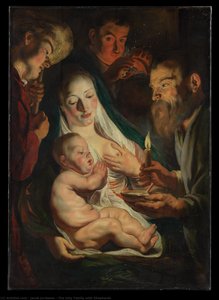
- Die Anbetung der Hirten (Öl auf Leinwand, 205 x 269 cm), ein Gemälde, das Jordans Fähigkeit zeigt, die Essenz menschlicher Erfahrung einzufangen.
- Argus und Merkur (Barock, Öl), ein Werk, das seine Beherrschung des Barockstils demonstriert.
Entwicklung und Vermächtnis
Jordaens etablierte sich als einer der führenden Maler Flanderns nach dem Tod von Peter Paul Rubens im Jahr 1640. Er war bis zu seinem Tod Antwerpen's angesehenster Figurenmaler. Sein Studio florierte, und er assistierte häufig Rubens. Jordans Bedeutung zeigt sich in der Anzahl seiner Schüler; die Zunft des St. Lukas verzeichnet zwischen 1621 und 1667 fünfzehn offizielle Schüler. Seine Arbeit beeinflusste Jan Steen, und seine klassisch inspirierten Bauernmotive haben einen bleibenden Einfluss auf die Kunstwelt gehabt. Jordans Stil entwickelte sich im Laufe der Jahre weiter, wobei er zunächst von Rubens' dynamischeren Ansatz beeinflusst war, später aber seinen eigenen, realistischeren und detailreicheren Stil entwickelte. Seine späten Werke zeichnen sich durch eine größere Zurückhaltung und kühlere Farben aus.Museen und Sammlungen
- Das Museum Huis ten Bosch (Den Haag, Niederlande) - ein umfassender Leitfaden: https://ArtsDot.com/@@/a@d3b6sx-the-museum-huis-ten-bosch-(the-hague-netherlands)-a-comprehensive-guide
- Kunstgalerie Südaustralien (Adelaide, Australien) - mit einem Gemälde von Sir Anthony van Dyck: https://ArtsDot.com/@@/d4cl9h-sir-anthony-van-dyck-a-married-couple
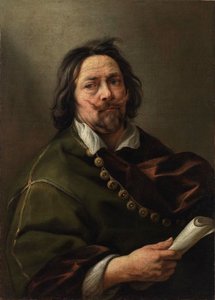
Jakob Jordaens
1593 - 1678 , Belgien
Kurzinfos
- Bemerkenswerte Werke:
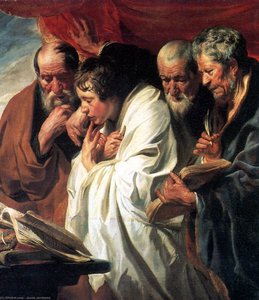
- Die Vier Evangelisten
- Das Lustspiel des Bacchus
- Weintrauben in einem Korb
- Geburtsdatum: 19. Mai 1593
- Geburtsort (Stadt, Land): Antwerpen, Belgien
- Künstler, Die Diesen Künstler Beeinflussten:
- Jacopo Bassano
- Paolo Veronese
- Caravaggio
- Künstlerische Bewegung/Stil: Barock
- Nationalität: Belgisch
- Sterbedatum: 1678
- Vollständiger Name: Jacob Jordaens
- Von Diesem Künstler Beeinflusste Künstler/Bewegungen: ['Jan Steen']
Ähnliche Artikel
Jacob Jordaens: Barocke Dynamik und Genre-Innovation der Antwerpener Schule
Entdecken Sie das faszinierende Werk von Jacob Jordaens, einem Meister der Barockmalerei! Erfahren Sie mehr über seine Genre-Szenen, religiösen Gemälde und seinen Einfluss auf die Antwerpener Schule. Jetzt lesen!
Baroque Classicism: Reconciling Drama & Order in 17th-Century Art
Explore the captivating world of Baroque Classicism! Discover its history, key artists like Caravaggio & Rubens, and defining characteristics. Expert insights & high-quality reproductions at ArtsDot.
The Enduring Allure of the Nude: A Historical & Artistic Exploration of the Human Form
Explore the captivating history of nude art! Discover iconic paintings & artists from classical to modern eras. Uncover symbolism, techniques & find museum-quality reproductions at ArtsDot.
Echoes of Olympus: Mythological Narratives in Western Art Through the Ages
Explore the captivating history of mythological narratives in Western art! From ancient Greece to modern masterpieces, discover iconic artworks & symbolism. Expert analysis and high-quality reproductions at ArtsDot.

Barocke Pracht: Wie Sie Opulenz und Emotionen in zeitgenössische Innenräume bringen
Entdecken Sie die Pracht des Barock! Expertenratgeber für luxuriöse Innenräume mit barocken Elementen. Inspiration, Tipps & hochwertige Kunst bei .