

 Vorschau anzeigen
 Versenden
 Teilen
 Details anzeigen

 Herunterladen
 Ähnliche Objekte
 Röntgenaufnahme
 Diashow
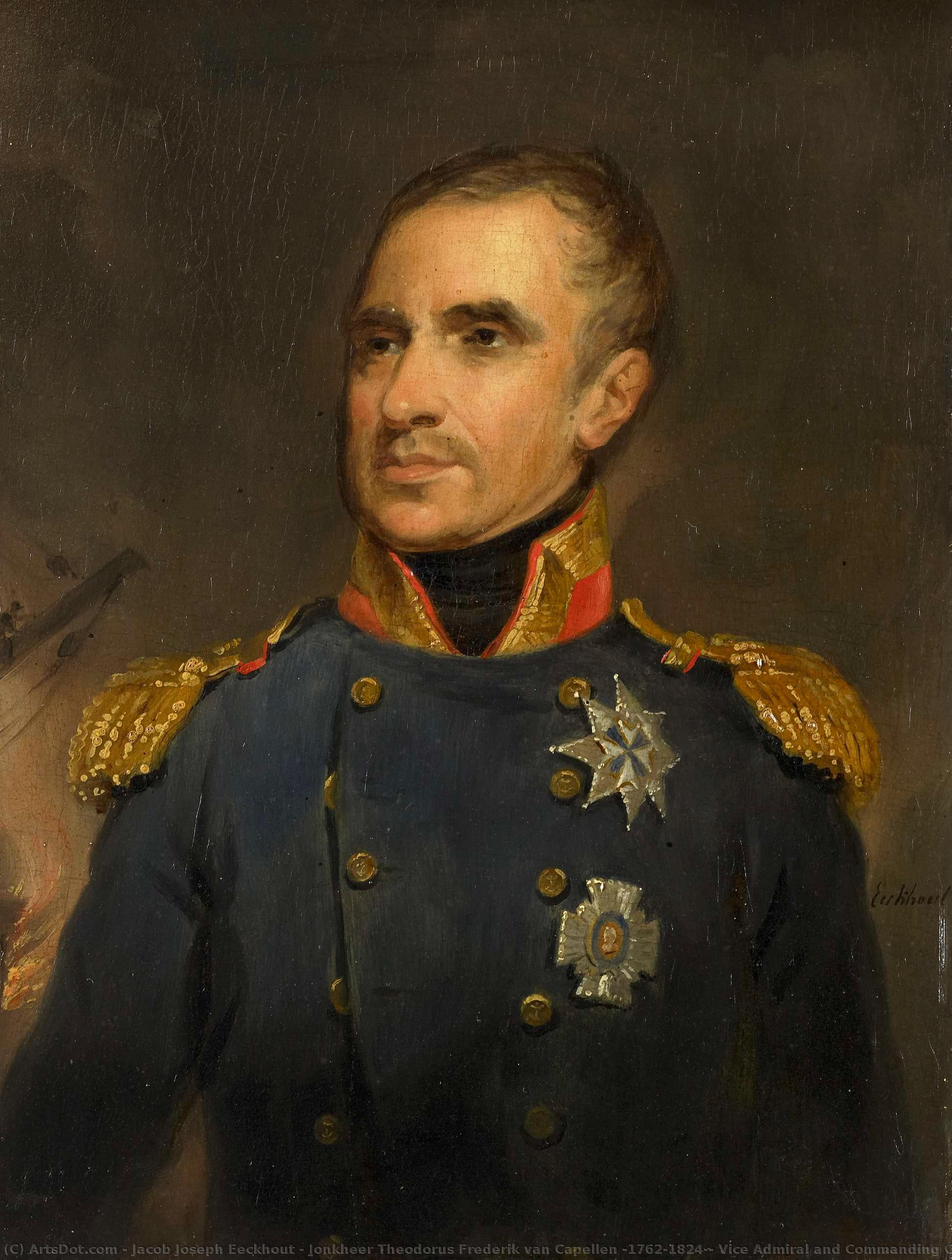
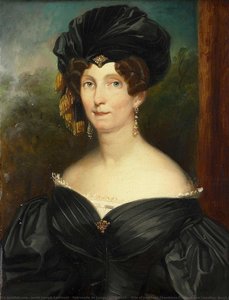
Jonkheer Theodorus Frederik van Capellen (1762-1824), Vice Admiral and Commanding Officer of the Dutch Squadron off Algiers, 1816, Jacob Joseph Eeckhout, 1835
 Neoclassicism
 1835
1835 31.0 x 24.0 cm
 Weiterlesen
Erwerben Sie ein hochauflösendes, optimiertes digitales Bild, das der Online-Vorschau weit überlegen ist.
Jede Datei wird von unseren hauseigenen Spezialisten mit modernsten Werkzeugen und fachmännischer manueller Retusche sorgfältig vorbereitet. Wir stellen sicher, dass jedes Bild eine außergewöhnliche Klarheit, präzise Farbgenauigkeit und feinste Details aufweist.
Die endgültige Datei wird innerhalb von 72 Stunden per E-Mail zugestellt und ist für den sofortigen Einsatz in professionellen, redaktionellen und Druckumgebungen optimiert. Es handelt sich um dieselbe Qualität, der führende Designstudios, Verlage und Galerien vertrauen.
Digitales Bild
Laden Sie eine hochauflösende Datei für die persönliche Präsentation, den Druck und kreative Projekte herunter. ( Druck bestellen Handgemalte Reproduktion bestellen)
In jeder Bestellung digitaler Bilder enthalten
Professionelle digitale Bereitstellung, garantiert
Wenn Sie sich für ArtsDot.com entscheiden, erhalten Sie nicht nur ein Bild – Sie erhalten ein professionell aufbereitetes digitales Kunstwerk, das mit höchster Präzision erstellt und durch eine Zufriedenheitsgarantie abgesichert wird. Hier ist alles, was automatisch mit Ihrer Bestellung geliefert wird:

Schnelle E-Mail-Zustellung
Ihre hochauflösende digitale Bilddatei wird Ihnen innerhalb von 72 Stunden nach der Bestellung per E-Mail zugestellt – bereit zur sofortigen Verwendung.

KI-optimierte digitale Datei
Ihre Kunstwerke werden professionell mithilfe fortschrittlicher KI-Tools und manueller Bearbeitung optimiert, um maximale Detailtreue, Klarheit und Farbgenauigkeit zu gewährleisten.

Lebenslanger kostenloser Neudruckservice
Datei versehentlich gelöscht oder verloren? Keine Sorge – wir senden sie Ihnen jederzeit kostenlos erneut zu.

Keine Einfuhrgebühren – jemals
Genießen Sie Ihr Kunstwerk sofort ohne Zollgebühren, Einfuhrabgaben oder Versandkosten – digitale Downloads sind immer steuerfrei.

Garantierte Farbtreue
Wir garantieren, dass Ihr digitales Bild mithilfe professioneller Werkzeuge und Farbmanagement die Originalfarben so präzise wie möglich wiedergibt.

60-Tage-Zufriedenheitsgarantie
Sollten Sie mit Ihrem digitalen Bild nicht zufrieden sein, werden wir es überarbeiten oder Ihnen innerhalb von 60 Tagen 100% erstatten – ohne Wenn und Aber.

100% Geld-zurück-Garantie
Nicht zufrieden? Erhalten Sie innerhalb von 60 Tagen nach Erhalt Ihrer digitalen Datei eine vollständige Rückerstattung – ohne Angabe von Gründen.

Rabatte bei Großbestellungen
3 Bilder kaufen, 10% sparen – 5 Bilder kaufen, 15% sparen – Ab 10 Bildern 20% sparen. Ideal für kreative Projekte, Galerien und Agenturen.
Ähnliche Kunstwerke
Biografie des Künstlers
A Life Immersed in Detail: The World of Jacob Joseph Eeckhout
Jacob Joseph Eeckhout, a Flemish painter born in Antwerp around 1630, remains a somewhat enigmatic figure despite his considerable talent and the meticulous quality of his work. While biographical details are scarce – a common fate for artists operating outside the immediate circle of patronage and fame – what *is* known reveals a life dedicated to capturing the everyday with an almost photographic precision that foreshadows later Realist movements. Eeckhout wasn’t a painter of grand historical narratives or soaring religious visions; instead, he focused on genre scenes, interiors, and portraits, imbuing each canvas with a quiet dignity and remarkable attention to texture and light. His father, also named Jacob Eeckhout, was a respected glass painter, providing young Jacob with an early grounding in artistic technique and likely influencing his keen eye for detail and color. Antwerp at this time was still recovering from the religious and economic upheavals of the 17th century, but it remained a vibrant center for painting, particularly genre painting which catered to a growing middle-class market eager for depictions of domestic life.Early Influences and Artistic Development
Eeckhout’s artistic development was shaped by several key influences prevalent in Antwerp during his formative years. The work of Adriaen Brouwer, known for his rough, earthy depictions of peasant life, undoubtedly left its mark on Eeckhout's early genre scenes. However, Eeckhout refined this approach, moving away from Brouwer’s often-caricatured figures towards a more nuanced and sympathetic portrayal of his subjects. He also absorbed the influence of David Teniers the Younger, another prominent Antwerp painter specializing in peasant festivities and interior scenes. But perhaps the most significant impact came from the work of Pieter de Hooch, whose interiors – bathed in soft light and populated with carefully observed figures – served as a model for Eeckhout’s own compositions. Unlike some of his contemporaries who favored dramatic chiaroscuro, Eeckhout embraced a more subtle use of light, creating an atmosphere of calm intimacy within his paintings. His early works often feature simple interiors, humble kitchens, and scenes of everyday labor, executed with a remarkable degree of realism.Themes and Techniques: A Master of the Mundane
The core of Eeckhout’s artistic output lies in his ability to elevate the mundane to the level of art. He painted interiors – often kitchens or modest living rooms – populated by women engaged in domestic tasks such as cooking, sewing, or caring for children. These are not idealized scenes; they depict the realities of daily life with unflinching honesty. His portraits, while less numerous than his genre paintings, share the same commitment to realism and psychological insight. Eeckhout’s technique is characterized by a meticulous attention to detail – the textures of fabrics, the gleam of pewterware, the subtle play of light on surfaces are all rendered with extraordinary precision. He employed a relatively limited palette, favoring earth tones and muted colors that contribute to the overall sense of calm and intimacy. His brushwork is smooth and refined, creating a polished surface that enhances the clarity of his forms. He was particularly adept at depicting light filtering through windows, casting soft shadows and illuminating the interiors with a gentle glow.Recognition and Historical Significance
Despite not achieving the widespread fame of some of his contemporaries, Eeckhout enjoyed a respectable reputation during his lifetime. He became a member of the Antwerp Guild of Saint Luke in 1657, indicating his acceptance into the established artistic community. His paintings were sought after by collectors and connoisseurs, particularly in the Netherlands and England. While documentation is limited, it’s clear that he had a dedicated clientele who appreciated his skill and sensitivity. In terms of historical significance, Eeckhout occupies an important position as a precursor to later Realist movements.- His commitment to depicting everyday life with honesty and accuracy
- His rejection of idealized forms in favor of realistic portrayals
- His meticulous attention to detail and subtle use of light
Kurzinfos
- Artistic Movement Or Style: Genre painting, History painting
- Date Of Death: Living
- Full Name: Jacob Joseph Eeckhout
- Notable Artworks:
- The Baptism of Christ
- The Last Supper
- Noah's Ark

