

 Vorschau anzeigen
 Versenden
 Teilen
 Details anzeigen

 Herunterladen
 Ähnliche Objekte
 Röntgenaufnahme
 Diashow
 Statistiken
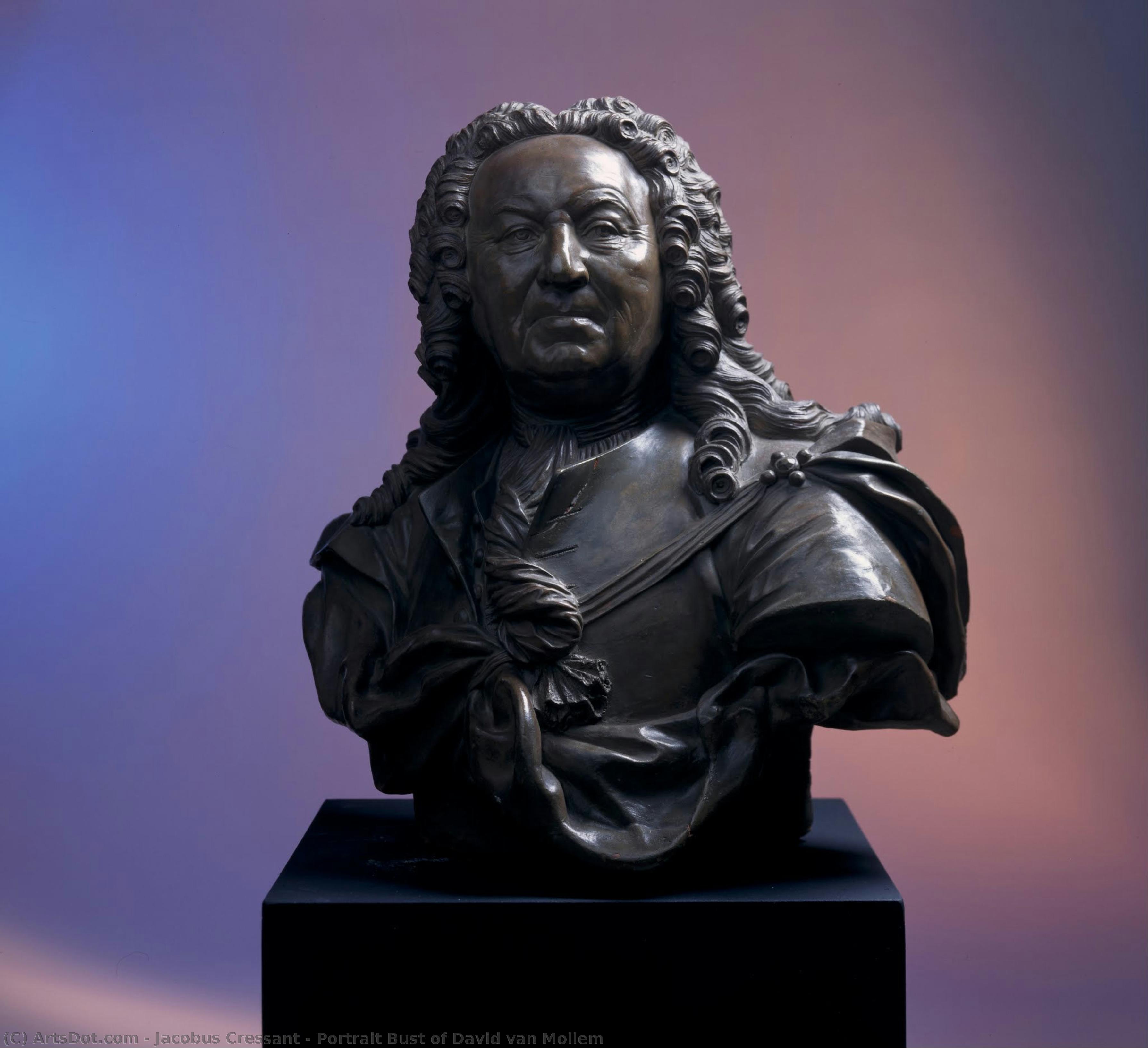
Portrait Bust of David van Mollem
 1740
1740 61.0 x 59.0 cm
 Weiterlesen
Erwerben Sie ein hochauflösendes, optimiertes digitales Bild, das der Online-Vorschau weit überlegen ist.
Jede Datei wird von unseren hauseigenen Spezialisten mit modernsten Werkzeugen und fachmännischer manueller Retusche sorgfältig vorbereitet. Wir stellen sicher, dass jedes Bild eine außergewöhnliche Klarheit, präzise Farbgenauigkeit und feinste Details aufweist.
Die endgültige Datei wird innerhalb von 72 Stunden per E-Mail zugestellt und ist für den sofortigen Einsatz in professionellen, redaktionellen und Druckumgebungen optimiert. Es handelt sich um dieselbe Qualität, der führende Designstudios, Verlage und Galerien vertrauen.
Digitales Bild
Laden Sie eine hochauflösende Datei für die persönliche Präsentation, den Druck und kreative Projekte herunter. ( Zu Druck wechseln Handgemalte Reproduktion bestellen)
In jeder Bestellung digitaler Bilder enthalten
Professionelle digitale Bereitstellung, garantiert
Wenn Sie sich für ArtsDot.com entscheiden, erhalten Sie nicht nur ein Bild – Sie erhalten ein professionell aufbereitetes digitales Kunstwerk, das mit höchster Präzision erstellt und durch eine Zufriedenheitsgarantie abgesichert wird. Hier ist alles, was automatisch mit Ihrer Bestellung geliefert wird:

Schnelle E-Mail-Zustellung
Ihre hochauflösende digitale Bilddatei wird Ihnen innerhalb von 72 Stunden nach der Bestellung per E-Mail zugestellt – bereit zur sofortigen Verwendung.

KI-optimierte digitale Datei
Ihre Kunstwerke werden professionell mithilfe fortschrittlicher KI-Tools und manueller Bearbeitung optimiert, um maximale Detailtreue, Klarheit und Farbgenauigkeit zu gewährleisten.

Lebenslanger kostenloser Neudruckservice
Datei versehentlich gelöscht oder verloren? Keine Sorge – wir senden sie Ihnen jederzeit kostenlos erneut zu.

Keine Einfuhrgebühren – jemals
Genießen Sie Ihr Kunstwerk sofort ohne Zollgebühren, Einfuhrabgaben oder Versandkosten – digitale Downloads sind immer steuerfrei.

Garantierte Farbtreue
Wir garantieren, dass Ihr digitales Bild mithilfe professioneller Werkzeuge und Farbmanagement die Originalfarben so präzise wie möglich wiedergibt.

100-Tage-Zufriedenheitsgarantie
Wenn Sie mit Ihrem digitalen Bild nicht zufrieden sind, werden wir es überarbeiten oder 100% innerhalb von 100 Tagen erstatten – ohne Wenn und Aber.

100% Geld-zurück-Garantie
Nicht zufrieden? Erhalten Sie innerhalb von 100 Tagen nach Erhalt Ihrer digitalen Datei eine vollständige Rückerstattung – ohne Wenn und Aber.

Rabatte bei Großbestellungen
3 Bilder kaufen, 10% sparen – 5 Bilder kaufen, 15% sparen – Ab 10 Bildern 20% sparen. Ideal für kreative Projekte, Galerien und Agenturen.
Ähnliche Kunstwerke









Biografie des Künstlers
Jacobus Cressant: Sculptor of Grace and Detail in the Dutch Republic
Jacobus Cressant (c. 1685 – after 1759) stands as a testament to the artistic flourishing of the Dutch Republic during its golden age, specifically recognized for his contributions to sculpture—primarily garden vases and portrait busts—that embody both Baroque elegance and emerging neoclassical sensibilities. Born in Abbeville, France, Cressant’s early life remains somewhat obscure, yet he swiftly established himself as a respected artist within Amsterdam's vibrant artistic community. His career spanned roughly four decades, during which he produced works that continue to captivate viewers with their meticulous craftsmanship and refined aesthetic vision.Early Career and Influences
Cressant’s formative years were marked by exposure to the artistic traditions of France, where he honed his skills under the tutelage of prominent sculptors of the time. This Parisian training instilled in him a deep appreciation for classical ideals—particularly those championed by artists like Gian Lorenzo Bernini—which would subsequently permeate his oeuvre. The Baroque style, characterized by dramatic ornamentation and emotional intensity, also exerted considerable influence on Cressant’s artistic approach, evident in the grandeur and dynamism of certain sculptural commissions. However, as his career progressed, he increasingly embraced neoclassical principles, favoring restraint and clarity alongside precise anatomical accuracy – a shift particularly noticeable in his later works. He absorbed lessons from masters like Bernini, whose monumental sculptures celebrated movement and emotion with breathtaking scale and theatrical flair.Notable Achievements: Garden Vases for Rijksmuseum
Cressant achieved considerable renown through two monumental garden vases commissioned by the Rijksmuseum in Amsterdam. These masterpieces exemplify Cressant’s mastery of form and texture, skillfully crafted from alabaster to achieve an ethereal translucence that captures the subtle nuances of light. The vases are not merely decorative objects; they represent a profound engagement with botanical symbolism—specifically referencing lilies and tulips—which were emblems of Dutch wealth and prestige during the eighteenth century. Their placement within the museum’s gardens underscores Cressant's ambition to elevate sculpture beyond mere artistic contemplation, integrating it seamlessly into the broader landscape experience. The vases are considered masterpieces of alabaster carving, demonstrating an unparalleled understanding of material properties and achieving a luminous effect that evokes the beauty of nature itself.Portrait Busts: Capturing Dignity and Character
Perhaps Cressant’s most enduring legacy resides in his portrait busts—particularly those depicting Carolus Richard, aged eight, and David van Mollem. These sculptures demonstrate Cressant's exceptional ability to convey psychological depth through subtle facial expressions and anatomical detail. The bust of Carolus Richard is remarkable for its youthful innocence and idealized beauty, reflecting the neoclassical preoccupation with portraying subjects as embodiments of virtue and intellect. Similarly, the portrait of David van Mollem captures the statesman’s dignified composure and intellectual prowess—a testament to Cressant's meticulous observation of human anatomy and his commitment to capturing the essence of character. These busts exemplify Cressant’s dedication to anatomical accuracy combined with expressive artistry, securing his reputation as one of the finest portrait sculptors of his time.The Garden of Zijdebalen: Family Portraiture
Beyond monumental vases and formal portraits, Cressant undertook a significant commission for David van Mollem’s family estate, zijdebalen—located along the river Vecht near Utrecht. This ambitious project resulted in a captivating depiction of the Van Mollem family amidst their idyllic garden setting—a scene infused with warmth and intimacy. The sculpture captures not only the physical likenesses of David and his wife Maria Margaretha but also conveys a palpable sense of familial connection, reflecting Cressant’s humanist sensibilities. It stands as an exquisite example of neoclassical portraiture, prioritizing naturalism and conveying emotion through nuanced gestures and facial expressions.Concluding Reflections
Jacobus Cressant's contribution to eighteenth-century sculpture is undeniable—his garden vases stand as symbols of Dutch artistic excellence, while his portrait busts continue to inspire admiration for their technical virtuosity and expressive power. Cressant’s work embodies the harmonious blend of Baroque grandeur and neoclassical refinement that characterized the Dutch Republic’s cultural apex, securing his place among the most celebrated sculptors of his era. His legacy persists today, reminding us of the enduring beauty and intellectual richness attainable through artistic endeavor.
Jakobus Cressant
Frankreich
Kurzinfos
- Artistic Movement Or Style: Barockbildhauerei
- Date Of Birth: c. 1685
- Date Of Death: after 1759
- Full Name: jacobus cressant
- Nationality: Französisch
- Notable Artworks:
- Neptun mit einem Hippokamp
- Porträtbüste von Carolus Richard, im Alter von acht
- Place Of Birth: Abbeville, Frankreich