 Vorschau anzeigen
 Versenden
 Teilen
 Details anzeigen

 Herunterladen
 Ähnliche Objekte
 Röntgenaufnahme
 Diashow
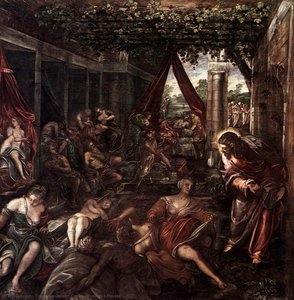
Christ with the Doctors


 Weiterlesen
Giclée / Kunstdruck
Giclée- oder Leinwanddruck in Museumsqualität mit schneller Produktion und flexiblen Veredelungsoptionen. ( Handgemalte Reproduktion bestellen Bild kaufen)




P118B $10

P118H $10

P118W $10

P438Z $10

P508JH $12

P508YH $12

P805H $10

P805Z $10

P919BZ $10

P919G $10

P919XJ $10

P959ZH $10

P968JZ $12

W106C $8

W218G $10

W218JH $8

W218Y $10

W307PJ $10

W316G $10

W316PJ $8

W316Y $10

W398PJ $8

W4111J $10

W500HY $15

W500JH $15

W692G $12

W849H $8

W940BG $15

W953PJ $8




Wählen Sie aus unseren vordefinierten Formaten, die den ursprünglichen Proportionen des Kunstwerks entsprechen.

Sie können Ihre eigenen Maße eingeben, um ein bestimmtes Format oder einen speziellen Platz einzupassen. Wenn das von Ihnen gewählte Format nicht den Proportionen des Originalbildes entspricht, werden wir das Kunstwerk entweder beschneiden oder das Bild mit einem gespiegelten oder einfarbigen Rand erweitern. Ein digitaler Entwurf wird Ihnen zur Genehmigung zugesandt, bevor die Produktion beginnt.
Bitte beachten Sie, dass die Vorschau auf dem Bildschirm nicht den tatsächlichen Zuschnitt oder die Erweiterung widerspiegelt. Nur der Entwurf zeigt die endgültige Komposition präzise an.
Obwohl Sondermaße verfügbar sind, empfehlen wir die Auswahl eines Maßes aus der vordefinierten Liste, um die ursprünglichen Proportionen zu bewahren.
Weltweiter Versand () innerhalb von 2 Wochen statt der üblichen 4/5 Wochen. (21 August)

Kostenloser weltweiter Expressversand

Hochwertige Leinenleinwand

Umfassender Versicherungsschutz beim Versand

Zollgebühren-Rückerstattungsgarantie

Garantie für exakte Farbtreue

60 Tage Rückgaberecht (nur bei Mängeln)

100% Geld-zurück-Garantie

Mengenrabatt verfügbar
 Die Glasoption ist nur für Größen unter 110 cm verfügbar.

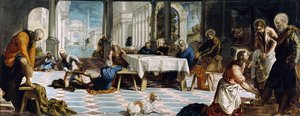
Christ with the Doctors
Giclée / Kunstdruck
Format der Reproduktion
-


Gesamtpreis
$ 62
Sammlerstück-Beschreibung
A Venetian Drama Illuminated: The Soul of Tintoretto
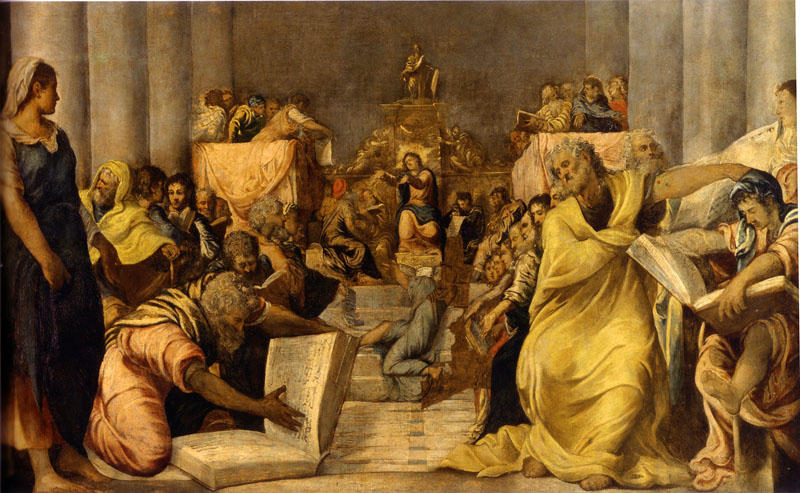
In the heart of the Venetian Renaissance, where the shimmering waters of the lagoon met the fervent intellectualism of a rising empire, Jacopo Tintoretto captured a moment of divine encounter and human inquiry. His masterpiece, Christ with the Doctors, is far more than a mere biblical illustration; it is a theatrical spectacle rendered in oil, a profound meditation on the intersection of faith and reason. As one gazes upon this expansive canvas, housed within the prestigious Museo del Disegno, one is immediately swept into a whirlwind of movement and light. The scene depicts the young Jesus amidst a circle of learned scholars, yet there is nothing static about this gathering. Instead, Tintoretto invites us into a living, breathing debate, where the air seems thick with the weight of theological discovery and the palpable energy of 16th-century Venetian life.
The brilliance of this work lies in Tintoretto’s revolutionary approach to composition and technique. Known by his contemporaries as Il Furioso, the artist abandoned the tranquil, balanced stillness of the High Renaissance in favor of a dynamic, almost cinematic energy. He employs a masterful pyramidal structure, placing Christ at the apex to anchor the viewer's eye, but then allows the surrounding figures to radiate outward in a choreographed dance of gestures and gazes. His brushwork is famously rapid and confident, utilizing bold, layered strokes that create a sense of immediacy. Through the sophisticated use of chiaroscuro, Tintoretto manipulates light to emerge from deep, velvety shadows, bathing the central figures in a luminous glow that feels both supernatural and intensely real. This interplay of light and dark does not merely illuminate the scene; it sculpts the very emotions of the participants.
Symbolism and the Spirit of Humanism
Beyond its visual splendor, Christ with the Doctors serves as a profound symbol of the humanist spirit that defined the era. During this period, Venice stood at a crossroads where ancient wisdom and new scientific observations began to challenge traditional orthodoxies. The presence of books, scholarly attire, and the intense, focused expressions of the doctors suggest an atmosphere of rigorous intellectual pursuit. Tintoretto masterfully weaves these elements together to suggest that the divine can be found within the pursuit of knowledge. The way the scholars lean in, their faces etched with curiosity and reverence, mirrors the Renaissance fascination with anatomy, logic, and the exploration of the natural world. For the modern collector or designer, this painting offers a rich tapestry of meaning, representing the eternal dialogue between the inquisitive mind and the spiritual heart.
For those looking to bring the grandeur of the Venetian Baroque into a contemporary space, a high-quality reproduction of this work offers an unparalleled opportunity for emotional resonance. The painting’s ability to command attention through its dramatic scale and chiaroscuro makes it a breathtaking focal point for any sophisticated interior. Whether placed in a library, a study, or a grand living hall, the piece evokes a sense of history, intellect, and profound drama. It is an invitation to contemplate the complexities of human thought and the enduring power of light to pierce through the darkness of uncertainty.
Ähnliche Kunstwerke
Über den Künstler
Jacopo Tintoretto (1518–1594)
Frühes Leben und Ausbildung
- Geboren Jacopo Robusti in Venedig um Ende September oder Anfang Oktober 1518.
- Sein Vater, Battista Robusti, war Färber – daher der Spitzname „Tintoretto“ („kleiner Färber“).
- Details seiner formellen Ausbildung sind spärlich; Berichte deuten auf ein kurzes und erfolgloses Lehrverhältnis mit Tizian hin.
- Er lernte wahrscheinlich autodidaktisch, indem er sich durch Sektionen und Zeichnungen aus Gips- und Reliefskulpturen mit Anatomie beschäftigte.
Künstlerische Entwicklung & Stil
- Tintorettos Stil ist durch dramatische Kompositionen, energiegeladene Figuren und eine mutige Verwendung der Perspektive gekennzeichnet.
- Seine frühen Werke zeigen eine Mischung aus Einflüssen, darunter Tizian, Michelangelo und andere venezianische Meister.
- Er entwickelte eine besondere Technik mit schnellem Pinselstrich und innovativen Lichteffekten – wodurch er den Spitznamen „Il Furioso“ („der Wütende“) erhielt.
- Seine Arbeit entwickelte sich hin zu immer dynamischeren und emotional aufgeladenen Szenen, oft mit komplexen räumlichen Anordnungen.
Wichtige Werke & Leistungen
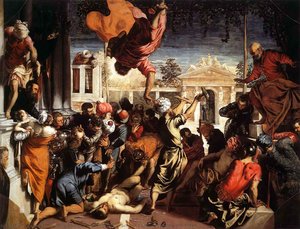
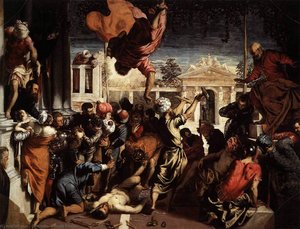
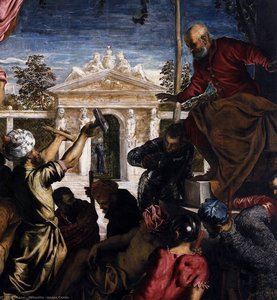
- Das Wunder des Heiligen Markus, der Sklaven befreit (1548): Ein kraftvolles Beispiel für seine dramatische Komposition und Perspektivkünste.
- Arbeiten an der Scuola Grande di San Rocco, Venedig: Dazu gehören „Die Unbefleckte Empfängnis“ und zahlreiche andere Gemälde, die seine Meisterschaft in Erzählung und Maßstab demonstrieren.
- Das letzte Abendmahl (1592–1594): Ein monumentales Werk, das seinen innovativen Ansatz für ein traditionelles Thema demonstriert.
- Zahlreiche religiöse und historische Gemälde für venezianische Kirchen und Paläste.
Einflüsse & Vermächtnis
- Er wurde von Tizians Farbgebung und Michelangelos dynamischer Figurentechnik beeinflusst.
- Tintorettos Werk schloss die Lücke zwischen der Renaissance und dem Barock, indem es spätere Künstler mit seinen dramatischen Kompositionen und ausdrucksstarken Pinselstrichen beeinflusste.
- Seine innovative Verwendung von Licht und Schatten warnt vor Techniken, die von Caravaggio und anderen Barockmeistern verwendet wurden.
- Er hinterließ ein umfangreiches Werk, das bis heute inspiriert und fesselt.
Historische Bedeutung
- Tintoretto war einer der drei großen venezianischen Maler des 16. Jahrhunderts, neben Tizian und Paolo Veronese.
- Er spielte eine entscheidende Rolle bei der Gestaltung der künstlerischen Landschaft Venedigs im späten Renaisanz.
- Sein Werk spiegelt den religiösen Eifer und die politischen Spannungen seiner Zeit wider.
- Tintorettos Vermächtnis als Meister der dramatischen Komposition und des ausdrucksstarken Gemäldes hält an, wodurch er seinen Platz als einer der wichtigsten Künstler der Geschichte festigt.
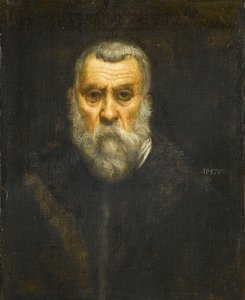
Tintoretto (Jacopo Comin)
1518 - 1594 , Italien
Kurzinfos
- Beeinflusste Künstler:
- Tizian
- Michelangelo
- Bemerkenswerte Werke:
- Das Wunder des Hl. Markus
- Die Himmelfahrt Mariä
- Letzte Abendmahl (San Giorgio)
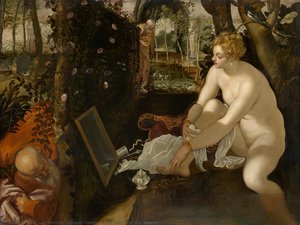
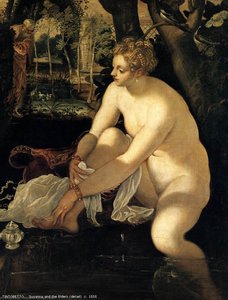
- Susanna und die Älteren
- Geburtsdatum: September/Oktober 1518
- Geburtsort: Venedig, Italien
- Künstlerische Richtung: Manierismus, Venezianische Schule
- Nationalität: Venezianisch
- Todatum: 31. Mai 1594
- Vollständiger Name: Jacopo Tintoretto
- Von Künstlern Beeinflusst:
- Bonifazio Veronese
- Paris Bordone
Ähnliche Artikel

Jacopo Tintoretto: Die 25 Meisterwerke des venezianischen Dramatikers | ArtsDot
Entdecken Sie die 25 Meisterwerke von Jacopo Tintoretto! Tauchen Sie ein in die dramatische Welt der venezianischen Renaissance. Hochwertige Kunst-Reproduktionen & Inspiration für Ihr Zuhause – jetzt auf ArtsDot.com.

The Dramatic Flourish: Exploring the Baroque Movement's Enduring Legacy in Art History
Explore the dramatic world of Baroque art! Discover iconic artists like Caravaggio & Rubens, defining techniques, and its lasting impact on art history. Expert insights for collectors & enthusiasts at ArtsDot.

The Visceral Stage: Exploring Dramatic Narratives & Emotional Intensity in Baroque Art
Explore the dramatic world of Baroque art! Discover iconic masters like Caravaggio & Rembrandt, their techniques, and the movement's lasting impact. Expert insights for collectors & enthusiasts at ArtsDot.

Barock Meisterwerke: Die 10 prägendsten Kunstwerke für Ihr Zuhause |
Entdecken Sie die 10 prägendsten Meisterwerke des Barock! Caravaggio, Rembrandt & Co. – Erfahren Sie die Geschichten hinter ikonischen Gemälde und finden Sie hochwertige Kunst Reproduktionen für Ihr Zuhause auf .

Barocke Pracht: Wie Sie Opulenz und Emotionen in zeitgenössische Innenräume bringen
Entdecken Sie die Pracht des Barock! Expertenratgeber für luxuriöse Innenräume mit barocken Elementen. Inspiration, Tipps & hochwertige Kunst bei .