 Vorschau anzeigen
 Versenden
 Teilen
 Details anzeigen

 Herunterladen
 Ähnliche Objekte
 Röntgenaufnahme
 Diashow
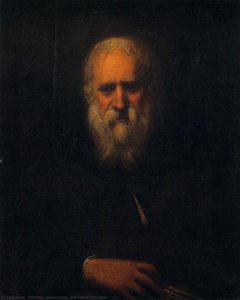
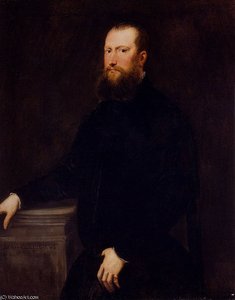
Marcantonio Barbaro

 Weiterlesen
Handgefertigte Ölreproduktion
Handgemaltes Ölgemälde auf Leinwand in Ihrer Wunschgröße und mit Rahmen, auf Bestellung von unseren Künstlern angefertigt. ( Druck bestellen Bild kaufen)




P118B $10

P118H $10

P118W $10

P438Z $10

P508JH $12

P508YH $12

P805H $10

P805Z $10

P919BZ $10

P919G $10

P919XJ $10

P959ZH $10

P968JZ $12

W106C $8

W218G $10

W218JH $8

W218Y $10

W307PJ $10

W316G $10

W316PJ $8

W316Y $10

W398PJ $8

W4111J $10

W500HY $15

W500JH $15

W692G $12

W849H $8

W940BG $15

W953PJ $8




Wählen Sie aus unseren vordefinierten Formaten, die den ursprünglichen Proportionen des Kunstwerks entsprechen.

Sie können Ihre eigenen Maße eingeben, um einen bestimmten Rahmen oder Platz auszufüllen. Wenn die gewählte Größe nicht den Proportionen des Originalbildes entspricht, werden wir das Kunstwerk entweder beschneiden oder das Gemälde durch zusätzliche, handgemalte Elemente erweitern. Ein digitales Mockup wird Ihnen zur Genehmigung zugesandt, bevor die Produktion beginnt.
Bitte beachten Sie, dass die Bildschirmvorschau nicht die tatsächliche Beschneidung oder Erweiterung widerspiegelt. Nur das Mockup zeigt die endgültige Komposition exakt an.
Obwohl Sondermaße verfügbar sind, empfehlen wir, eine Größe aus der vordefinierten Liste zu wählen, um die ursprünglichen Proportionen beizubehalten.
Nach der Bestellung wird das ArtsDot.com-Team dem Kunden Anweisungen per E-Mail zusenden und eine Mockup-Vorschau bereitstellen.
Weltweiter Versand () in nur 3 bis 4 Wochen statt der üblichen 5 Wochen. (19 August). Keine Kompromisse bei der Qualität.

Kostenloser weltweiter Expressversand

Hochwertige Leinenleinwand

Umfassender Versicherungsschutz beim Versand

Zollgebühren-Rückerstattungsgarantie

Garantie für exakte Farbtreue

60 Tage Rückgaberecht (nur bei Mängeln)

100% Geld-zurück-Garantie

Mengenrabatt verfügbar
 Die Glasoption ist nur für Größen unter 110 cm verfügbar.

Marcantonio Barbaro
Art der Reproduktion
Format der Reproduktion
-


Gesamtpreis
$ 263
Beschreibung des Kunstwerks
A Portrait of Power and Drama: Marcantonio Barbaro by Jacopo Tintoretto
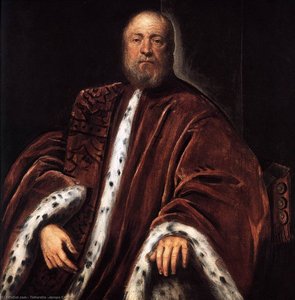
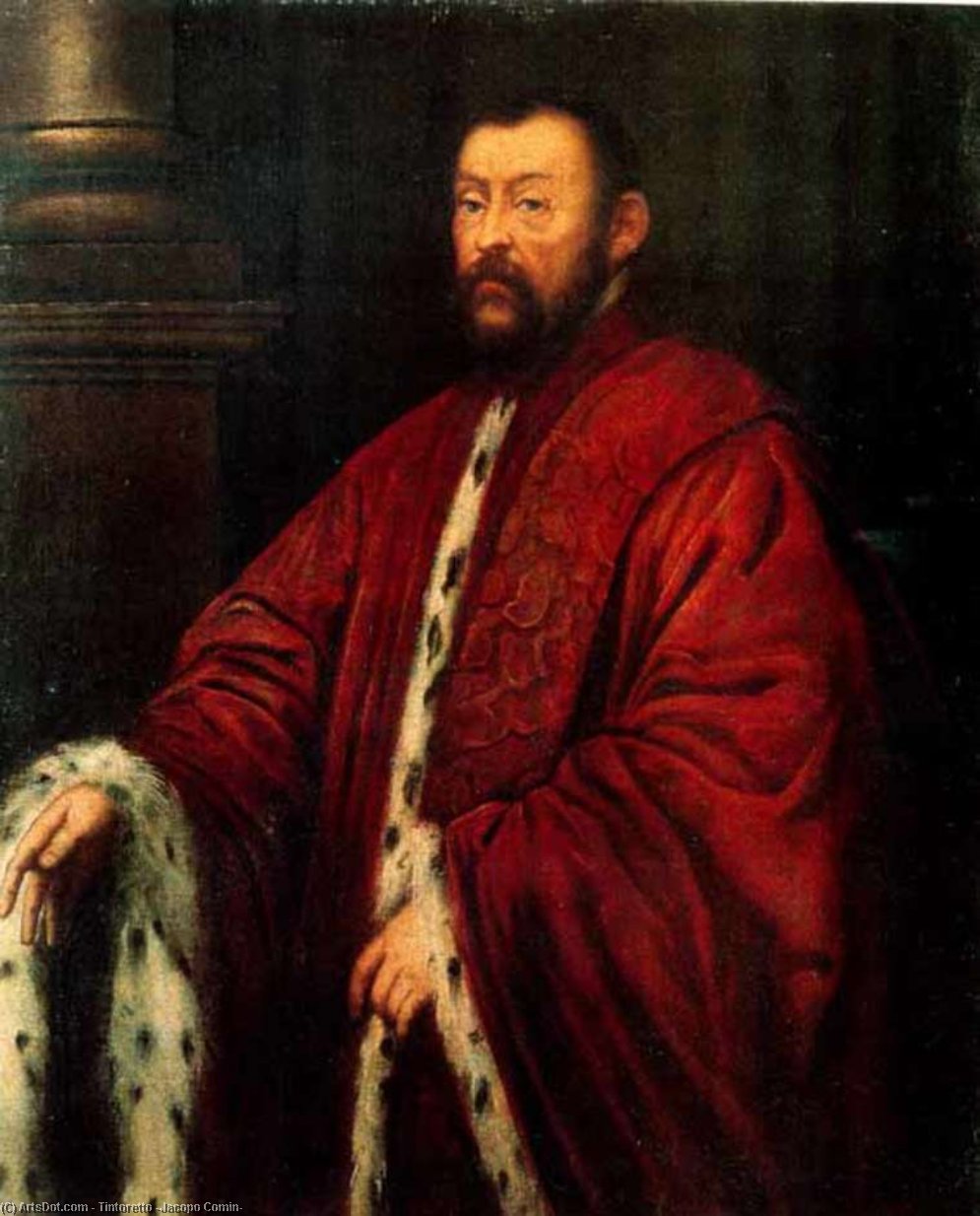
Jacopo Tintoretto’s “Marcantonio Barbaro” is not merely a portrait; it's a carefully constructed drama rendered in oil on canvas, a testament to the Venetian master’s unparalleled command of light, color, and psychological depth. Painted during the tumultuous transition from the High Renaissance to the Baroque period – roughly between 1562 and 1568 – this work embodies the era’s fascination with grandeur, power, and the complexities of human character. The subject, Marcantonio Barbaro himself, a prominent Venetian lawyer and politician, is presented not as a simple likeness but as an embodiment of his status and influence.
- The Figure: Barbaro’s pose exudes authority and self-assurance. He stands with a measured confidence, his gaze directed slightly off-canvas, inviting the viewer to engage in a silent dialogue. The meticulously rendered beard and mustache – hallmarks of Venetian portraiture at the time – contribute to an impression of age, wisdom, and perhaps even a touch of aristocratic arrogance.
- Color and Light: Tintoretto’s signature use of dramatic chiaroscuro is immediately apparent. Deep shadows pool around Barbaro's form, emphasizing his musculature and creating a sense of three-dimensionality that transcends the limitations of the two-dimensional canvas. The vibrant red robe, meticulously detailed with gold trim, acts as a focal point, drawing the eye and symbolizing wealth, power, and legal authority – key attributes associated with a prominent lawyer in Renaissance Venice.
- Compositional Dynamics: The background wall serves not merely as a backdrop but actively contributes to the painting’s dynamism. Its textured surface and subtle variations in color create a sense of depth and movement, further enhancing the overall dramatic effect. This careful attention to composition reflects Tintoretto's broader artistic philosophy – a belief that every element within a work should contribute to its narrative power.
Tintoretto’s Venetian Style: A Synthesis of Renaissance and Baroque
Tintoretto’s style represents a pivotal moment in the evolution of Venetian painting. While deeply rooted in the classical ideals of the High Renaissance – particularly evident in his anatomical studies and meticulous rendering of drapery – he pushed beyond these conventions, embracing a more dynamic and emotionally charged approach. Unlike the serene and idealized portraits favored by artists like Titian, Tintoretto sought to capture not just physical likeness but also the inner life of his subjects. This is achieved through his masterful manipulation of light and shadow, creating a sense of movement and drama that was characteristic of the burgeoning Baroque style.
Key Influences:- Titian: Despite Tintoretto’s initial difficulties under Titian's tutelage, the master’s influence is undeniable. The use of rich color palettes and a focus on human form can be traced back to Titian’s teachings.
- Classical Antiquity: Tintoretto drew inspiration from classical sculpture and architecture, evident in his emphasis on idealized forms and balanced compositions.
- Religious Iconography: As a devout Catholic, Tintoretto was deeply influenced by religious iconography, which informed his understanding of narrative and symbolism.
Symbolism and Context: Venice at the Height of its Power
“Marcantonio Barbaro” was created during a period of immense political and economic power for Venice. The city-state, a major trading hub and maritime republic, was renowned for its wealth, artistic patronage, and sophisticated legal system. Barbaro’s position as a prominent lawyer reflects this societal structure – the legal profession being a crucial pillar of Venetian governance. The robe's rich colors and gold trim were not merely decorative; they served as visual markers of status and authority, reflecting Barbaro’s elevated social standing.
Historical Significance:- The Venetian Republic: The painting offers a glimpse into the world of Renaissance Venice – a city characterized by its unique political system, vibrant culture, and powerful merchant class.
- Legal Profession: It highlights the importance of the legal profession in Venetian society, demonstrating the influence and prestige associated with those who practiced law.
Emotional Impact and Artistic Legacy
“Marcantonio Barbaro” continues to captivate viewers centuries after its creation. Tintoretto’s masterful use of light and shadow, combined with his psychological insight into the subject's character, creates a portrait that is both visually stunning and emotionally resonant. This work exemplifies Tintoretto’s genius – a testament to his ability to transform a simple portrait into a powerful statement about human ambition, power, and the complexities of Venetian society. A hand-painted reproduction offers an unparalleled opportunity to experience the full impact of this iconic masterpiece.
Ähnliche Kunstwerke
Über den Künstler
Jacopo Tintoretto (1518–1594)
Frühes Leben und Ausbildung
- Geboren Jacopo Robusti in Venedig um Ende September oder Anfang Oktober 1518.
- Sein Vater, Battista Robusti, war Färber – daher der Spitzname „Tintoretto“ („kleiner Färber“).
- Details seiner formellen Ausbildung sind spärlich; Berichte deuten auf ein kurzes und erfolgloses Lehrverhältnis mit Tizian hin.
- Er lernte wahrscheinlich autodidaktisch, indem er sich durch Sektionen und Zeichnungen aus Gips- und Reliefskulpturen mit Anatomie beschäftigte.
Künstlerische Entwicklung & Stil
- Tintorettos Stil ist durch dramatische Kompositionen, energiegeladene Figuren und eine mutige Verwendung der Perspektive gekennzeichnet.
- Seine frühen Werke zeigen eine Mischung aus Einflüssen, darunter Tizian, Michelangelo und andere venezianische Meister.
- Er entwickelte eine besondere Technik mit schnellem Pinselstrich und innovativen Lichteffekten – wodurch er den Spitznamen „Il Furioso“ („der Wütende“) erhielt.
- Seine Arbeit entwickelte sich hin zu immer dynamischeren und emotional aufgeladenen Szenen, oft mit komplexen räumlichen Anordnungen.
Wichtige Werke & Leistungen
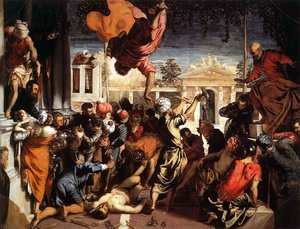
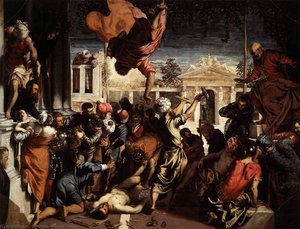
- Das Wunder des Heiligen Markus, der Sklaven befreit (1548): Ein kraftvolles Beispiel für seine dramatische Komposition und Perspektivkünste.
- Arbeiten an der Scuola Grande di San Rocco, Venedig: Dazu gehören „Die Unbefleckte Empfängnis“ und zahlreiche andere Gemälde, die seine Meisterschaft in Erzählung und Maßstab demonstrieren.
- Das letzte Abendmahl (1592–1594): Ein monumentales Werk, das seinen innovativen Ansatz für ein traditionelles Thema demonstriert.
- Zahlreiche religiöse und historische Gemälde für venezianische Kirchen und Paläste.
Einflüsse & Vermächtnis
- Er wurde von Tizians Farbgebung und Michelangelos dynamischer Figurentechnik beeinflusst.
- Tintorettos Werk schloss die Lücke zwischen der Renaissance und dem Barock, indem es spätere Künstler mit seinen dramatischen Kompositionen und ausdrucksstarken Pinselstrichen beeinflusste.
- Seine innovative Verwendung von Licht und Schatten warnt vor Techniken, die von Caravaggio und anderen Barockmeistern verwendet wurden.
- Er hinterließ ein umfangreiches Werk, das bis heute inspiriert und fesselt.
Historische Bedeutung
- Tintoretto war einer der drei großen venezianischen Maler des 16. Jahrhunderts, neben Tizian und Paolo Veronese.
- Er spielte eine entscheidende Rolle bei der Gestaltung der künstlerischen Landschaft Venedigs im späten Renaisanz.
- Sein Werk spiegelt den religiösen Eifer und die politischen Spannungen seiner Zeit wider.
- Tintorettos Vermächtnis als Meister der dramatischen Komposition und des ausdrucksstarken Gemäldes hält an, wodurch er seinen Platz als einer der wichtigsten Künstler der Geschichte festigt.
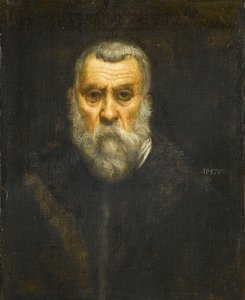
Tintoretto (Jacopo Comin)
1518 - 1594 , Italien
Kurzinfos
- Beeinflusste Künstler:
- Tizian
- Michelangelo
- Bemerkenswerte Werke:
- Das Wunder des Hl. Markus
- Die Himmelfahrt Mariä
- Letzte Abendmahl (San Giorgio)
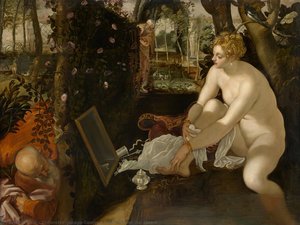
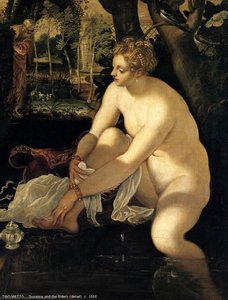
- Susanna und die Älteren
- Geburtsdatum: September/Oktober 1518
- Geburtsort: Venedig, Italien
- Künstlerische Richtung: Manierismus, Venezianische Schule
- Nationalität: Venezianisch
- Todatum: 31. Mai 1594
- Vollständiger Name: Jacopo Tintoretto
- Von Künstlern Beeinflusst:
- Bonifazio Veronese
- Paris Bordone
Ähnliche Artikel

Jacopo Tintoretto: Die 25 Meisterwerke des venezianischen Dramatikers | ArtsDot
Entdecken Sie die 25 Meisterwerke von Jacopo Tintoretto! Tauchen Sie ein in die dramatische Welt der venezianischen Renaissance. Hochwertige Kunst-Reproduktionen & Inspiration für Ihr Zuhause – jetzt auf ArtsDot.com.

The Enduring Legacy of Oil on Canvas: Technique, History & Aesthetic Impact
Explore the rich history & techniques of oil painting – from Renaissance masters to Impressionism. Discover pigments, layering methods, and why this timeless medium endures. Expert insights for artists & art enthusiasts.

Öl auf Leinwand: Eine historische und technische Erkundung eines zeitlosen künstlerischen Mediums
Entdecken Sie die faszinierende Welt der Ölmalerei! Von historischen Techniken bis zur modernen Anwendung – wir bieten Expertenwissen, Restaurierungstipps und hochwertige Reproduktionen. Jetzt informieren!

Das bleibende Erbe der Ölmalerei: Technik, Geschichte und zeitgenössische Praxis
Entdecken Sie die faszinierende Geschichte der Ölmalerei – von den frühen Techniken bis zur modernen Kunst. Expertenwissen, detaillierte Analysen und Inspiration für Sammler & Kunstliebhaber.
Öl auf Leinwand: Die 10 Meisterwerke, die Kunst für immer veränderten |
Entdecken Sie die 10 legendärsten Öl auf Leinwand Meisterwerke! Von Van Gogh bis Monet – erfahren Sie die Geschichten hinter ikonischen Gemälden und lassen Sie sich von Kunstgeschichte inspirieren. Hochwertige Reproduktionen für Ihr Zuhause finden Sie auf .