 Vorschau anzeigen
 Versenden
 Teilen
 Details anzeigen

 Herunterladen
 Ähnliche Objekte
 Röntgenaufnahme
 Diashow
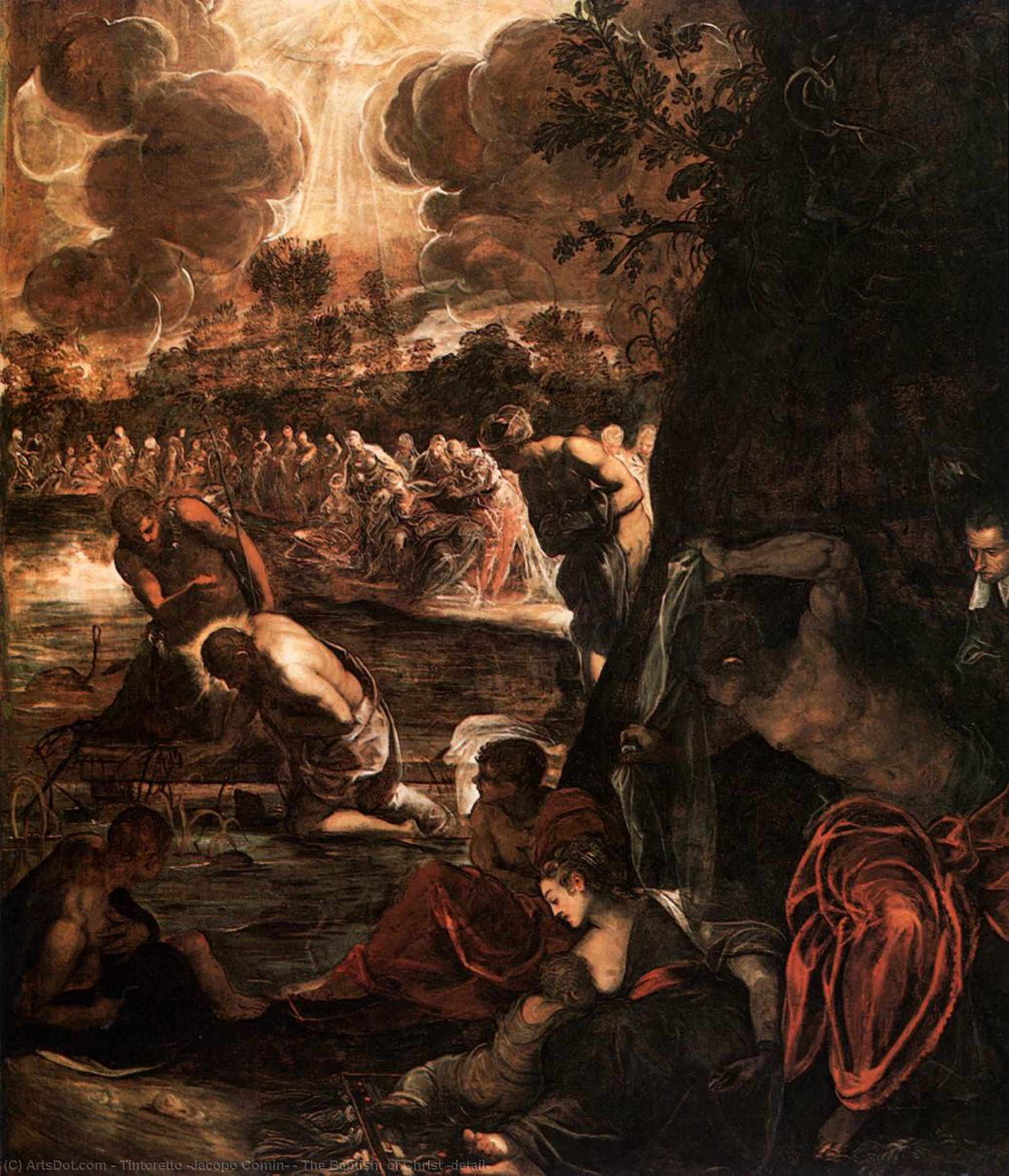
The Baptism of Christ (detail)


 Weiterlesen
Giclée / Kunstdruck
Giclée- oder Leinwanddruck in Museumsqualität mit schneller Produktion und flexiblen Veredelungsoptionen. ( Handgemalte Reproduktion bestellen Bild kaufen)




P118B $10

P118H $10

P118W $10

P438Z $10

P508JH $12

P508YH $12

P805H $10

P805Z $10

P919BZ $10

P919G $10

P919XJ $10

P959ZH $10

P968JZ $12

W106C $8

W218G $10

W218JH $8

W218Y $10

W307PJ $10

W316G $10

W316PJ $8

W316Y $10

W398PJ $8

W4111J $10

W500HY $15

W500JH $15

W692G $12

W849H $8

W940BG $15

W953PJ $8




Wählen Sie aus unseren vordefinierten Formaten, die den ursprünglichen Proportionen des Kunstwerks entsprechen.

Sie können Ihre eigenen Maße eingeben, um ein bestimmtes Format oder einen speziellen Platz einzupassen. Wenn das von Ihnen gewählte Format nicht den Proportionen des Originalbildes entspricht, werden wir das Kunstwerk entweder beschneiden oder das Bild mit einem gespiegelten oder einfarbigen Rand erweitern. Ein digitaler Entwurf wird Ihnen zur Genehmigung zugesandt, bevor die Produktion beginnt.
Bitte beachten Sie, dass die Vorschau auf dem Bildschirm nicht den tatsächlichen Zuschnitt oder die Erweiterung widerspiegelt. Nur der Entwurf zeigt die endgültige Komposition präzise an.
Obwohl Sondermaße verfügbar sind, empfehlen wir die Auswahl eines Maßes aus der vordefinierten Liste, um die ursprünglichen Proportionen zu bewahren.
Weltweiter Versand () innerhalb von 2 Wochen statt der üblichen 4/5 Wochen. (28 August)

Kostenloser weltweiter Expressversand

Hochwertige Leinenleinwand

Umfassender Versicherungsschutz beim Versand

Zollgebühren-Rückerstattungsgarantie

Garantie für exakte Farbtreue

60 Tage Rückgaberecht (nur bei Mängeln)

100% Geld-zurück-Garantie

Mengenrabatt verfügbar
 Die Glasoption ist nur für Größen unter 110 cm verfügbar.

The Baptism of Christ (detail)
Giclée / Kunstdruck
Format der Reproduktion
-


Gesamtpreis
$ 62
A Tempestuous Vision: Tintoretto’s “The Baptism of Christ” (Detail)
This dramatic detail from Jacopo Tintoretto's "The Baptism of Christ" (1579) plunges the viewer into a swirling vortex of emotion and divine power. Far more than a simple depiction of a biblical event, this fragment encapsulates the core tenets of Venetian Mannerism and Tintoretto’s unique artistic vision – a style earning him the nickname Il Furioso (“the furious”).Subject & Historical Context
While appearing to depict a chaotic drowning scene initially, scholars believe this is a section from a larger composition illustrating the Baptism of Christ. Tintoretto, active during the Counter-Reformation, frequently infused religious scenes with intense drama and psychological depth. This period demanded art that powerfully reaffirmed faith, and Tintoretto delivered through dynamic compositions and emotionally charged figures. Venice itself, a vibrant maritime republic, fostered an artistic environment distinct from Rome or Florence – one prioritizing color, light, and theatricality.Style & Technique
The painting is unequivocally Baroque in its anticipation of the style’s hallmarks—though created during the late Mannerist period. The composition is characterized by a flattened perspective, creating an immediacy that draws the viewer directly into the turmoil. Impasto, or thickly applied paint, lends a tactile quality to the work, emphasizing the physicality of the figures and the turbulent energy of the water. Strong diagonal lines dominate, guiding the eye through the scene and amplifying the sense of movement and instability. Tintoretto’s masterful use of light is particularly striking; a brilliant illumination focuses on key figures while deep shadows engulf others, heightening the drama and creating a powerful contrast.Symbolism & Interpretation
The swirling waters and struggling forms can be interpreted as symbolic representations of spiritual cleansing and the struggle against sin. The drowning figures may represent those lost to temptation or facing divine judgment. The onlookers, though partially obscured, symbolize humanity’s reaction to these powerful events – a mixture of fear, grief, and awe. Tintoretto often imbued his religious paintings with layers of allegorical meaning, inviting viewers to contemplate the deeper spiritual implications of the scene.Emotional Impact & Aesthetic Appeal
This detail is not merely a visual representation; it’s an *experience*. The painting evokes feelings of unease, drama, and even terror. The raw emotion conveyed through the figures' contorted bodies and expressive gestures is profoundly affecting. For collectors and interior designers, this piece – or a high-quality reproduction – offers a striking focal point. Its rich color palette of reds, browns, and blacks lends itself to both traditional and contemporary settings, adding depth, sophistication, and a touch of dramatic flair. The dynamic composition will enliven any space, sparking conversation and inspiring contemplation.Tintoretto’s Legacy
- Born Jacopo Robusti in Venice (1518-1594), Tintoretto revolutionized Venetian painting.
- Known for his speed and audacious brushwork, he bridged the gap between Renaissance and Baroque styles.
- His influence extended to later masters like Eugène Delacroix and John Singer Sargent.
Ähnliche Kunstwerke
Über den Künstler
Jacopo Tintoretto (1518–1594)
Frühes Leben und Ausbildung
- Geboren Jacopo Robusti in Venedig um Ende September oder Anfang Oktober 1518.
- Sein Vater, Battista Robusti, war Färber – daher der Spitzname „Tintoretto“ („kleiner Färber“).
- Details seiner formellen Ausbildung sind spärlich; Berichte deuten auf ein kurzes und erfolgloses Lehrverhältnis mit Tizian hin.
- Er lernte wahrscheinlich autodidaktisch, indem er sich durch Sektionen und Zeichnungen aus Gips- und Reliefskulpturen mit Anatomie beschäftigte.
Künstlerische Entwicklung & Stil
- Tintorettos Stil ist durch dramatische Kompositionen, energiegeladene Figuren und eine mutige Verwendung der Perspektive gekennzeichnet.
- Seine frühen Werke zeigen eine Mischung aus Einflüssen, darunter Tizian, Michelangelo und andere venezianische Meister.
- Er entwickelte eine besondere Technik mit schnellem Pinselstrich und innovativen Lichteffekten – wodurch er den Spitznamen „Il Furioso“ („der Wütende“) erhielt.
- Seine Arbeit entwickelte sich hin zu immer dynamischeren und emotional aufgeladenen Szenen, oft mit komplexen räumlichen Anordnungen.
Wichtige Werke & Leistungen
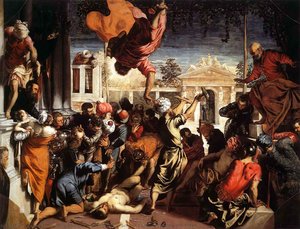
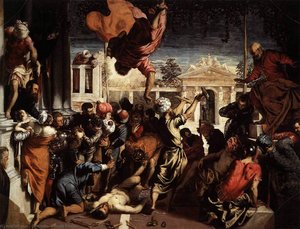
- Das Wunder des Heiligen Markus, der Sklaven befreit (1548): Ein kraftvolles Beispiel für seine dramatische Komposition und Perspektivkünste.
- Arbeiten an der Scuola Grande di San Rocco, Venedig: Dazu gehören „Die Unbefleckte Empfängnis“ und zahlreiche andere Gemälde, die seine Meisterschaft in Erzählung und Maßstab demonstrieren.
- Das letzte Abendmahl (1592–1594): Ein monumentales Werk, das seinen innovativen Ansatz für ein traditionelles Thema demonstriert.
- Zahlreiche religiöse und historische Gemälde für venezianische Kirchen und Paläste.
Einflüsse & Vermächtnis
- Er wurde von Tizians Farbgebung und Michelangelos dynamischer Figurentechnik beeinflusst.
- Tintorettos Werk schloss die Lücke zwischen der Renaissance und dem Barock, indem es spätere Künstler mit seinen dramatischen Kompositionen und ausdrucksstarken Pinselstrichen beeinflusste.
- Seine innovative Verwendung von Licht und Schatten warnt vor Techniken, die von Caravaggio und anderen Barockmeistern verwendet wurden.
- Er hinterließ ein umfangreiches Werk, das bis heute inspiriert und fesselt.
Historische Bedeutung
- Tintoretto war einer der drei großen venezianischen Maler des 16. Jahrhunderts, neben Tizian und Paolo Veronese.
- Er spielte eine entscheidende Rolle bei der Gestaltung der künstlerischen Landschaft Venedigs im späten Renaisanz.
- Sein Werk spiegelt den religiösen Eifer und die politischen Spannungen seiner Zeit wider.
- Tintorettos Vermächtnis als Meister der dramatischen Komposition und des ausdrucksstarken Gemäldes hält an, wodurch er seinen Platz als einer der wichtigsten Künstler der Geschichte festigt.
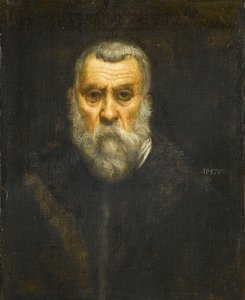
Tintoretto (Jacopo Comin)
1518 - 1594 , Italien
Kurzinfos
- Beeinflusste Künstler:
- Tizian
- Michelangelo
- Bemerkenswerte Werke:
- Das Wunder des Hl. Markus
- Die Himmelfahrt Mariä
- Letzte Abendmahl (San Giorgio)
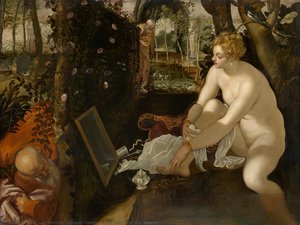
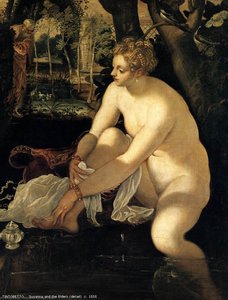
- Susanna und die Älteren
- Geburtsdatum: September/Oktober 1518
- Geburtsort: Venedig, Italien
- Künstlerische Richtung: Manierismus, Venezianische Schule
- Nationalität: Venezianisch
- Todatum: 31. Mai 1594
- Vollständiger Name: Jacopo Tintoretto
- Von Künstlern Beeinflusst:
- Bonifazio Veronese
- Paris Bordone
Ähnliche Artikel

Jacopo Tintoretto: Die 25 Meisterwerke des venezianischen Dramatikers | ArtsDot
Entdecken Sie die 25 Meisterwerke von Jacopo Tintoretto! Tauchen Sie ein in die dramatische Welt der venezianischen Renaissance. Hochwertige Kunst-Reproduktionen & Inspiration für Ihr Zuhause – jetzt auf ArtsDot.com.

The Dramatic Flourish: Exploring the Baroque Movement's Enduring Legacy in Art History
Explore the dramatic world of Baroque art! Discover iconic artists like Caravaggio & Rubens, defining techniques, and its lasting impact on art history. Expert insights for collectors & enthusiasts at ArtsDot.

The Visceral Stage: Exploring Dramatic Narratives & Emotional Intensity in Baroque Art
Explore the dramatic world of Baroque art! Discover iconic masters like Caravaggio & Rembrandt, their techniques, and the movement's lasting impact. Expert insights for collectors & enthusiasts at ArtsDot.

Barock Meisterwerke: Die 10 prägendsten Kunstwerke für Ihr Zuhause |
Entdecken Sie die 10 prägendsten Meisterwerke des Barock! Caravaggio, Rembrandt & Co. – Erfahren Sie die Geschichten hinter ikonischen Gemälde und finden Sie hochwertige Kunst Reproduktionen für Ihr Zuhause auf .

Barocke Pracht: Wie Sie Opulenz und Emotionen in zeitgenössische Innenräume bringen
Entdecken Sie die Pracht des Barock! Expertenratgeber für luxuriöse Innenräume mit barocken Elementen. Inspiration, Tipps & hochwertige Kunst bei .