

 Vorschau anzeigen
 Versenden
 Teilen
 Details anzeigen

 Herunterladen
 Ähnliche Objekte
 Röntgenaufnahme
 Diashow
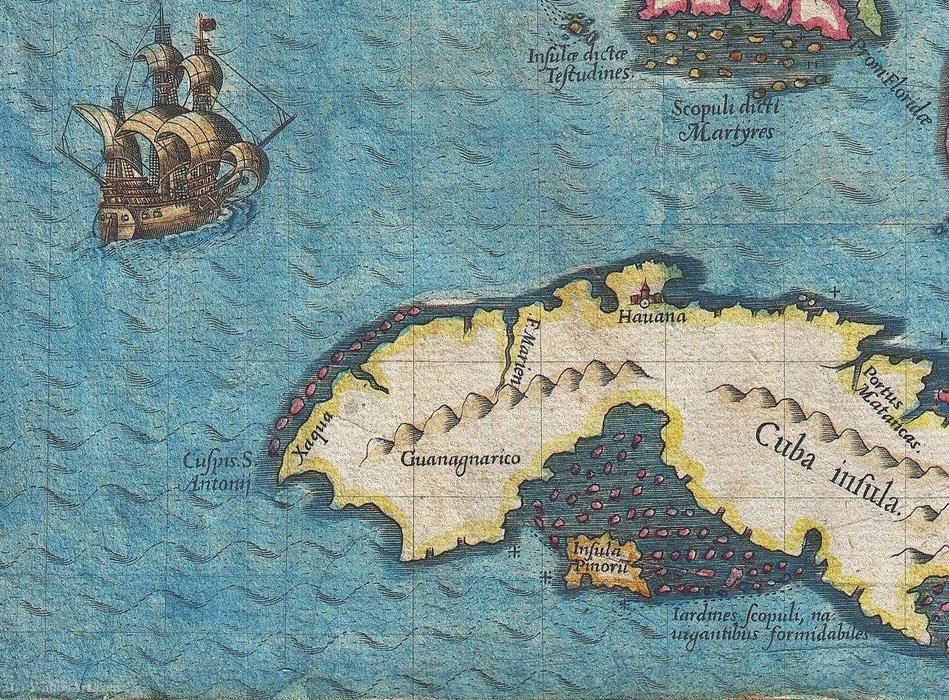
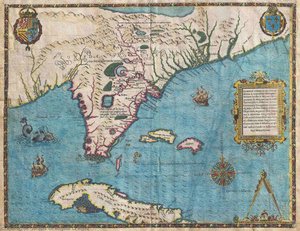
MAP OF West Cuba. Engraved map by en
 Weiterlesen
Erwerben Sie ein hochauflösendes, optimiertes digitales Bild, das der Online-Vorschau weit überlegen ist.
Jede Datei wird von unseren hauseigenen Spezialisten mit modernsten Werkzeugen und fachmännischer manueller Retusche sorgfältig vorbereitet. Wir stellen sicher, dass jedes Bild eine außergewöhnliche Klarheit, präzise Farbgenauigkeit und feinste Details aufweist.
Die endgültige Datei wird innerhalb von 72 Stunden per E-Mail zugestellt und ist für den sofortigen Einsatz in professionellen, redaktionellen und Druckumgebungen optimiert. Es handelt sich um dieselbe Qualität, der führende Designstudios, Verlage und Galerien vertrauen.
Digitales Bild
Laden Sie eine hochauflösende Datei für die persönliche Präsentation, den Druck und kreative Projekte herunter. ( Druck bestellen Handgemalte Reproduktion bestellen)
In jeder Bestellung digitaler Bilder enthalten
Professionelle digitale Bereitstellung, garantiert
Wenn Sie sich für ArtsDot.com entscheiden, erhalten Sie nicht nur ein Bild – Sie erhalten ein professionell aufbereitetes digitales Kunstwerk, das mit höchster Präzision erstellt und durch eine Zufriedenheitsgarantie abgesichert wird. Hier ist alles, was automatisch mit Ihrer Bestellung geliefert wird:

Schnelle E-Mail-Zustellung
Ihre hochauflösende digitale Bilddatei wird Ihnen innerhalb von 72 Stunden nach der Bestellung per E-Mail zugestellt – bereit zur sofortigen Verwendung.

KI-optimierte digitale Datei
Ihre Kunstwerke werden professionell mithilfe fortschrittlicher KI-Tools und manueller Bearbeitung optimiert, um maximale Detailtreue, Klarheit und Farbgenauigkeit zu gewährleisten.

Lebenslanger kostenloser Neudruckservice
Datei versehentlich gelöscht oder verloren? Keine Sorge – wir senden sie Ihnen jederzeit kostenlos erneut zu.

Keine Einfuhrgebühren – jemals
Genießen Sie Ihr Kunstwerk sofort ohne Zollgebühren, Einfuhrabgaben oder Versandkosten – digitale Downloads sind immer steuerfrei.

Garantierte Farbtreue
Wir garantieren, dass Ihr digitales Bild mithilfe professioneller Werkzeuge und Farbmanagement die Originalfarben so präzise wie möglich wiedergibt.

100-Tage-Zufriedenheitsgarantie
Sollten Sie mit Ihrem digitalen Bild nicht zufrieden sein, werden wir es überarbeiten oder Ihnen innerhalb von 100 Tagen 100% erstatten – ohne Wenn und Aber.

100% Geld-zurück-Garantie
Nicht zufrieden? Erhalten Sie innerhalb von 100 Tagen nach Erhalt Ihrer digitalen Datei eine vollständige Rückerstattung – ohne Angabe von Gründen.

Rabatte bei Großbestellungen
3 Bilder kaufen, 10% sparen – 5 Bilder kaufen, 15% sparen – Ab 10 Bildern 20% sparen. Ideal für kreative Projekte, Galerien und Agenturen.
Ähnliche Kunstwerke
Biografie des Künstlers
Jacques (de Morgues) Le Moyne: Bridging Worlds Through Art and Exploration
Jacques (de Morgues) Le Moyne (c. 1533 – 1588) remains a figure of captivating mystery and profound historical significance, an artist whose life intertwined inextricably with the dawn of European exploration and colonization in North America. Born in Dieppe, France, his journey took him from the bustling harbors of his homeland to the nascent settlements of Florida and Cuba, where he meticulously documented a world on the cusp of transformation – a world viewed through the unique lens of a skilled cartographer and artist deeply immersed in Native American cultures.
Until relatively recently, Le Moyne’s legacy was largely obscured, relegated to the footnotes of ethnographic studies. His name appeared primarily as the illustrator and chronicler of René de Laudonnière's ill-fated 1564-65 expedition to Florida, a detail overshadowed by the broader narrative of European ambition. However, recent scholarship has resurrected his story, revealing an artist of remarkable talent and sensitivity, one who offered unprecedented insights into the lives, customs, and beliefs of the Timucua people – the indigenous inhabitants of northeastern Florida and southeastern Georgia.
Early Life and Artistic Training
Details surrounding Le Moyne’s early life remain frustratingly sparse. It is believed he received his artistic training in Dieppe, a thriving port city renowned for its shipbuilding and burgeoning art scene during the 16th century. The precise nature of this training remains unknown, but it likely encompassed elements of painting, drawing, and cartography – skills that would prove crucial to his future endeavors. His family’s connection to the maritime trade further suggests an early exposure to maps and navigational charts, laying the groundwork for his later contributions in these fields.
Crucially, Le Moyne's artistic background was deeply intertwined with the Huguenot religious movement. As a Protestant in a predominantly Catholic France, he faced significant challenges and ultimately fled the country, seeking refuge in England. This exile profoundly shaped his life and career, leading him to London where he found patronage from Sir Walter Raleigh, a key figure in English exploration of North America.
The Florida Expeditions: A Witness to Colonial Beginnings
Le Moyne’s most enduring legacy stems from his participation in the French expeditions to Florida. In 1564, he joined René de Laudonnière's expedition, serving as both a cartographer and artist. This marked a pivotal moment – not only for Le Moyne but also for European understanding of the New World. Unlike many of his contemporaries who depicted Native Americans through stereotypical or reductive imagery, Le Moyne sought to capture their likenesses with remarkable accuracy and detail. His watercolors and drawings offer invaluable visual records of Timucua life, including their clothing, dwellings, rituals, and social structures.
His most famous work from this period is the depiction of Athore showing Laudonniere the Marker Column set up by Ribault, executed in watercolor on vellum. This image, now housed at the New York Public Library, exemplifies Le Moyne’s artistic skill and his commitment to representing Native Americans with respect and dignity. It's a testament to his ability to capture not just physical appearances but also the essence of their culture.
Botanical Art and English Patronage
Following his return to France, Le Moyne continued to work as a court artist, specializing in botanical illustrations. His 1584 publication, *La Clef des Champs* (The Key to Fields), showcased his talent for rendering the intricate details of plants with astonishing precision – a skill that would later find an appreciative audience in England.
In 1572, Le Moyne fled France and settled in London, where he secured patronage from Sir Walter Raleigh. He spent the remainder of his life producing exquisite watercolor paintings of flowers and fruits for Raleigh’s collection. These works are considered among the finest examples of botanical art produced during the Elizabethan era, showcasing a meticulous attention to detail and a deep understanding of plant morphology.
Legacy and Historical Significance
Jacques Le Moyne de Morgues's contribution extends far beyond his artistic achievements. His depictions of Native American life provide an invaluable historical record, offering insights into the cultures and societies that were profoundly impacted by European colonization. His work stands as a rare example of empathetic observation – a testament to his ability to bridge cultural divides through art.
Furthermore, Le Moyne’s maps played a crucial role in shaping early European perceptions of North America. His cartographic skills, combined with his artistic talent, allowed him to create detailed and accurate representations of the Florida coastline and surrounding regions – images that would later be disseminated through Theodore de Bry's *Great Voyages*, influencing public opinion and contributing to the broader narrative of European exploration.
Today, Le Moyne’s work is celebrated for its artistic merit, historical significance, and profound insights into a pivotal period in American history. His legacy continues to inspire artists and scholars alike, reminding us of the importance of cultural understanding and the power of art to illuminate the past.
jacques (de morgues) le moyne
1533 - 1588 , France
Kurzinfos
- Artistic Movement Or Style: Cartography, Exploration
- Artists Or Movements Influenced By This Artist: ['De Bry']
- Artists Who Influenced This Artist: ['Ribault']
- Date Of Birth: c. 1533
- Date Of Death: 1588
- Full Name: Jacques de Morgues le Moyne
- Nationality: French
- Notable Artworks:
- Timucua Indian village
- Arrival of Spanish
- Place Of Birth: Dieppe, France