

 Vorschau anzeigen
 Versenden
 Teilen
 Details anzeigen

 Herunterladen
 Ähnliche Objekte
 Röntgenaufnahme
 Diashow
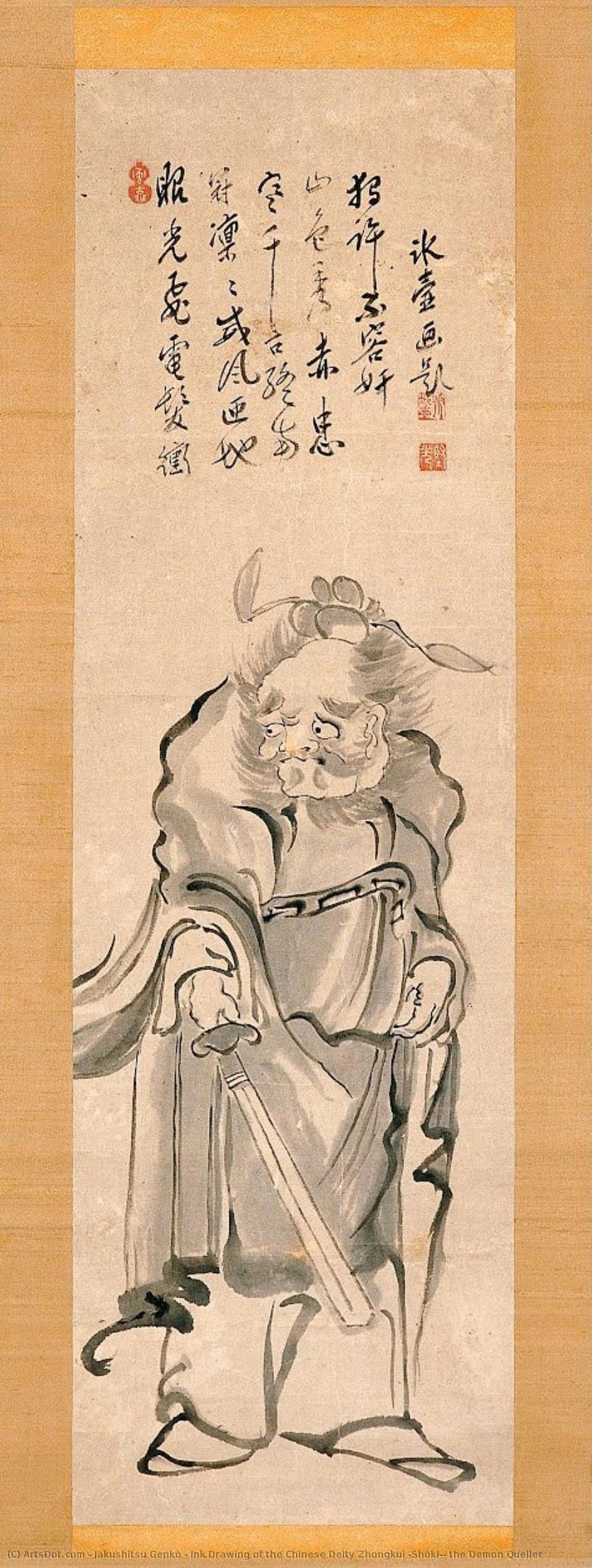
Ink Drawing of the Chinese Deity Zhongkui (Shōki), the Demon Queller

 Weiterlesen
Erwerben Sie ein hochauflösendes, optimiertes digitales Bild, das der Online-Vorschau weit überlegen ist.
Jede Datei wird von unseren hauseigenen Spezialisten mit modernsten Werkzeugen und fachmännischer manueller Retusche sorgfältig vorbereitet. Wir stellen sicher, dass jedes Bild eine außergewöhnliche Klarheit, präzise Farbgenauigkeit und feinste Details aufweist.
Die endgültige Datei wird innerhalb von 72 Stunden per E-Mail zugestellt und ist für den sofortigen Einsatz in professionellen, redaktionellen und Druckumgebungen optimiert. Es handelt sich um dieselbe Qualität, der führende Designstudios, Verlage und Galerien vertrauen.
Digitales Bild
Laden Sie eine hochauflösende Datei für die persönliche Präsentation, den Druck und kreative Projekte herunter. ( Druck bestellen Handgemalte Reproduktion bestellen)
In jeder Bestellung digitaler Bilder enthalten
Professionelle digitale Bereitstellung, garantiert
Wenn Sie sich für ArtsDot.com entscheiden, erhalten Sie nicht nur ein Bild – Sie erhalten ein professionell aufbereitetes digitales Kunstwerk, das mit höchster Präzision erstellt und durch eine Zufriedenheitsgarantie abgesichert wird. Hier ist alles, was automatisch mit Ihrer Bestellung geliefert wird:

Schnelle E-Mail-Zustellung
Ihre hochauflösende digitale Bilddatei wird Ihnen innerhalb von 72 Stunden nach der Bestellung per E-Mail zugestellt – bereit zur sofortigen Verwendung.

KI-optimierte digitale Datei
Ihre Kunstwerke werden professionell mithilfe fortschrittlicher KI-Tools und manueller Bearbeitung optimiert, um maximale Detailtreue, Klarheit und Farbgenauigkeit zu gewährleisten.

Lebenslanger kostenloser Neudruckservice
Datei versehentlich gelöscht oder verloren? Keine Sorge – wir senden sie Ihnen jederzeit kostenlos erneut zu.

Keine Einfuhrgebühren – jemals
Genießen Sie Ihr Kunstwerk sofort ohne Zollgebühren, Einfuhrabgaben oder Versandkosten – digitale Downloads sind immer steuerfrei.

Garantierte Farbtreue
Wir garantieren, dass Ihr digitales Bild mithilfe professioneller Werkzeuge und Farbmanagement die Originalfarben so präzise wie möglich wiedergibt.

60-Tage-Zufriedenheitsgarantie
Sollten Sie mit Ihrem digitalen Bild nicht zufrieden sein, werden wir es überarbeiten oder Ihnen innerhalb von 60 Tagen 100% erstatten – ohne Wenn und Aber.

100% Geld-zurück-Garantie
Nicht zufrieden? Erhalten Sie innerhalb von 60 Tagen nach Erhalt Ihrer digitalen Datei eine vollständige Rückerstattung – ohne Angabe von Gründen.

Rabatte bei Großbestellungen
3 Bilder kaufen, 10% sparen – 5 Bilder kaufen, 15% sparen – Ab 10 Bildern 20% sparen. Ideal für kreative Projekte, Galerien und Agenturen.
Ähnliche Kunstwerke
Biografie des Künstlers
A Poet of Stillness: Exploring the Legacy of Jakushitsu Genkō
Jakushitsu Genkō (寂室 元光, june 23, 1290 – september 25, 1367) stands as a singular figure in fourteenth-century Japan—a Rinzai Zen master whose artistic output transcended mere craftsmanship to embody the very essence of contemplative practice. More than just a painter’s disciple, Genkō was a poet who wrestled with profound philosophical questions and distilled them into verses that continue to resonate with practitioners and scholars alike. His contribution to Zen aesthetics is undeniable, cementing his place among Japan's most revered literary luminaries. Early Life & Artistic Formation: Little biographical detail survives concerning Genkō’s formative years; he emerged from obscurity as a student of Zen at Nara Temple, establishing a foundation for his lifelong devotion to the Dharma. However, it was his pilgrimage to China between 1320 and 1326 that irrevocably shaped his artistic sensibilities. Driven by an unwavering desire for enlightenment, Genkō traveled extensively, immersing himself in the teachings of Linji Chan Buddhism—a school known for its radical immediacy and paradoxical pronouncements. This experience instilled within him a deep appreciation for simplicity and directness, qualities that would permeate his poetic endeavors. He was born into an aristocratic family during a period of unrest and political instability in Japan. At the age of 12, he was sent to a monastery in Kyoto. Monasteries were often the best place to receive a good education. While Jakushitsu was a boy, he apparently did not have a strong religious vocation, but a meeting with a visiting Zen monk deeply impressed him. The monk's focused meditation, along with his peace and wisdom, inspired the young Genkō and he decided to dedicate himself to Zen practice. The Influence of Linji & Literary Tradition: The Linji School’s emphasis on sudden enlightenment profoundly impacted Genkō's worldview. Rejecting elaborate ritualistic practices, Linji masters advocated for confronting reality without mediation—a principle mirrored in Genkō’s poetry. He drew inspiration from the towering figures of Fujiwara no Teika and other prominent poets of his era, absorbing their stylistic innovations while forging a distinctly Japanese voice. Furthermore, Genkō's artistic vision was informed by the burgeoning tradition of literati painting, particularly the serene landscapes favored by Lu You—a movement that prioritized capturing the spirit of nature rather than mere visual representation. This approach reflected a core Zen belief: true understanding arises from perceiving the world as it is, unburdened by preconceptions and judgments. A Voice of Quiet Reflection: Genkō’s poetic style is characterized by its breathtaking brevity and crystalline clarity. He eschewed ornate metaphors and elaborate descriptions, opting instead for concise phrases that conveyed profound spiritual insight. Recurring motifs—mountains, waterfalls, and autumn foliage—served as conduits for exploring themes of impermanence, emptiness (sunyata), and the elusive quest for liberation. His poems aren’t merely aesthetically pleasing; they are invitations to contemplate the fundamental nature of existence. Consider his famous verse: “Rock slab seat / Legs folded sitting alone / Not loathing noise / Not savoring silence.” This simple image encapsulates the Zen ideal of accepting all experiences without attachment—a cornerstone of Buddhist philosophy. Notable Works & Recognition: Genkō's magnum opus is arguably “Poems of the Five Mountains,” a collection that meticulously documented his travels across Japan’s sacred peaks—Mount Fuji, Mount Hakusan, Mount Kinmochi, Mount Ōyama, and Mount Tsukuba. These poems capture not only the physical beauty of these landscapes but also their symbolic significance as emblems of spiritual aspiration. He believed that observing nature could illuminate the path to enlightenment, mirroring the Zen practice of mindfulness. His inclusion in the Shin Kokin Wakashū—an imperial anthology considered one of Japan’s finest achievements in waka poetry—solidified his reputation as a master poet and ensured that his verses would endure for centuries to come. The Shin Kokin Wakashū recognized Genkō's poetic genius, elevating him to the status of literary icon. Legacy & Enduring Significance: Jakushitsu Genkō’s influence extends far beyond the confines of his own lifetime. He championed Zen Buddhism’s core tenets, advocating for mindfulness and cultivating inner peace—values that continue to inspire Buddhist practitioners today. His poetic legacy serves as a testament to the transformative power of contemplation and reminds us that true wisdom resides not in intellectual understanding but in experiencing the world with unwavering awareness. For a deeper exploration of his work and life, consult https://de.wikipedia.org/wiki/Jakushitsu_Genk%C5%8D or Wikipedia.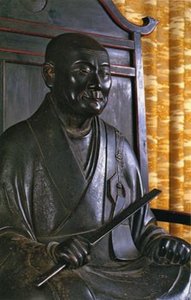
Jakushitsu Genkō
1290 - 1367 , Japan
Kurzinfos
- Artistic Movement Or Style: Rinzai Zen
- Artists Or Movements Influenced By This Artist:
- Lu You
- Fujiwara no Teika
- Artists Who Influenced This Artist: ['Linji Schule']
- Date Of Birth: 23. Juni 1290
- Date Of Death: 25. September 1367
- Full Name: Jakushitsu Genkō
- Nationality: Japanisch
- Notable Artworks: ['Poems der fünf Berge']
- Place Of Birth: Tokyo, Japan

