

 Vorschau anzeigen
 Versenden
 Teilen
 Details anzeigen

 Herunterladen
 Ähnliche Objekte
 Röntgenaufnahme
 Diashow
 Statistiken
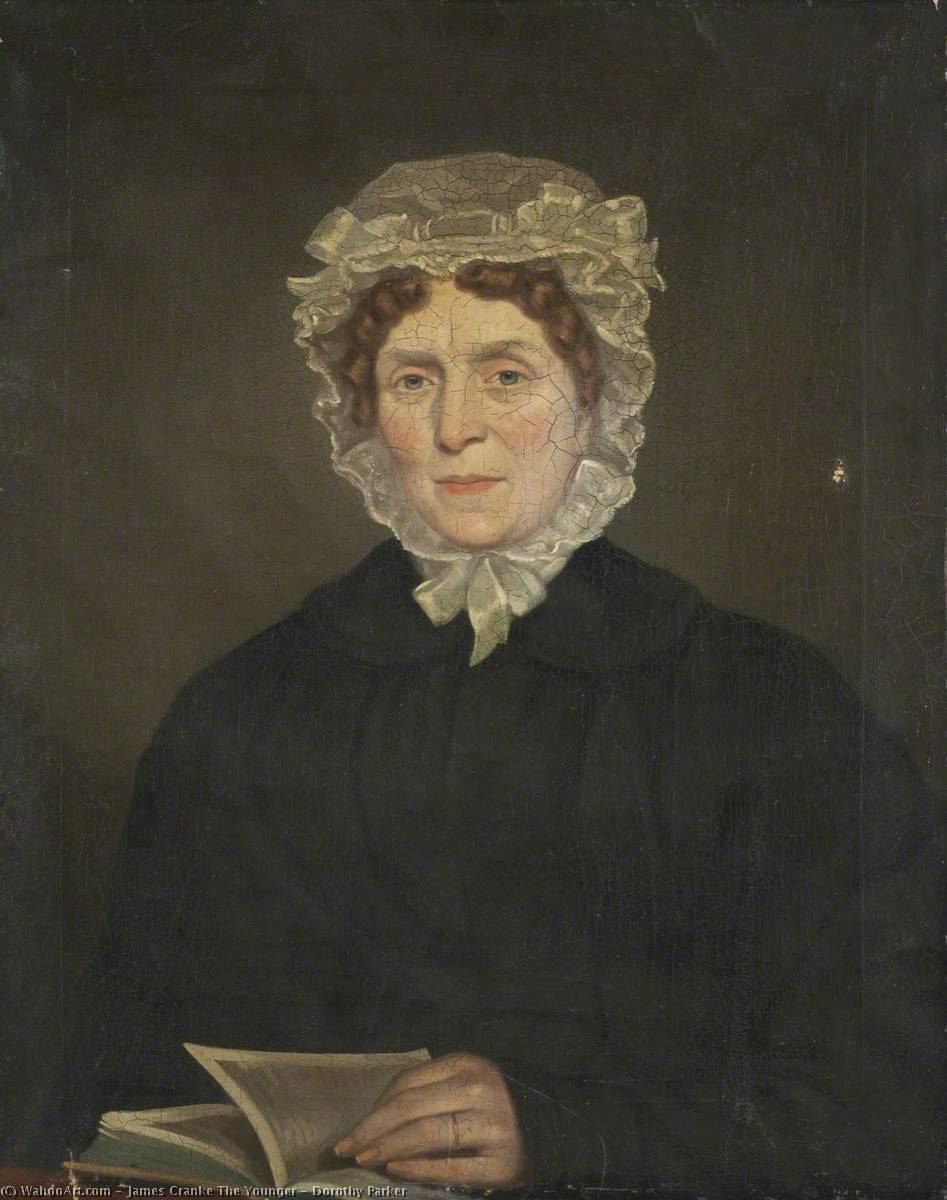
Dorothy Parker
 1826
1826 74.0 x 61.0 cm
 Das Hafenmuseum
 Weiterlesen
Erwerben Sie ein hochauflösendes, optimiertes digitales Bild, das der Online-Vorschau weit überlegen ist.
Jede Datei wird von unseren hauseigenen Spezialisten mit modernsten Werkzeugen und fachmännischer manueller Retusche sorgfältig vorbereitet. Wir stellen sicher, dass jedes Bild eine außergewöhnliche Klarheit, präzise Farbgenauigkeit und feinste Details aufweist.
Die endgültige Datei wird innerhalb von 72 Stunden per E-Mail zugestellt und ist für den sofortigen Einsatz in professionellen, redaktionellen und Druckumgebungen optimiert. Es handelt sich um dieselbe Qualität, der führende Designstudios, Verlage und Galerien vertrauen.
Digitales Bild
Laden Sie eine hochauflösende Datei für die persönliche Präsentation, den Druck und kreative Projekte herunter. ( Zu Druck wechseln Handgemalte Reproduktion bestellen)
In jeder Bestellung digitaler Bilder enthalten
Professionelle digitale Bereitstellung, garantiert
Wenn Sie sich für ArtsDot.com entscheiden, erhalten Sie nicht nur ein Bild – Sie erhalten ein professionell aufbereitetes digitales Kunstwerk, das mit höchster Präzision erstellt und durch eine Zufriedenheitsgarantie abgesichert wird. Hier ist alles, was automatisch mit Ihrer Bestellung geliefert wird:

Schnelle E-Mail-Zustellung
Ihre hochauflösende digitale Bilddatei wird Ihnen innerhalb von 72 Stunden nach der Bestellung per E-Mail zugestellt – bereit zur sofortigen Verwendung.

KI-optimierte digitale Datei
Ihre Kunstwerke werden professionell mithilfe fortschrittlicher KI-Tools und manueller Bearbeitung optimiert, um maximale Detailtreue, Klarheit und Farbgenauigkeit zu gewährleisten.

Lebenslanger kostenloser Neudruckservice
Datei versehentlich gelöscht oder verloren? Keine Sorge – wir senden sie Ihnen jederzeit kostenlos erneut zu.

Keine Einfuhrgebühren – jemals
Genießen Sie Ihr Kunstwerk sofort ohne Zollgebühren, Einfuhrabgaben oder Versandkosten – digitale Downloads sind immer steuerfrei.

Garantierte Farbtreue
Wir garantieren, dass Ihr digitales Bild mithilfe professioneller Werkzeuge und Farbmanagement die Originalfarben so präzise wie möglich wiedergibt.

100-Tage-Zufriedenheitsgarantie
Wenn Sie mit Ihrem digitalen Bild nicht zufrieden sind, werden wir es überarbeiten oder 100% innerhalb von 100 Tagen erstatten – ohne Wenn und Aber.

100% Geld-zurück-Garantie
Nicht zufrieden? Erhalten Sie innerhalb von 100 Tagen nach Erhalt Ihrer digitalen Datei eine vollständige Rückerstattung – ohne Wenn und Aber.

Rabatte bei Großbestellungen
3 Bilder kaufen, 10% sparen – 5 Bilder kaufen, 15% sparen – Ab 10 Bildern 20% sparen. Ideal für kreative Projekte, Galerien und Agenturen.
Ähnliche Kunstwerke








Biografie des Künstlers
James Cranke the Younger (1748–1826): A Master of Romantic Portraiture
James Cranke the Younger, born in Edinburgh around 1748, was a Scottish portrait painter who achieved considerable renown during his lifetime and continues to be admired for his elegant depictions of aristocratic subjects and landscapes imbued with atmospheric subtlety. His artistic journey unfolded against the backdrop of the Enlightenment and Romantic era, shaping him into one of Scotland’s most distinguished artists of the late 18th century.- Early Life & Training: Cranke's formative years were spent honing his skills under the tutelage of James Gillray, a celebrated engraver and printmaker known for his satirical caricatures. This exposure to printmaking instilled in him a meticulous attention to detail and an understanding of tonal gradation—techniques that would become hallmarks of his painting style.
- Influences & Artistic Style: Cranke’s artistic sensibilities were profoundly influenced by the Romantic movement, particularly its fascination with sublime landscapes and expressive emotion. He drew inspiration from artists like Rembrandt and Rubens, adopting their masterful use of chiaroscuro—the dramatic interplay between light and shadow—to convey depth and psychological nuance in his portraits.
- Notable Works: Cranke’s oeuvre comprises a substantial collection of paintings showcasing both portraiture and landscape compositions. Among his most celebrated works is “La notte” (Adoration of the Shepherds), an evocative depiction after Correggio's masterpiece, demonstrating his ability to capture the ethereal beauty of light and color while adhering to classical compositional principles. His landscapes often evoke a sense of melancholy contemplation, reflecting the Romantic preoccupation with the grandeur and vulnerability of nature.
- Dorothy Parker & Patronage: Cranke gained considerable recognition during his time in London, where he cultivated relationships with prominent figures like Dorothy Parker—a celebrated American playwright and poet—who commissioned several portraits of her family members. This patronage ensured that Cranke’s work was disseminated widely and contributed to establishing him as a respected artist within the cultural elite.
- Legacy & Recognition: James Cranke the Younger died in Edinburgh in 1826, leaving behind a legacy of exquisite paintings that continue to captivate audiences today. His meticulous technique, combined with his sensitivity to Romantic ideals, cemented his place among Scotland’s artistic luminaries and ensured that his art would endure as an embodiment of elegance and emotional depth.
Correggio & Rubens: Shaping Cranke's Artistic Vision
Cranke’s artistic approach was decisively molded by the stylistic innovations of Correggio and Rubens—two artists who championed chiaroscuro and dramatic composition as vehicles for conveying emotion and grandeur. Correggio’s frescoes in Parma, particularly “The Visitation,” captivated Cranke with their luminous color palettes and masterful use of atmospheric perspective—techniques that encouraged him to explore similar visual effects in his own paintings. Similarly, Rubens' monumental canvases, characterized by dynamic figures and opulent drapery, instilled in Cranke a belief in the importance of conveying psychological intensity alongside formal beauty.- Correggio’s Influence: Correggio’s frescoes served as a model for Cranke’s exploration of light and color—specifically, his ability to create illusions of depth and luminosity through subtle tonal variations.
- Rubens' Impact: Rubens’ dramatic compositions encouraged Cranke to imbue his landscapes with a sense of grandeur and emotional resonance—a characteristic that distinguishes his work from more restrained depictions of the natural world.
Technique & Artistic Considerations
Cranke meticulously executed his paintings using oil paints on canvas, employing a technique rooted in academic tradition yet infused with Romantic sensibilities. He achieved remarkable tonal accuracy through painstaking layering and blending—a process that demanded considerable patience and skill. Furthermore, Cranke’s compositional choices reflected the influence of classical art history, prioritizing balance and harmony while simultaneously capturing fleeting moments of emotion and atmosphere.- Oil Paint Application: Cranke's mastery of oil paint allowed him to achieve nuanced tonal gradations—essential for conveying depth and luminosity in his portraits and landscapes.
- Chiaroscuro Mastery: Like Rembrandt and Rubens, Cranke skillfully utilized chiaroscuro—the dramatic contrast between light and shadow—to heighten emotional impact and create a sense of theatrical grandeur.
Notable Landscape Paintings
Beyond his portraiture commissions, Cranke produced several striking landscape paintings that exemplify the Romantic preoccupation with sublime beauty and contemplative emotion. His canvases often depict dramatic vistas bathed in ethereal light—capturing the majesty of Scotland’s highlands and conveying a profound sense of solitude and wonder. These landscapes stand as testament to Cranke's ability to translate Romantic ideals into visual form, cementing his reputation as one of Scotland’s foremost landscape artists.- “Gordale Scar” Inspiration: Cranke drew inspiration from the dramatic scenery of Gordale Scar—a geological formation in Cumbria—mirroring the grandeur and emotional intensity found in landscapes by Turner and Constable.
Conclusion: A Lasting Impression
James Cranke the Younger’s artistic legacy extends far beyond his individual paintings—he represents a pivotal figure in Scottish art history, embodying the spirit of Romanticism while upholding the standards of academic tradition. His meticulous technique, coupled with his profound sensitivity to emotion and atmosphere, ensured that his work would endure as an exemplar of elegance and psychological depth—a testament to his enduring contribution to British artistic culture.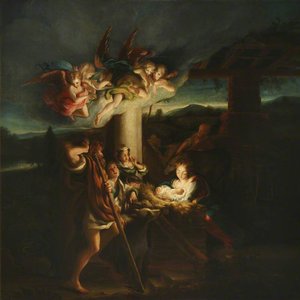
Kurzinfos
- Artistic Movement Or Style: Romantic Landscape & Animal Painting
- Artists Or Movements Influenced By This Artist:
- Correggio Aftermath
- Rubens Style Art
- Artists Who Influenced This Artist: ['James Ward']
- Date Of Death: 1826
- Full Name: James Cranke the Younger
- Nationality: British
- Notable Artworks:
- La notte (Adoration of the Shepherds)
- Dorothy Parker Art
- Place Of Birth: London, England