 Vorschau anzeigen
 Versenden
 Teilen
 Details anzeigen

 Herunterladen
 Ähnliche Objekte
 Röntgenaufnahme
 Diashow
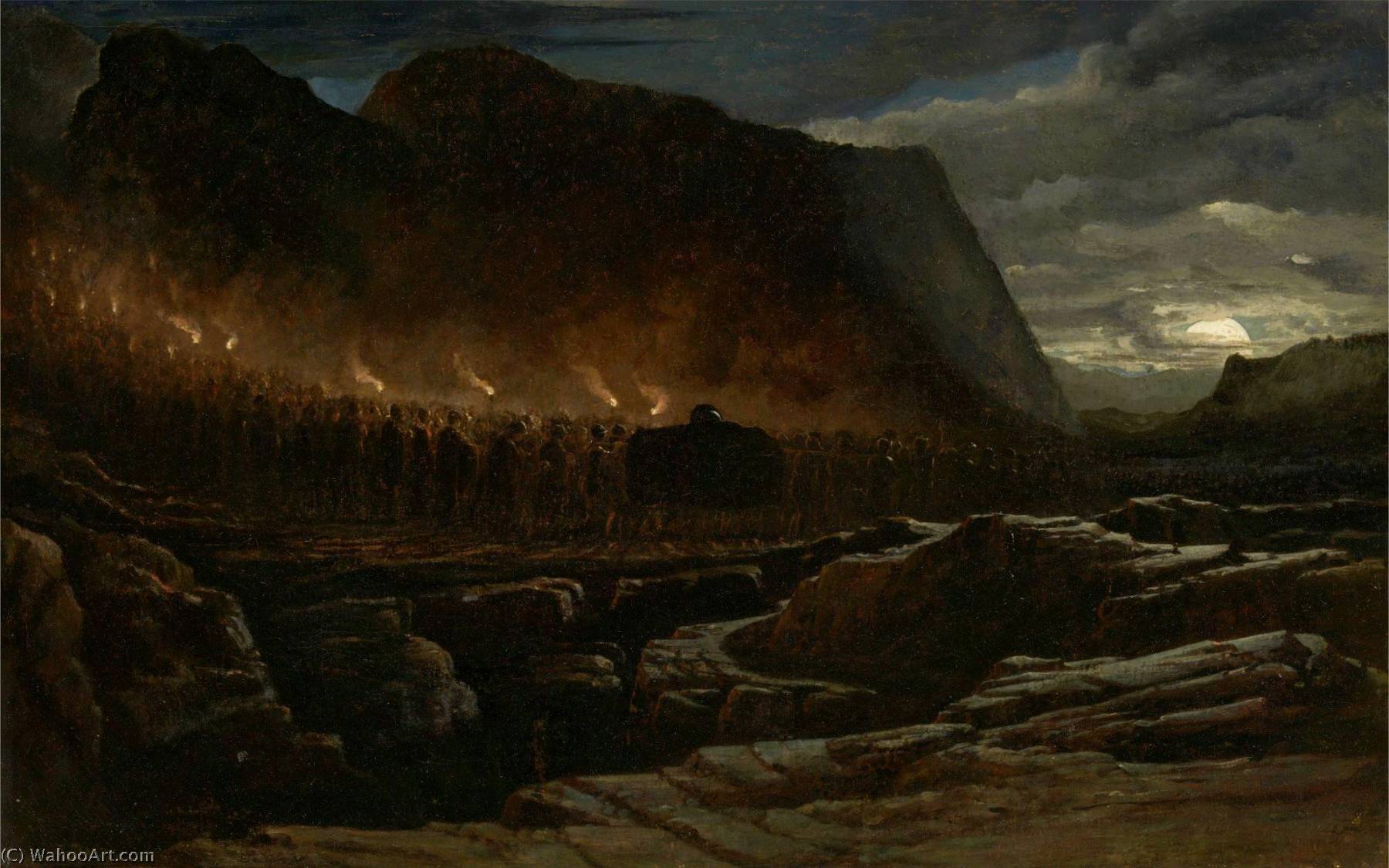
Funeral Procession (also known as The Burial of Alaric)


 Weiterlesen
Handgefertigte Ölreproduktion
Handgemaltes Ölgemälde auf Leinwand in Ihrer Wunschgröße und mit Rahmen, auf Bestellung von unseren Künstlern angefertigt. ( Druck bestellen Bild kaufen)




P118B $10

P118H $10

P118W $10

P438Z $10

P508JH $12

P508YH $12

P805H $10

P805Z $10

P919BZ $10

P919G $10

P919XJ $10

P959ZH $10

P968JZ $12

W106C $8

W218G $10

W218JH $8

W218Y $10

W307PJ $10

W316G $10

W316PJ $8

W316Y $10

W398PJ $8

W4111J $10

W500HY $15

W500JH $15

W692G $12

W849H $8

W940BG $15

W953PJ $8




Wählen Sie aus unseren vordefinierten Formaten, die den ursprünglichen Proportionen des Kunstwerks entsprechen.

Sie können Ihre eigenen Maße eingeben, um einen bestimmten Rahmen oder Platz auszufüllen. Wenn die gewählte Größe nicht den Proportionen des Originalbildes entspricht, werden wir das Kunstwerk entweder beschneiden oder das Gemälde durch zusätzliche, handgemalte Elemente erweitern. Ein digitales Mockup wird Ihnen zur Genehmigung zugesandt, bevor die Produktion beginnt.
Bitte beachten Sie, dass die Bildschirmvorschau nicht die tatsächliche Beschneidung oder Erweiterung widerspiegelt. Nur das Mockup zeigt die endgültige Komposition exakt an.
Obwohl Sondermaße verfügbar sind, empfehlen wir, eine Größe aus der vordefinierten Liste zu wählen, um die ursprünglichen Proportionen beizubehalten.
Nach der Bestellung wird das ArtsDot.com-Team dem Kunden Anweisungen per E-Mail zusenden und eine Mockup-Vorschau bereitstellen.
Weltweiter Versand () in nur 3 bis 4 Wochen statt der üblichen 5 Wochen. (26 August). Keine Kompromisse bei der Qualität.

Kostenloser weltweiter Expressversand

Hochwertige Leinenleinwand

Umfassender Versicherungsschutz beim Versand

Zollgebühren-Rückerstattungsgarantie

Garantie für exakte Farbtreue

60 Tage Rückgaberecht (nur bei Mängeln)

100% Geld-zurück-Garantie

Mengenrabatt verfügbar
 Die Glasoption ist nur für Größen unter 110 cm verfügbar.

Funeral Procession (also known as The Burial of Alaric)
Art der Reproduktion
Format der Reproduktion
-


Gesamtpreis
$ 263
Beschreibung des Kunstwerks
A Mountain’s Lament: Unveiling the Drama of Danby's “Funeral Procession”
James Francis Danby’s “Funeral Procession,” painted in 1848, isn’t merely a depiction of a funeral; it’s a visceral plunge into the heart of Romanticism – a landscape saturated with grief, spirituality, and the sublime. Born amidst the turbulent backdrop of Ireland's political unrest, Danby channeled his own emotional intensity onto canvas, creating an image that resonates far beyond its immediate subject matter. The painting immediately commands attention with its scale; it’s a monumental work, designed to envelop the viewer in its dramatic atmosphere, mirroring the overwhelming nature of loss and remembrance.
The scene unfolds within a rugged, almost violently sculpted mountain range – a landscape rendered not as picturesque beauty but as a formidable, unforgiving force. Two moons dominate the sky, their presence lending an otherworldly quality to the event below, suggesting a realm beyond earthly comprehension. The procession itself is a study in muted tones of grey and brown, punctuated by the stark white garments of the mourners, emphasizing their vulnerability against the imposing backdrop. Notice how Danby masterfully employs atmospheric perspective – distant elements fade into a hazy blue, creating an illusion of immense depth and drawing the eye relentlessly towards the central figures.
The Weight of Ritual: Symbolism in a Scene of Mourning
Beyond its technical brilliance, “Funeral Procession” is rich with symbolic weight. The burial itself isn’t simply a farewell; it's an enactment of a profound spiritual journey. The figures are not presented as individuals but as representatives of humanity confronting mortality. The horse leading the procession can be interpreted as a symbol of fate or perhaps even the soul making its way to the afterlife. The sheer scale of the mountain, with its jagged peaks and shadowed valleys, represents the challenges and uncertainties inherent in life’s journey. The two moons, often associated with cycles of death and rebirth, further amplify this sense of transition.
Danby's choice of subject matter – a funeral procession in a remote mountain setting – was deeply influenced by the Romantic movement’s fascination with nature as a source of both awe and terror. He sought to capture not just the outward appearance of the scene but also the emotional experience it evoked, imbuing the landscape with a palpable sense of melancholy and reverence. The painting speaks to universal themes of loss, remembrance, and the enduring power of human connection in the face of mortality.
A Masterpiece of Romantic Technique
Technically, “Funeral Procession” is a testament to Danby’s skill as a landscape painter. He employed a loose, expressive brushstroke – characteristic of the Romantic style – to create a sense of movement and dynamism. The paint itself appears thick and textured, adding to the painting's tactile quality and conveying a feeling of immediacy. Danby was particularly adept at capturing light and shadow, using them to sculpt the forms of the mountains and figures, creating a dramatic interplay of illumination and darkness. His use of color is restrained but effective, contributing significantly to the overall mood of solemnity and contemplation.
Echoes of Verona: Historical Context and Artistic Legacy
Interestingly, research suggests that Danby’s artistic sensibilities were profoundly shaped by his time spent in Verona, Italy. The city's rich history – a tapestry woven with Roman grandeur, medieval struggles, and Renaissance artistry – undoubtedly influenced his vision. The echoes of this historical context can be seen in the painting’s dramatic composition and its exploration of themes such as power, loss, and remembrance. Danby’s work stands alongside that of other Romantic masters like John Martin and J.M.W. Turner, yet possesses a uniquely Irish perspective and an intense emotional depth. “Funeral Procession” remains a powerful testament to the enduring legacy of James Francis Danby – a painter who dared to confront the darkest corners of the human experience and transform them into works of breathtaking beauty and profound meaning.
Ähnliche Kunstwerke

Über den Künstler
James Francis Danby: Ein Visionärer des Romantischen Zeitalters
- Geboren: County Wexford, Irland (1793)
- Gestorben: 1861
Francis Danby ARA war ein irischer Maler der romantischen Epoche. Seine einfallsreichen, dramatischen Landschaften waren vergleichbar mit denen von John Martin. Er gilt als eine bedeutende Figur in der britischen Kunstgeschichte und verbindet traditionelle Landschaftsmalerei mit dem aufkommenden Schwerpunkt der Romantik auf Emotionen, Vorstellungskraft und Grandiosität.
Frühes Leben und Künstlerische Entwicklung
Geboren im County Wexford, Irland, war James Francis Danby einer von Zwillingen; sein Vater bewirtschaftete ein kleines Anwesen. Nach dem Tod seines Vaters im Jahr 1807 zog die Familie nach Dublin um. Er begann seine Studien in Zeichnen an den Schulen der Royal Dublin Society und erhielt frühe Anweisungen von James Arthur O’Connor und knüpfte Bekanntschaft mit George Petrie. Im Jahr 1813 begaben sich Danby zusammen mit O’Connor und Petrie nach London. Diese anfängliche Expedition erwies sich als finanziell herausfordernd, was dazu führte, dass sie in Bristol eine Pause einlegten, wo Danby Erfolg beim Verkauf von Aquarellzeichnungen hatte. Dieser Zeitraum in Bristol (um 1818/19) war entscheidend für seine Entwicklung, da er zu einer zentralen Figur innerhalb der informellen Gruppe wurde, die als Bristol School bekannt ist.
Die Bristol School und Entstehender Stil
Danbys Verbindung mit der Bristol School prägte seine künstlerische Laufbahn maßgeblich. Diese Gruppe, die anfänglich um Edward Bird herum entstanden war, förderte ein Umfeld des gemeinsamen Skizzenunterfangens und gegenseitigen Einflusses. Danby löste Bird als zentrale Figur der Schule ab. Birds naturalistische Stil und frische Farben beeinflussten Danby, was in Werken wie “Boys Sailing a Little Boat” (ca. 1821) und "The Delivery of Israel out of Egypt" (1825) deutlich wird. Zu den weiteren einflussreichen Figuren innerhalb dieses Kreises gehörten Edward Villiers Rippingille und der Amateurkünstler Francis Gold, die Danby ermutigten, sich verstärkt fantasievollen und poetischen Themen zuzuwenden. George Cumberland, ein Freund von William Blake, spielte ebenfalls eine wichtige Rolle, indem er Danby Motive für seine Gemälde vorschlug und ihn möglicherweise an Blakes visionären Stil heranführte.
Wichtige Werke und Künstlerische Themen
- Der Upas-Baum von Java (1820): Dieses Werk brachte Danby Anerkennung ein und trug dazu bei, seine Wahl zum Associate Member der Royal Academy zu sichern.
- Enttäuschte Liebe (1821): Demonstriert Danbys charakteristischen poetischen Ansatz in der Landschaftsmalerei, möglicherweise beeinflusst von Samuel Taylor Coleridge.
- Eine verzauberte Insel (1825): Ein sehr einflussreiches Werk, das andere Künstler der Bristol School inspirierte und von Letitia Elizabeth Landon in ihrer Sammlung "The Troubadour" gelobt wurde.
- Die Öffnung des sechsten Siegels (1828): Dieses großformatige Gemälde, das von William Beckford erworben wurde, demonstrierte Danbys Ehrgeiz für dramatische narrative Szenen.
- Die Sintflut (1840): Ein monumentales Werk, das seinen Ruf nach einem Jahrzehnt, das er in der Schweiz und Paris verbracht hatte, wiederherstellte.
Danbys Stil ist gekennzeichnet durch weitläufige illusionistische Leinwände, die großartige, düstere und fantastische Sujets darstellen – Themen, die mit dem byronischen Geschmack der 1820er Jahre in Resonanz standen. Seine Gemälde zeigen oft dramatische Himmel, stürmische Meere und eindringliche Landschaften, die von einem Gefühl des Geheimnisvollen und Ehrfurchtsgebietenden durchdrungen sind.
Spätere Jahre und Vermächtnis
Nach einer Zeit am Ufer des Genfersees in der Schweiz und einem kurzen Aufenthalt in Paris kehrte Danby 1840 nach England zurück. Er setzte seine Ausstellungen fort, darunter "The Golden Age" (ca. 1827) und “Rich and Rare Were the Gems She Wore” (1837). Obwohl einige spätere Werke wie "The Woodnymph's Hymn to the Rising Sun" (1845) einen ruhigeren Stil zeigten, kehrte er mit Gemälden wie "The Shipwreck" (1859) zu seinem früheren dramatischen Modus zurück. Danbys Vermächtnis beruht auf seinem bedeutenden Beitrag zur britischen Romantik. Neben John Martin und J.M.W. Turner gilt er als einer der führenden Künstler dieser Epoche, gefeiert für seine einfallsreichen Landschaften und seine Fähigkeit, durch seine Gemälde kraftvolle Emotionen hervorzurufen.
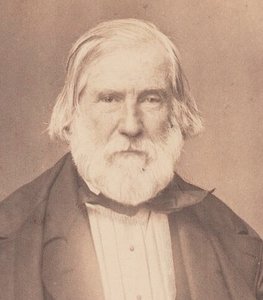
James Francis Danby
1793 - 1861 , Irland
Kurzinfos
- Artistic Movement Or Style: Romantik
- Artists Or Movements Influenced By This Artist: ['Bristol School artists']
- Artists Who Influenced This Artist:
- John Martin
- J.M.W. Turner
- William Blake
- Date Of Birth: 16. November 1793
- Date Of Death: 9. Februar 1861
- Full Name: James Francis Danby
- Nationality: Irisch
- Notable Artworks:
- The Upas Tree of Java
- Disappointed Love
- An Enchanted Island
- Opening of the Sixth Seal
- The Deluge
- Place Of Birth: Wexford, Irland
Ähnliche Artikel
Sir Alfred James Munnings: Die 25 Meisterwerke des Pferdebildes | ArtsDot
Entdecken Sie die 25 Meisterwerke von Sir Alfred James Munnings! Erleben Sie seine beeindruckenden Pferdebilder, geprägt vom Impressionismus und Realismus. Hochwertige Kunstdrucke & Reproduktionen auf ArtsDot.com – für elegante Wandkunst & stilvolles Interieurdesign.

James Abbott McNeill Whistler: Die 25 Meisterwerke für Ihr Zuhause | ArtsDot
Entdecken Sie die 25 Meisterwerke von James Abbott McNeill Whistler! Von den berühmten Nocturnes bis zu ikonischen Porträts – erleben Sie Ästhetizismus, Impressionismus & Tonalismus. Hochwertige Reproduktionen auf ArtsDot.com.

Romantische Landschaften: Die 10 Meisterwerke, die eine Epoche prägten | ArtsDot
Entdecken Sie die 10 Meisterwerke der Romantischen Landschaftsmalerei! Von Caspar David Friedrich bis Turner – erleben Sie die Kunst, Emotion & Natur. Hochwertige Reproduktionen auf ArtsDot.com

John Constable: Die 25 Meisterwerke des englischen Landschaftsgenies – ArtsDot
Entdecken Sie die 25 Meisterwerke von John Constable! Erleben Sie englische Landschaftsmalerei vom Hay Wain bis zur Stour Valley. Hochwertige Reproduktionen & Kunst für Ihr Zuhause auf ArtsDot.com.

Evocations of Place: A Historical Journey Through Landscape Art
Explore the rich history of landscape art with ArtsDot. Discover renowned artists, movements like Impressionism & Romanticism, and expert guidance for collecting timeless pieces. Find your perfect serene escape today!