

 Vorschau anzeigen
 Versenden
 Teilen
 Details anzeigen

 Herunterladen
 Ähnliche Objekte
 Röntgenaufnahme
 Diashow
 Statistiken
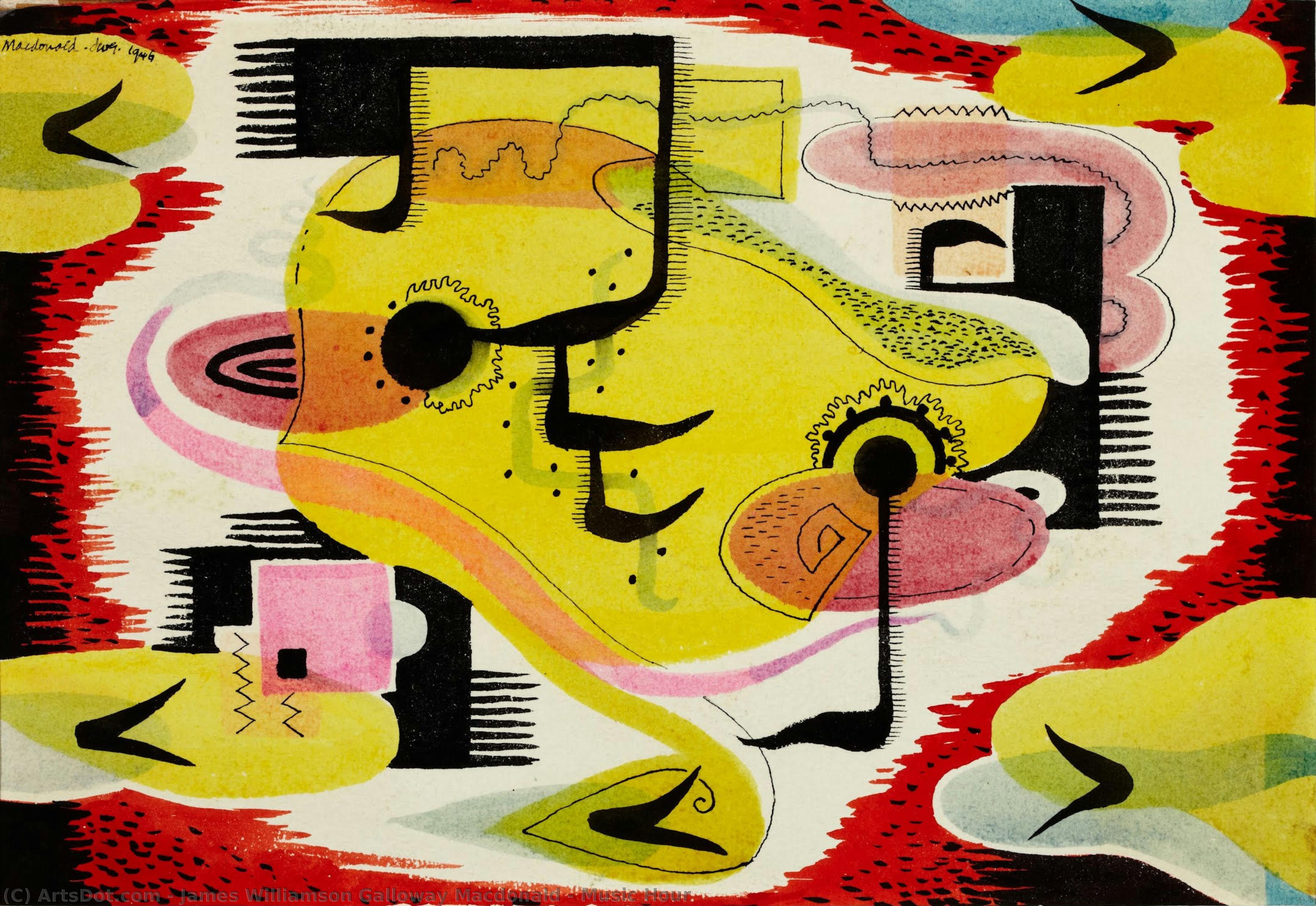
Music Hour


 Weiterlesen
Giclée / Kunstdruck
Giclée- oder Leinwanddruck in Museumsqualität mit schneller Produktion und flexiblen Veredelungsoptionen. ( Handgemalte Reproduktion bestellen Zum digitalen Bild wechseln)




P118B $10

P118H $10

P118W $10

P438Z $10

P508JH $12

P508YH $12

P805H $10

P805Z $10

P919BZ $10

P919G $10

P919XJ $10

P959ZH $10

P968JZ $12

W106C $8

W218G $10

W218JH $8

W218Y $10

W307PJ $10

W316G $10

W316PJ $8

W316Y $10

W398PJ $8

W4111J $10

W500HY $15

W500JH $15

W692G $12

W849H $8

W940BG $15

W953PJ $8




Wählen Sie aus unseren vordefinierten Formaten, die den ursprünglichen Proportionen des Kunstwerks entsprechen.

Sie können Ihre eigenen Maße eingeben, um ein bestimmtes Format oder einen speziellen Platz einzupassen. Wenn das von Ihnen gewählte Format nicht den Proportionen des Originalbildes entspricht, werden wir das Kunstwerk entweder beschneiden oder das Bild mit einem gespiegelten oder einfarbigen Rand erweitern. Ein digitaler Entwurf wird Ihnen zur Genehmigung zugesandt, bevor die Produktion beginnt.
Bitte beachten Sie, dass die Vorschau auf dem Bildschirm nicht den tatsächlichen Zuschnitt oder die Erweiterung widerspiegelt. Nur der Entwurf zeigt die endgültige Komposition präzise an.
Obwohl Sondermaße verfügbar sind, empfehlen wir die Auswahl eines Maßes aus der vordefinierten Liste, um die ursprünglichen Proportionen zu bewahren.
Weltweiter Versand () innerhalb von 2 Wochen statt der üblichen 4/5 Wochen. (10 September)

Kostenloser weltweiter Expressversand

Hochwertige Leinenleinwand

Umfassender Versicherungsschutz beim Versand

Zollgebühren-Rückerstattungsgarantie

Garantie für exakte Farbtreue

100-Tage-Rückgaberecht (nur bei Mängeln)

100% Geld-zurück-Garantie

Mengenrabatt verfügbar
 Die Glasoption ist nur für Größen unter 110 cm verfügbar.

Music Hour
Giclée / Kunstdruck
Format der Reproduktion
-


Gesamtpreis
$ 62
A Whimsical Symphony of Color and Form
In the captivating realm of James Williamson Galloway Macdonald, known affectionately as Jock Macdonald, the boundaries between reality and imagination dissolve into a vibrant tapestry of life. His 1946 masterpiece, Music Hour, serves as a profound testament to his ability to weave disparate elements into a singular, rhythmic composition. At first glance, the eye is immediately drawn to the central protagonist: a luminous yellow fish, its presence commanding and bold against the surrounding canvas. This focal point, rendered with a striking clarity, acts as the conductor of an aquatic orchestra, anchoring a scene that feels both intimate and expansive.
The painting transcends mere depiction, inviting the viewer into a dreamlike state where time and nature converge. Surrounding the central figure is a carefully curated assembly of symbolic objects—a clock poised in the upper periphery, a delicate bird caught in mid-motion, and smaller companion fish that dance around the main subject. This arrangement suggests a cosmic harmony, a moment where the ticking of human time meets the eternal, fluid rhythm of the natural world. The interplay between these elements creates a sense of layered depth, making each gaze into the painting feel like a new discovery.
Mastery of Modernist Technique and Texture
As a pioneer of Canadian abstract art, Macdonald brought a unique sensibility to his work, blending the structural lessons of European Cubism with a deep, spiritual connection to the organic world. In Music Hour, we see the artist’s mastery of color and form used to evoke movement and emotion. The use of high-contrast pigments—the brilliant yellow of the fish against more muted or complex background tones—creates a visual pulse that mimics the very music the title suggests. His technique allows for a tactile quality that breathes life into the canvas, making the scales of the fish and the feathers of the bird feel almost tangible to the observer.
For the discerning collector or interior designer, this piece offers an unparalleled opportunity to introduce a sense of narrative wonder into a space. The painting does not merely sit upon a wall; it interacts with its environment, providing a focal point that stimulates conversation and contemplation. Its composition is balanced yet dynamic, making it an ideal centerpiece for a sophisticated gallery wall or a standalone statement in a contemporary living area. To possess a reproduction of such a work is to bring a fragment of mid-century modernism into the home, capturing the essence of an era defined by exploration and the breaking of artistic boundaries.
An Emotional Resonance for the Modern Collector
Beyond its technical brilliance, Music Hour resonates on a deeply emotional level. It captures that fleeting, magical sensation of being lost in a melody, where the outside world fades and only the rhythm remains. The symbolism of the clock serves as a poignant reminder of the ephemeral nature of beauty, while the lively aquatic life celebrates the enduring vitality of the earth. This duality—the tension between passing time and eternal life—is what gives the artwork its lasting power.
Whether you are an art historian tracing the lineage of Canadian abstraction or a decorator seeking to infuse a room with warmth and whimsy, this work offers a profound sense of joy. It is a piece that rewards the patient viewer, offering layers of meaning that unfold like a well-composed sonata. In the hands of a master like Macdonald, the simple act of observing a fish becomes a transcendent experience, making Music Hour a timeless treasure for any curated collection.
Ähnliche Kunstwerke
Über den Künstler
Der visionäre Geist von Jock Macdonald
James Williamson Galloway Macdonald, in der Kunstwelt liebevoll als Jock Macdonald bekannt, ist eine monumentale Gestalt in der Entwicklung der kanadischen Moderne. Geboren 1897 in der rauen, atmosphärischen Landschaft von Thurso, Schottland, war sein frühes Leben von den dramatischen Texturen seiner Heimat geprägt. Diese grundlegende Verbindung zur Natur sollte später zum Herzschlag seiner abstrakten Erkundungen werden. Nachdem er seine technischen Fähigkeiten an der renommierten Glasgow School of Art perfektioniert hatte, begab sich Macdonald 1926 auf eine transformative Reise über den Atlantik. In Kanada angekommen, trat er nicht einfach einer bestehenden Kunstszene bei; er kam, um eine Revolution zu entfachen. Er brachte ein tiefgreifendes Verständnis europäischer Avantgarde-Bewegungen wie des Kubismus und des Surrealismus mit sich, welches schließlich die Grenzen der gegenständlichen Malerei in Nordamerika auflösen sollte.
Im Laufe seiner Karriere durchlief Macdonalds Werk eine tiefgreifende Metamorphose, weg von der wörtlichen Darstellung der Welt hin zu einer tieferen, spirituelleren Abstraktion. Er wurde zu einem Meister darin, das Unfassbare einzufangen, indem er versuchte, die reine Essenz von Bewegung, Zeit und kosmischer Energie auf die Leinwand zu übertragen. Seine Palette war so vielfältig wie seine Fantasie; er nutzte traditionelle Öle und Aquarelle neben experimentellen Industriematerialien wie Duco und Lucite. Diese Bereitschaft, neue Medien zu umarmen, ermöglichte es ihm, ein einzigartiges Gefühl von Tiefe und Leuchtkraft zu erreichen. In Meisterwerken wie Orange Impulse wird man Zeuge einer lebendigen Explosion aus roten und gelben Formen, die mit der dynamischen Energie der Mitte des 20. Jahrhunderts pulsieren und den Betrachter in eine Welt einladen, in der die Farbe selbst zur Sprache reiner Emotion wird.
Ein Vermächtnis der Abstraktion und Innovation
Macdonalds Beitrag zur Kunstgeschichte reicht weit über seine einzelnen Leinwände hinaus; er war ein entscheidender Pädagoge und ein Katalysator für kollektiven Wandel. Durch seine einflussreichen Dozentenstellen an der Vancouver School of Decorative and Applied Arts und dem Ontario College of Art förderte er eine neue Generation kanadischer Künstler und ermutigte sie, den Blick nach innen und hin zum Abstrakten zu richten. Als prominentes Mitglied der Painters Eleven half er dabei, eine Bewegung zu etablieren, die die Vorherrschaft der Landschaftsmalerei in Kanada herausforderte und die nationale Identität in Richtung eines universelleren, modernistischen Dialogs drängte.
Seine thematischen Schwerpunkte drehten sich oft um die organischen Rhythmen des Lebens, wobei er häufig Motive wie Vögel und aquatische Formen nutzte, um das Konzept von Raum, Zeit und Bewegung zu erforschen. Ob es nun der verspielte Charme der Mitte des Jahrhunderts in Music Hour ist, wo ein leuchtend gelber Fisch als fesselndes Zentrum dient, oder die eher düsteren, texturierten Reflexionen in Werken wie Rust of Antiquity – Macdonalds Œuvre bleibt ein Zeugnis für die Kraft der Abstraktion, das Tiefgründige zu berühren. Seine Fähigkeit, das Organische mit dem Geometrischen zu verschmelzen, schuf eine visuelle Sprache, die bis heute nachhallt und ihm seinen Platz als Pionier sichert, der die Grenzen der kanadischen Kunst neu definierte.
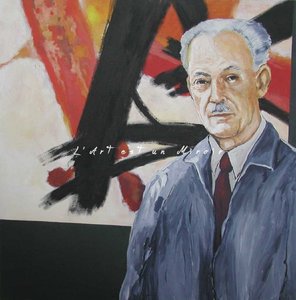
James Williamson Galloway Macdonald
1897 - 1960 , Vereinigtes Königreich
Kurzinfos
- Artistic Movement Or Style: Abstrakt Kunst
- Artists Or Movements Influenced By This Artist: ['Painters Eleven']
- Date Of Birth: Mai 31, 1897
- Date Of Death: Dezember 3, 1960
- Full Name: James Williamson Galloway Macdonald
- Nationality: Schottisch-Kanadisch
- Notable Artworks:
- Orange Impulse
- Flood Tide
- Fish
- Birds Dreaming
- Musik Stunde
- Place Of Birth: Thurso, Vereinigtes Königreich
Ähnliche Artikel
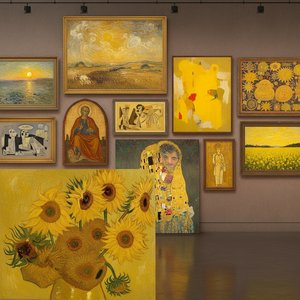
Chromgelb in der Kunstgeschichte: Die 10 berühmtesten Gemälde & ihre Meister
Entdecken Sie die 10 berühmtesten Gemälde, dominiert von der leuchtenden Farbe Chromgelb! Von Van Gogh bis Monet – erfahren Sie Geschichten hinter Meisterwerken & finden Sie Ihre perfekte Kunst-Reproduktion auf ArtsDot.com.
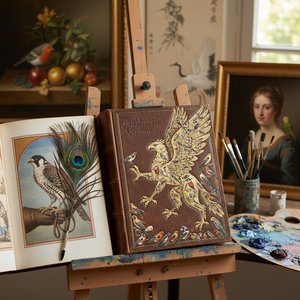
Feathered Visions: A Historical & Artistic Exploration of Birds in Painting
Explore the rich history of birds in painting! Discover symbolism, artistic movements & master artists like Audubon. High-quality reproductions available at ArtsDot.
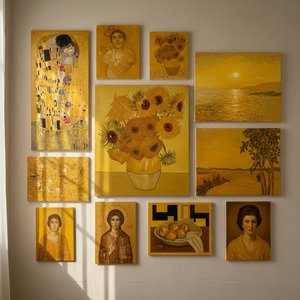
Die Top 10 berühmter Gemälde im Gelbocherton – Kunst für Ihr Zuhause |
Entdecken Sie die Top 10 berühmter Gemälde, dominiert von warmen Gelbochtönen! Von Van Gogh bis Monet – erfahren Sie die Geschichten hinter den Meisterwerken und lassen Sie sich für Ihre Wohnraumgestaltung inspirieren. Hochwertige Kunstdrucke auf

Angelo Chiacchio: A Mid-Century American Illustration Master & the Rise of Commercial Art
Explore the captivating world of Angelo Chiacchio, a master of mid-century American illustration. Discover his evolution, signature style, and lasting impact on commercial art & design. Learn about his legacy at the Museum of American Illustration.
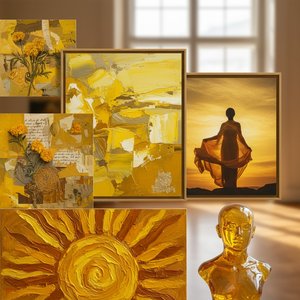
The Golden Hue: Exploring Symbolism & Emotion in Yellow Art
Explore the rich symbolism & emotional power of yellow in art history! From Van Gogh to Kandinsky, discover how artists used this vibrant hue. Expert analysis & high-quality reproductions at ArtsDot.